Trending
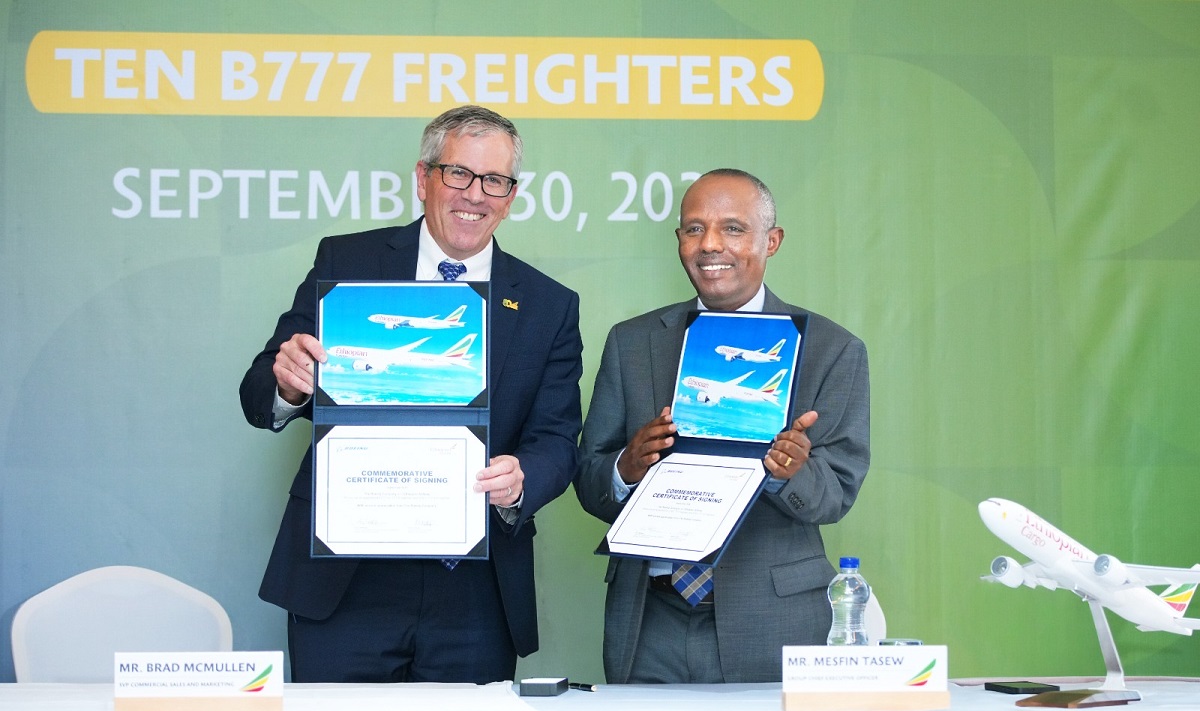
- Ethiopian Airlines bets big on Boeing freighters in $5 billion cargo fleet expansion
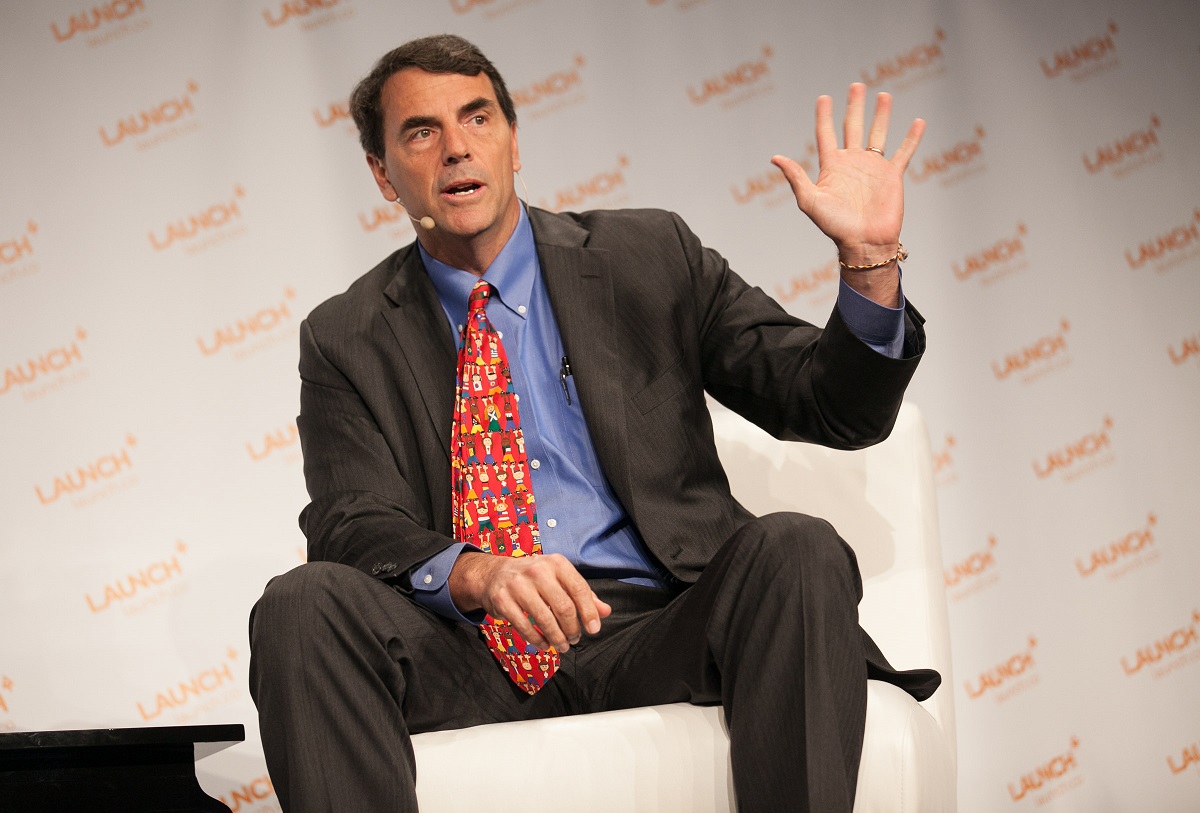
- Silicon Valley’s Tim Draper backs Nairobi blockchain festival, sees Africa as next digital frontier
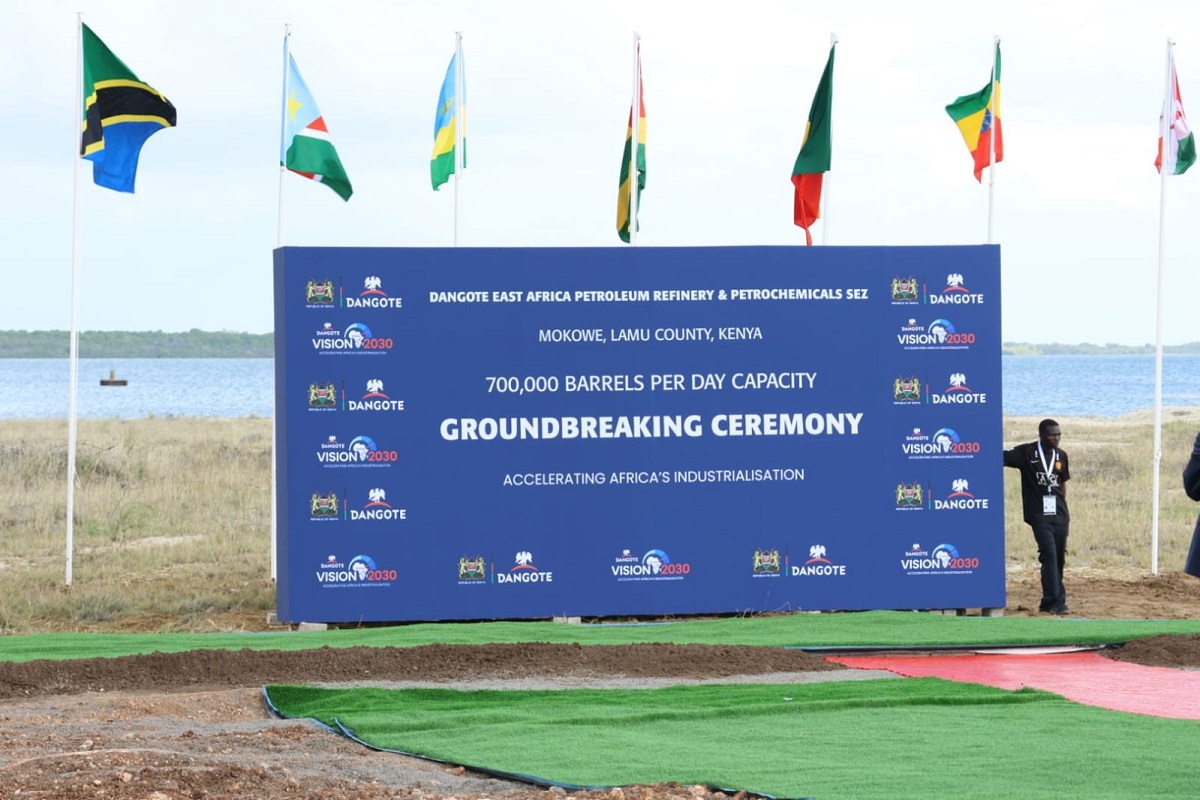
- Dangote breaks ground on $16bn Lamu refinery as East Africa seeks fuel independence
- Gulf and African states meet in Dar to rewrite rules of labour migration
- African governments drive new forest finance progress as global report warns funding globally must scale faster
- Fine Spinners eyes Kenya’s Agoa-backed apparel supply chain with $5m plant
- Why young Kenyan investors need to stop treating the stock market like a betting slip
- Tanzania tax reforms mandate VAT refunds to under 30 days


Browsing: Africa
When the Head of the African Continental Free Trade Area Secretariat told an executive panel in Washington, DC the fact…
China actively honours its commitment to making vaccines a global public good. At the time when Chinese vaccines had just reached the market and domestic supply was tight, China began to supply vaccines to Africa in support of its battle against the pandemic.
By November 2021, China had provided over 1.7 billion doses of Covid-19 vaccine to more than 110 countries and organizations, including 50 African countries and the AU Commission, and is striving to provide an aggregate total of two billion doses by the end of 2021.
In addition, it donated US$100 million to COVAX, which aims at ensuring all countries have access to a safe, effective vaccine.
Tanzania Telecom charges: Tanzanians are forced to reach deeper into their pockets as the government has increased the cost of…
The search for Congo’s cobalt has shown how the clean energy revolution has taken a turn. It is to save the planet from rising temperatures in an age of enlightened self-interest. But it has become mired in a familiar cycle of exploitation, greed, and deception. This often benefits Africa little or not at all.
On November 24, 2021, a group of G7 countries, including Japan and the US made a decision. They stated they will withdraw crude oil from their Strategic Petroleum Reserve. (SPR). The SPR was an underground salt tank in Utah, turned into a recession and warproof facility. It was in reaction to the twin World Trade Center explosions on September 11, 2001.
With its about 1.3 billion people, Africa is a potential market for all kinds of consumable goods and for services. In the coming decades, there will be an accelerated competition between or among the external players over access to the resources and for economic influence in Africa.
Despite the growth of external players’ influence and presence in Africa, says the report, Russia has to intensify and redefine its parameters as it has now transcended to the fifth stage. Russia’s Africa policy is roughly divided into four periods, previously after Soviet’s collapse in 1991.
The first historic summit in 2019 created a good basis for launching or ushering in a new fifth stage of Russian-African relations. The joint declaration adopted at the summit raised the African agenda of Russia’s foreign policy to a new level and so far remains the main document determining the conceptual framework of Russian-African cooperation.
Mastercard is collaborating with Meta to support the digitization and growth of SMEs across the MEA region The firm says…
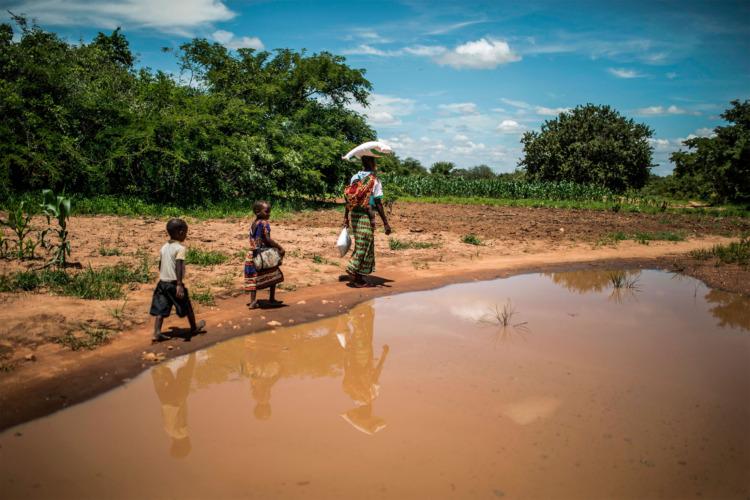
However, the DW report argued that just 18 per cent of GCF financing went to projects in the world’s poorest countries, while 65 per cent went to projects in middle-income countries like Mexico or India.
GCF is an essential partner towards Africa’s climate action. It is one of the most potent multilateral financing mechanisms available for the continent in supporting genuine-time climate action efforts.
Despite the underlying challenges within climate finance the region faces, it ought to be ready to harness GCF’s potential and become resilient as climate change impacts do not wait.
Gabon is one of few countries with a carbon-negative economy, thanks to the Congo Basin’s immense tropical forests, which absorb more greenhouse gases than the country’s companies, cars, and towns emit.
It just approved an ambitious climate law to ensure that its economic bases are on forests and agriculture rather than fossil fuels.
Outside assistance is required to attain this goal so that the government can continue to enhance living standards.
Many African countries rely on coal for electricity and have refused to sign a declaration signed by more than 40 countries this week calling for an end to the most polluting of fossil fuels.
The pursuit of a greener earth and universal reliance on renewable presents a unique dilemma for countries in Sub Saharan Africa which rely heavily on energy provided by coal, shale, and other fossil fuels but also their economic livelihoods depend on the black gold.
The elimination of coal and related energy sources would severely prejudice economies that constitute SSA which are still developing or emerging.
It is against this background that the outgoing Chief Executive of the largest coal miner on the JSE, who is also the President of the Minerals Council is on record for saying that African countries should be allowed to make the transition from fossil fuels to greener renewable energies at their own pace.
Elon Musk is ready to sell his Tesla shares if WFP will describe how it will spend it and display…