

Trending
- Africa’s Green Economy Summit 2026 readies pipeline of investment-ready green ventures
- East Africa banks on youth-led innovation to transform food systems sector
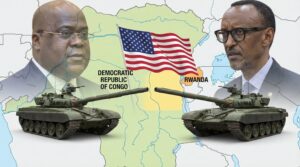
- The Washington Accords and Rwanda DRC Peace Deal
- Binance Junior, a crypto savings account targeting children and teens debuts in Africa
- African Union Agenda 2063 and the Conflicts Threatening “The Africa We Want”
- New HIV prevention drug is out — can ravaged African nations afford to miss it?
- From banking to supply chains, here’s how blockchain is powering lives across Africa
- Modern railways system sparks fresh drive in Tanzania’s economic ambitions


Browsing: African economies

Central banks across Africa weighing interest rates in the next three weeks are poised to lower them, cautious that the…

According to John Howkins, the orange economy incorporates industries whose goods and services arise from intellectual property. These include research and development, radio and TV, visual and performing arts, publishing, advertising, music, software, gaming, design, film, crafts, architecture, fashion, and design. Artists, cultural non-profits, and creative businesses can produce and disseminate goods and services that generate jobs, revenue, and quality of life.
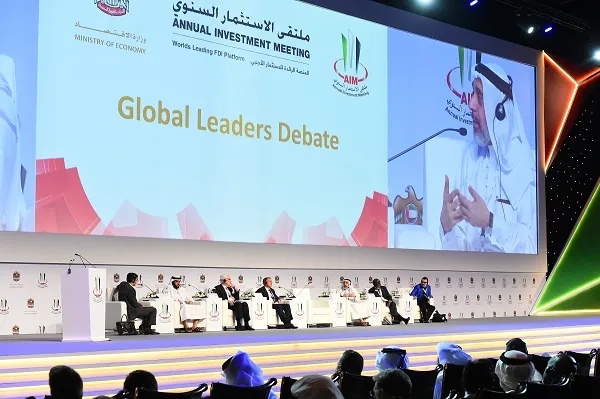
Top government officials from across Africa have confirmed attendance at the Annual Investment Meeting (AIM Global 2023), the world’s leading…

Over the past decade, African countries have accumulated external debt at a faster pace. The countries have capitalized on abundant, low-cost international credit for fiscal and balance-of-payments funding to help drive development plans.
Africa’s total external debt, accrued by both the private and public sectors, owed to foreign lenders, has surpassed $1 trillion. The related annual debt servicing costs broke through the $100 billion threshold for the first time in 2021.
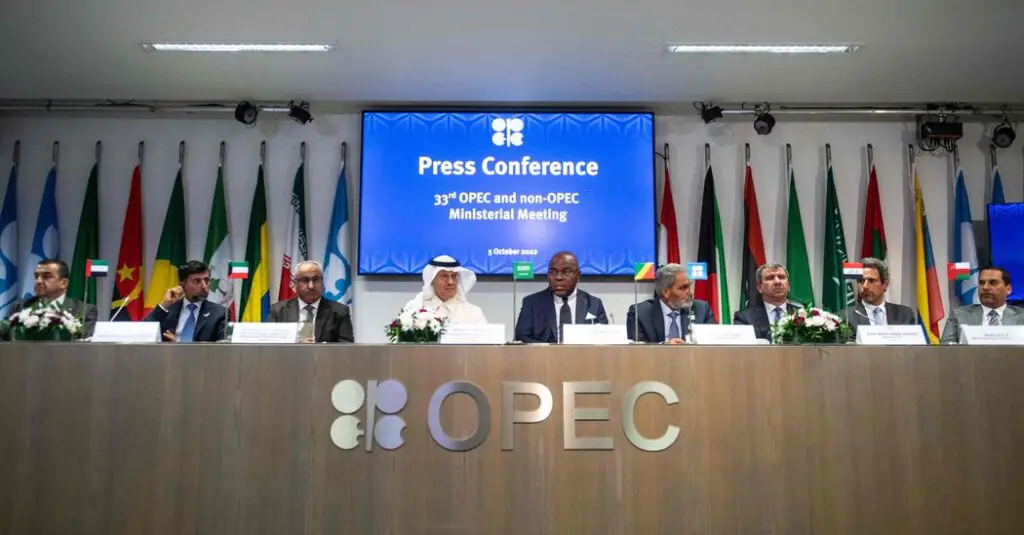
African countries will be largely impacted by the decision by the global cartel of oil producing countries to cut oil production given that only 14 out of 54 countries in Sub-Sahara Africa produce oil, which accounts for the lion’s share of their annual export earnings.
Many African countries have to import refined oil and rely on oil products in power generation. A hike in oil prices will boost economies of oil producing countries, by gaining foreign exchange earnings to carry out development projects such as Nigeria, Angola, Gabon, Libya, Cameroon, and Congo among others.
Consequently, this will create more job opportunities and greatly aid in poverty alleviation. In addition, the revenues could be redirected to other sectors that make significant contributions to the respective economies. By example, in countries like Cameroon, Gabon and Congo, internet infrastructure and technology could largely benefit from re-investing.
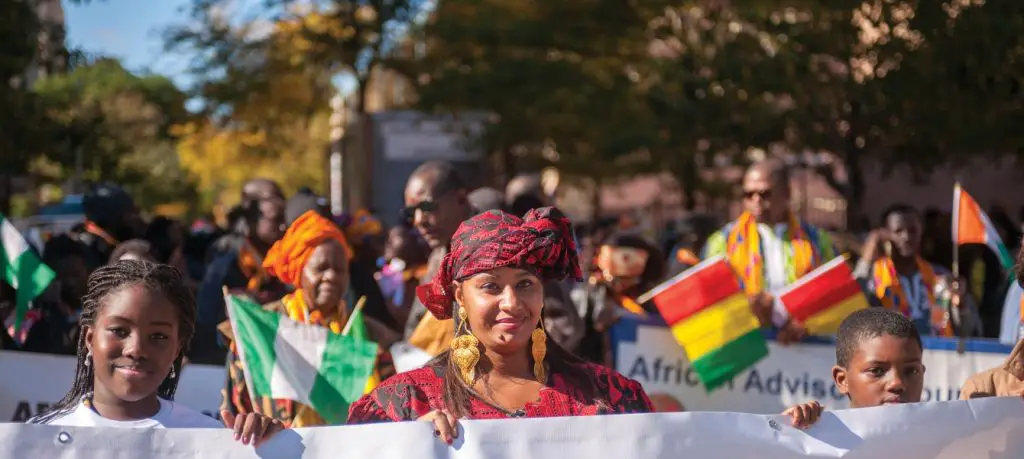
Until substantial reforms are implemented, and remittance flows channelled towards long-term economic prospects, the diaspora will continue to be a net negative for weak African economies. Africa cannot depend on exporting its brilliant people abroad to bring money home forever. Thus, governments must establish vibrant economies that appreciate the continent’s human capital and enable bright individuals to prosper.
This year’s progress has been threatened by Russia’s invasion of Ukraine, which has caused a global economic shock that has hit Africa at a time when the government’s policy space to respond to it is small to nonexistent.
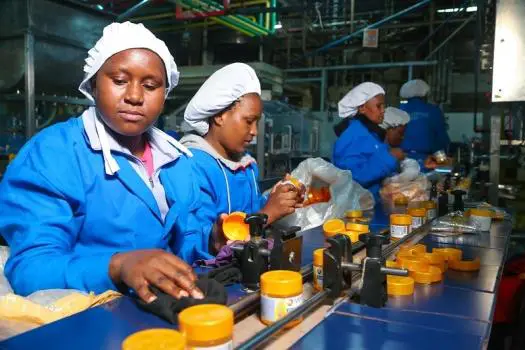
The AfCFTA Agreement has been signed by 54 African nations thus far. Among them, 46 tariff proposals have been filed, including one by the Customs Union. Furthermore, 29 tariff proposals are technically validated for trade.
Under the Rules of Origin discussions, 87.7% of import tariffs have been settled, while phase two consultations on Investment, Intellectual Property Rights, Competition Policy, Women and Youth in Trade, and Digital Trade are underway.

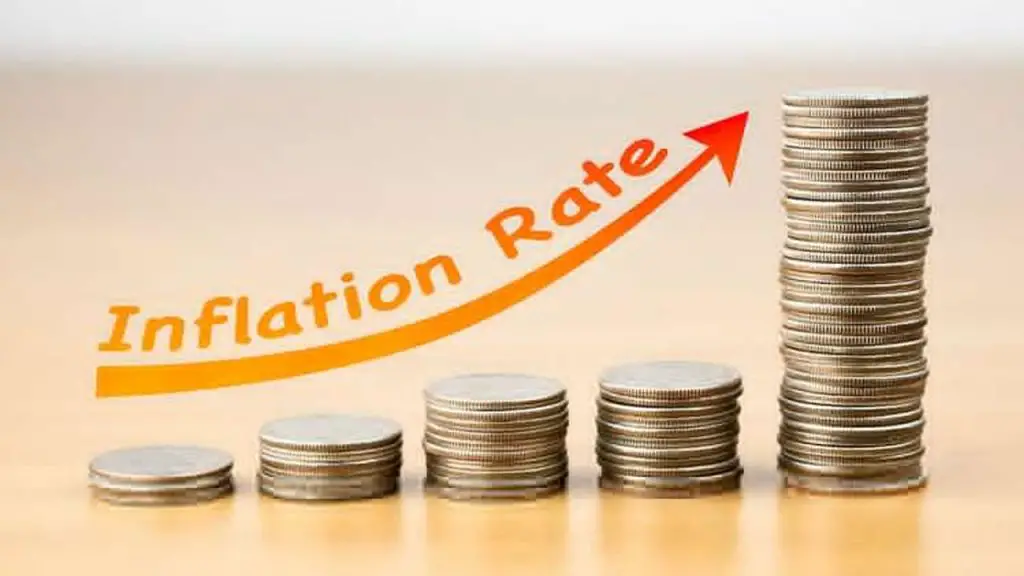
The most significant concern is Africa’s susceptibility to growing inflation in developed and developing economies, given the continent’s reliance on imports.
The Ukraine invasion by Russia and the resulting conflict has created an economic vortex for the whole world. Reports state…