
Trending
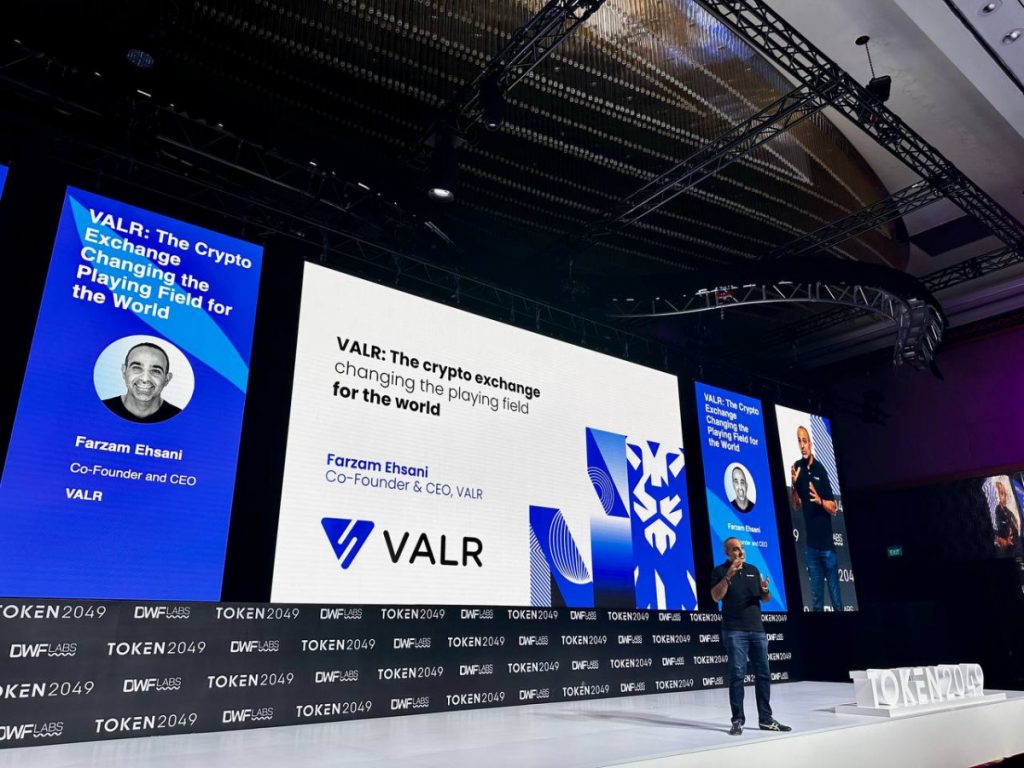
- VALR sets sights on East Africa as blockchain moves deeper into Africa’s financial system
- The cost of the data gap: Why Kenya’s lenders can’t afford to miss the full picture
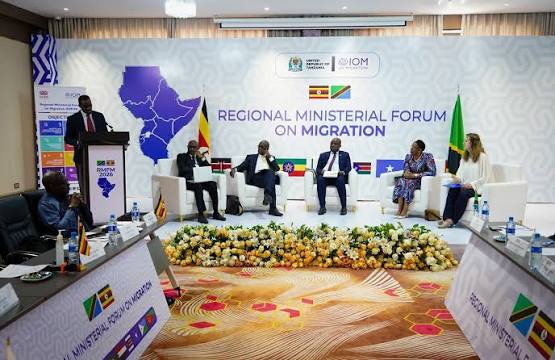
- Tanzania takes EAC labour migration helm as regional rules face overhaul
- 2026 is turning out as a defining year in geopolitics, but for whom?
- Saudi Arabia and Tanzania pledge to deepen bilateral trade ties
- Tanzania rewrites its digital investment playbook
- Ethical sourcing boosting demand for Tanzania organic cotton
- DRC deploys 70,000 Ebola vaccine doses in high-stakes trial against deadly Bundibugyo strain


Browsing: Botswana

African countries undermine their economic growth by prioritising trade with Europe and the United States over regional markets. How do…
One of the driving forces behind nation’s economic success is the Botswana Pula (BWP), the country’s currency. last year the…

There was a strong performance in the bank’s recoveries portfolio, contributing to the overall positive performance of expected credit losses. This led to the loan loss ratio improving to 0.16 per cent from 0.59 per cent for period ended June 30, 2022. Operating costs remain relatively under control at P473 million, growing slightly by only 3 per cent, despite the rising inflation seen in the economy.
The bank in their report also highlighted that this was achieved by leveraging off the digital enablement put in place which brought some efficiencies, as well as various other cost management initiatives effected. Cost to income ratio fell by 4 per cent and ended at 54 per cent for the period under review, resulting in positive income statement jaws of 7 per cent.
Meanwhile, Barclays sold shares in the Group. This was published on the Johannesburg Stock Exchange on September 1, 2022.
Barclays agreed to sell its entire remaining 7.44 per cent which is 63 072 652 shares of the total ordinary shares of the Group through an accelerated book build placing, at a price of R169 per share. Following the sell, Barclays no longer owns any ordinary shares of the Group.
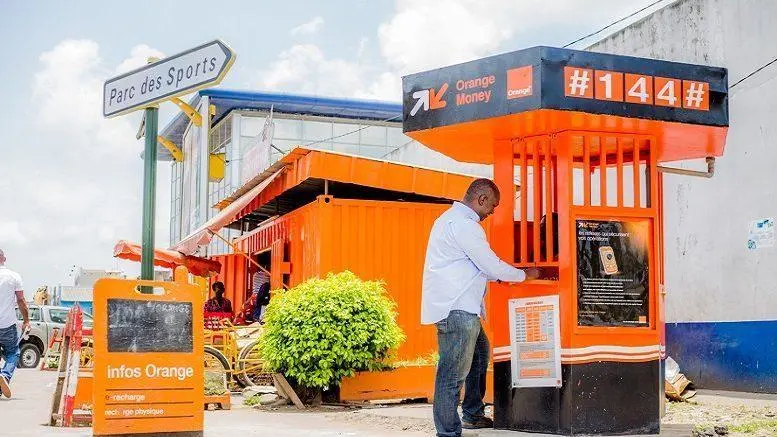
Customers can also buy airtime and access other mobile network operator services using their Visa or Mastercard debit and credit cards through Tingg, Cellulant’s digital payments platform.
Tingg by Cellulant is at the forefront of ensuring digital financial solutions are available across the continent. Tingg, which integrates 211 banks in Africa, is a one-stop payment aggregator for multinational corporations, mid-caps, and small and medium-sized enterprises (SMEs).
Tingg enables merchants to receive, view and reconcile all their payments through a single platform or their system by integrating Tingg’s Application Programming Interfaces (APIs), eliminating the need to subscribe to multiple providers’ payments and, in the case of mobile money, mobile network operators (MNOs) and banks.
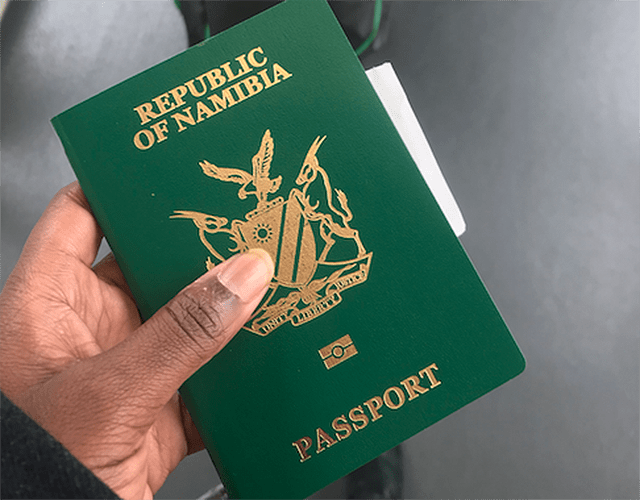
Once fully embraced by all Member States, the free movement of people within Africa is expected to have many important positive effects, including an increase in intra-African trade, commerce, and tourism; easier labour mobility; knowledge and skill sharing within Africa; the promotion of pan-African identity, social integration, and tourism; an improvement in trans-border infrastructure and shared development; the encouragement of an all-encompassing approach to border management; and the promotion of the rule of law, human rights, and shared development
Nationals of Namibia and Botswana will no longer require passports to travel between the two nations after the presidents of those nations decided to open their borders to one another.
The declaration was made at the opening ceremony of the Botswana-Namibia binational commission at the Gaborone International Convention Center by Namibian President Hage Geingob.

The answer is in the law and the governance models that these countries approach. The way in which the governments of those countries approach the mining industry is imperative.
In South Africa, the natural resource curse is more pronounced in the sense that while the mining sector has made a few individuals fabulously wealthy, inequality in that country has meant that while the richest of the rich get richer, the poor get poorer.
How can governments approach the mining sector to ensure its development leads to broad-based and shared prosperity for all? The answer is the same. The answer is in the respective governments and the legal frameworks for the mining industries of those countries.
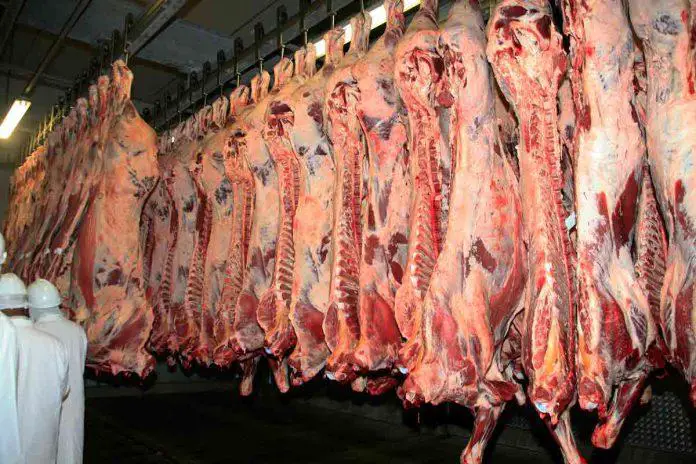
The detection of foot-and-mouth disease (FMD) in Botswana has sent shockwaves through the livestock sector and for good reason. FMD…
The Mining Indaba Professional conference 2022 is set to take place from May 9th to May 12th in Cape Town,…
While tech has presented an avenue to create jobs, supply isn’t catching up with demand. Additionally, the continent’s best talents are leaving in droves to foreign companies in the U.S, Canada, the U.K., and Germany.
AltShcool Africa founded by Adewale Yusuf, Akintunde Sultan and Opeyemi Awoyemi last October in Nigeria, has already received more than 8,000 applications for its software engineering program which starts in April.
These applications come from 19 countries (including 14 African countries) and Yusuf said the company received the most entries from Nigeria, Ghana, Uganda, Kenya and Botswana.
Even though the country knows that diamonds are a finite resource, it still holds the world’s richest mine and is the biggest producer of gem diamonds. The country has become something of a role model for good development, powered by diamond mining.
20 percent of Botswana’s gross domestic product comes from this one commodity.
It propelled the country from the second poorest country in the world in 1966, at US$70 per person per year, to a middle-income country in 2021. Botswana estimates the diamond economy will start dropping in 2030.