

Trending
- 2026 is turning out as a defining year in geopolitics, but for whom?
- Bitcoin Surges 20%: How Crypto Holders Are Exploring Cloud Mining Income in 2026
- Saudi Arabia and Tanzania pledge to deepen bilateral trade ties
- Tanzania rewrites its digital investment playbook
- Ethical sourcing boosting demand for Tanzania organic cotton
- DRC deploys 70,000 Ebola vaccine doses in high-stakes trial against deadly Bundibugyo strain
- Kenya’s private sector optimistic on growth despite inflation and geopolitical risks
- AfDB and Standard Bank ink $332 million social bond deal to fund South African SMEs


Browsing: Climate change
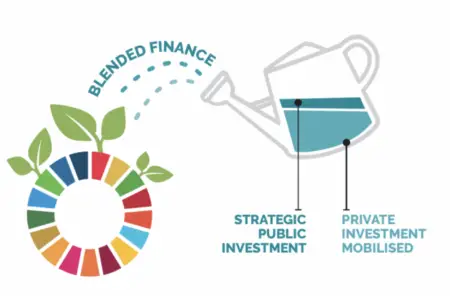
With its immense potential and vast resources, Africa stands at a critical point in its economic growth path. While the continent has promising economic prospects, it also has significant challenges that have impeded growth. A concept known as “blended finance” has gained popularity in recent years as a viable answer to assist governments in overcoming economic challenges. As a result, it is vital to look into what blended finance is, how African economies can leverage its benefits and its crucial role in supporting sustained growth across the continent.
A considerable gap exists between symbol and substance regarding an African climate change approach. Foreign leaders often nod to how Africa accounts for only four per cent of global emissions but bears the brunt of the devastating climate change effects. Rising temperatures, extreme weather conditions, and ecosystem disruptions threaten millions of Africans’ livelihoods.
For many communities across the continent, the climate threat is already existential. With 18 per cent of the global population, Africa has 16 of the 20 countries most vulnerable to climate change, according to Notre Dame Global Adaptation Initiative.
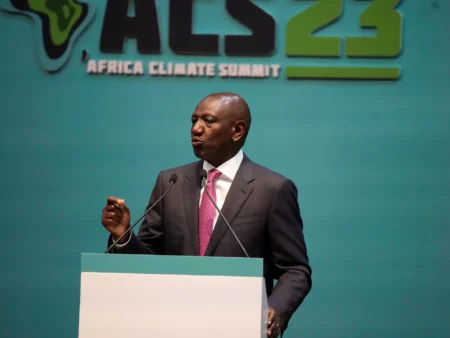
The Africa Climate Summit 2023 seeks to foster collaborative efforts in addressing the pressing climate crisis. Ahead of the summit,…
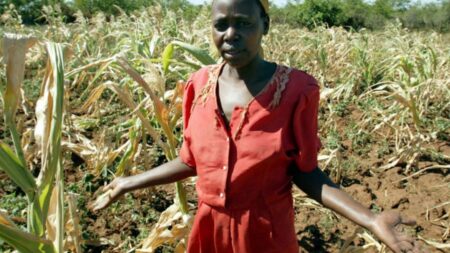
Currently, East Africa is reeling from the effects of the worst drought on record; extreme heat is ravaging northern Africa…
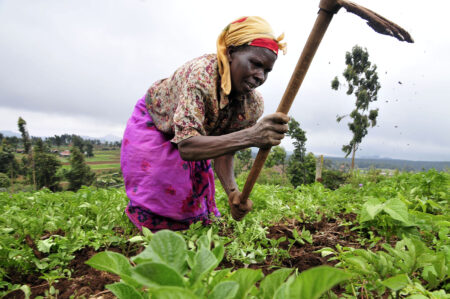
The insurance sector has progressively curated products to cushion the different aspects of living, individuals and corporations. As such, agricultural insurance has been identified as an essential tool in assisting farmers, herders, and governments to mitigate some negative financial impacts of adverse natural events. Many countries have used insurance to help manage agricultural risks. The usefulness of agricultural insurance in risk mitigation is not in question.
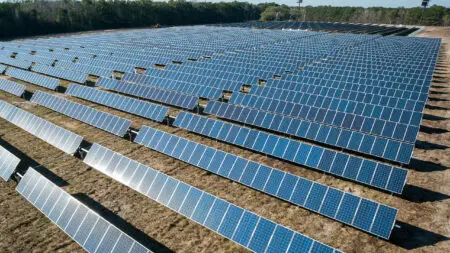
Globally, it’s time to usher in an era of sustainable resource management, embrace green practices, or face the risk of…

Egypt’s Nile River Delta is the cornerstone of North Africa’s economy. Boasting a pivotal role in Egypt’s GDP, its fisheries, aquaculture, agriculture, and tourism sectors contribute an impressive 20 per cent to the nation’s economic output.
The Nile River Delta, a verdant stretch spanning 240 kilometers along Egypt’s northern Mediterranean coast, holds a unique significance. Occupying merely 2 per cent to 3 per cent of the country’s landmass, the Delta is home to four out of 10 people living in Egypt today.

Africa’s nuclear energy sector has undergone quite a transformation, with multiple governments moving past traditional energy sources to new, greener, and more sustainable ones. Nuclear energy has been a hot topic for most governments, with countries such as South Africa and Uganda releasing project plans for nuclear power plants. In recent news, Tanzania shocked the globe by revealing its nuclear energy plans at the Second Russia-Africa Summit. With these new developments, Tanzania has cast the die stating its intent to outpace its peers and dominate the upcoming era of technology.
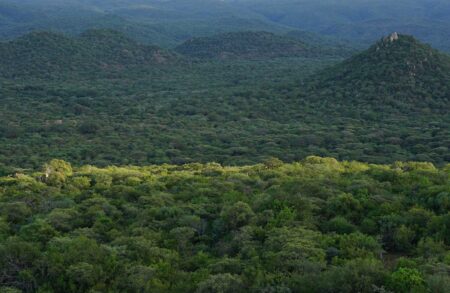
Therefore, carbon trading—producing and selling carbon offsets is becoming a new, lucrative, and transformative business in Tanzania. At least 20 companies are venturing into climate action-inspired business, pouring over $20 billion worth of investment.
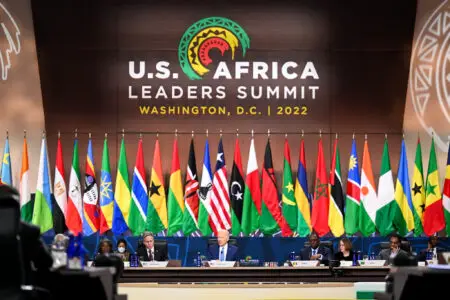
In recent years, Africa has emerged as a promising destination for global investment, with its vast natural resources, expanding consumer markets, and growing middle class. As the continent’s economies continue to strengthen and diversify, global players increasingly recognise the potential for mutually beneficial partnerships. The United States has significantly contributed to Africa’s economic transformation among these partners.