

Trending
- VALR sets sights on East Africa as blockchain moves deeper into Africa’s financial system
- The cost of the data gap: Why Kenya’s lenders can’t afford to miss the full picture
- Tanzania takes EAC labour migration helm as regional rules face overhaul
- 2026 is turning out as a defining year in geopolitics, but for whom?
- Saudi Arabia and Tanzania pledge to deepen bilateral trade ties
- Tanzania rewrites its digital investment playbook
- Ethical sourcing boosting demand for Tanzania organic cotton
- DRC deploys 70,000 Ebola vaccine doses in high-stakes trial against deadly Bundibugyo strain


Browsing: Digital assets
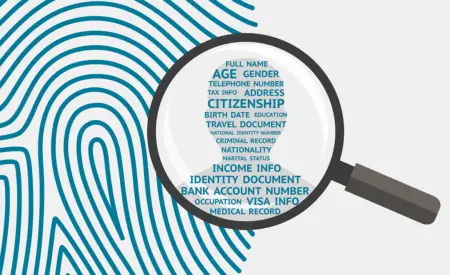
In the heart of Africa, a digital revolution is underway. As the continent stands on the cusp of an unprecedented digital transformation, a new currency is emerging, not in the form of coins or notes but in the unique digital footprints of its people. Digital identities, once an abstract concept, are now becoming the gold standard for Africans, especially in the professional realm.
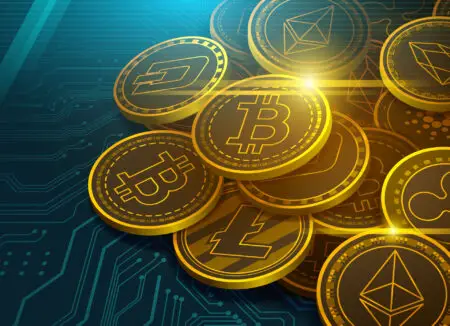
However, integrating cryptocurrencies with conventional financial systems becomes increasingly essential as they become more commonplace. This presents several obstacles to overcome before cryptocurrencies can realise their full potential. For instance, traditional institutions may be hesitant to work with cryptocurrencies due to concerns about money laundering and other illicit activities. Moreover, the technical difficulty of integrating cryptocurrencies with existing banking systems can prove intimidating.
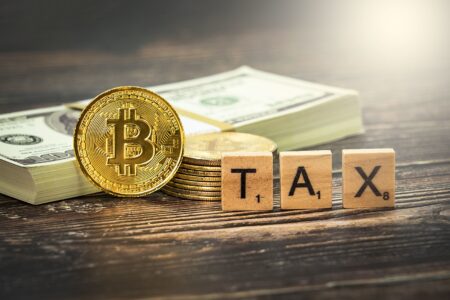
Digital assets have become increasingly important in business and commerce, given their growing adoption by institutions, businesses, and individuals globally. Thus, the impact of crypto assets on tax systems has become all but impossible to ignore. As the number of transactions involving crypto assets continues to rise, so does the need for governments to establish a clear policy on taxing such transactions. In such a context, the absence of a deliberate policy position is a policy decision with consequences for tax systems.

More than half of some of the world’s wealthiest individuals are managing their wealth and making changes to their investment…
Non-Fungible Tokens (NFTs) are the new opportunity for anyone with anything they can monetise and an access to the internet to reap the benefits of minting money on the World Wide Web.
NFTs are “One of a kind” digital assets that can be traded like any other piece of property, but NFTs do not exist in any tangible form. It is possible to think of virtual or real assets as tokens that may be exchanged for tokens.
Therefore, an NFT is a digital title for a piece of content that may be sold on auction sites but is non-returnable because it is unique and irreplaceable. Because of this, its value fluctuates and it is useless as a means of exchange. Cryptocurrency and blockchain are the foundations of NFTs.