
Trending
- Silicon Valley’s Tim Draper backs Nairobi blockchain festival, sees Africa as next digital frontier
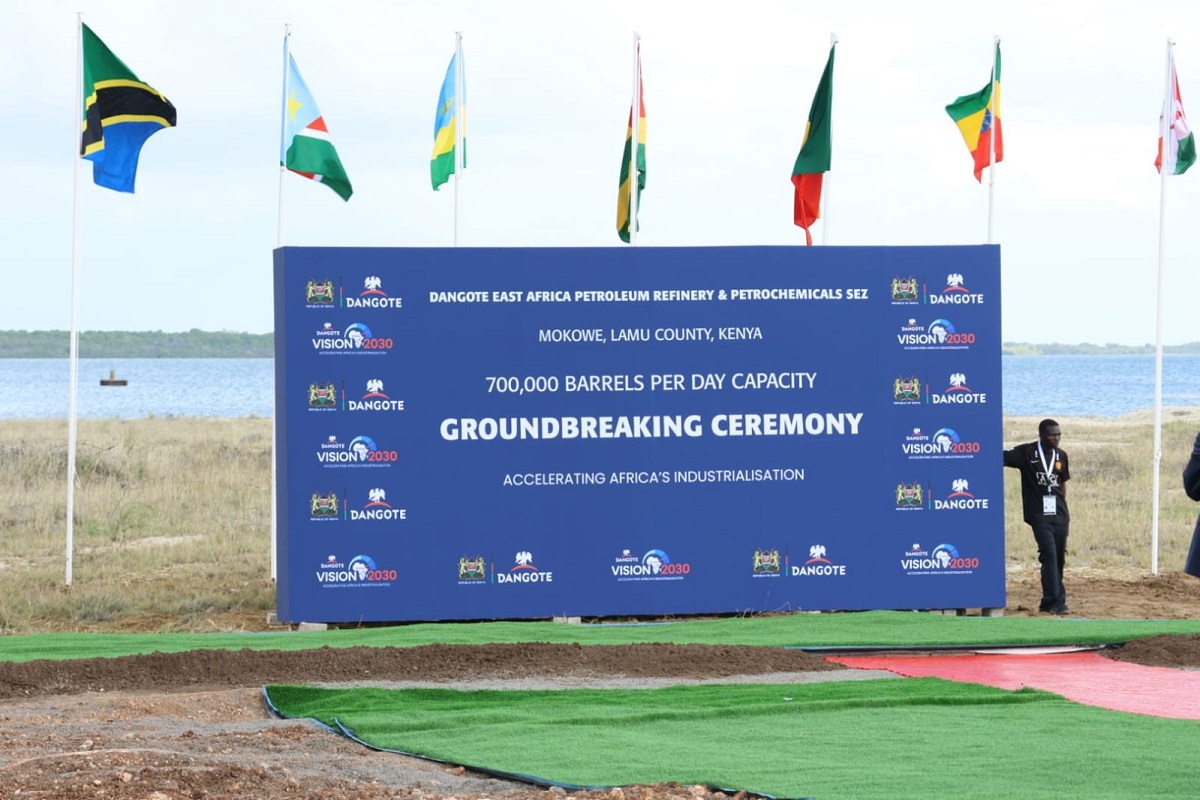
- Dangote breaks ground on $16bn Lamu refinery as East Africa seeks fuel independence
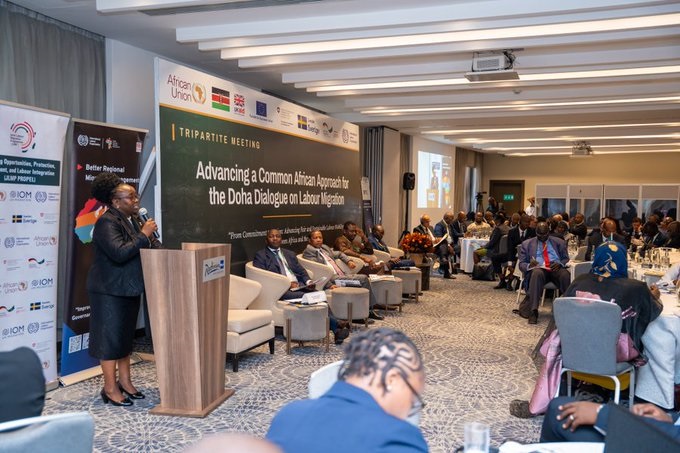
- Gulf and African states meet in Dar to rewrite rules of labour migration
- African governments drive new forest finance progress as global report warns funding globally must scale faster
- Fine Spinners eyes Kenya’s Agoa-backed apparel supply chain with $5m plant
- Why young Kenyan investors need to stop treating the stock market like a betting slip
- Tanzania tax reforms mandate VAT refunds to under 30 days
- In New York, world leaders unveil plan to overhaul global health architecture


Browsing: Egypt
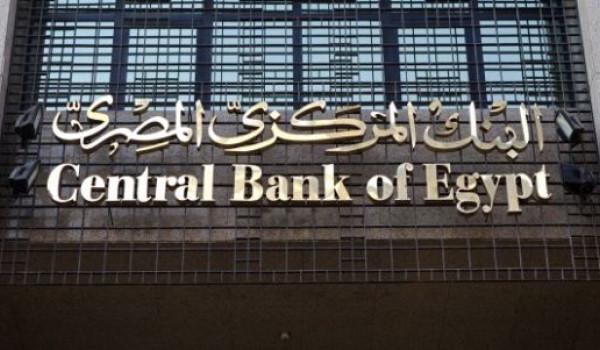
The CBE also announced in a statement that it will begin a process of phasing out Letters of credit (LCs) for import finance by December 2022.
Egyptian Prime Minister Mostafa Madbouly announced an exceptional bonus to public employees and pensioners of the state administrative apparatus and state-affiliated companies at a value of EGP 300 to meet the cost of living. The government also froze household electricity prices through June 2023.
The National bank of Egypt (NBE) issued new three-year-maturity saving certificates with an annual yield of 17.25 per cent.
Banque Misr also has raised the annual yield of the three-year saving certificates to 17.25 per cent.
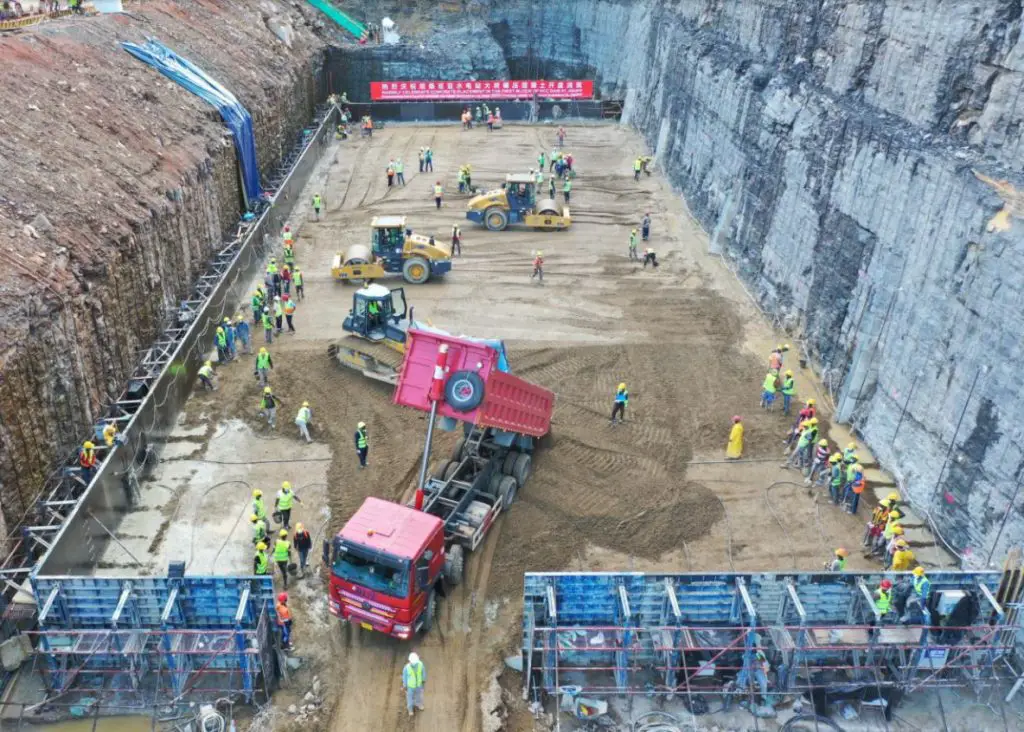
The Julius Nyerere Hydropower dam is an ambitious energy project and one of its kind across East Africa, with the capacity to generate 2,115 megawatts. The project cost $2.6 billion and is currently the most significant contract handled by Egyptian companies in Africa.
In August, it was reported by the Tanzanian Minister of Energy, January Makamba, that construction of the dam reached 67.18 per cent. The real work on the ground kickstarted in December 2018, which spanned out Tanzania’s government’s ambition to enrich its energy capacity from all fronts.
Further, the dam is 131 meters high and 1,025 meters long at the summit. The constructors managed to complete the tasks 687 days after the diversion of the river in November 2020 (Tanzania Times).
Tanzania’s electricity generation is comprised of several sources. Hence the dam stands to vitalize power availability and change the state of installed capacity. At least 48 per cent of Tanzania’s electricity is from natural gas, 31 per cent from hydropower and 18 per cent from petrol.
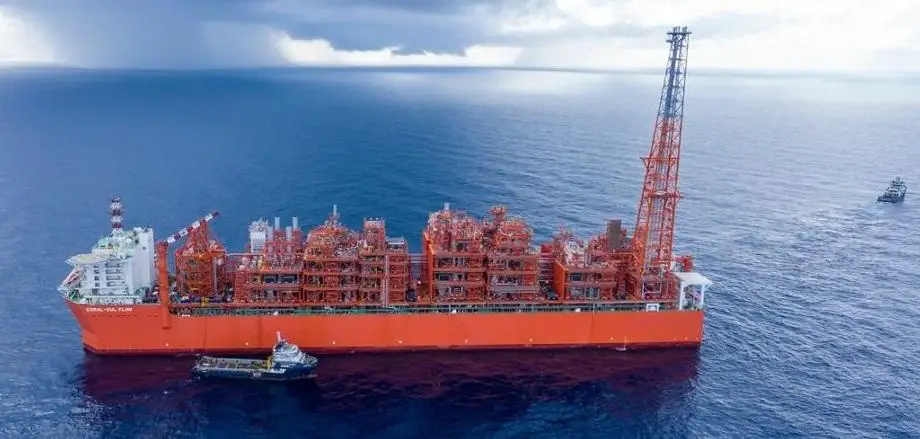
According to an article by Maritime Executive published August 17, 2022, since May Senegal and Germany have been working together to fast-track the completion of the BP-led Greater Tortue Ahmeyim (GTA) LNG project. The offshore field straddles the border between Senegal and Mauritania and is set to produce 2.5 million tons of LNG in the first phase. Plans call for output to double to 5 million tons in the second phase.
Earlier, Kosmos Energy, which is developing the GTA field with BP, said phase one is 80 percent complete. Senegal is now reporting that it will be ready to export its first LNG cargo to Europe in 2024 when production at Tortue Gas project is scheduled to start.
“Senegal will be able to sell its quota to Europe, especially Germany already, in the second half of 2024,” Mamadou Fall Kane, deputy permanent secretary of COZ-Petrogas, the government committee that monitors and develops oil and gas projects, told Bloomberg.
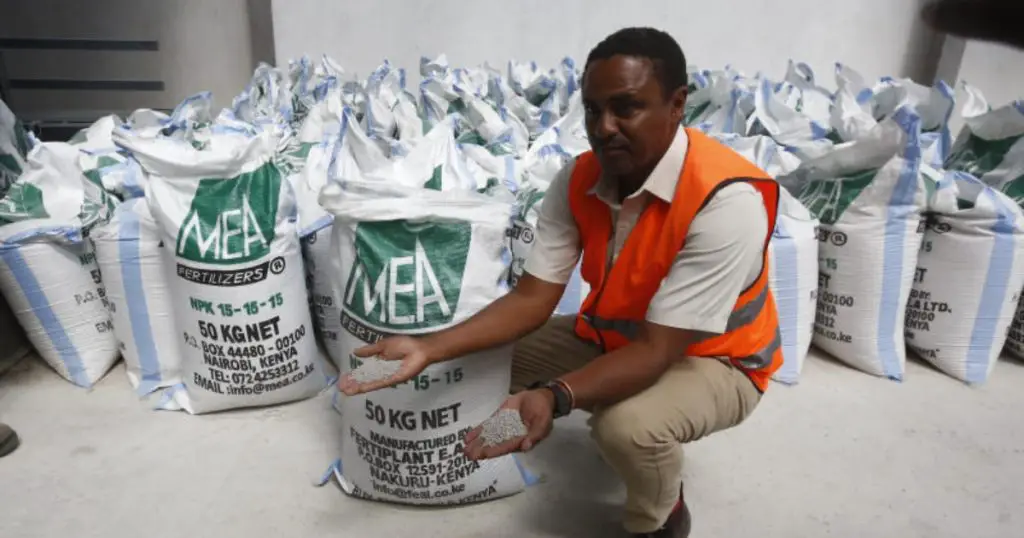
The African Fertiliser and Agribusiness Partnership (AFAP) notes that over 40 per cent of African soils face nutrient depletion because…
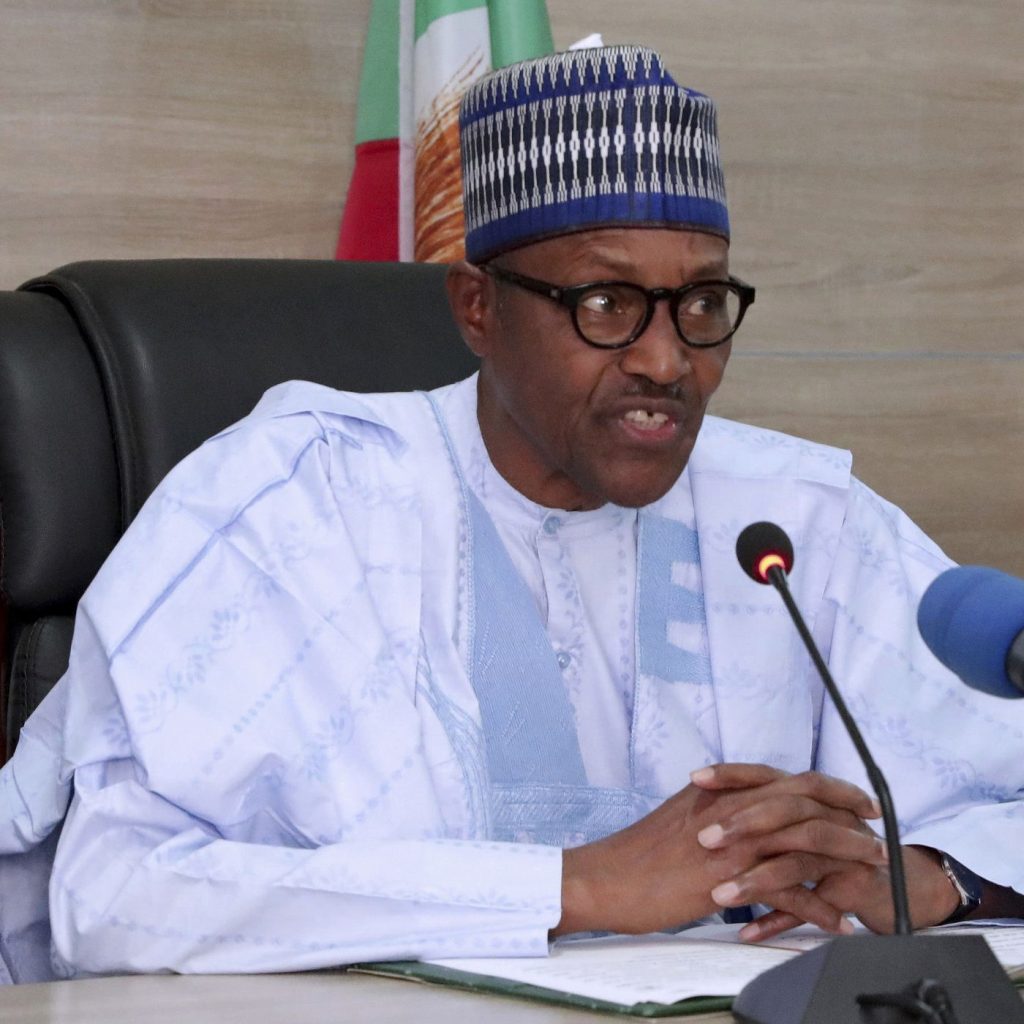
According to the United Nations Environment Programme (UNEP), the continent holds 30 per cent of the world’s mineral reserves Despite…
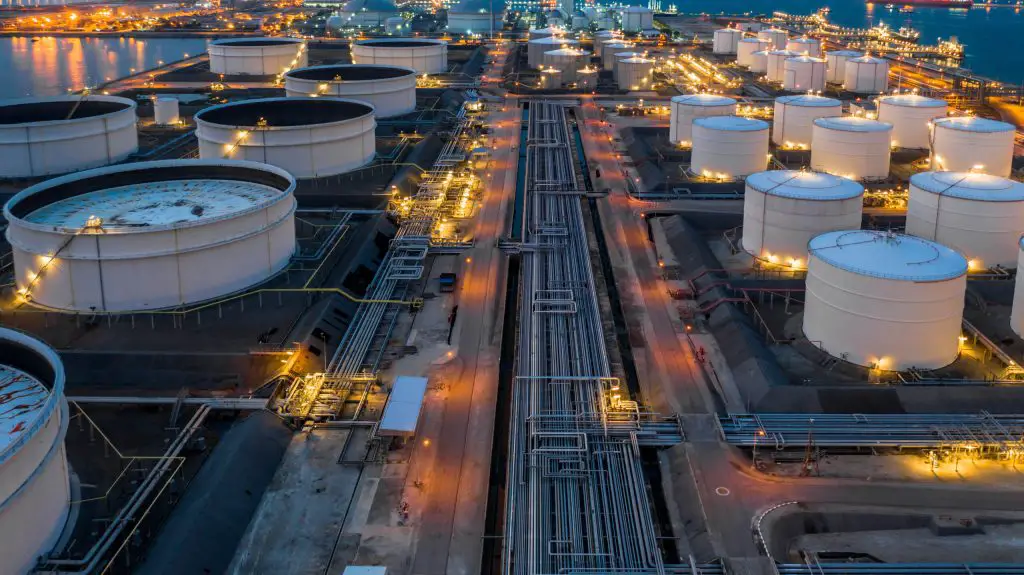
The European Union has imposed restrictions, including a partial oil embargo on Russia. The sanctions will see the E.U. ban seaborne imports of Russian crude oil by the end of 2022. Additionally, petroleum product imports would stand prohibited by early 2023. European Commission President Ursula von der Leyen reiterates the E.U. plans to reduce reliance on Russian fossil resources by 2027.
Because of the European Union’s political determination to minimize its reliance on Russia in response to Moscow’s invasion of Ukraine, the E.U. is now searching for alternative suppliers. The search implies that suppliers such as Africa’s underdeveloped frontier energy markets may discover new energy markets in Europe. Optimism remains high since it is clear the E.U. no longer rely on Russian gas. Russia has for years remained a primary gas supplier in Europe.
Dangote also plans to launch an oil refinery that would produce 650,000 barrels per day. Currently, the Dangote Group is the second-largest employer in Nigeria after the federal government, and a new plant is a tremendous opportunity to replace Russian fertilizer imports with African jobs that create warehousing, transport, and logistics infrastructure that help to reduce poverty.
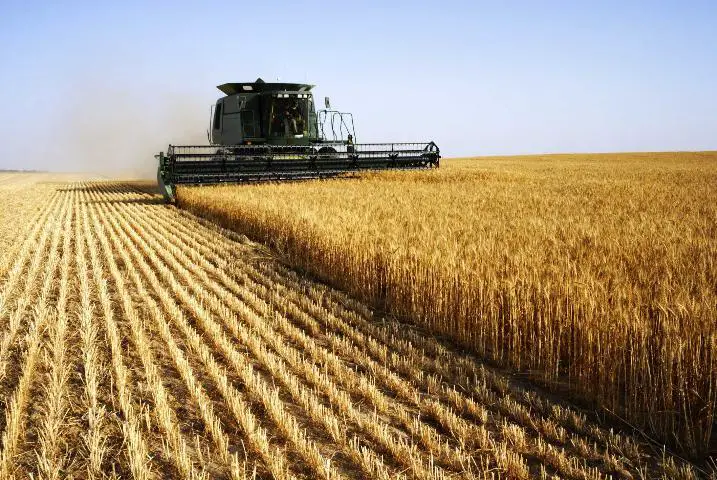
Global wheat, sunflower, and oil crude prices have soared to unprecedented levels. Africa is heavily reliant on food imports from both countries, and the Continent is already experiencing price shocks and disruptions in the supply chain of these commodities.
Over the past decade, the Continent has seen growing demand for cereal crops, including wheat and sunflower, which has been mainly supported by imports than local production. Africa’s wheat imports increased by 68 per cent between 2007 to 2019, surging to 47 million tonnes.

The Africa Green Hydrogen Alliance targets accelerating the transition from fossil fuels overreliance that has made the continent reluctant, as…

The African firm which provides shared transportation services for both intracity and intercity movement acquired the Turkish firm at around…
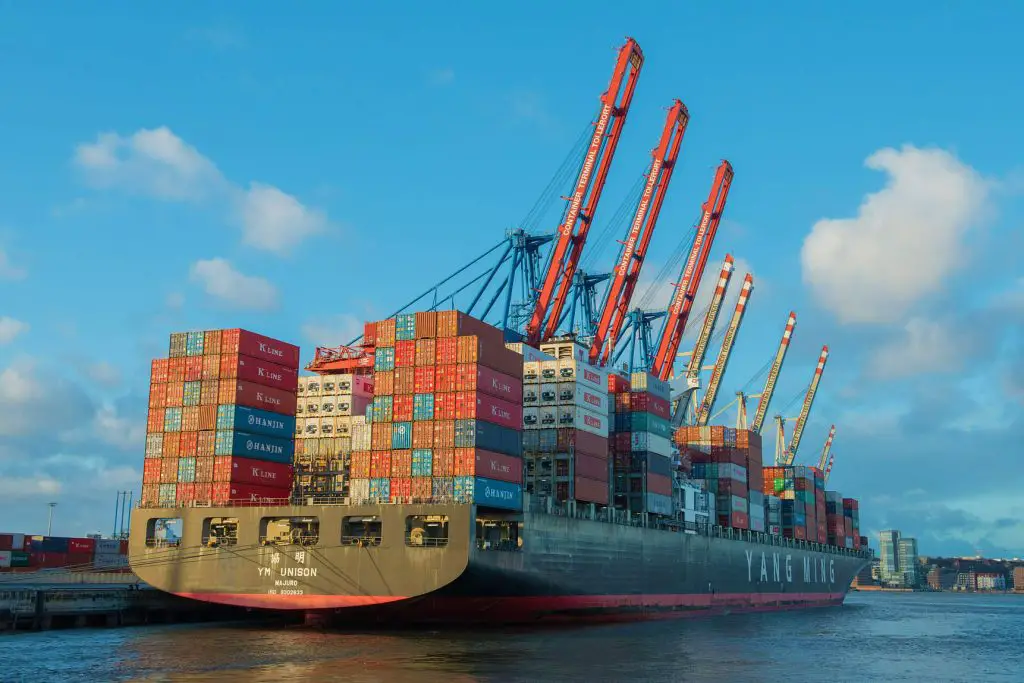
The head of the Export Council for Engineering Industries, Sherif El Sayyad said that the highest hike in the sector’s history led the engineering industry’s exports to reach US$3 billion, compared to US$2.1 billion in the corresponding period in 2020.
The exports were distributed globally, with Europe accounting for 48 per cent (US$1.4 billion), Asia US$951 million, Africa $535 million, while South America and North America together contributed to a total of $77 million in exports.
Egypt’s engineering products have increased their exports to countries like the United Kingdom, Slovakia, France, Germany, Spain, the Czech Republic, Saudi Arabia, UAE, Iraq, Jordan, Kuwait and Lebanon. In Africa, Egypt’s engineering products importers include Morocco, Algeria, Libya, and Ghana.