
Trending
- Silicon Valley’s Tim Draper backs Nairobi blockchain festival, sees Africa as next digital frontier
- Dangote breaks ground on $16bn Lamu refinery as East Africa seeks fuel independence
- Gulf and African states meet in Dar to rewrite rules of labour migration
- African governments drive new forest finance progress as global report warns funding globally must scale faster
- Fine Spinners eyes Kenya’s Agoa-backed apparel supply chain with $5m plant
- Why young Kenyan investors need to stop treating the stock market like a betting slip
- Tanzania tax reforms mandate VAT refunds to under 30 days
- In New York, world leaders unveil plan to overhaul global health architecture


Browsing: Egypt
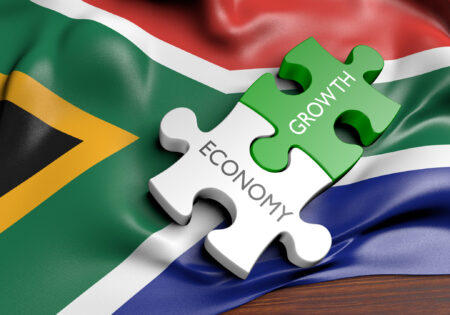
South Africa is set to topple Nigeria and Egypt as Africa’s biggest economy in 2024. This is according to forecasts from the International Monetary Fund. According to IMF’s World Economic Outlook, South Africa’s gross domestic product will reach $401 billion per current price in 2024. On the other hand, Nigeria’s GDP will reach $395 billion, with Egypt’s GDP reaching $358 billion.
South Africa, the continent’s most industrialised nation, is expected to maintain the top spot as Africa’s biggest economy for only one year. In 2025, the country will again lag behind Nigeria and fall to third place behind Egypt a year later. This is according to the IMF’s World Economic Outlook, a report released last week.
Africa has a capacity of 125GW of hydrogen, second only to wind in terms of renewable energy. The Africa Green…
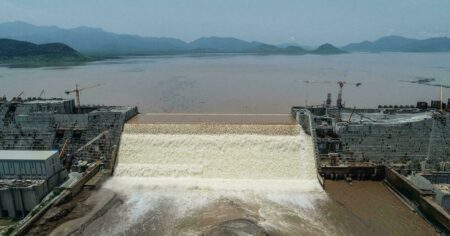
The Grand Ethiopian Renaissance Dam (GERD) impact on downstream nations Egypt and Sudan has turned the project into a geopolitical…

Africa’s e-mobility is gaining momentum, largely driven by the daunting climate change crisis, fueling the need to decarbonize transport systems. African countries remain in pursuit of e-mobility solutions and advancement to low-carbon economies. Africa’s endowment with minerals key to the global green transition offers a significant advantage.

Egypt’s Nile River Delta is the cornerstone of North Africa’s economy. Boasting a pivotal role in Egypt’s GDP, its fisheries, aquaculture, agriculture, and tourism sectors contribute an impressive 20 per cent to the nation’s economic output.
The Nile River Delta, a verdant stretch spanning 240 kilometers along Egypt’s northern Mediterranean coast, holds a unique significance. Occupying merely 2 per cent to 3 per cent of the country’s landmass, the Delta is home to four out of 10 people living in Egypt today.

Egypt has overtaken Nigeria by raising $540 million in tech startup funding in the year to June 2023. This year,…
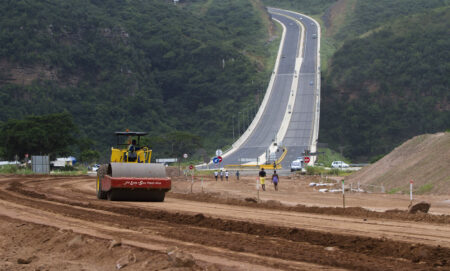
Population growth and economic development have necessitated speeding up and scaling up infrastructure development in Africa. Over 28 African nations have seen population growth of more than double in the last 30 years. The population of 26 other African countries will quadruple over the next 30 years. Consequently, funding for the continent’s infrastructure has become essential.
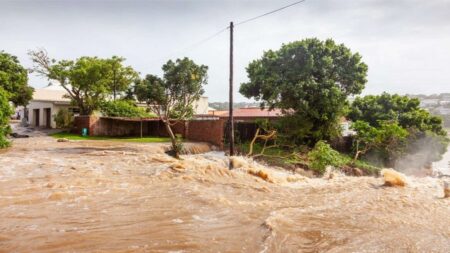
Lender AfDB is looking to harness global equity funds to finance climate change mitigation in Africa. AfDB statistics show that…
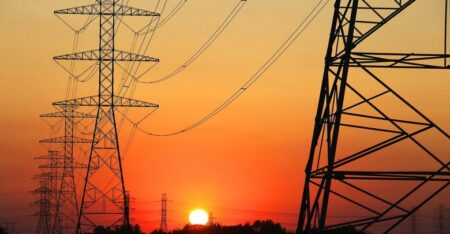
Zimbabwe is experiencing crippling power outages characterized by black-outs that can extend to as much as 19 hours a day.…
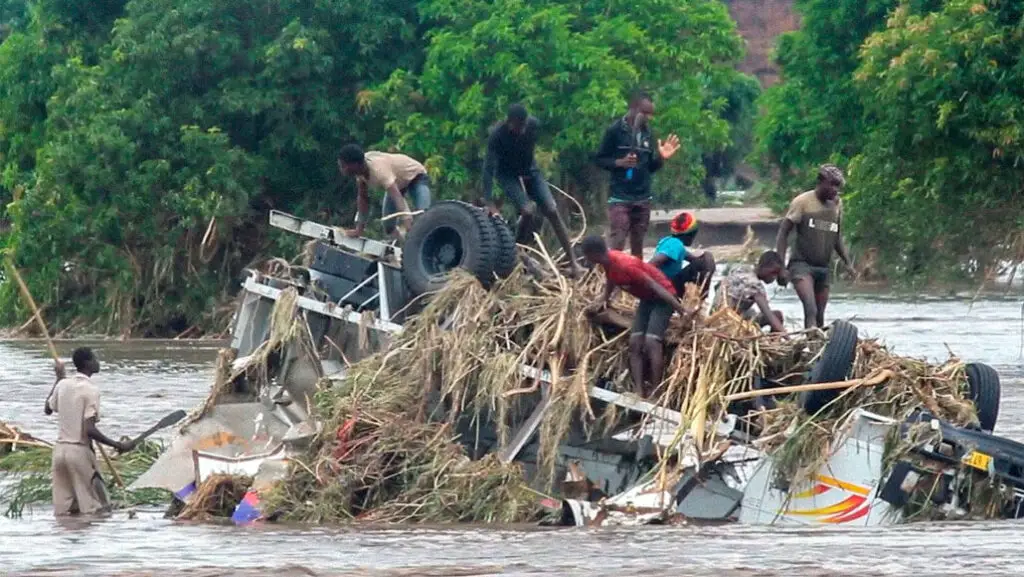
COP27 outcomes were far and few for Africa, yet the UN announced an Executive Action Plan for the Early Warning for All initiative, which calls for initial new targeted investments of US$3.1 billion between 2023 and 2027, which is equivalent to a cost of just 50 cents per person per year.
This warning system comes to address crucial issues of extreme weather conditions such as disaster risk knowledge, observations and forecasting, preparedness and response, and communication of early warnings.
A couple of the notable outcomes for Africa included the continent’s rainforest giant, the Democratic Republic of Congo (DRC) collaboration with Brazil and Indonesia, to launch a partnership to cooperate on forest preservation after a decade of on-off talks on a trilateral alliance.