Trending
- AfDB and Standard Bank ink $332 million social bond deal to fund South African SMEs
- Equity Group’s regional foray powers $351M H1 profit as Kenyan unit cedes dominance
- Absa Bank Kenya six-month net profit dips by 10% as loan rate cuts stance bites
- Banks in Africa move beyond digital transformation, injecting millions in AI and automation as fraud cases surge 30%
- Kenya to host Africa Blockchain Festival 2026 in October
- Africa Must Build Its Own Fertiliser Security
- Kenya’s diesel costs fell 24% in July but prices at the pump didn’t move a shilling. Why?
- CMA gives nod to seven new investment funds as Kenya’s product range expands


Browsing: Ghana
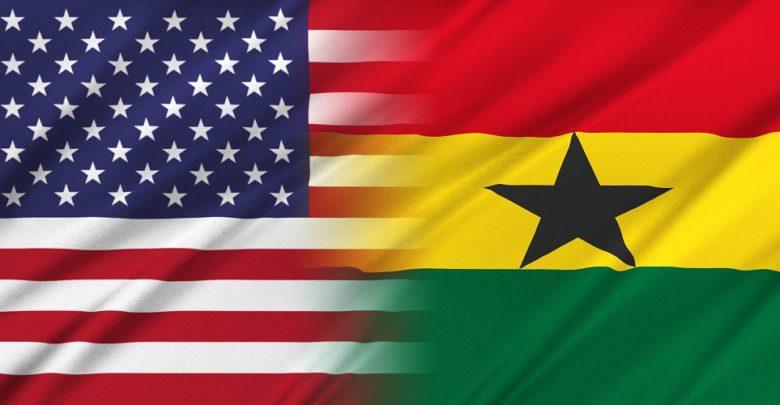
Many exports from Ghana to the US benefit from duty-free tariff preferences under the American Growth and Opportunity Act (AGOA) and the Generalized System of Preferences (GSP) programme. Exports from Ghana to the US that have enjoyed AGOA preferences include yams, apparel and cocoa (beans, powder or paste).
Ghana has exported US$131 million worth of yams to the US since 2012, avoiding a standard import duty of 6.4 per cent under AGOA. Cocoa exported to the US has amounted to US$2.5 billion over the last two decades.
Miss Rosa Whitaker, the President and the CEO of the Whitaker Group (TWG), is significant to the success of AGOA in Africa, facilitating the export of over 9,000 agricultural and manufactured goods to the United States.
Whitaker advocates for African countries to research what the US market is demanding and be alert to new opportunities. She pointed out the success of Ghana’s cocoa in the United States, saying that the processed cocoa powder manufactured at the US$100 million Cargill plant is now being offered to global food manufacturers under a made-in-Ghana label.
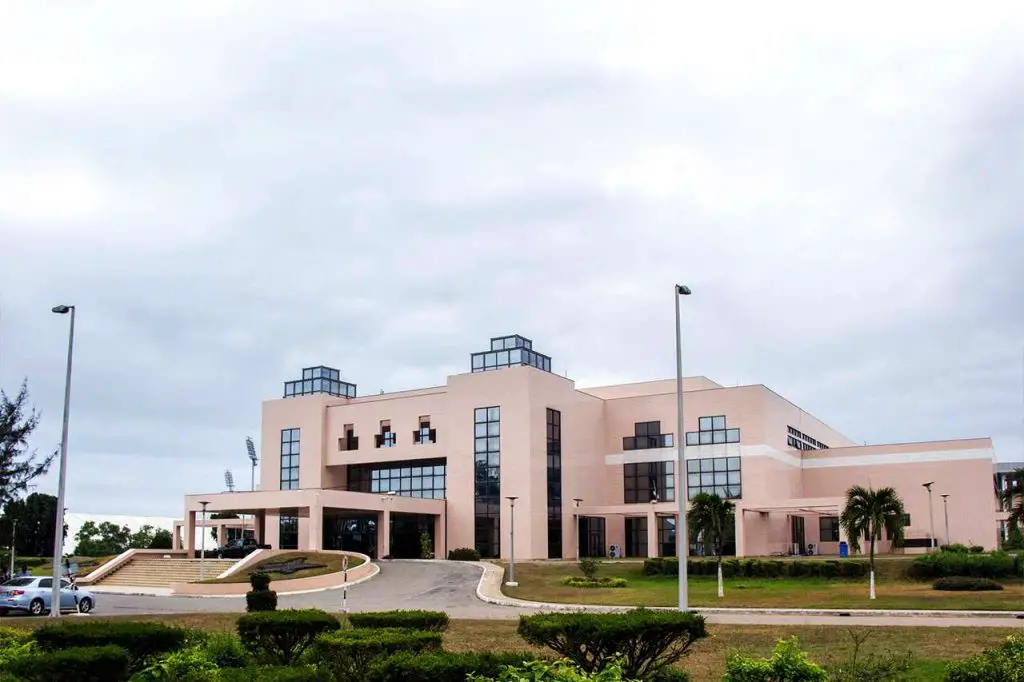
The annual meeting for the African Development Bank Group will be held in Accra, Ghana, from May 23-27, 2022 The…
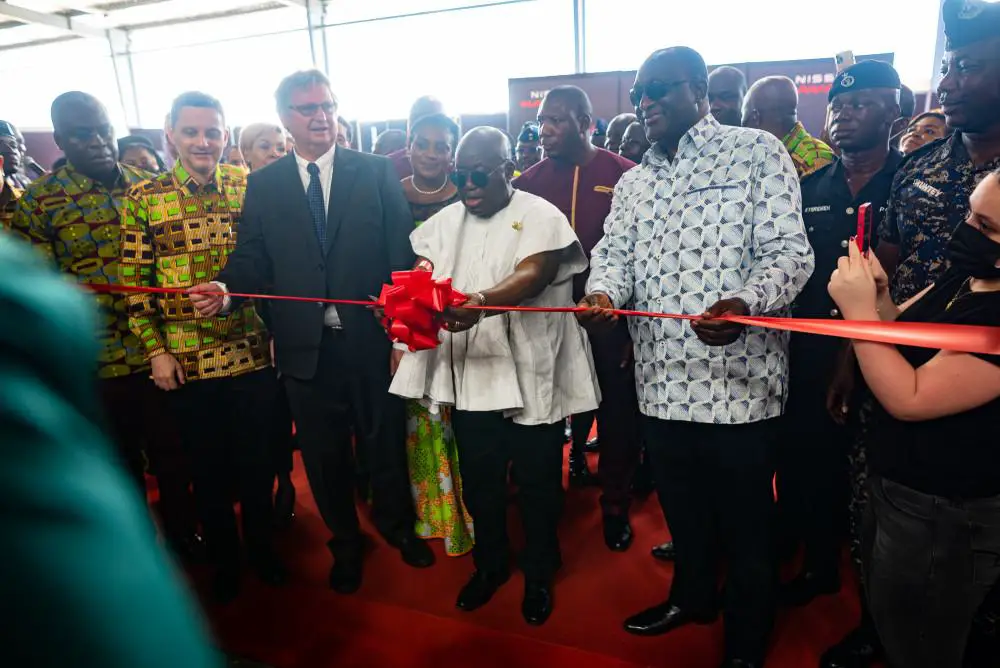
Nissan has opened a new state-of-the-art Navara assembly plant in Ghana This marks the second Nissan assembly plant after the…

There are twenty-two irrigations projects under GIDA, covering 6,505 hectares. Additionally, there are twenty-two schemes constructed under the Small Scale Irrigation Development Project (SSIDP) and six schemes under the (Small Farms Irrigation Project) SFIP.
The SSIDP and the SFIP projects are all less than 1,000 hectares in size, except for the Tono and Kpong Irrigation Projects, which have about 2,500 hectares and are overdeveloped.
The primary beneficiaries of the irrigation projects have been indigenous small-scale farmers. However, the outputs have not been very encouraging, and the lack of maintenance of the projects has rendered most of the schemes unproductive.
Moreover, 14 companies have been enlisted and have taken up more than 3,000 hectares of land to cultivate commercial farming operations.
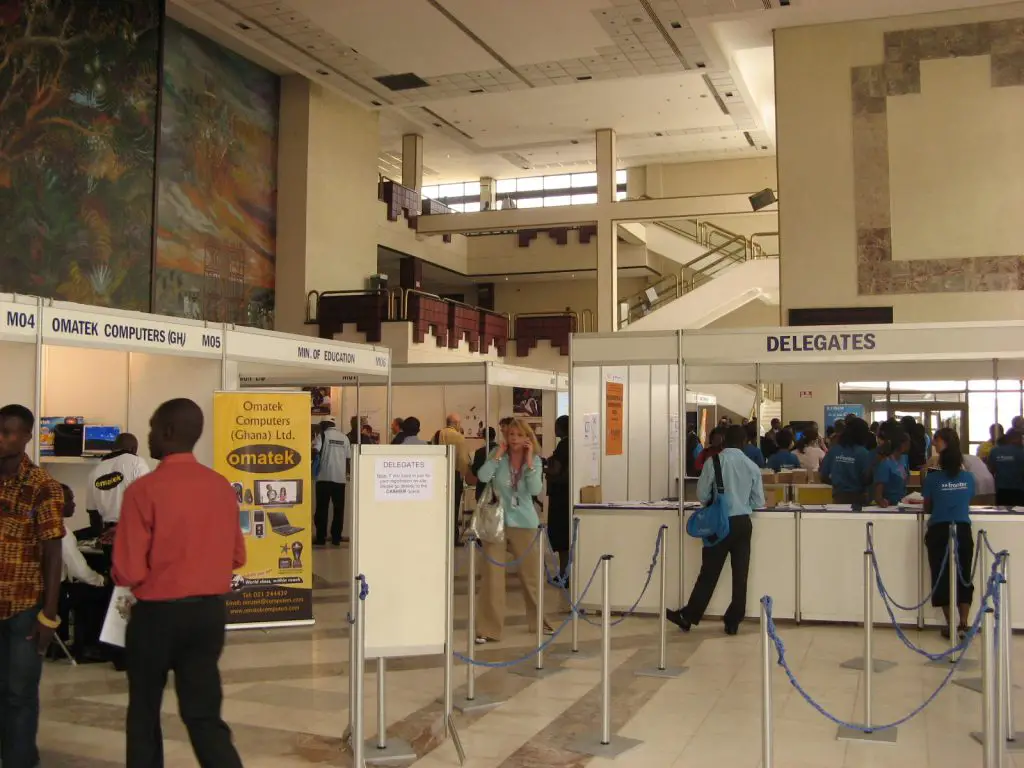
Thomas James, Agritech West Africa’s project director, said that the rising demand for food and the targeted food growth in Ghana and West Africa requires innovation and mechanization in agriculture patterns. This could be done by adopting new and modern agriculture technologies, machines, crop care practices, irrigation, warehousing and storage facilities.
Ghana has invested heavily in mechanisation in agriculture, importing Tractors, Spares, Implements, Agrochemicals and Irrigation setups worth US$1 billion. Annually, Ghana imports over 10,000 tractors and their associated implements and parts.
The seminars, pre-fixed meetings and conferences in the exhibition will help Ghanaian and West African agriculture-based companies an opportunity to network with manufacturers and suppliers from across the globe.
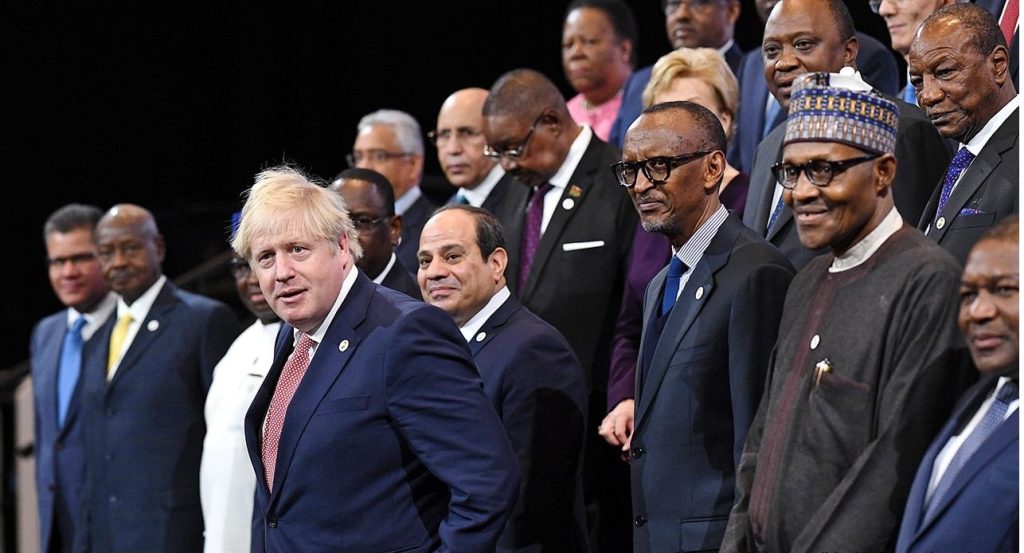
There were more than 3,000 delegates that participated in the conference this year, boosting trade and investment ties between the continent and the UK.
The UK government is also mobilizing support from the United Kingdom Export Finance (UKEF) to boost exports to Africa. Prime minister Boris Johnson’s administration, provided support worth US$3.04 billion in 2021.
In West Africa, the support has been directed towards a range of significant infrastructural projects, construction of major roads, environmental and social work, medical services and technological equipment.
The Vienna World Conference on Human Rights in 1993 was forced to address women’s rights as a human rights issues because of the violence and sexual abuse against women occurring in Yugoslavia at the time.
The Fourth International Women’s Conference was held in Beijing in 1995 made human rights and women’s participation in decision making at all levels key. One of the recommendations was for the countries to have gender desks in the Ministries, Departments and Agencies including Security Services. It cautioned against the specific establishment of Women’s Ministries as these would take gender issues to the periphery as that ministry would be saddled with all matters gender-related.
The conference also discussed the eradication of poverty, women in armed conflict and violence against women.
Norrsken22 plans on capitalizing on its general partners’ years of experience and investment philosophies to back startups in fintech, MedTech, Edtech, and market-enabling solutions such as B2B marketplaces and inventory management businesses.
Kolbe, whose previous firm Actis backed Egyptian fintech giant Fawry in 2019 as it prepared to go public, said Norrsken would look at Egypt ‘opportunistically.’
Deals from the country that may be of interest to the firm will be those planning an expansion into the four markets Norrsken22 is currently keen on, including Nigeria, Ghana, Kenya and South Africa.
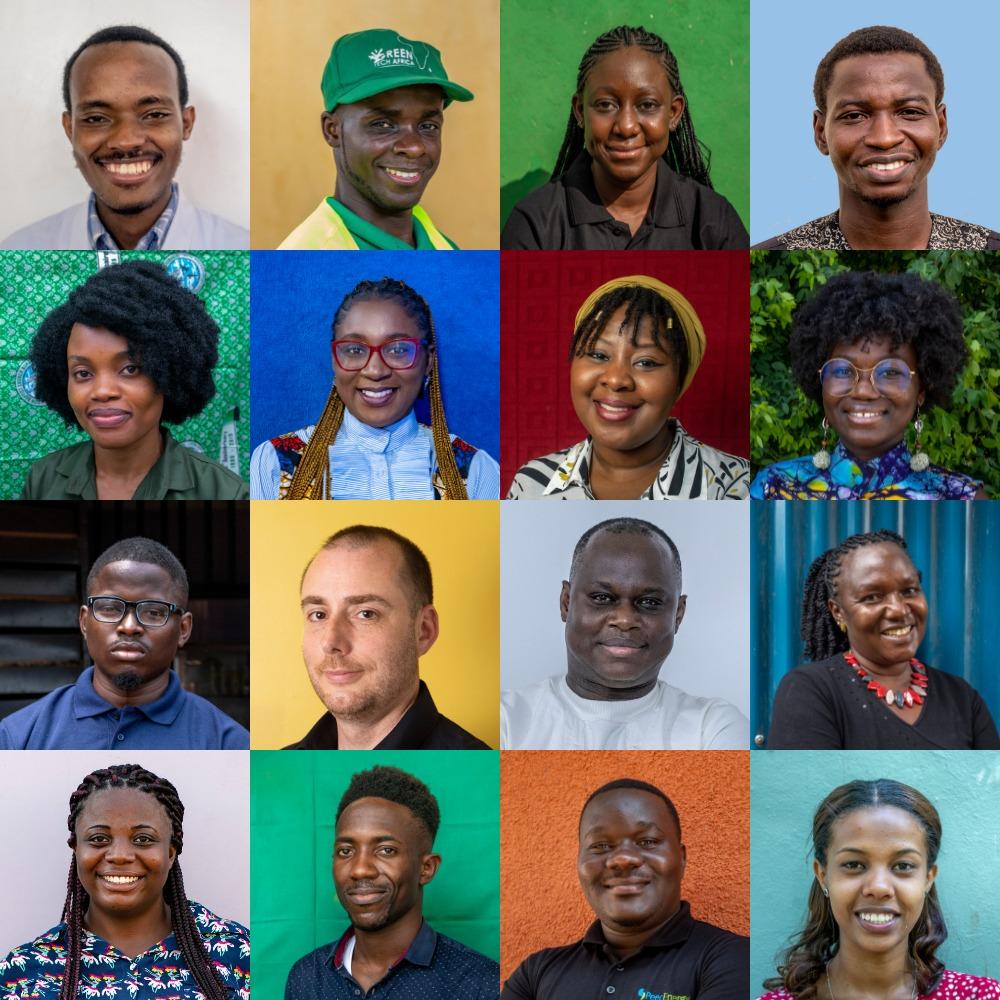
The programme will facilitate access to the Royal Academy’s global network of experienced, high-profile and business experts, in addition to access to the alumni network upon completion of the programme.
Moreover, 2022 is the programme’s second consecutive year to render a digital experience, with rigorous support provided through person-to-person and group discussions.
Four finalists will pitch their revised and improved innovations and business plans to the judges in the presence of a live audience.
The main objective of the bloc is to promote economic interdependence and cooperation among member states to raise the living standards and encourage economic development.
Exportation in Mali is already feeling the pressure of the political instability in the country. Exports reduced from CFA552.39 billion in the first quarter of 2021 to CFA495.87 billion in the second quarter.
Mali lists among the poorest nations in the world. According to the 2021 Index of Economic Freedom, absence of property protection rights and a transparent and honest judicial system, and the higher degree of corruption tolerance makes it impossible to achieve greater economic freedom in the country.