Trending
- AfDB and Standard Bank ink $332 million social bond deal to fund South African SMEs
- Equity Group’s regional foray powers $351M H1 profit as Kenyan unit cedes dominance
- Absa Bank Kenya six-month net profit dips by 10% as loan rate cuts stance bites
- Banks in Africa move beyond digital transformation, injecting millions in AI and automation as fraud cases surge 30%
- Kenya to host Africa Blockchain Festival 2026 in October
- Africa Must Build Its Own Fertiliser Security
- Kenya’s diesel costs fell 24% in July but prices at the pump didn’t move a shilling. Why?
- CMA gives nod to seven new investment funds as Kenya’s product range expands


Browsing: Ghana
Ghana finds itself in the classic emerging market trap. This comes from owing too much in someone else’s currency when the global economic tide turns. One ought not to read too much into an emerging economy getting creative with money or to confuse the confiscation of private assets with a more conventional process of fiscal retrenchment that would gain IMF approval. If the plan succeeds, Ghana may have saved itself from an economic meltdown, especially in a period widely considered as economic turmoil, per the World Bank’s analysis of the 2023 economy.
The reason farmers are forced to buy seeds is that projects like AGRA take away traditional organic seeds by giving subsidized GMO seeds, which cannot be replanted hence after harvest, the farmers must buy new batches of seeds to replant the next season.
In effect, forcing the farmers to rely on new purchases of seeds every year means the peasants are unwittingly caught in a cycle of dependency and poverty, for that matter.
Worse still, projects like AGRA that claims to introduce ‘modern agriculture technologies’ focus on using chemical-based fertilizers and pesticides and also push for monoculture, which locks the farmers in the dependency cycle; they have to buy more fertilizers to keep their lands productive, and they have to buy the same pesticides because of monoculture.
It is for such reasons that last year, AFSA released an open letter with over 200 signatories alleging that AGRA did not increase the productivity or incomes of farmers nor did it reduce food insecurity.

Big cap stocks are far more profitable with ROE’s of 67 per cent compared to 21 per cent for mid cap stocks. Further, their stock market returns are superior to mid-cap stocks.
Nestle Nigeria had the highest on Return on Equity of 215.4 per cent with a share price at 1,215.00 NGN. While, International Breweries had the lowest Return on Equity of a negative 2.5 per cent with a share price at 4.95 NGN as of September 30, 2022.
Nestle Nigeria Plc listed on the Nigerian Stock Exchange is a food manufacturing and marketing company in Nigeria and a subsidiary of the largest food and beverage company in the world. The company produces an extensive range of products for the retail and wholesale sectors.
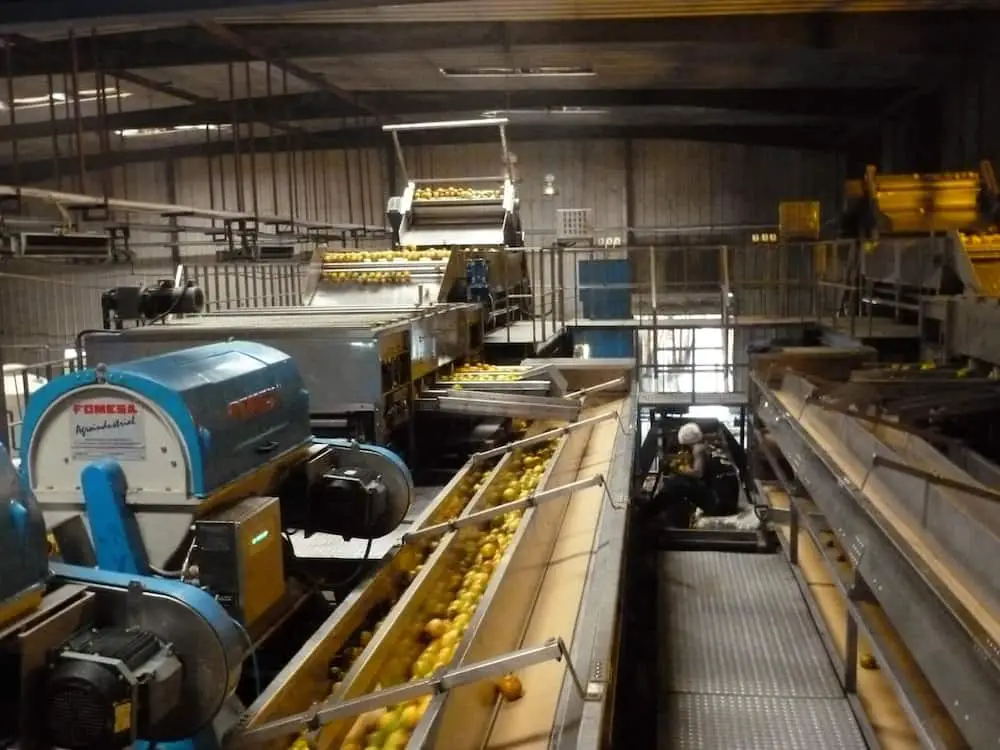
Ghana competes in the global economy primarily using natural resources. Other than the usual exports of cocoa, gold, lumber, and crude oil, Ghana has a competitive advantage in numerous product categories. Increasing the proportion of high-income commodities in the export basket hastens economic transition.
The opportunity is providing better, economically advantageous items to regional and worldwide markets. Cocoa processing, wood processing, aluminium products, palm oil, food and agro-processing, and fish processing are examples of manufacturing sub-sectors that fit these two requirements.
Manufacturing subsectors that capture considerable proportions of manufacturing value-added, such as food and drinks, chemicals, and textiles, have significant technology, knowledge, and skills inherent in them. These assets can be used to produce additional goods within the sub-sector or even outside of it. It is also easier to go up the value chain after you have mastered relevant technologies and markets.
To have only 3 of the eligible countries in Africa signing up for the initiative is tragic especially given the global economic environment of the world presently. A crippling sovereign crisis is looming on the African horizon. Catalysts of the crisis include a strong United States dollar which has been resurgent during the year.
Debt on the on the books of most African countries is denominated in the greenback and its strength will have an adverse impact on their public finances and their ability to service their loan obligations timeously.
This problem is further compounded by rising interest rates which are certain to make the cost of debt that much more expensive for countries that already cannot afford to be overextended financially.
The debt of most African countries is in the hands of private creditors who in recent time have become as important as their multilateral counterparts. These private creditors are less likely to be concessionary in terms of discussions around restructuring of debts.
Ghana’s case specifically plays out with the dramatic effect consistent with a Shakespearean tragedy. The west African nation ironically is a darling of the West in terms of foreign direct investment. Yet, its debt levels have breached what multilateral institutions consider to be sustainable. A painful irony in the case of Ghana is that it was offered the opportunity to renegotiate the terms of its debts through the World Bank’s Debt Service Suspension Initiative. However, Ghana did not elect to participate.
A second painful irony is that Ghana, this time around, does not owe most of its debts to multilateral institutions like the International Monetary Fund or the World Bank. It owes the bulk of its debt to private lenders like the world’s largest asset manager Black Rock, and its has expressed that it has no interest in renegotiating the terms of Ghana’s sovereign debt.
If Ghana had borrowed from the multilateral institutions mentioned formerly, it would have the scope to renegotiate its loans as these institutions tend to be more conciliatory and concessionary in their dealings with borrowers, unlike the private lenders who are driven by the profit motive and the need to create value for shareholders.
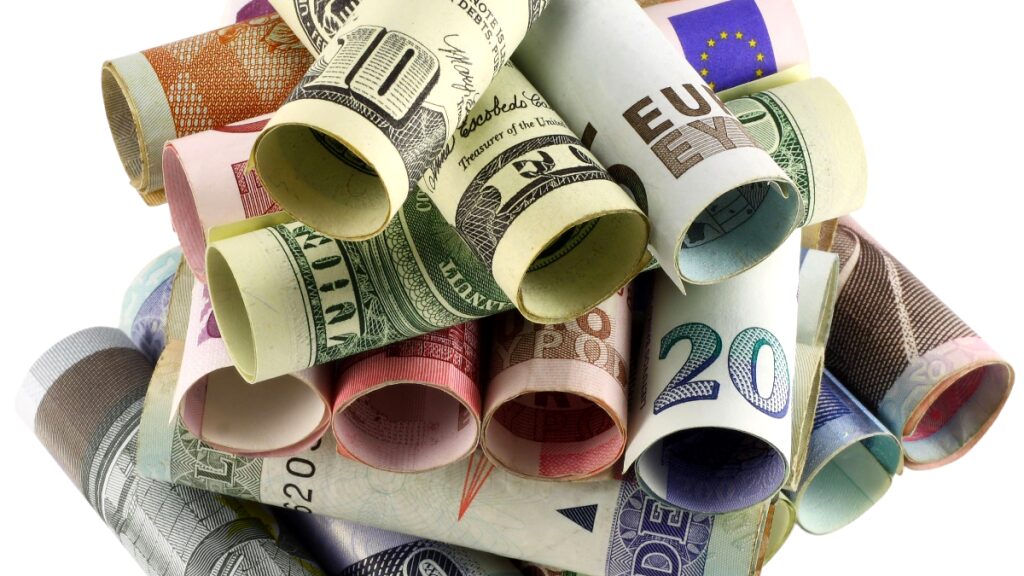
A currency crisis is defined as a quick and abrupt depreciation of a country’s currency. Currency depreciation goes in tandem with turbulent markets and a loss of confidence in the country’s economy. Historically, crises have arisen when market expectations induce significant movements in the value of currencies.
The global economy is now in turmoil. As the world economy enters another era of a currency crisis, the value of the US dollar keeps rising. Over half of all international trade is billed in dollars. A stronger dollar thus hurts consumers globally, particularly in Africa, who rely on dollars to pay for imports.
The US Federal Reserve’s hawkish approach to increasing interest rates more aggressively than central banks in other major countries has contributed to the dollar’s appreciation. The fact that investors generally see the dollar as a “safe haven” asset during times of economic turmoil has added to its resilience.
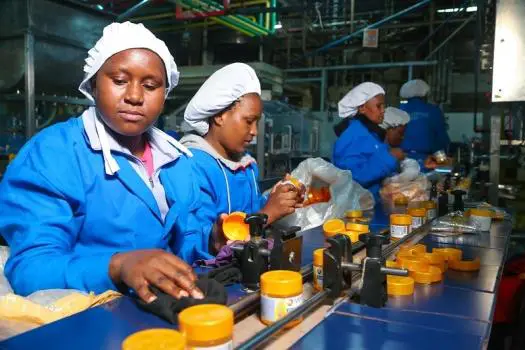
The AfCFTA Agreement has been signed by 54 African nations thus far. Among them, 46 tariff proposals have been filed, including one by the Customs Union. Furthermore, 29 tariff proposals are technically validated for trade.
Under the Rules of Origin discussions, 87.7% of import tariffs have been settled, while phase two consultations on Investment, Intellectual Property Rights, Competition Policy, Women and Youth in Trade, and Digital Trade are underway.
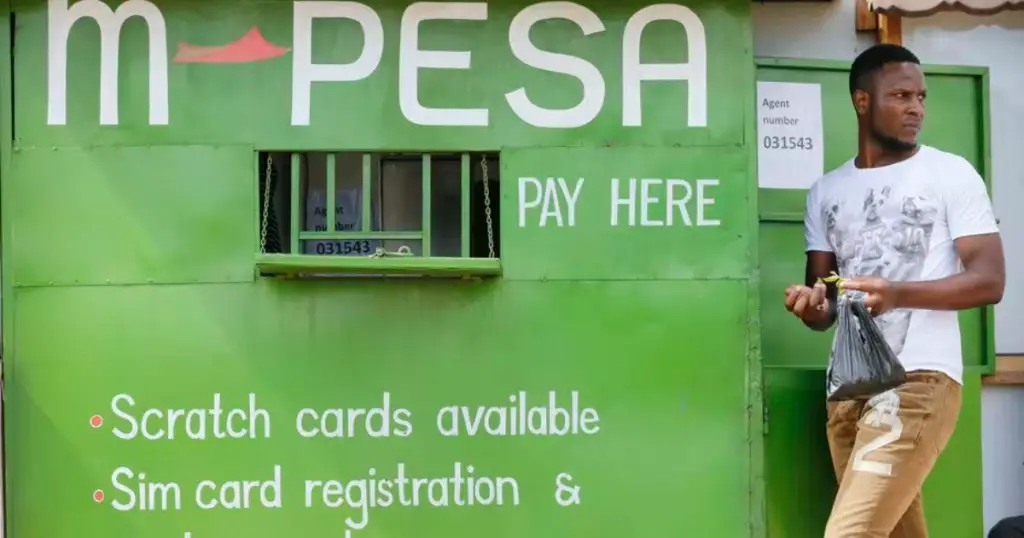
The report noted that the value of Africa’s mobile money transactions increased from US$495 billion in 2020 to US$701.4 billion in 2021. Research by American firm Boston Consulting Group (BCG) affirmed that Kenya and Ghana are ranked second and third in mobile payment usage globally after China, the world’s most populated country.
During the period under review, transactions through mobile wallets and phones were the equivalent of 87 per cent of Gross Domestic Product (GDP) in Kenya and 82 per cent in Ghana.
The International Monetary Fund (IMF) and the World Bank ranked Ghana as the fastest-growing mobile money market. That was not the case in 2009 when mobile money services were launched in the West African country. At that time, 70 per cent of Ghana’s population had no access to bank services, while approximately 35 per cent of citizens owned mobile phones.
Among the ways that the colonizers slowed down the growth and unity of Africa is through the demarcation of boundaries 60 years ago. These boundaries gave birth to over 41 different currencies on the continent that have complicated intra-African trade.
The continent uses over 5 billion dollars in currency conversion, monies that could have been directed to other economic development projects. African countries’ attempts to form a common regional currency have proven futile precisely because of all the frameworks of laws that need to be revised and harmonized in the different countries.