
Trending
- Silicon Valley’s Tim Draper backs Nairobi blockchain festival, sees Africa as next digital frontier
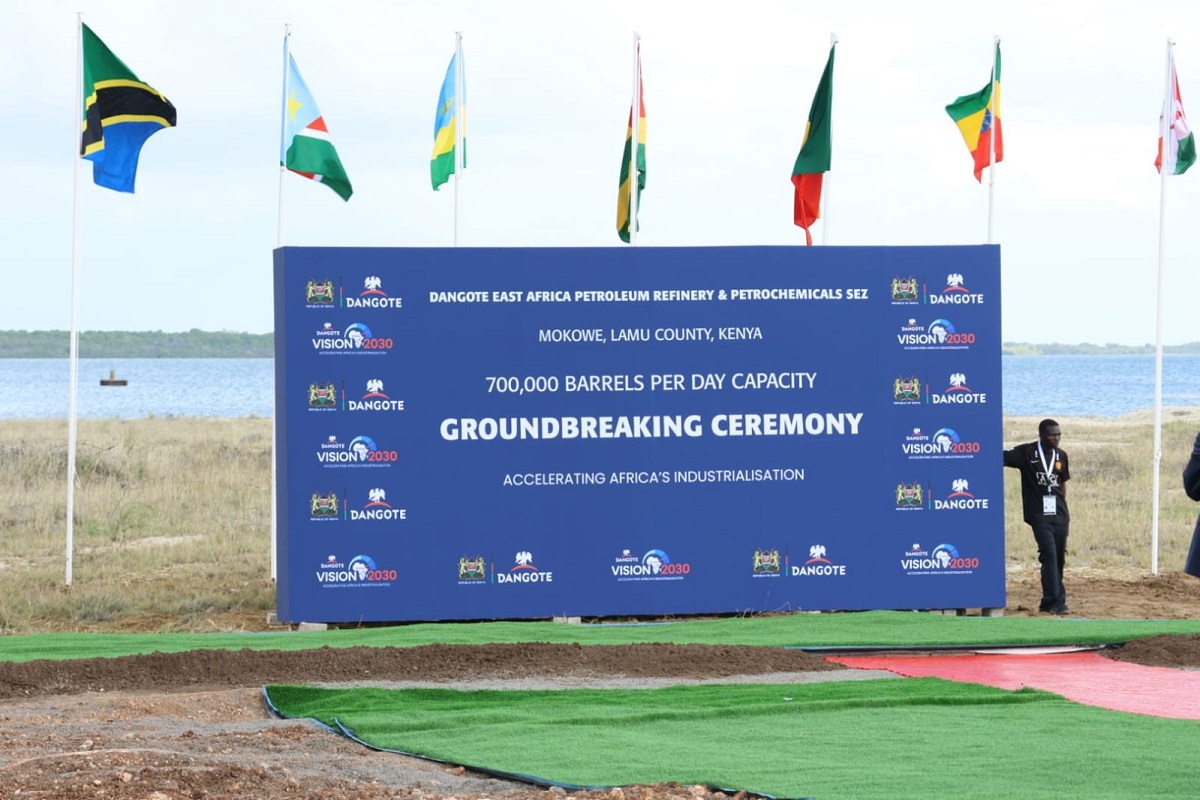
- Dangote breaks ground on $16bn Lamu refinery as East Africa seeks fuel independence
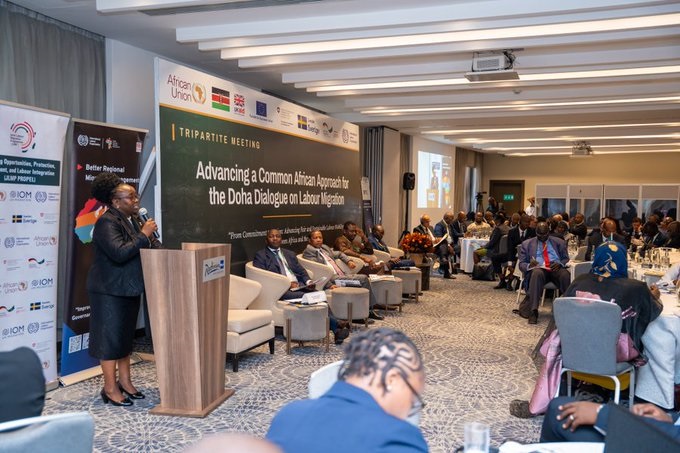
- Gulf and African states meet in Dar to rewrite rules of labour migration
- African governments drive new forest finance progress as global report warns funding globally must scale faster
- Fine Spinners eyes Kenya’s Agoa-backed apparel supply chain with $5m plant
- Why young Kenyan investors need to stop treating the stock market like a betting slip
- Tanzania tax reforms mandate VAT refunds to under 30 days
- In New York, world leaders unveil plan to overhaul global health architecture


Browsing: IMF
The rising commodity prices, surging inflationary pressures, and the contracting global financial situation have risked African trade and production capabilities. Moreover, the rising threat of sovereign defaults poses a severe risk to the growth of African trade. Thus, African trade prospects remain unclear, considering the challenging global economic scenario.
The Covid-19, energy and food shortages have hit with the countries having minimal or no policy space to respond. As a result, African countries have fallen into a real risk of debt distress and even possibilities for sovereign debt default.
In terms of foreign exchange reserves, according to HM Treasury, Britain has net official reserves of US$ 114 billion whereas it plans to embark on an economic plan to pull itself out of the stagflation quagmire by spending no less than US$ 173 billion dollars. If Britain were to use all its foreign exchange reserves to meet the cost of its economic plan it would run short of money and still have a deficit of US$ 59 billion dollars before fully implementing its plan.
Fair enough and granted, governments do not always have to spend cash that they have on hand. They can always borrow if they do not have sufficient cash to finance their operations.
Herein is the problem, the current economic environment does not support borrowing either by individuals, households, or governments. The cost of borrowing is just simply too high either by domestic debt or foreign debt. The Bank of England in acting against rising inflation has been raising interest rates. This translates to higher borrowing costs and reduced inflation.
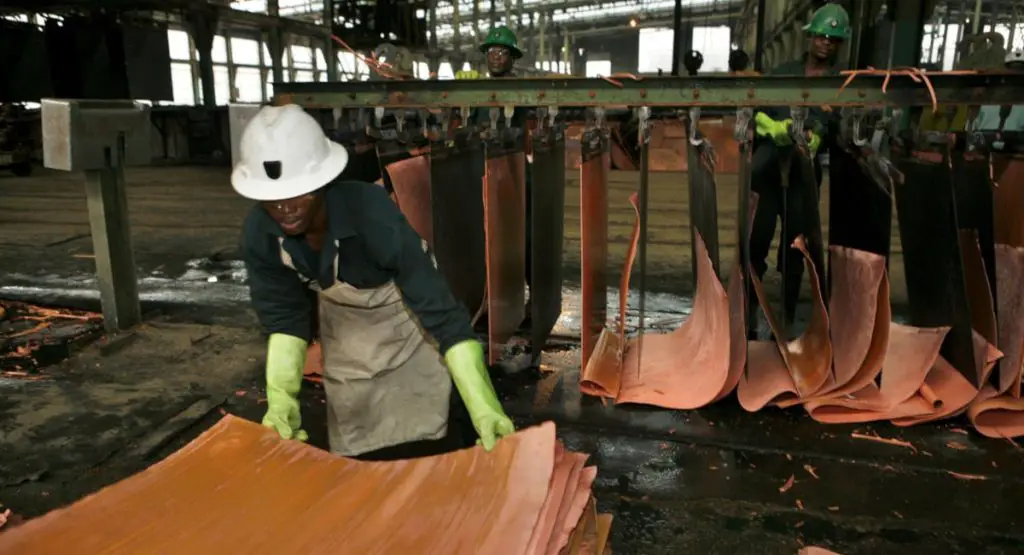
The fastest growing export markets for raw copper of Zambia between 2019 and 2020 were Singapore (US$325 million), Switzerland (US$119 million), and Namibia (US$105 million).
Lowering mining energy tariffs would further help to restore the competitiveness of Zambia’s copper exports, and Zambia’s Chamber of Mines has been arguing for this too.
The outcome of debt restructuring with international creditors and negotiations for a new IMF programme are likely to determine how quickly and confidently the government can move ahead with such reforms.
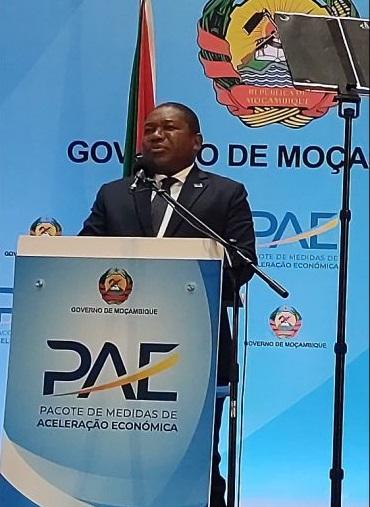
The PAE – Economic Acceleration Stimulus Package consists of 22 measures divided into two sets of reforms, the first being fiscal and economic stimulus and the second the improvement of its business environment, transparency, governance, and the acceleration of strategic infrastructure.
The fiscal and economic stimulus interventions include the reduction of selected taxes with a direct impact on the main productive sectors.
The measures announced lower the IRPC from 32 per cent to 10 per cent in agriculture, aquaculture, and public transport, and VAT from 17 per cent to 16 per cent and include a VAT exemption on imports for agriculture and electrification to boost renewable energy.
The Mozambican head of state also signalled the introduction of tax incentives for new investments over the next three years but did not mention the rates of these incentives.

In September last year, the government started making quarterly token payments of $100,000 to each of the 16 Paris Club creditors as it sought ways to extinguish the mounting debt.
As of the end of May, Zimbabwe had made $8 million in token payments to multilateral banks and $4.8 million to the Paris Club creditors.
The article added that Zimbabwe is already defaulting on active loans from China, which is affecting the disbursement of funds for ongoing projects, the debt management office said in the report.

African countries have started recovering from the effects of the COVID-19 pandemic after most economies shrunk due to the crisis.
The continent is home to over a billion people who live in low, lower-middle, upper-middle, and high-income countries.
The economy in the Sub-Saharan Africa (SSA) region is projected to expand by 3.6 per cent in 2022, down from 4 per cent in 2021, according to World Bank.

The most significant concern is Africa’s susceptibility to growing inflation in developed and developing economies, given the continent’s reliance on imports.
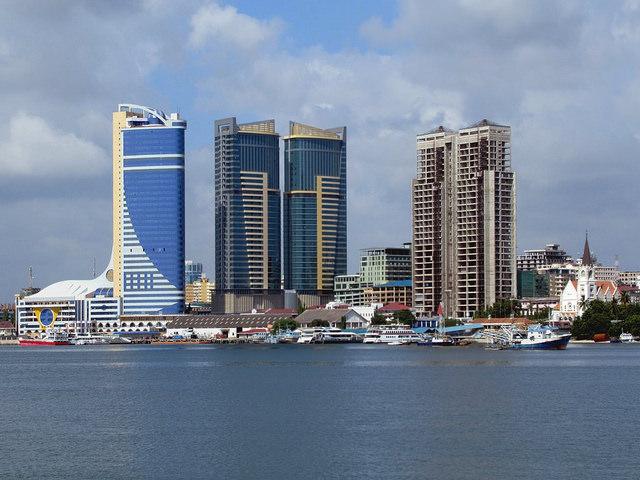
Further, the IMF argued that the ECF arrangement for Tanzania supports government priorities, strengthening fiscal space for much-needed social spending and high-yield public investment, resuming and advancing the authorities’ structural reform agenda and strengthening financial deepening and stability.
Moreover, the IMF statement noted that “the ECF arrangement is centred on supporting the economic recovery from the scarring effects of Covid-19 and coping with spillovers from the war in Ukraine; preserving macroeconomic stability, and advancing the structural reform agenda toward sustainable and inclusive growth.”
On a broader scale, the IMF’s financial support goes after levitating Tanzania’s essential priorities.
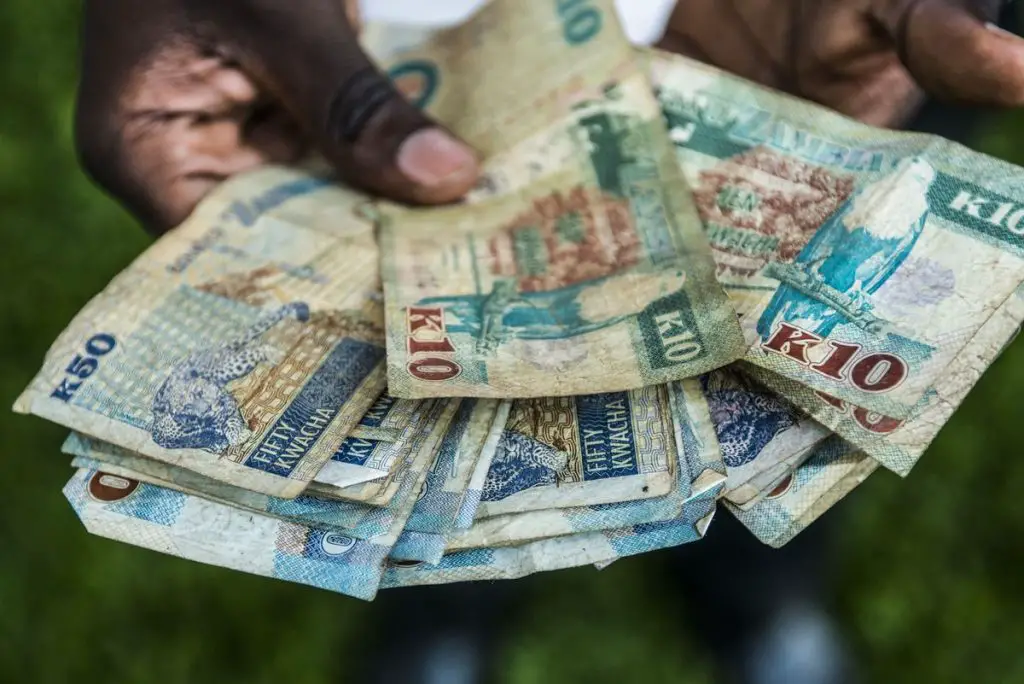
Zambia is Africa’s largest copper producer, which is one of the reasons it has one of the strongest currencies on the continent. The country possesses abundant natural resources, and because copper is the most prevalent metal, copper mining is carried out on a massive scale. This provides Zambia with a significant rise in foreign currency earnings from the sale of metals to other countries.
Bscholarly notes that the value of a currency is significant because it determines the economic performance of a country. This has a direct impact on a currency’s demand on the global market. Exchange rates compare one currency to another and provide an overview of a currency’s strength in the global marketplace. According to financial analysts, factors like interest rates, economic policies, and stability determine the strength of any currency.
Mining liberalization, a debt restructuring programme following default on debt repayments in 2020, and high commodity prices have also had a positive impact on the performance of the local currency.
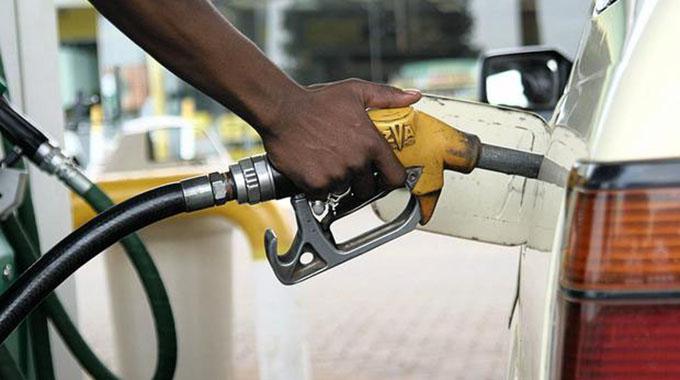
According to an article by Newsday dated May 2, 2022, Zimbabwe’s fuel consumption increased to almost 1,2 billion litres during the 11 months to November last year, compared to just over one billion litres in 2020, data from the energy regulator showed.
In its market update, Zera said the country guzzled 1 152 198 301 litres during the period, 10% more than the 1 035 624 744 litres used during the same period in 2020.
Zimbabwe now has the highest fuel prices, not only in the Southern African Development Community (SADC) but also on the African continent according to globalpetrolprices.com.
In the same article, Consumer Council of Zimbabwe (CCZ) spokesperson Chris Kamba expressed concern over the impact of the fuel hike on consumers.