


Trending
- Africa Blockchain Festival ignites a new dawn for African innovation
- Africa’s gaming market set to quadruple to $4 billion, defying global slowdown
- Tanzania throws its bond market wide open to the global investors
- VALR sets sights on East Africa as blockchain moves deeper into Africa’s financial system
- The cost of the data gap: Why Kenya’s lenders can’t afford to miss the full picture
- Tanzania takes EAC labour migration helm as regional rules face overhaul
- 2026 is turning out as a defining year in geopolitics, but for whom?
- Saudi Arabia and Tanzania pledge to deepen bilateral trade ties


Browsing: inflation
If you received your salary on the 1st of January in ZWL, you would struggle to pay for goods and services in February. This volatile situation results in consumers seeing value eroded from their bank balances at an astonishing rate.
We see wages struggle to keep up with inflation, a phenomenon similar to 2008. Most people buy USD from the black market to retain some semblance of value in these balances.
Zimbabwe has a currency crisis, and the Authorities seem to be struggling to deal with it. The rate at which the Zimbabwe dollar is depreciating signifies the state of the economy. Much of this is being blamed on the countries foreign currency auction system.
In the first six months of the year, Kenya’s food imports had increased to sh103.34 billion. The figures collected by the Kenya Revenue Authority (KRA) showed that the food imports were sh12.35 billion more than the amount spent in the same period in 2020.
According to data from the national treasury, import expenditure increased by 29 per cent in the third quarter of 2021. China is the most significant contributor of Kenyan imports accounting for 31.6 per cent of the total bill from the Asian continent.
This is the fastest growth in the food import bill since a 60 per cent jump recorded in 2016 when the bill stood at sh82.83 billion. The exponential increase has been linked to the growing popularity of digital trading, allowing retailers and consumers to order and ship food and other commodities directly.
This means that these individuals would not be able to access financial services from the banks for a period of up to two years. The matter is still unfolding, and further developments will be advised in due course.
Zimbabwe, after attaining the highest inflation record in world history and especially for a country that was not involved in an armed conflict, took the decision to demonetize its defunct currency in favour of a basket of foreign currencies led by the United States dollar.
After a period of relative economic stability, the country took the decision to reintroduce the Zimbabwe dollar initially as a surrogate currency known as the Zimbabwe bond note. This was a response by the monetary authorities to a shortage of foreign currency and bank notes.
Zimbabwe did not have a parallel market for foreign exchange in the years running from 2009 to around 2016. Zimbabwe…

The Kenyan private sector has recorded improvement for a fourth straight month in August 2021, according to a new report.…
Zimbabwe is on the verge of another economic cramp that is bound to be far worse than what it has…
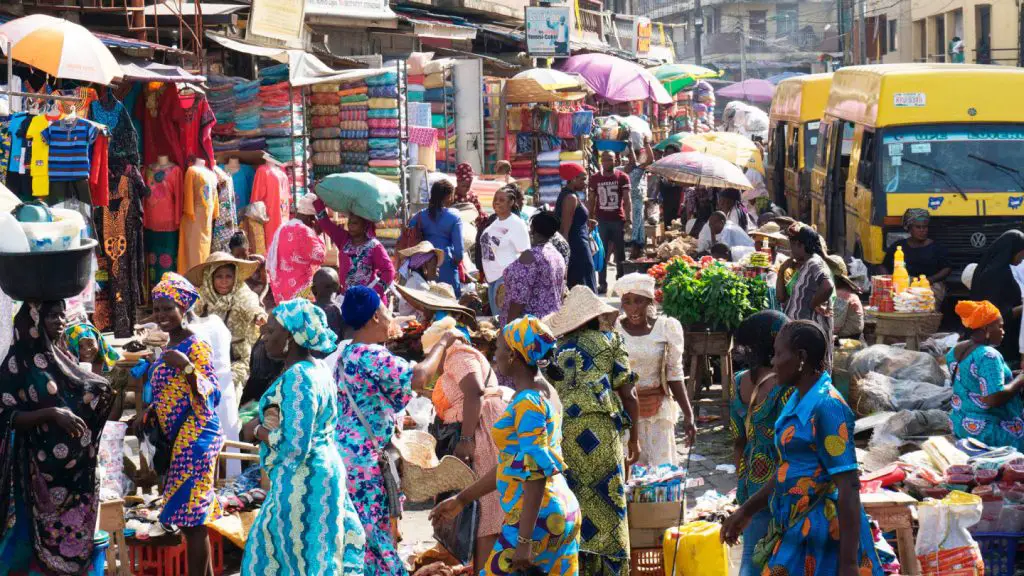
Nigeria, the largest economy in Africa, has seen its inflation quickened to nearly two years high in January as food shortages…
The International Monetary Fund (IMF), the international economic advisory body, has cut its forecast for Tanzania’s economic growth for this…