
Trending
- VALR sets sights on East Africa as blockchain moves deeper into Africa’s financial system
- The cost of the data gap: Why Kenya’s lenders can’t afford to miss the full picture
- Tanzania takes EAC labour migration helm as regional rules face overhaul
- 2026 is turning out as a defining year in geopolitics, but for whom?
- Saudi Arabia and Tanzania pledge to deepen bilateral trade ties
- Tanzania rewrites its digital investment playbook
- Ethical sourcing boosting demand for Tanzania organic cotton
- DRC deploys 70,000 Ebola vaccine doses in high-stakes trial against deadly Bundibugyo strain


Browsing: natural gas
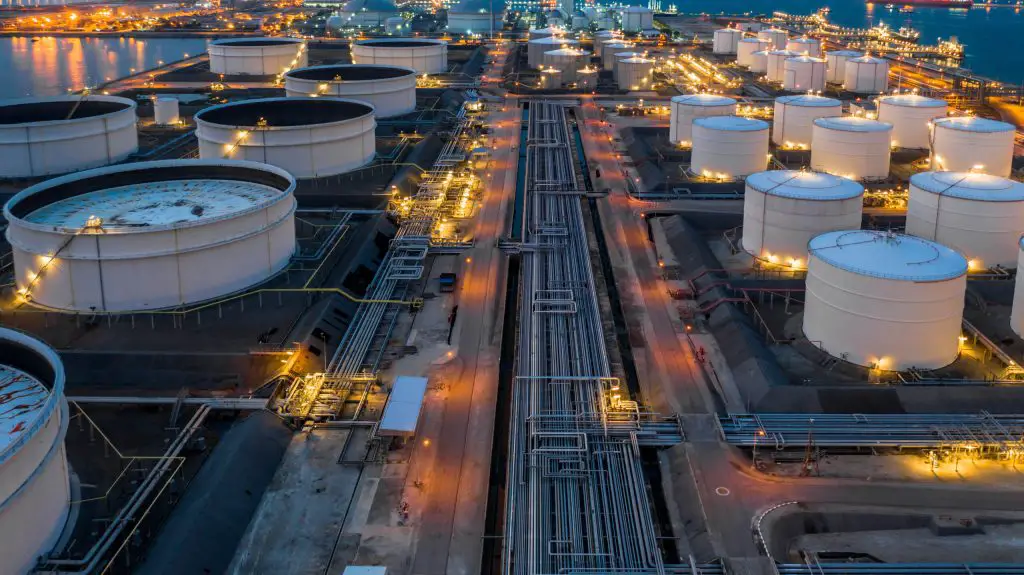
The European Union has imposed restrictions, including a partial oil embargo on Russia. The sanctions will see the E.U. ban seaborne imports of Russian crude oil by the end of 2022. Additionally, petroleum product imports would stand prohibited by early 2023. European Commission President Ursula von der Leyen reiterates the E.U. plans to reduce reliance on Russian fossil resources by 2027.
Because of the European Union’s political determination to minimize its reliance on Russia in response to Moscow’s invasion of Ukraine, the E.U. is now searching for alternative suppliers. The search implies that suppliers such as Africa’s underdeveloped frontier energy markets may discover new energy markets in Europe. Optimism remains high since it is clear the E.U. no longer rely on Russian gas. Russia has for years remained a primary gas supplier in Europe.
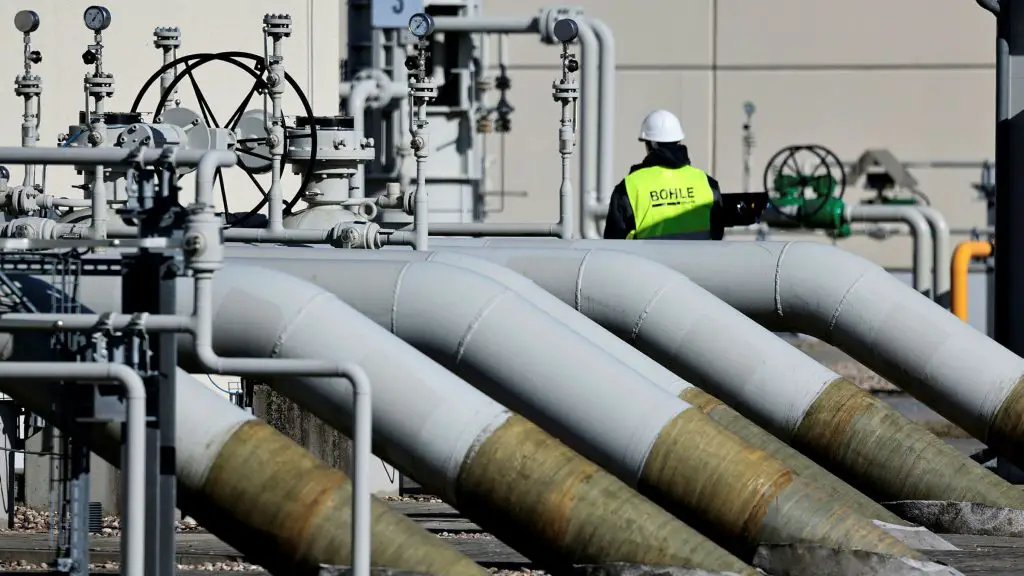
Most African natural gas and oil sources lie in sub-Saharan Africa, including Nigeria, which possesses around one-third of the continent’s reserves, and Tanzania, opportunities Germany should seize.
The proposed Trans-Saharan pipeline would transport gas from Nigeria to Algeria via Niger, traversing a vast, ungoverned area. The proposed pipeline, if built, will connect to the current Galsi, Medgaz, Maghreb-Europe, and Trans-Mediterranean pipelines, which supply Europe from transmission centres on Algeria’s Mediterranean coast.
The Trans-Saharan pipeline would be almost 2,500 miles long. It could send up to 30 billion cubic meters of Nigerian gas to Europe yearly, roughly two-thirds of Germany’s Russian imports in 2021. Unfortunately, the Trans-Saharan pipeline will likely take a decade or more to complete and will face several hurdles as it passes through war and insurgency-ridden areas.
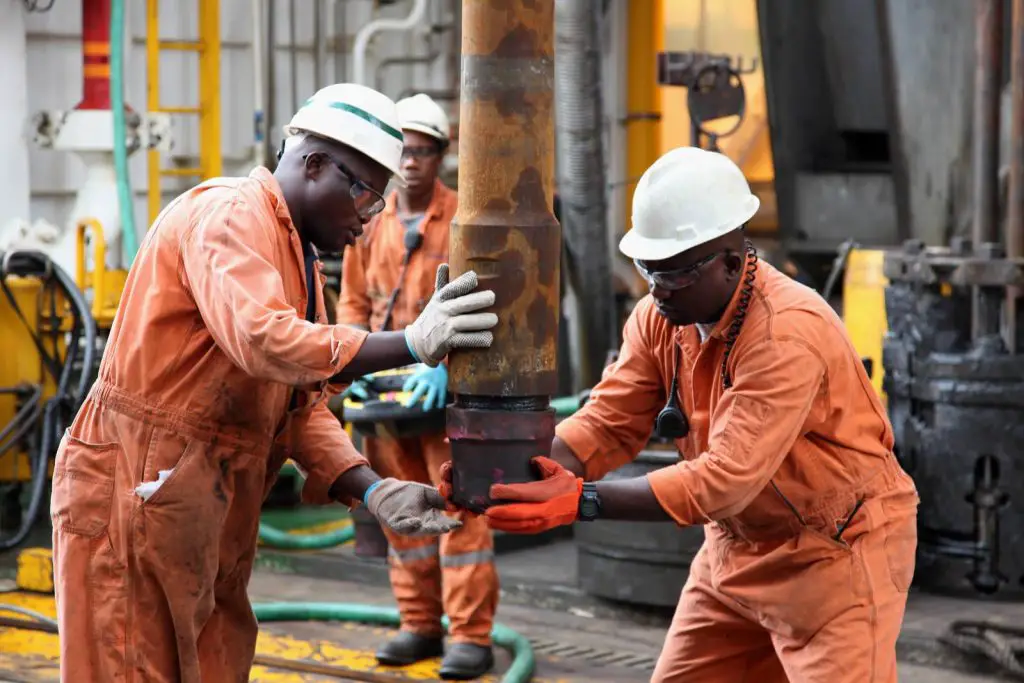
As a gigantic energy superpower, Russia’s foreign direct investment (FDI) accounts for less than 1 per cent of Africa’s total FDI.
However, African Business argued that, with Russia being a small trading partner to Africa compared to the United States and China, the impact on trade would be marginal—yet few Africa developing economies such as Uganda will be more exposed.
Further, United Nations Conference on Trade and Development (UNCTAD) data show that Russia accounts for 2 to 3 per cent of Africa’s trade with the world—most of it is exports.
“Russia also accounts for 2 per cent of the world’s exports to Africa, and only 0.5 per cent imports from the continent” African Business.
After major reforms that rocked its mineral and energy sectors less than a decade ago, mineral and energy-rich Tanzania is…
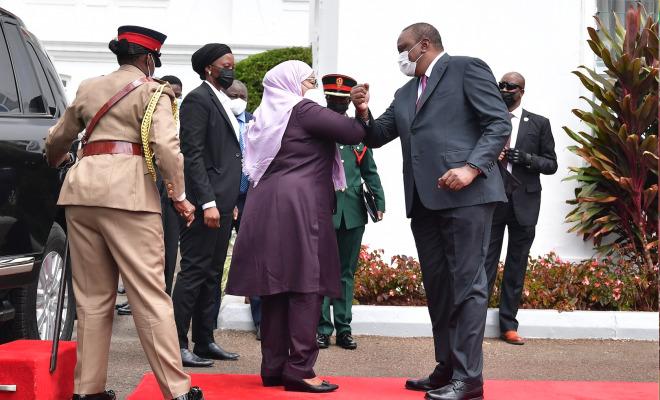
East Africa’s most close trade partners, Kenya and Tanzania have resuscitated their relationship, as President Samia Suluhu Hassan and Uhuru…

It is a sad day for Africa and Mozambique as Total SE the French energy company seal its $20 billion…
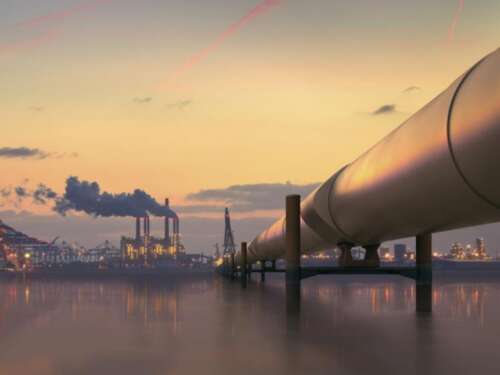
Mozambique—another African country endowed with plenty of natural gas reserves holding 100 trillion cubic feet (Tcf), has suffered another blow…
A healthy manufacturing sector is a fundamental path to economic growth and development. It is key in creating employment as it absorbs the unemployed population into productive decent paying jobs that help improve their standards of living. Historical evidence shows how industrialisation has transformed countries such as the United Kingdom, Germany and most recently, China, by growing their economies tremendously and earning them amongst the best performing economies in the world. According to the Global Manufacturing Competitive Index, South Africa, Egypt and Nigeria are leading in the evolution of manufacturing in Africa, while Ethiopia and Morocco are following closely behind; all of them have adopted policies that promote manufacturing development.
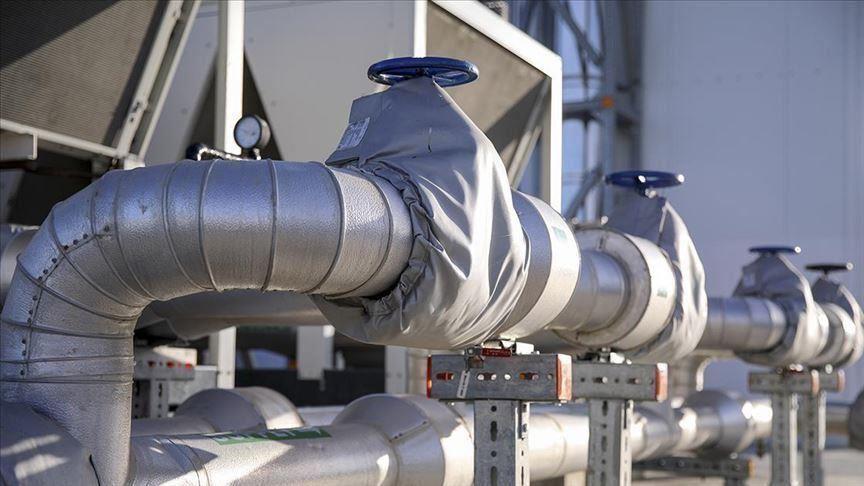
Israel began exporting natural gas to Egypt on Wednesday being one of the most important deals the countries have been…
Tanzania’s natural gas prices are set to be reviewed by the Ministry of Energy as the sector undergoes a major…