Trending
- African governments drive new forest finance progress as global report warns funding globally must scale faster
- Fine Spinners eyes Kenya’s Agoa-backed apparel supply chain with $5m plant
- Why young Kenyan investors need to stop treating the stock market like a betting slip
- Tanzania tax reforms mandate VAT refunds to under 30 days
- In New York, world leaders unveil plan to overhaul global health architecture
- Minisend grows Kenya presence as official payment partner of Africa Blockchain Festival 2026
- UN resolution challenges world maps that make Africa look smaller
- Zimbabwe edges closer to arrears payment, debt restructuring and reset of ties with IMF


Browsing: premium
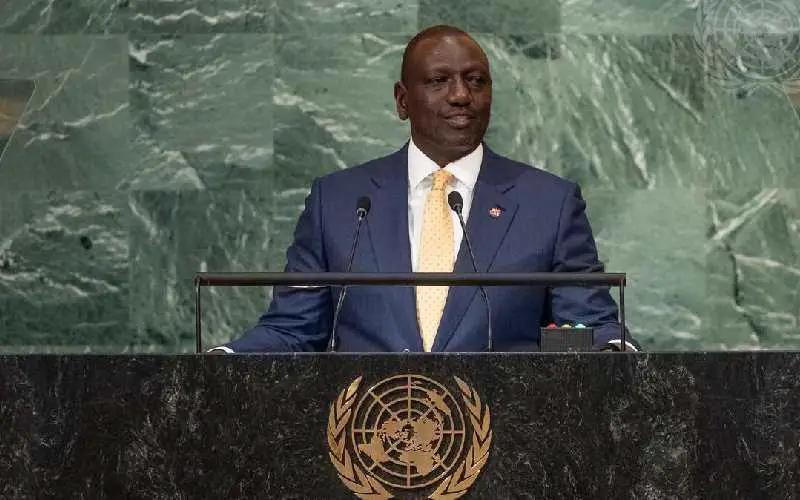
The new administration under President William Ruto, is striving to set the economy in the right tempo having inherited a heavily indebted government.
Through debt restructuring among other key economic reforms, Ruto’s administration is committed to quell inflation and create a thriving economy for all Kenyans.
The recently published East Africa Economic Outlook report, indicates that Kenya is among the countries in the region that could face rising risks of debt distress, thus widening fiscal and current account deficits, largely due to structural weaknesses exacerbated by the pandemic and the Russia-Ukraine war.
According to the 2022 African Economic Outlook (AEO), by AfDB inflation is projected to edge up to 7 per cent, close to the upper end of the target band at 7.5 per cent, caused by greater energy and food inflation. The Kenya National Bureau of Statistics (KNBS), reported that the country’s inflation rate as of October 2022 stood at 9.6%, creeping up 0.4% from September’s all time high of 9.2%.
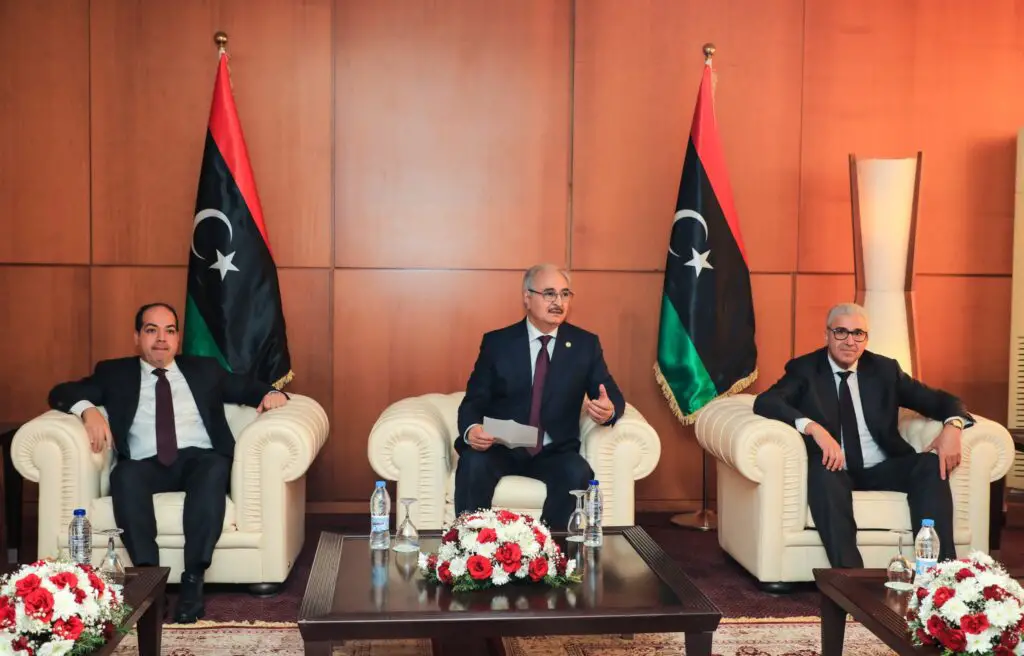
Libya’s economy has been teetering on the edge of a precipice since the ousting and killing of Colonel Muammar Gaddafi in 2011, as part of the protests that marked the Arab Spring. Once a progressive economy now a war-torn country, a playground for foreign powers rushing to satisfy their own interests, has left ordinary Libyan citizens to bear the brunt of a cycle of conflicts and civil wars, stagnating economic growth for a decade. The conflict birthed an unmatched refugee crisis, with thousands crossing the Mediterranean to seek greener pastures in Europe. Today’s Libya remains in electoral limbo as the political stalemate persists. Prospects for elections fade daily.
The situation in the country remains extremely volatile, rife with political uncertainty as to when a national government will be formed, and the formulation of a constitution thereof. Both presidential and parliamentary elections, slated to be held this year have been postponed several times with no exact date set.
The country awash with violent non-state actors where different militia groups vie for political power are being backed by foreign entities in a bid to control the country’s oil and gas sector. As the first anniversary of the postponed elections draws nigh, there is no clear end in sight. The UN Special Representative Abdoulaye Bathily, warned against prolonging the interim period as Libya could become even more vulnerable to political, economic and security instability, as well as risk of partition.
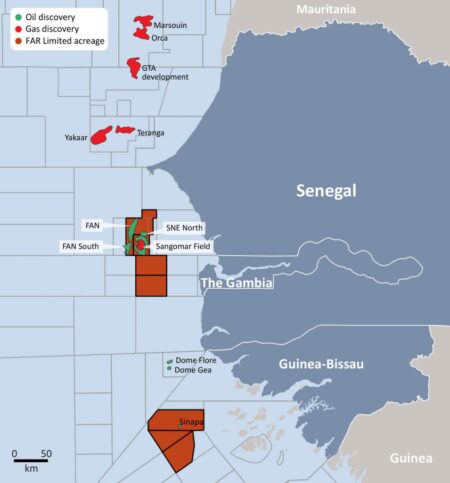
Oil and gas exports from Senegal are scheduled to begin in earnest in 2023, spelling a new dawn for the economy of the West African country, popularly renowned as the ‘Gateway to Africa,’ located in the western most point of the continent. The Grand Tortue Ahmeyim (GTA) LNG gas project, will be a game changer for the country, radically transforming its economy, which is projected to register robust growth in 2023, outshining other countries in the Sub-Saharan Africa. According to the recent World Economic Outlook forecast by the International Monetary Fund (IMF); Senegal’s economy will grow by 8.1 per cent in 2023, against the projected Sub-Saharan African growth of 3.7 percent.
In reiteration, the Africa Economic Outlook (AEO) published by the Africa Development Bank (AfDB), indicates that Senegal’s economy has decelerated in 2022 to 4.6 percent, but is estimated to accelerate to 8.2 percent, due to public and private investments together with oil and gas exploitation. Currently, Senegal’s debt-to GDP ratio stands at 71.9 percent.
The Covid-19 pandemic and the Russia-Ukraine war have both punctured the country’s economy. However, Senegal’s recovery from the pandemic shocks began in 2021, in part due to the Adjusted and Accelerated Priority Action Plan, with 6.1 percent growth against 1.3 percent in 2020.The AEO highlights that this was led by the resumption of the extractive sector, construction, and commercial activity connected to strong demand, as well as transport services. Agriculture which largely contributes to the economy, slowed to 4.6 percent growth in 2021, after a soaring rise of 23.4 percent in 2020.
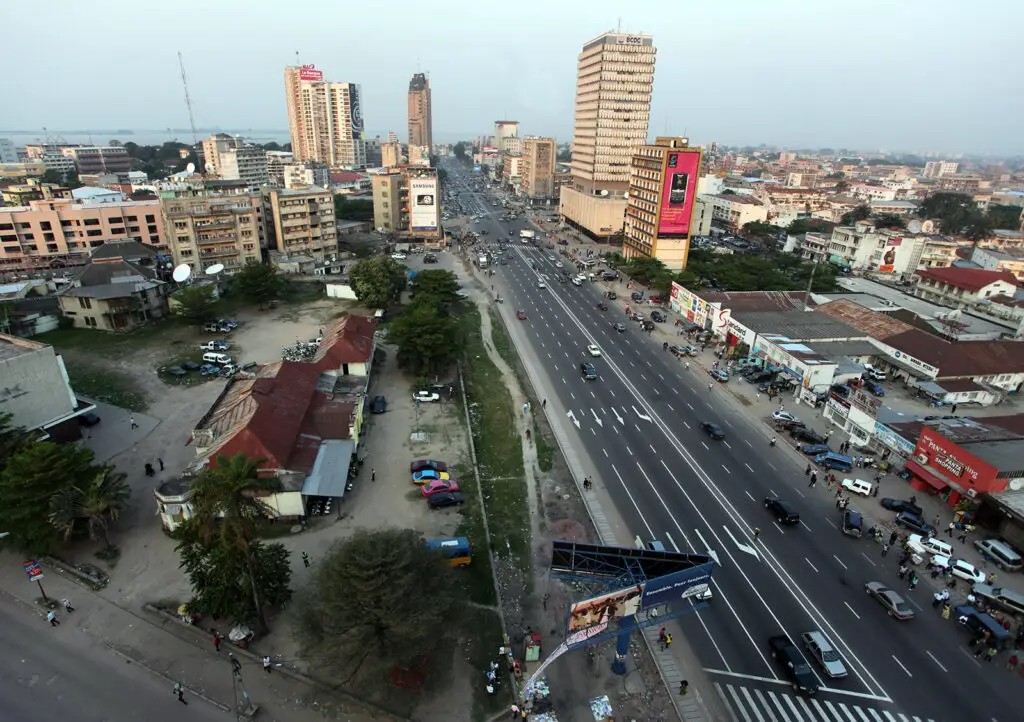
It is important to outline how the DRC stands to become a crucial investment hub in Africa. Foreign and domestic private entities reserve the right to establish business ventures across the nation and engage in all forms of remunerative operations, this is according to the US State Department as it outlines its engagement strategy with the country.
The DRC’s investment agency—the National Agency for Investment Promotion (ANAPI) provides essential facilitation services for initial investments over US$200,000 and is responsible for simplifying the investment process, make procedures more transparent, assist new foreign investors and improve the business image of the DRC—as the investment destination.
The DRC has potential sectors that are essential for investment and boosting the nation’s economic landscape for the betterment of the region. The sectors do not only create enough revenue to expand the welfare of the population, but create sustainable systems that creates millions of job opportunities.
Agriculture, banking, energy, housing, tourism, insurance, housing and real estate, forestry, transport and infrastructure. With an array of investment opportunities, it is important to notice how vast profits go when it comes to mutual benefits in all sectors.
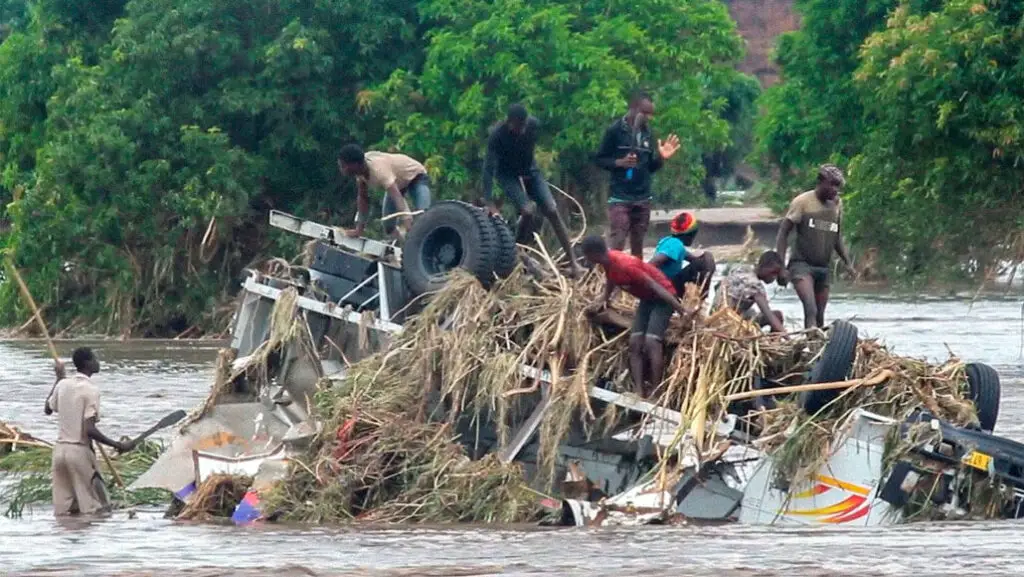
COP27 outcomes were far and few for Africa, yet the UN announced an Executive Action Plan for the Early Warning for All initiative, which calls for initial new targeted investments of US$3.1 billion between 2023 and 2027, which is equivalent to a cost of just 50 cents per person per year.
This warning system comes to address crucial issues of extreme weather conditions such as disaster risk knowledge, observations and forecasting, preparedness and response, and communication of early warnings.
A couple of the notable outcomes for Africa included the continent’s rainforest giant, the Democratic Republic of Congo (DRC) collaboration with Brazil and Indonesia, to launch a partnership to cooperate on forest preservation after a decade of on-off talks on a trilateral alliance.

With African nations in desperate need of economic boosts, reinventing the continent’s pharmaceutical “wheel” as a contributor to development has become critical. This crucial venture requires public and private participation and, of course, the willingness of the West’s Big Pharma!
Most Africans lack the means to seek qualified healthcare providers for quality medication. People turn to self-help and alternative medicine to avoid medical expenditures, which are often out of reach. With less than 400 drug manufacturers to cater to the more than 1.3 billion people on the continent, millions of Africans die or suffer from protracted illnesses without consistent access to even the most essential medicines. Widespread ill health can trap people in poverty, as healthier people are more productive.
The pandemic’s effects have exacerbated Africa’s healthcare crisis in the last two years. The situation has captured the attention of investors who noted the gap between supply and demand in the pharmaceutical sector. Apart from increasing healthcare results to have more productive individuals in the economy, boosting Africa’s pharmaceutical industry may generate enormous economic value.
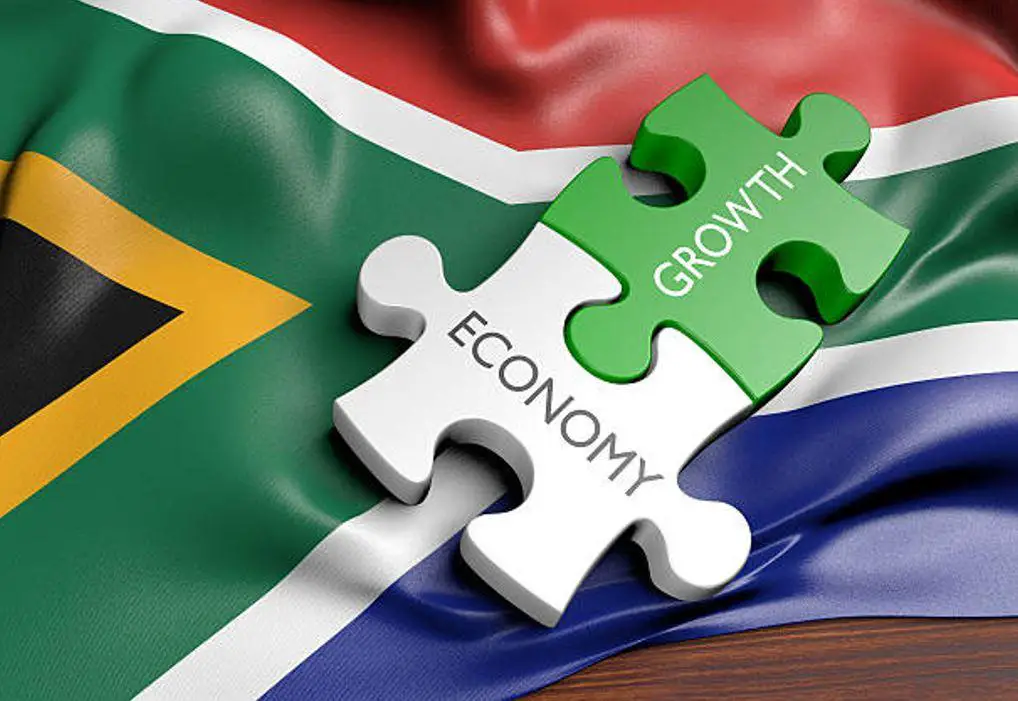
In terms of the fiscus, South Africa expects to run a deficit of -4.1 per cent in 2023, however, the deficit is expected to narrow for the next 3 years closing 2026 at -3.6 per cent. This demonstrates significant fiscal consolidation.
Over the next 3 years the South African government expects to consolidate its public finances and reduce its deficit by inter alia increasing revenues and or managing or containing costs. According to Investec, “The current fiscal year (2022/23) has seen a substantial boost to nominal (actual) GDP due to high inflation, which has eased both the fiscal debt and deficit projections as a per cent of GDP, although does not boost real GDP, which is the measure of the country’s growth and has the distorting effect of inflation removed.”
Among countries in Africa, South Africa is getting its public financial act together. The country is paying down its debts, inflation has been showing a strong downward trajectory. What remains to be seen is whether this decreasing inflation rate will continue.
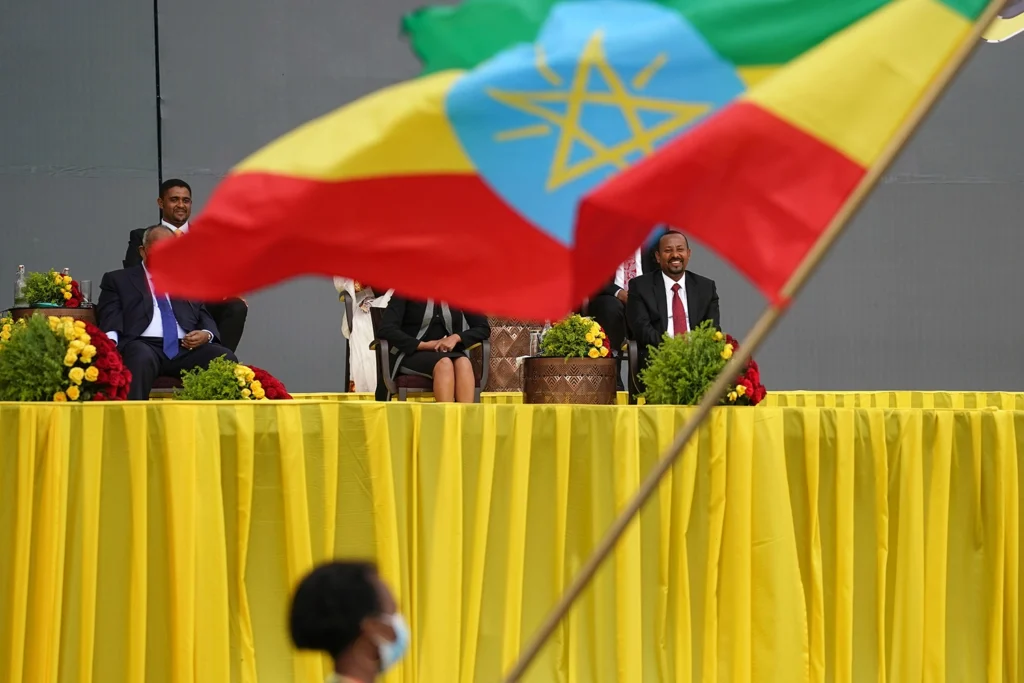
Undoubtedly, the return to peace after two years has restored hope Ethiopia’s economy can regain its growth momentum. According to officials, a permanent return to peace will help unlock more than $4bn in frozen funding. The funds will ease a crippling shortage of foreign exchange that plagued the economy even before the war began. Agriculture, the primary sector driving Ethiopia’s economy, should provide the much-needed boost to economic recovery.
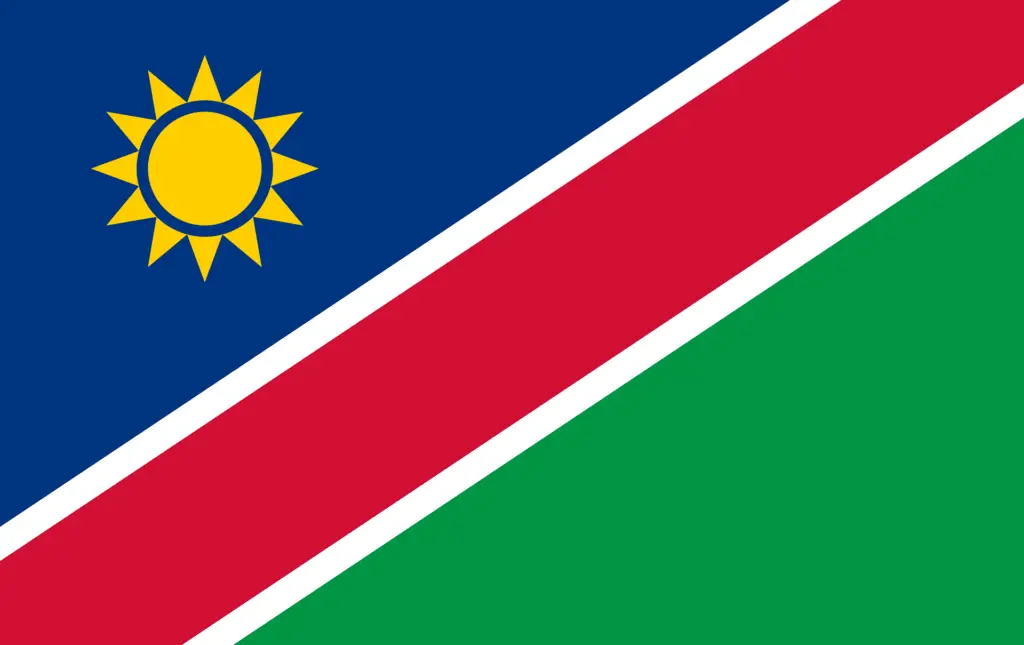
Namibia has made progress on structural changes to foster economic diversification and boost productivity. Improving the business environment, promoting access to capital, improving governance, and decreasing skills mismatches are crucial for stimulating growth and achieving long-term debt sustainability.
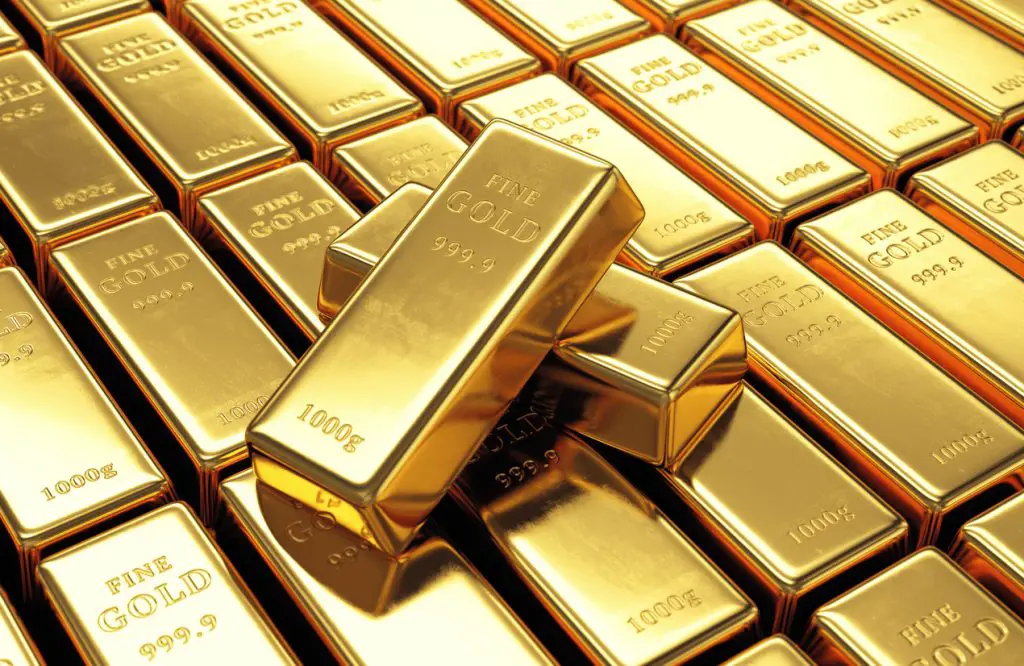
African countries looking to anchor their currencies on either gold, or a combination of gold, precious metals, and other minerals would need to start with legislation which would make it legal for the governments of those countries to redeem paper currency with either those minerals or a derivative of those minerals.
Zimbabwe in late August began an initiative where it sold actual gold coins to its citizens which had been minted by that country’s central bank. This move was initiated to halt the slide of the currency on the parallel and official markets. This county’s policy so far has been successful in slowing down the trend of inflation which had begun to run amok.
It would be remiss to attribute the slowdown inflation to the gold coins. The country dramatically tightened its monetary policy by increasing interest rates to over 200 per cent in May 2022 and temporarily banned commercial bank lending. One of the disadvantages of the gold standard is that governments struggled for decades to make the system work globally. The gold standard reached its watershed when Richard Nixon in 1971 took the United States dollar off the gold standard.