
Trending
- African governments drive new forest finance progress as global report warns funding globally must scale faster
- Fine Spinners eyes Kenya’s Agoa-backed apparel supply chain with $5m plant
- Why young Kenyan investors need to stop treating the stock market like a betting slip
- Tanzania tax reforms mandate VAT refunds to under 30 days
- In New York, world leaders unveil plan to overhaul global health architecture
- Minisend grows Kenya presence as official payment partner of Africa Blockchain Festival 2026
- UN resolution challenges world maps that make Africa look smaller
- Zimbabwe edges closer to arrears payment, debt restructuring and reset of ties with IMF


Browsing: premium
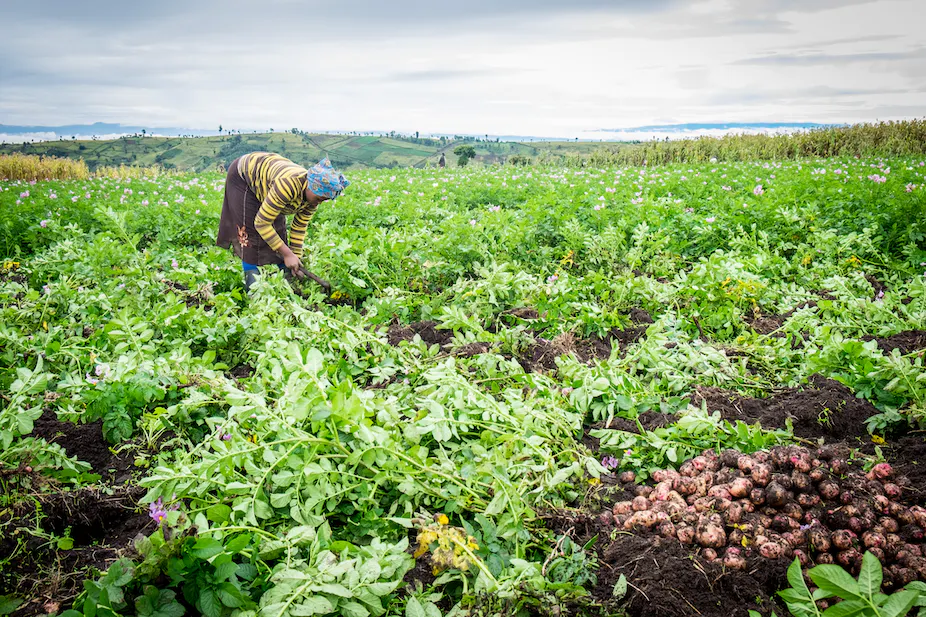
Time is running out for Africa to guarantee food security for its population. As the saying goes, it is not very reasonable to keep doing the same things and expect different results.
Africa needs crops that can withstand pests and disease, withstand drought, flourish without excessive pesticides and fertilizers, and produce healthy food. Africa needs crops to enable smallholder farmers to prosper. GMOs provide a powerful instrument for Africa to address these demands when other choices fail over time.
In terms of forecast, inflation is expected to be around 18 per cent at the end of 2022. The trend…
Wind power is quickly gaining ground in Africa and many African countries are exploring this energy source to meet a fraction of their energy needs. Both onshore and offshore wind power is capable of delivering lower-cost power, as opposed to fossil fuels. A recent report commissioned by the International Finance Corporation (IFC), on ‘Wind Energy; Joining Forces for an African Lift-Off,’ indicated that Africa has 59,000 GW of technical onshore and offshore wind potential, which is enough to meet the continent’s energy demand 250 times over.
The Global Wind Energy Council (GWEC) notes that Africa is only using 0.01 per cent, of the 59,000 GW. In late 2021, GWEC, with support from numerous entities such as International Energy Agency (IEA), the International Renewable Energy Agency (IRENA), IEA, IFC; launched Africa Wind Power (AWP); a regional body representing the wind industry, with a goal to scale up and accelerate wind projects across the continent. Wind power markets in Africa include South Africa, Morocco, Egypt, Kenya and Ethiopia.
Africa boasts vast hydroelectric power (HEP) resources, with immense potential for increased power generation to power the continent. South Africa takes the lead, generating 45 per cent of the continent’s production, North African countries follow suit at 30 per cent, whilst the rest of the continent cumulatively take up 25 per cent. Cameroon, Guinea, DRC, Sudan, Mozambique and Angola, have noteworthy HEP resources, of which currently only 7 per cent are developed.
Sierra Leone’s government may have to impose severe austerity measures. These measures will address inefficiencies and inadequacies in allocating and administrating public resources. However, all hands must be on deck within these economic management measures. This will secure the ring-fencing of money for essential objectives like education, livelihood preservation, and health. These objectives remain critical to maintaining social stability and a rapid return to the economic recovery path.
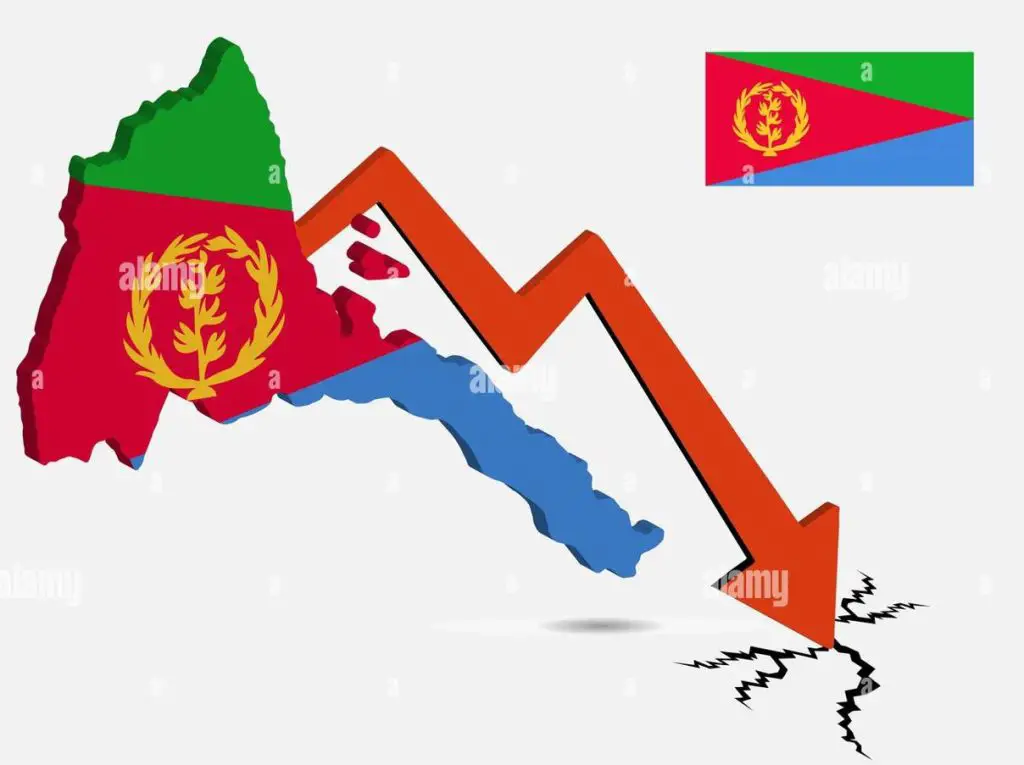
Eritrea’s debt stands at 175 per cent of its GDP. This is very high for the agriculture-based economy. Eritrea is…
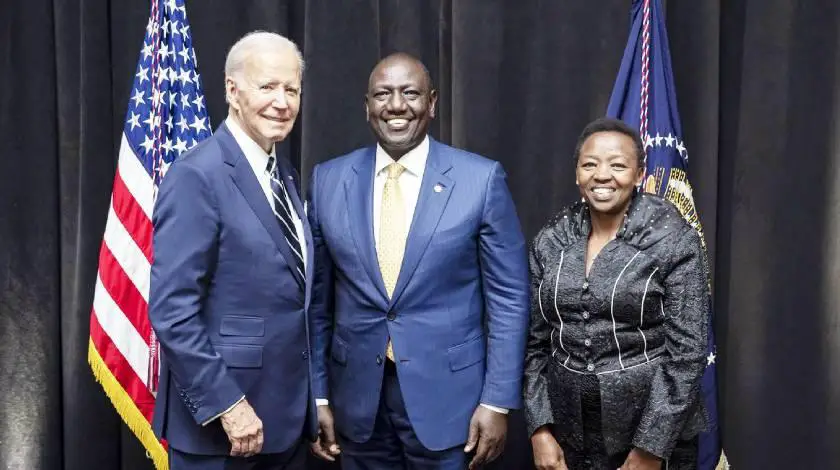
Activists and agriculture lobbyist have already protested the move by the government to lift the 10-year ban on GM foods. A joint statement signed by Greenpeace Africa and lobbyist groups argued that, “food security is not just about the amount of food, but the quality and safety. Our cultural and indigenous foods have proved to be safer, with diverse nutrients and with less harmful chemical inputs.”
Lobbyists insist that public participation could have taken place, prior to lifting the ban; and are championing for its reinstatement. Furthermore, they are advocating for an inclusive participatory process to be instituted or a taskforce onboarded, to investigate long-term and sustainable solutions to attain food security.
The move has elicited divergent views across the region. Tanzania is firmly opposed to the use of biotechnology in food production, and considering its proximity to Kenya, has upgraded its vigilance to ensure GM food or cash crops do not find their way into the country; as boldly stated by the country’s Agriculture minister Hussein Bashe.
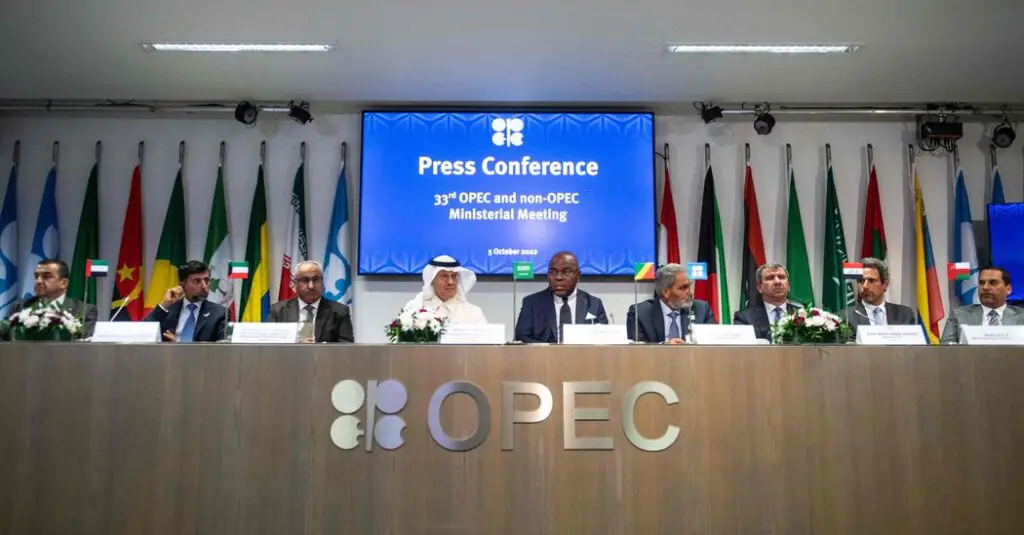
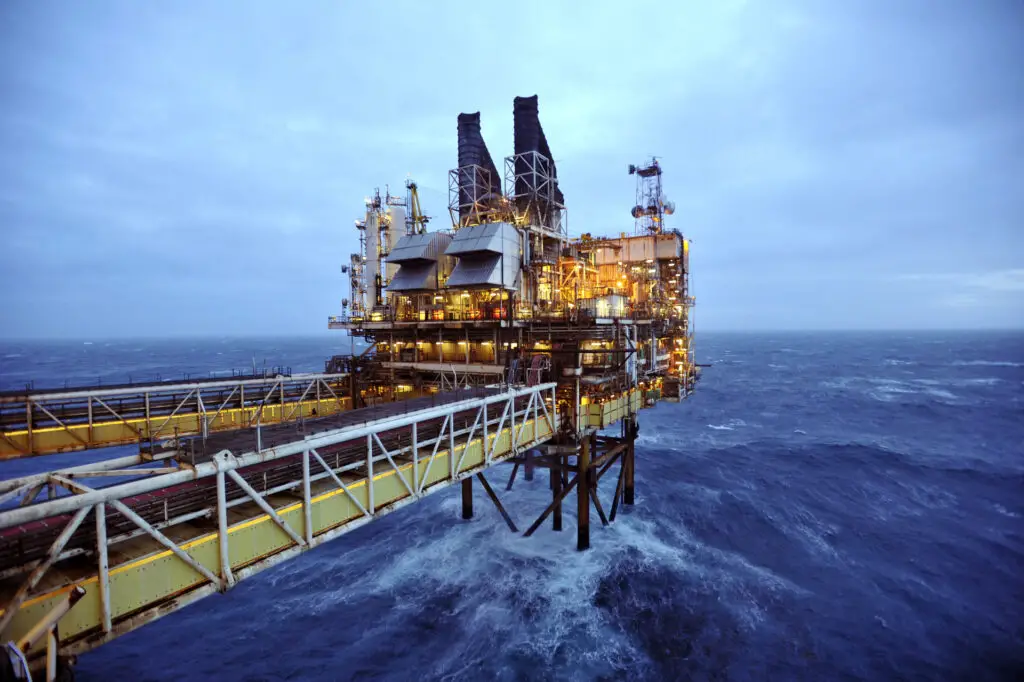
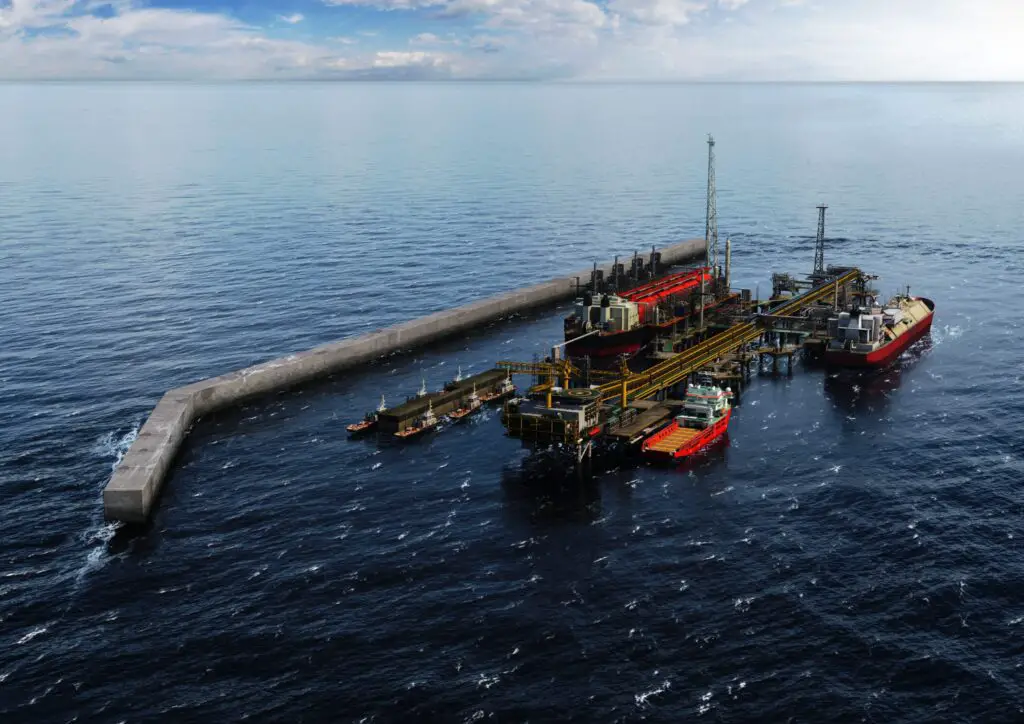
African countries will be largely impacted by the decision by the global cartel of oil producing countries to cut oil production given that only 14 out of 54 countries in Sub-Sahara Africa produce oil, which accounts for the lion’s share of their annual export earnings.
Many African countries have to import refined oil and rely on oil products in power generation. A hike in oil prices will boost economies of oil producing countries, by gaining foreign exchange earnings to carry out development projects such as Nigeria, Angola, Gabon, Libya, Cameroon, and Congo among others.
Consequently, this will create more job opportunities and greatly aid in poverty alleviation. In addition, the revenues could be redirected to other sectors that make significant contributions to the respective economies. By example, in countries like Cameroon, Gabon and Congo, internet infrastructure and technology could largely benefit from re-investing.
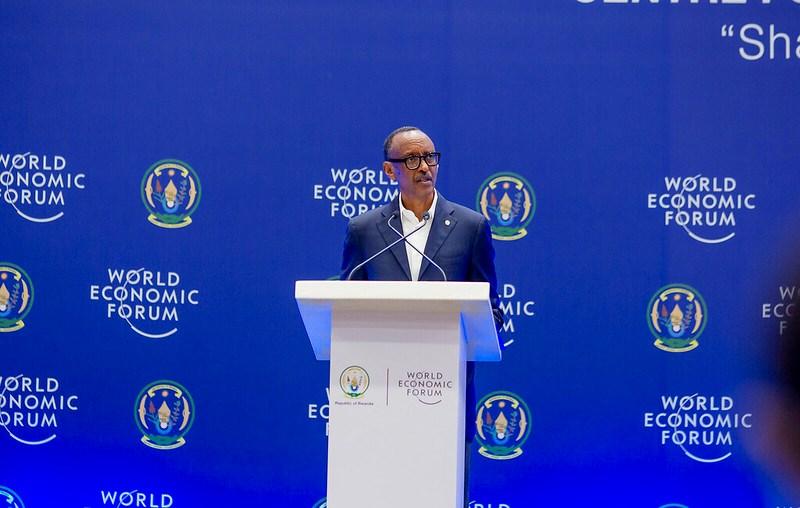
Albeit landlocked, Rwanda’s economy has been growing exponentially but was impeded in 2020, by the Covid-19 pandemic and further exacerbated by the Russian-Ukraine war, which has been ongoing since February 2022.
Currently, the country’s debt-to-GDP ratio is at 74.8 per cent.
Rwanda is among the countries in the Great Lakes region of East–Central Africa, sandwiched between Uganda, the Democratic Republic of the Congo (DRC), Burundi, and Tanzania. The rate of economic progress registered hitherto, has led the international community to call Rwanda an ‘emerging Asian tiger.’
This economic rehabilitation and prosperity, has been especially spearheaded by the country’s long-standing president Paul Kagame, who in 2018 was named ‘African of the Year’ by Forbes Magazine. He has on several occasions since his ascension to power in 2000, expressed his desire to transform Rwanda into the ‘Singapore of Africa,’ a stable gateway of trade for the entire continent.
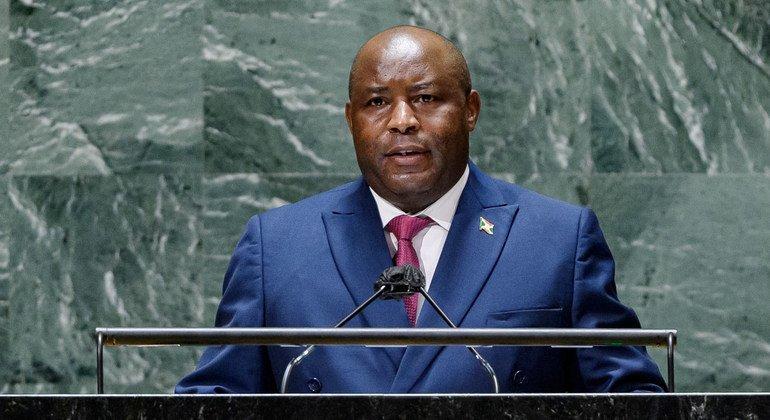
Burundi formulated the National Development Plan (NDP) 2018-2027, in order to provide a socio-economic diagnosis of the country to structurally transform the Burundian economy for robust, sustainable, resilient, inclusive growth, creating decent jobs for all and leading to improved social welfare.
By the same token, the National Peacebuilding Program was developed in 2020 to operationalize the NDP. This program serves as a reference for all intervention strategies and actions aimed at promoting economic growth, community recovery, reintegration and sustainable and inclusive resettlement in Burundi.
Late September marked the launch of an economic memorandum report of Burundi supported by the World Bank. This was aimed at identifying opportunities to accelerate economic growth. Prepared with perspective to the successive external shocks of both the pandemic and the Russia-Ukraine conflict, some of the proposed solutions included increasing agricultural productivity, boosting trade, and managing natural capital, investing in infrastructure, restoring macroeconomic stability and strengthening infrastructure governance.
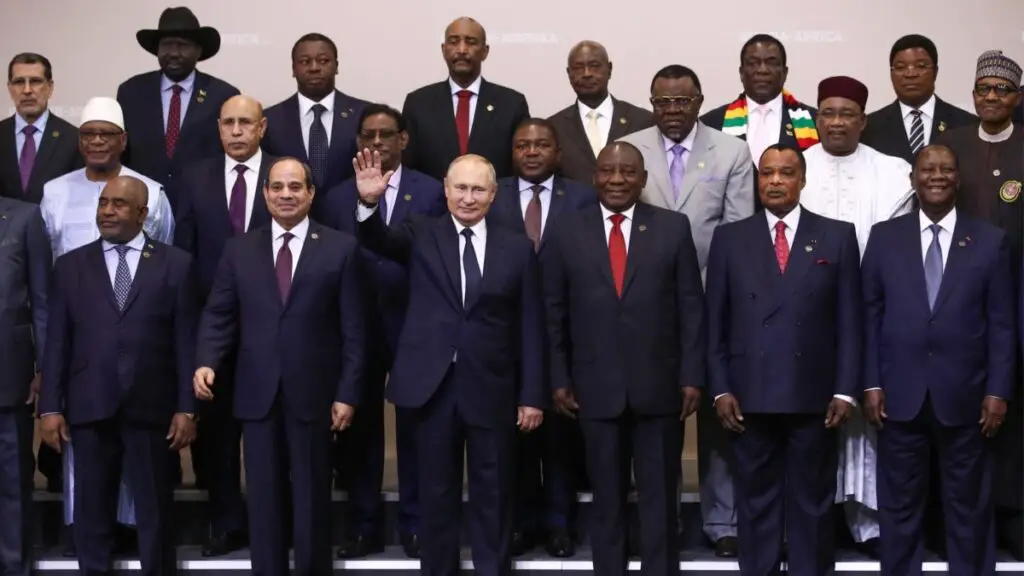
The crisis has thrown the energy market into chaos, sending fossil fuel prices soaring. This has birthed the global demand for thermal coal, especially from the Asian and European markets; with most countries in both regions having been dependent of Russia, as the country is the world’s third largest supplier of thermal coal used chiefly for power generation. Coal plants that had been scheduled for closure in Europe have been reopened, to fill the deficit in mitigating fuel costs and generating electricity; as the alternative gas, is inarguably more expensive. With energy security under threat, climate policies and commitments have taken a back seat. The EU recently declared that natural gas now qualifies for green investments.
The African coal market is projected to enjoy double its revenue for the next one year. The prevailing energy gap has created a window of opportunity for African coal producing nations. According to a report by Reuters, South Africa’s coal exports rose by 11 folds in the months following the war. Botswana has also projected growth in its coal market. The massive demand far outstrips the available supply, resulting into prices of thermal coal leaping to record levels. African countries with coal resources, have doubled profit margins, with the surge in demand from European buyers. Italy, France, Portugal and Spain have been sourcing from Nigeria, whilst Germany has sought Senegal for gas supplies.
The revenues gained from increased energy exports to Europe and other markets could be reinvested to boost agricultural productivity in Africa to mitigate reliance on Russia and Ukrainian wheat products. In addition, the surplus could boost the continent’s manufacturing sector, pertinently fertilizers to promote agricultural productivity which fuels most economies in Africa.