Trending
- African governments drive new forest finance progress as global report warns funding globally must scale faster
- Fine Spinners eyes Kenya’s Agoa-backed apparel supply chain with $5m plant
- Why young Kenyan investors need to stop treating the stock market like a betting slip
- Tanzania tax reforms mandate VAT refunds to under 30 days
- In New York, world leaders unveil plan to overhaul global health architecture
- Minisend grows Kenya presence as official payment partner of Africa Blockchain Festival 2026
- UN resolution challenges world maps that make Africa look smaller
- Zimbabwe edges closer to arrears payment, debt restructuring and reset of ties with IMF


Browsing: premium
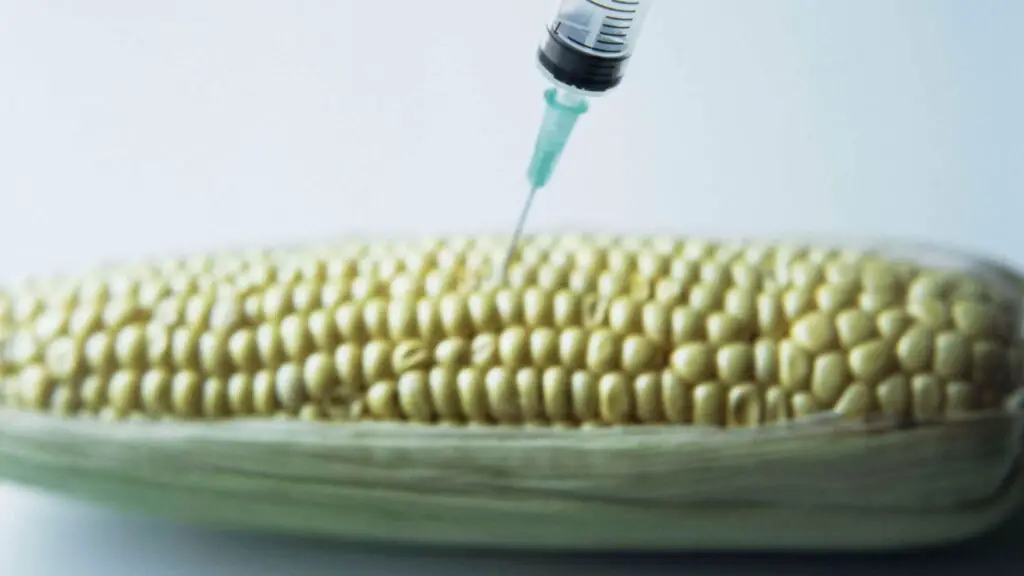
Certain GMOs have modifications that render them resistant to specific antibiotics. Theoretically, when people or animals eat these plants, their genes may be ingested. As a result, the individual or animal may also get resistant to antibiotics.
There have been worries that food DNA could damage the immune system ever since some food scientists discovered in 2009 that food DNA can survive as far as the gut.
Additionally, some people have expressed concern that consuming GMO food can alter human genetics. But whether a food is genetically modified or not, the majority of its DNA is either eliminated by cooking or degrades before it reaches the large intestine.
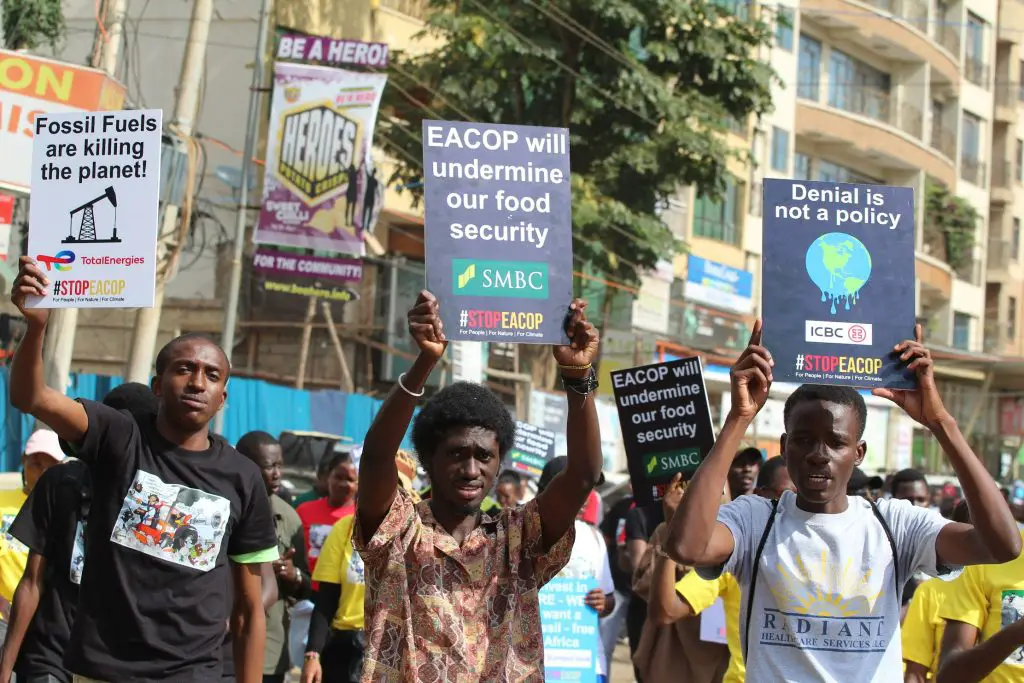
Both nations have the right to attain energy supremacy as it has been a long-time ambition. Despite that goal, environmental and climate-related concerns must be addressed if they are present.
The EACOP is one starting point that can catapult the region towards economic mastery and energy sufficiency. Tanzania, which is also banking on natural gas exploration and production, could learn a lot from EACOP complications now.
Despite the challenges, EACOP’s potential has managed to draw the attention of other financiers, and things are turning out well. The project has attracted US$300 million from alternative lenders as its proponents rush to save the project from pressure groups citing environmental concerns, according to a report by The Citizen.
To have only 3 of the eligible countries in Africa signing up for the initiative is tragic especially given the global economic environment of the world presently. A crippling sovereign crisis is looming on the African horizon. Catalysts of the crisis include a strong United States dollar which has been resurgent during the year.
Debt on the on the books of most African countries is denominated in the greenback and its strength will have an adverse impact on their public finances and their ability to service their loan obligations timeously.
This problem is further compounded by rising interest rates which are certain to make the cost of debt that much more expensive for countries that already cannot afford to be overextended financially.
The debt of most African countries is in the hands of private creditors who in recent time have become as important as their multilateral counterparts. These private creditors are less likely to be concessionary in terms of discussions around restructuring of debts.
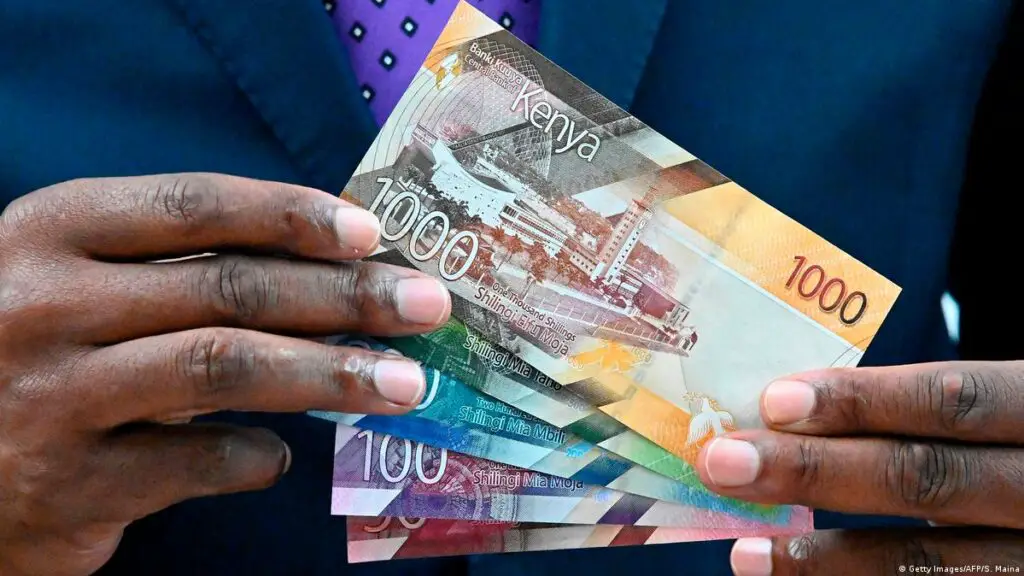
Kenya is one of 23 African nations at risk of debt distress. The major causes of debt distress include poor fiscal management and macroeconomic frameworks to sustain growth, a shift in debt structure toward more costly financing sources, and excessive government expenditure levels.
Kenya’s debt was at about 70 per cent of GDP in 2021, up from 50 per cent in 2015. China is Kenya’s biggest bilateral creditor. It accounts for 67 per cent of the bilateral debt (primarily for infrastructure projects), an increase from 13 per cent in 2011.
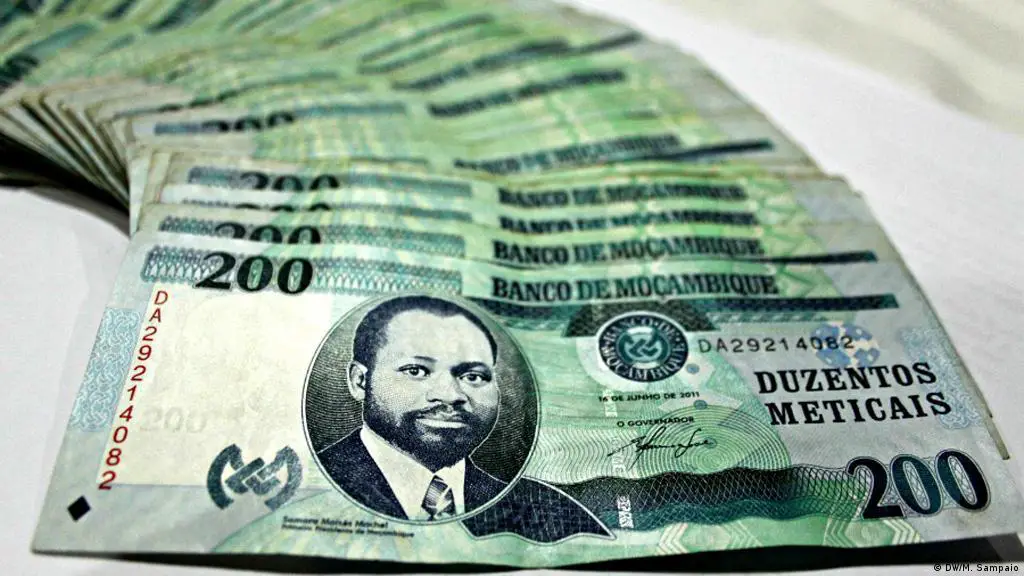
Mozambique, until the Covid pandemic happened, was just 7 years shy of matching or exceeding the record set by South Korea.
The pandemic undermined the southern African country’s economic progress by slowing down critical sectors of economic activity namely tourism, construction, transport, as well as a general decline in the demand for commodity exports. The economy of Mozambique was further undermined by the conflict in the northern province of Cabo Delgado.
Statistics on how many people have been displaced by the conflict vary but they range from 250,000 to 1 million people. At least 850,000 people are estimated to have been dragged below the international poverty line because of the conflict.

One of the features of many countries that are endowed with abundant natural resources is that they save less than what is expected, considering the rents obtained from extracting and selling natural resources.
If the countries saved more, they would grow at a sustainable and faster rate. To gain a better understanding of sustainable development, it is useful to examine the concept of genuine saving.
Genuine saving is defined as public and private saving at home and abroad, net of depreciation, plus current spending on education to capture changes in intangible human capital, minus depletion of natural exhaustible and renewable resources, minus damage of stock pollutants (CO2 and particulate matter).
The Gambia has a small economy that relies primarily on agriculture, tourism, and remittances for support. It remains heavily dependent on the agriculture sector. The Gambia can bank on these sectors for economic growth and to repay their debt.
Gambian agriculture has been characterized by subsistence production of food crops comprising cereals (early millet, late millet, maize, sorghum, rice), and semi-intensive cash crop production (groundnut, cotton, sesame, and horticulture). Farmers generally practice mixed farming, although crops account for a greater portion of the production.
Groundnuts are the traditional cash crop. The Gambia also exports produce to Europe; Gambian mangoes and other fruits may now be found on the shelves of the supermarket chains like Tesco and Sainsburys. The Gambia’s largest trade partner is Cote D’Ivoire, a fellow Economic Community of West African States (ECOWAS) member, from which The Gambia imports the majority of its fuel products. Other major trade partners include China and Europe.
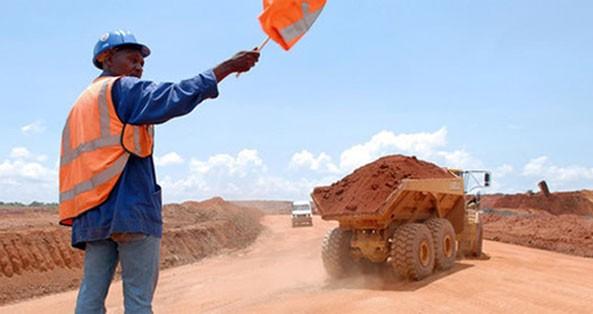
The country is one of the world’s poorest, with income per head estimated at US$678 in 2022 (up from US$501 in 2010). Across the country, an estimated two-thirds of households are impacted by food insecurity.
Eritrea has a Human Development Index (HDI) of 0.459 as of 2022, which puts it among the 15 least-developed countries on the planet.
The HDI measures average achievement in key dimensions of human development: a long and healthy life based on life expectancy at birth, knowledge based on expected years of schooling and a decent standard of living.
Mauritius, Seychelles and Algeria are the top three African countries with high HDIs of 0.804, 0.796 and 0.748, respectively, while Central African Republic, Niger and Somalia tail with very low HDIs of 0.397, 0.394 and 0.361, respectively.
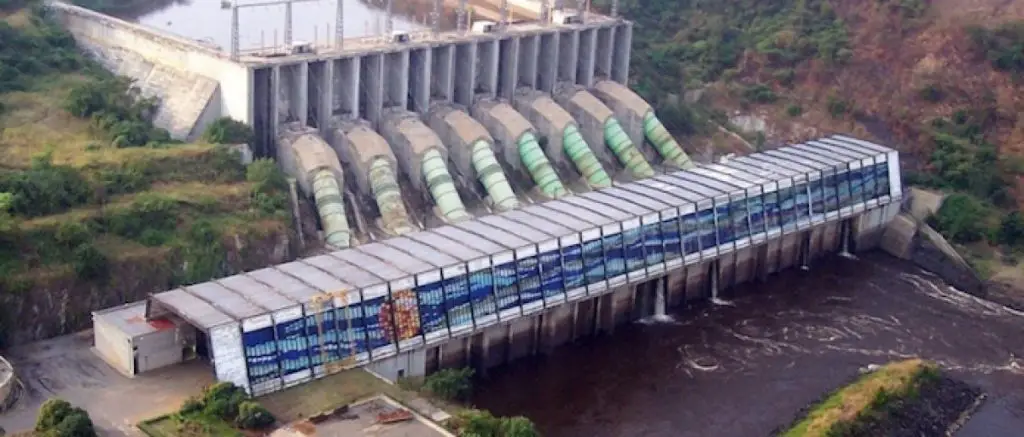
The dam is to be built in six phases by either of two rival consortiums, one led by China’s Three Gorges Corporation which has said electricity could be generated within four to five years. A Spanish engineering giant Actividades de Construction Services (ACS), has suggested Inga 3 would take six years to build.
On completion, that complex is estimated to have an output capacity of 42 GW, generating more electricity than the world’s two biggest hydropower plants, Three Gorges on the Yangtze River in China (22.5 GW of generation capacity) and Itaipu in South America (14 GW of generation capacity), combined. This will make it the world’s largest power plant.
Displaced people
Inga III is expected to divert water and flood the Bundi Valley for use as a reservoir. This will displace over 35,000 people who may have to move in phase 1 and 25,000 people later, including many who Inga I and Inga II had already displaced.
Bundi Valley is historically home to sacred and ancestral sites, cemeteries and the disruption, loss of livelihood and identity are threatened by Inga III.
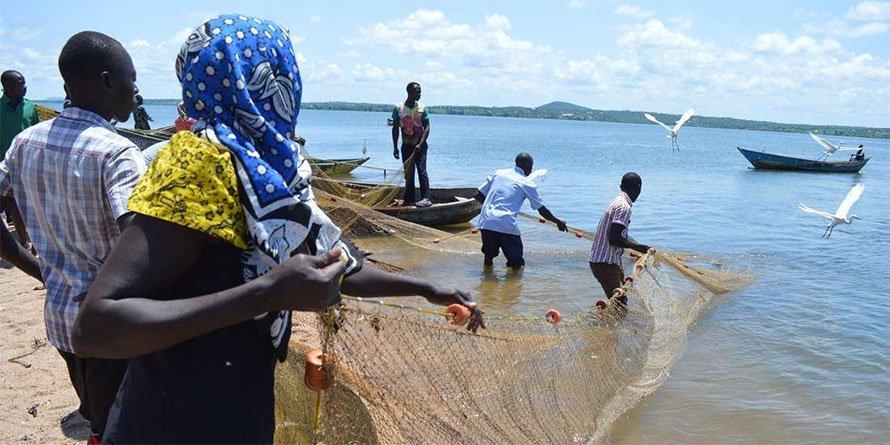
Lake Victoria’s fisheries support more than 3 million livelihoods and bring in US$500 million in revenues annually.
Nile Perch is the main fish caught in Lake Victoria. Fish maw – the air sack that aids the Nile Perch in floating and a Chinese delicacy – has been a major export source. Statistics from the Uganda Ministry of Agriculture indicate an increase in fish maw exports earning from US$27m in 2015, to US$31m in 2016, US$48m in 2017 and US$52m in 2018. These earnings exclude the earnings from Nile Perch and its eggs.
However, the lake has been invaded by water hyacinth – the floating, green mats of waxy leaves with purple blossoms – depriving the waters below of oxygen which makes it hard for aquatic life to survive.
That, plus overfishing which occurs when fishermen use undersized nets that catch fish before they reach maturity, rapid population growth, and pollution by wastewater, agro-pesticides and fertilisers threaten the future of fishing in Lake Victoria.