
Trending
- African governments drive new forest finance progress as global report warns funding globally must scale faster
- Fine Spinners eyes Kenya’s Agoa-backed apparel supply chain with $5m plant
- Why young Kenyan investors need to stop treating the stock market like a betting slip
- Tanzania tax reforms mandate VAT refunds to under 30 days
- In New York, world leaders unveil plan to overhaul global health architecture
- Minisend grows Kenya presence as official payment partner of Africa Blockchain Festival 2026
- UN resolution challenges world maps that make Africa look smaller
- Zimbabwe edges closer to arrears payment, debt restructuring and reset of ties with IMF


Browsing: premium
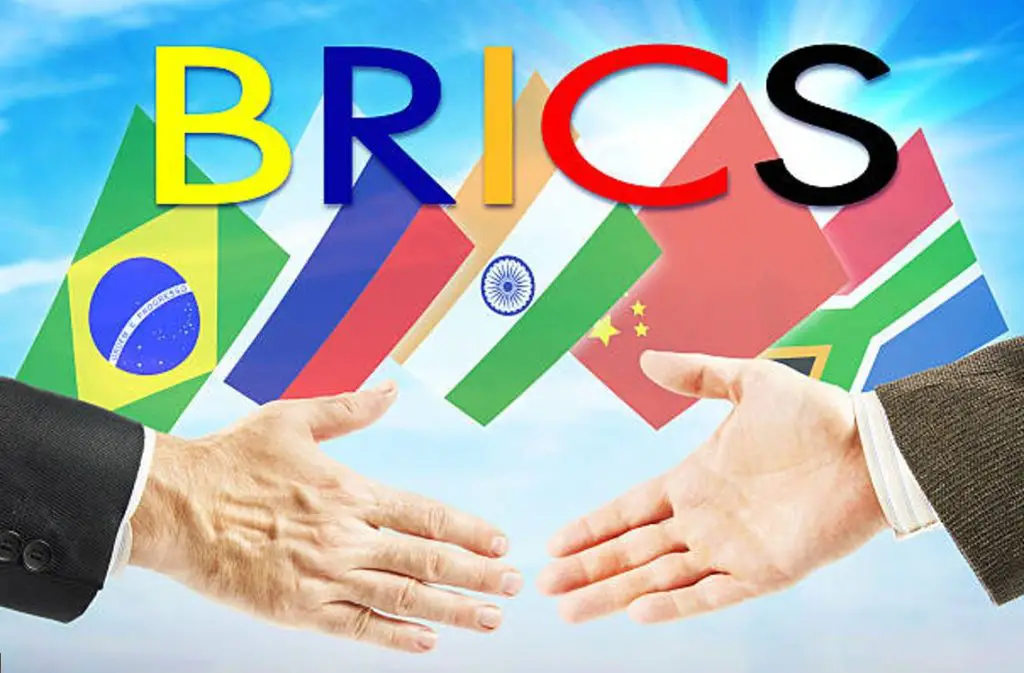
China presently has the largest sum of foreign exchange reserves in the world. When its over US$ 3 trillion in reserves is added to the reserves of the other BRICS member states the questions as to why they cannot issue their own currency start to grow louder.
Talks of a common currency fizzled out as more pressing national and international matters eclipsed the idea. This year 2022 has seen renewed calls for a common reserve currency emerge once again. This time Russia is leading the call for the creation of a reserve currency that will be an alternative to the United States dollar as a mechanism for the settlement of international transactions.
Russia’s motive for making such a call is obvious, the country has been at war with Ukraine since February 2022. This aggression against Ukraine has earned Russia some of the most stringent economic sanctions in history. What has been the greatest pain point is that Russia has lost access to at least half of its foreign exchange reserves since the beginning of its war with Ukraine.
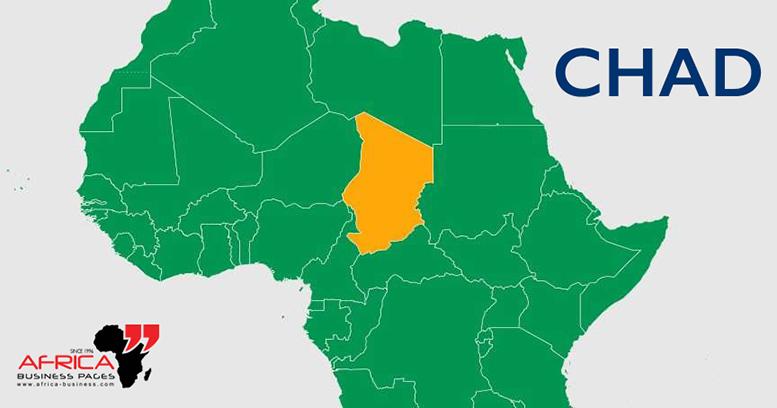
The major petroleum groups had long been reluctant to become involved in Chadian oil fields. The fields in the central/western and northern parts of the country were located in areas of chronic insecurity.
Then, an unprecedented arrangement was made. The World Bank agreed to finance using public funds. The pipeline would later allow the private operators Exxon, Chevron, and Petronas to transport their crude oil to the Cameroonian port of Kribi. This would enable shipping to European or American refineries, where the oil could be offered on the market at prices that the cost of the transport infrastructure would not burden.
Chad faces military challenges on most of its borders which should be factored as a risk. In the west, in the region of Lake Chad, the army has been fighting the Nigerian Islamist group Boko Haram since 2015. On the border with Sudan, Eastern Chad has seen conflicts between different ethnic groups. Northern Chad is also unstable, sparsely populated, and difficult to control. Several Chadian rebel groups have set up their base in neighbouring southern Libya. Despite these problems, Chad’s armed forces are considered by many analysts to be the most effective in the Sahel.
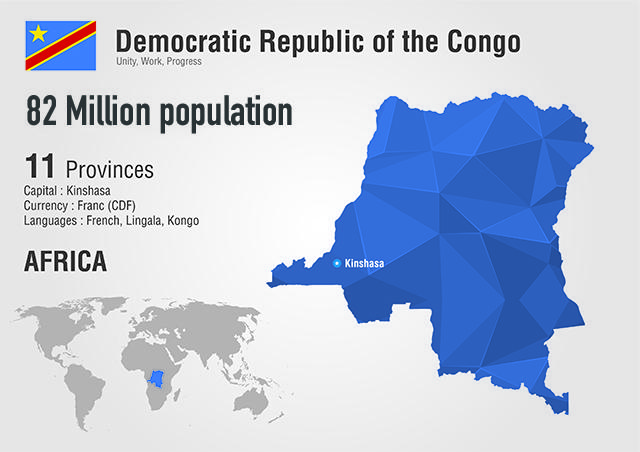
In 2020 Democratic Republic of the Congo was placed as the 87th economy in the world in terms of GDP (current US$), number 70 in total exports, number 105 in total imports, number 187 economy in terms of GDP per capita and the number 123 most complex economy according to the Economic Complexity Index (ECI).
According to figures from the Observatory of Economic Complexity (OEC), a global data visualization tool for international trade, as of 2020, the top exports of the Democratic Republic of the Congo are refined copper, cobalt oxides and hydroxides, cobalt, raw copper, and copper ore, exporting mostly to China, Tanzania, United Arab Emirates, South Africa, and Singapore.
The top imports of the Democratic Republic of the Congo are documents of title (bonds etc.) and unused stamps, packaged medicaments, sulphur, refined petroleum, and poultry meat, imported mostly from China, the United States, Zambia, South Africa, and India.
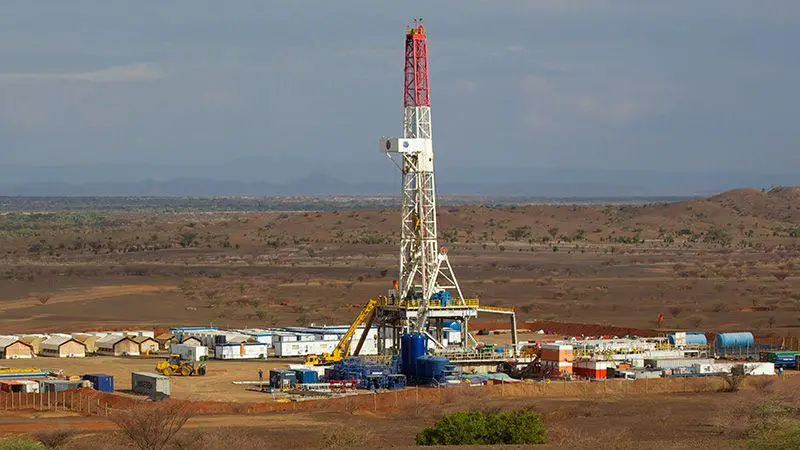
Kenya first announced the discovery of oil in Block 10BB and 13T in Turkana in March 2012.
This became a beacon of hope for the nation, to massively spur economic growth through the so-called ‘petro-dollars’. Currently, Tullow is the project operator and has a 50 per cent stake, while Africa Oil Corp and Total Energies hold 25 per cent each. However, the country is yet to fully commercialize crude oil production. Hitherto, Kenya’s petrodollar dream has only experienced delays and missed deadlines. The project stalled as the companies’ focus was on mitigating debt and finalizing its development programme.
The major road block has been a lack of sufficient working capital, which has led to a scale back in activities to minimize capital investment, until both a strategic partner and the Final Development Plan (FDP) are approved. Since the start of the year, the firm has been engaged in discussions with the government, on the approval of its FDP and securing their deliverables thereof. Currently, the government has extended the review period of the FDP to the November 6, 2022.
“These items require satisfactory resolution before the Group can take a final investment decision. Due to the binary nature of these uncertainties, the Group was unable to adjust the cash flows or discount rates appropriately,” Tullow explained.

Music and film are now turning the creative and entertainment tide across the continent. The creatives in Africa are now crowned and featured by other established performers in the developed world, which signals the potential of the creative industry in Africa.
There are more than 2,500 films made each year in Nigeria’s film hub, “Nollywood”. As modern filmmaking technologies expand across Africa, more works are now done in other developing industries in East and Southern Africa.
The United Nations Education, Scientific and Cultural Organization (UNESCO) find the audio-visual sector to be a honeypot, but it is largely untapped. The industry is estimated to account for $5 billion in revenue in Africa out of a $20 billion potential and employ at least 5 million people.
On a global scale, cultural and creative industries are estimated to generate about $2.25 trillion annually, 3 per cent of global GDP, and employ around 30 million people worldwide (UNESCO).
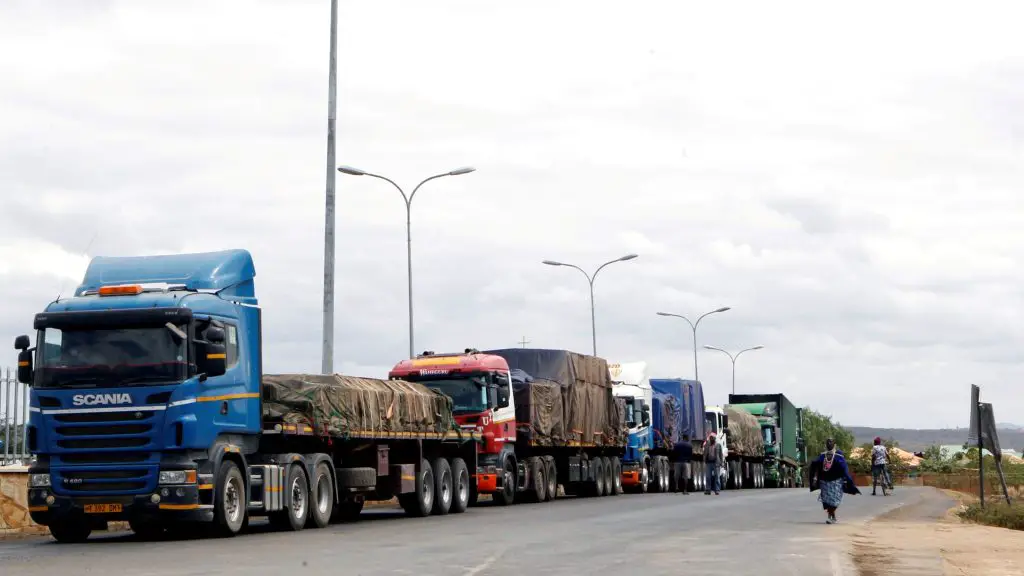
The difficulty of transferring commodities throughout Africa is not new to the continent. It is currently a key impediment to the AfCFTA’s prospects, especially in building regional industrial supply chain clusters. Africa’s massive infrastructure deficit has hindered regional trade and economic integration for decades, notably in transportation and supply chain fragmentation.
Some parts of the continent, specifically areas surrounding East African nations, do far better in cross-border movement and trade. However, most African countries fare poorly on metrics such as cross-border clearance processes. According to the World Bank’s Logistics Performance Index, the regions also struggle with trade quality, infrastructure, inconsistent tax regimes, and consignment trace and track techniques.
Digitalisation in Africa’s logistics industry will address some of these difficulties. Furthermore, the development of digital logistics startups has aided in the facilitation of connection, which is critical to the movement of commodities within the area and across borders.
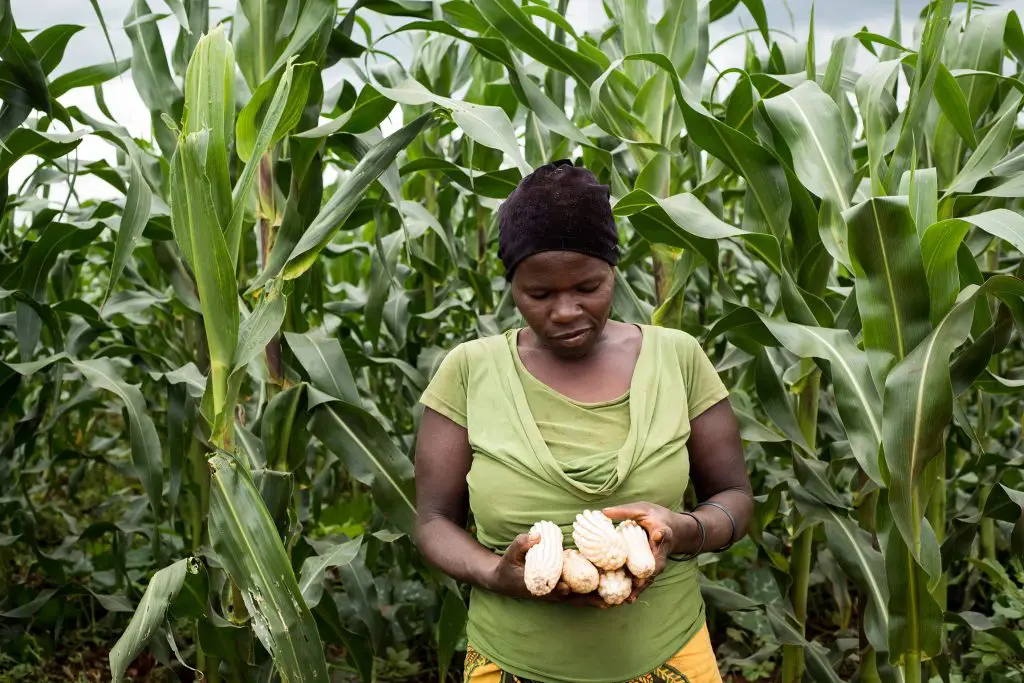
Tanzania is building irrigation schemes for rice production and encourages efficient use of fertilizers via its 10-year National Rice Development Strategy Phase II (NRDS-II). “The NRDS-II purpose is to double the area under rice cultivation from 1.1 to 2.2 million hectares from 2018 to 2030, double on-farm rice productivity from two t/ha to four t/ha by 2030, and reduce post-harvest loss from 30 per cent to 10 per cent by 2030,” according to ITA.
The exportation of goods is a numbers game. Numbers give a unique perspective on the trend of agro-product exportation across potential and competitive markets in the region and abroad.
ITA shows that the exportation of corn has faced setbacks in the financial year 2021/2022 as forecasted to decrease by 20 per cent, equivalent to 80 million metric tonnes, due to the COVID-19 pandemic disrupting supply chains. The decrease is attributed to reports of truck drivers’ screenings, lockdowns and curfews in neighbouring countries.

On Tuesday, August 9, 2022, Kenyans went into the polls to elect their leaders in respective seats, from the member…
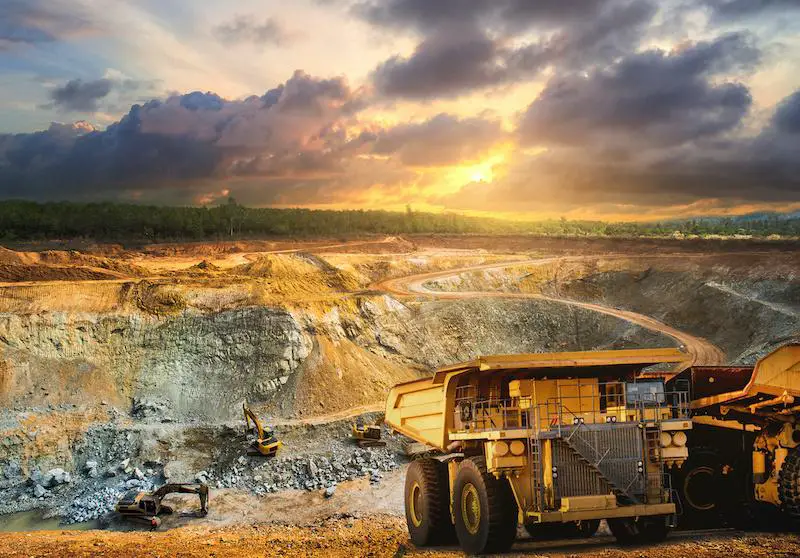
This is specifically in the case of South Africa, which has enjoyed the most benefit from the mining sector in the southern region. This benefit translated into further foreign direct investment flows of more than US$ 40 billion in 2021 alone, up from US$ 3 billion in 2020.
This is in contrast with Zimbabwe, which has been an investment pariah for the last two decades. Zimbabwe has not appropriated as much from its mining sector relative to South Africa, especially when viewed through the foreign direct investment lens. According to its central bank, the country garnered foreign direct investment proceeds of US$ 103 million for the year.
Regardless of the poor showing in FDI terms, the country has recorded a 33% rise in export earnings driven primarily by the mining industry to US$ 5.45 billion. This is to show that the mining sector is central to southern Africa’s economic development.
For practical reasons, European gas buyers need to find a way to make up for the supplies missing from Russia. And for both policy and practical reasons, Brussels wants to deny Moscow the opportunity to continue using gas supplies as a blunt instrument with which to threaten Europe in the future.
The change isn’t going to be immediate. Reducing Russia’s profile in the EU’s energy mix will take time. But the process of supply reduction is underway, and it has already opened up new opportunities for African gas producers to acquire market share in Europe. I expect those opportunities to last beyond the near term as the EU attempts to establish a new combination of gas suppliers to replace Russia over the next few years.
I also hope Africa’s emerging gas producers take advantage of new LNG technologies, such as the modular Fast LNG solutions offered by New Fortress Energy (NFE), a U.S.-based company, to meet European demand for gas. With these technologies, they won’t have to wait as long or spend as much money to begin producing the LNG that European consumers are clamouring to buy.