
Trending
- African governments drive new forest finance progress as global report warns funding globally must scale faster
- Fine Spinners eyes Kenya’s Agoa-backed apparel supply chain with $5m plant
- Why young Kenyan investors need to stop treating the stock market like a betting slip
- Tanzania tax reforms mandate VAT refunds to under 30 days
- In New York, world leaders unveil plan to overhaul global health architecture
- Minisend grows Kenya presence as official payment partner of Africa Blockchain Festival 2026
- UN resolution challenges world maps that make Africa look smaller
- Zimbabwe edges closer to arrears payment, debt restructuring and reset of ties with IMF


Browsing: premium
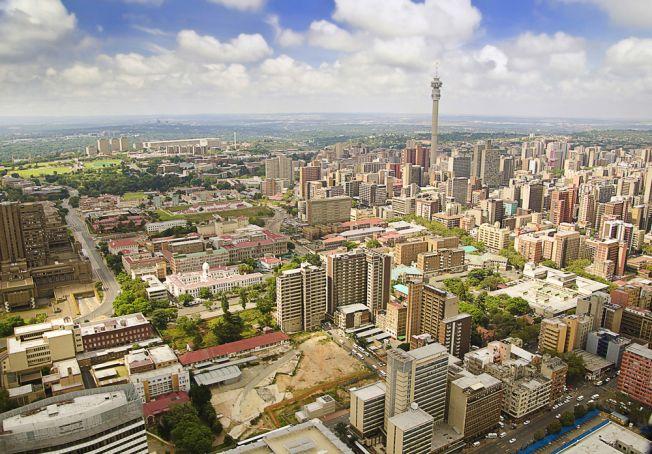
The AfCFTA presents a significant opportunity for African countries to bring 30 million people out of extreme poverty and to raise the incomes of 68 million others who live on less than $5.50 per day. The AfCFTA is the new anchor to pull multinationals to invest in Africa.
This agreement not only brings hope to African governments but also encourages current efforts on the ground, which improve jobs in Africa.
The World Bank points out that the AfCFTA will create the largest free trade area in the world, measured by the number of countries participating. The pact connects 1.3 billion people across 55 countries with a combined gross domestic product (GDP) valued at $3.4 trillion.
It has the potential to lift 30 million people out of extreme poverty, but achieving its full potential will depend on putting in place significant policy reforms and trade facilitation measures.
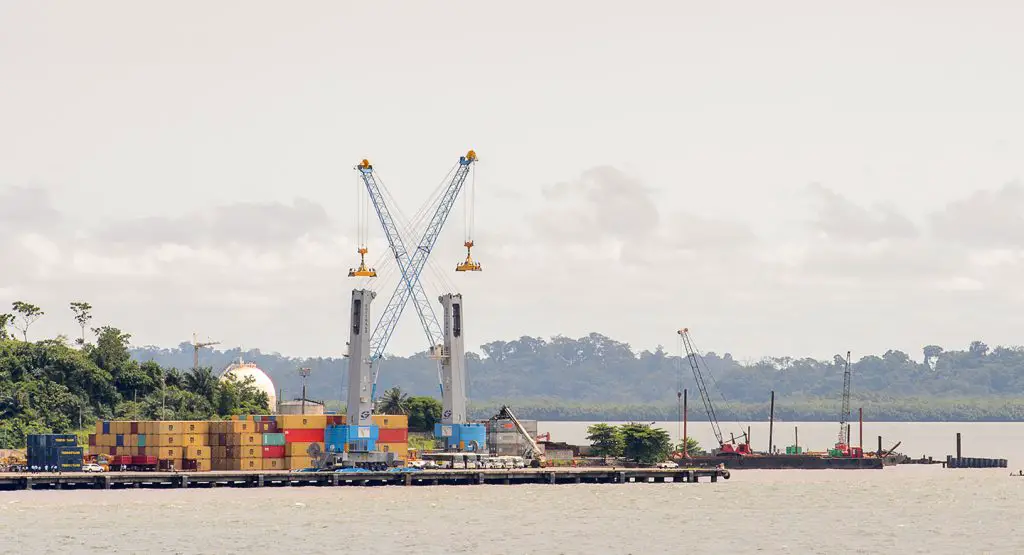
The World Bank estimated the value added in Gabon’s agriculture, forestry, and fishing sectors to be 6.404 per cent of GDP in 2020, a good sign to invest in Gabon.
Gabon imports the bulk of its cereal requirements through commercial channels, with cereal imports accounting for approximately 90 per cent of the total cereal utilization. Imports of cereals in 2021 were estimated at a slightly below-average level of 171,000 tons, including about 110,000 tons of wheat and 55,000 tons of rice.
Gabon is facing escalating agricultural food prices, especially wheat since the war in Ukraine began in February 2022. To keep domestic wheat prices below 25,000 CFA, the government formally budgeted a subsidy of 4,700 CFA (US$7.55) per 50-kg bag to the country’s wheat importers, led by France’s Société Meunière et Avicole du Gabon company.
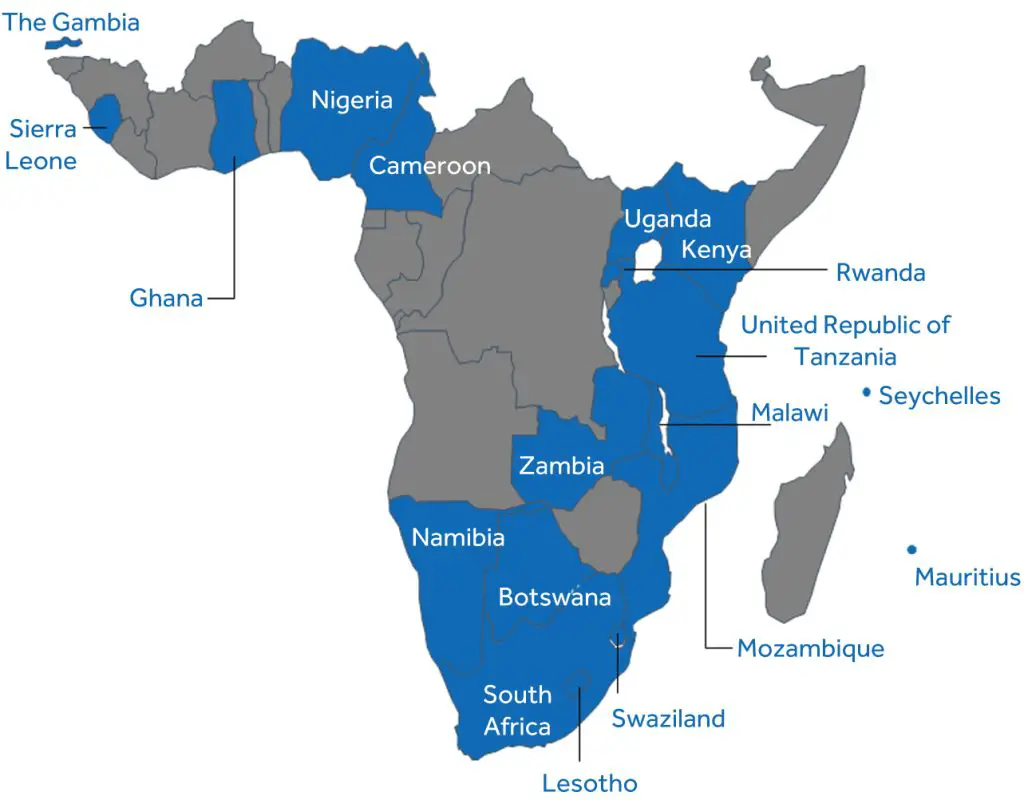
Africa is considered largely the main source of natural resources needed to support and sustain the economic growth of developed and emerging developing countries, and, as noted above, the engagement is often concentrated in a few countries, particularly where they have strategic interests.
African countries do not have adequate capacity to engage emerging developing economies individually.
According to Aileen Kwa, Coordinator, Trade for Development Programme, South Centre, one of the Commonwealth’s mission is to reduce poverty in its member countries, especially the developing ones.
But looking at the poverty levels in Africa, they have been high over the last 30 years, at 74 per cent and 73 per cent in 1981 and 2005, respectively, despite policy reforms undertaken over that period. When translated into absolute numbers, the number of people living on less than US$ 2 per day increased from 295 million in 1981 to about 556 million in 2005.
One of the many lessons learned from the pandemic is that SMEs need to embrace digital transformation, not just to weather unplanned challenges but because it will help them be more competitive and stable. Digital enablement is not just a means of survival. It is a way for SMEs to conduct business more efficiently, which in turn can empower them to expand their operations and earnings further.
Being nimbler than their big business counterparts, SMEs can quickly rethink their marketing strategies and adopt new technologies to enhance their offerings faster. Digital innovation provides extraordinary opportunities for SMEs. It empowers them to implement new market models, has a greater line of sight across their business, improves traceability, and meet their customers, service providers, and logistics partners, in many instances, all on the same page.
In the digital trading space, solutions such as import/export platforms, automated cargo-tracking and digital reporting of non-tariff barriers can significantly provide efficient cross-border trade levelling the playing field for SMEs. This, in turn, is good for both the customers and communities they serve as well as the continent’s economic growth on a wider scale.
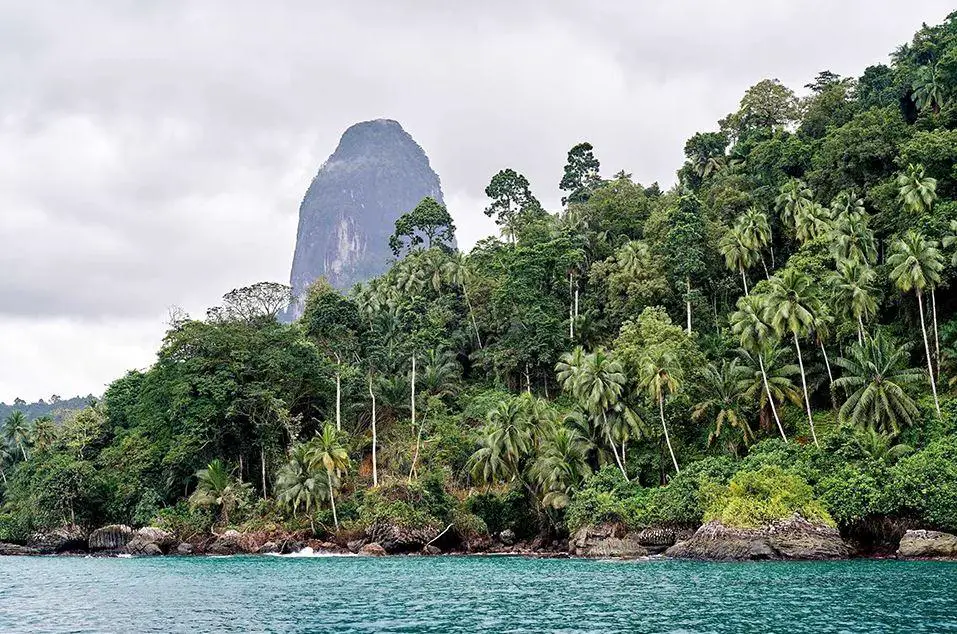
Economically the World Bank categorizes São Tomé and Príncipe as a lower middle-income state with what it calls a fragile economy.
This is not a mischaracterization as the country relies heavily on the tourism sector, making it much more susceptible to external and exogenous shocks. This assertion is confirmed by the African Development Bank, which reported in its economic outlook on São Tomé and Príncipe that the country’s economy shrank by an estimated 6.4% in 2020 after growing by 2.2% in 2018 and 1.3% in 2019.
Will Ghana’s stance on value addition resonate in Africa?
For the first time in a decade, the contraction in output is attributed to a sharp decline in tourism and service sectors, which were severely hurt by weak external and domestic demand and COVID–19 containment measures.
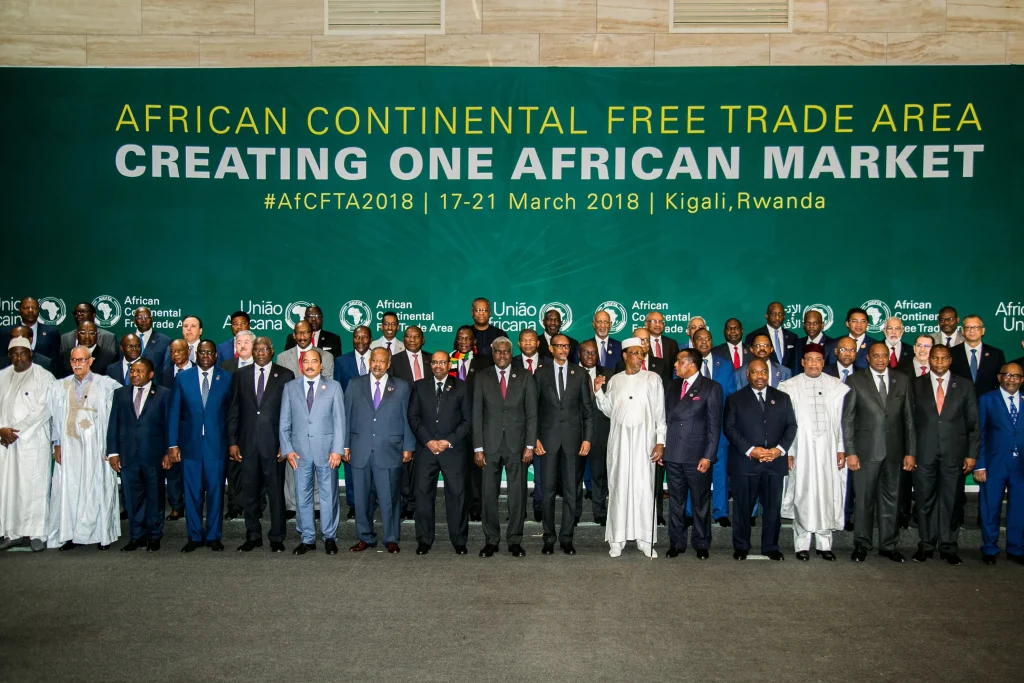
It is critical to strengthen a professional, independent supervision secretariat to make the AfCFTA agreement’s promise a reality. A strong secretariat can assist states in developing strong domestic institutions to administer, monitor, and enforce the AfCFTA. The moment for change has arrived. The conventional development models have failed Africa. The AfCFTA, on the other hand, signifies that Africa is open for business.
AfCFTA will be a game changer for Africa, but its success depends on certain enablers being present. The first and most obvious impediment and an obstacle to the initiative will be mustering the political will of the signatories to implement the necessary reforms to enable its success. This may not always be politically feasible or possible.
The less obvious enablers and the financial institutions on the African continent. Their presence and activities have a direct and strong bearing on the success of AfCFTA. One of the foremost bankers on the African continent, Sim Tshabalala, the chief executive of the continent’s largest banking institution by assets, is fond of saying that banking is a derived business. This means that banks butter their bread from the activities of economic agents.
If AfCFTA is to succeed in its quest to merge the various comparative advantages of the countries that constitute Africa it will need champion banks to support the intra and intercontinental trade activity from there being a single market and all participants, both local and foreign looking to make money. Africa will need champion banks to facilitate the flow of capital to worthwhile projects and ensure that the capital deployed into various activities earns the best returns for its providers.
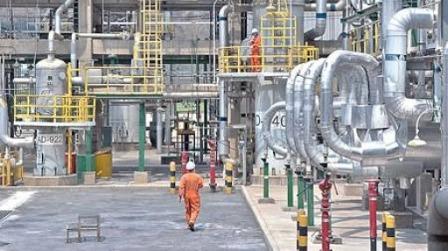
President of Dangote Group, Aliko Dangote in his speech described the new plant as a game changer, as it can make Nigeria self-sufficient in fertilizer production, with spare capacity to export to other markets in Africa and the rest of the world.
While Dangote’s initial export targets were primarily Africa, current market realities mean there is increasing demand from outside the continent. Orders have come from far-flung places in the US, Brazil, Mexico, India, and the EU according to an article by African Business published on May 5, 2022.
According to the World Bank, the proximity of the new fertilizer plant offers a critical window of opportunity for Benin policymakers and the private sector to engage their Nigerian counterparts within the frameworks of the Economic Community of African States (ECOWAS), the African Continental Free Trade Agreement (AfCFTA) and other bilateral agreements to source fertilizer inputs for its farming population to increase food production and meet increasing regional demand for food products. This will make it easier for African countries to improve food production.
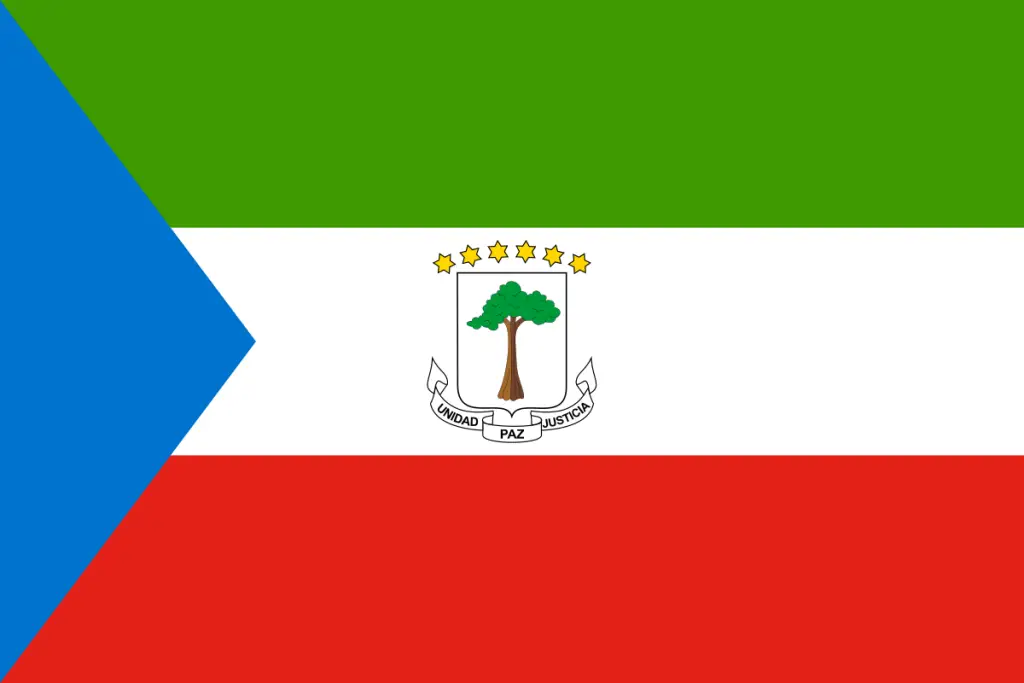
Trading economics’ global macro models and experts’ forecasts indicate Equatorial Guinea’s GDP could reach $12.6 billion by the end of 2022. As such, the long-term trend for the GDP of Equatorial Guinea is anticipated to be about $13 billion by 2023.
Historically, the economy of Equatorial Guinea relied on three commodities: cocoa, coffee, and lumber. However, the discovery and exploitation of petroleum and natural gas in the 1980s radically altered the country’s economic character. As a result, more than four-fifths of Equatorial Guinea’s GDP currently derives from petroleum exports. Nevertheless, the majority of people’s level of living has not changed considerably, and farming remains the predominant source of income.
Nevertheless, the Equatoguinean domestic economy is small, with an estimated population of 1.2 million, despite the country’s membership in the Central African Monetary and Economic Union (CEMAC) sub-region, which comprises more than 50 million people. Notably, the region has a central bank and a shared currency linked to the euro: the CFA franc.
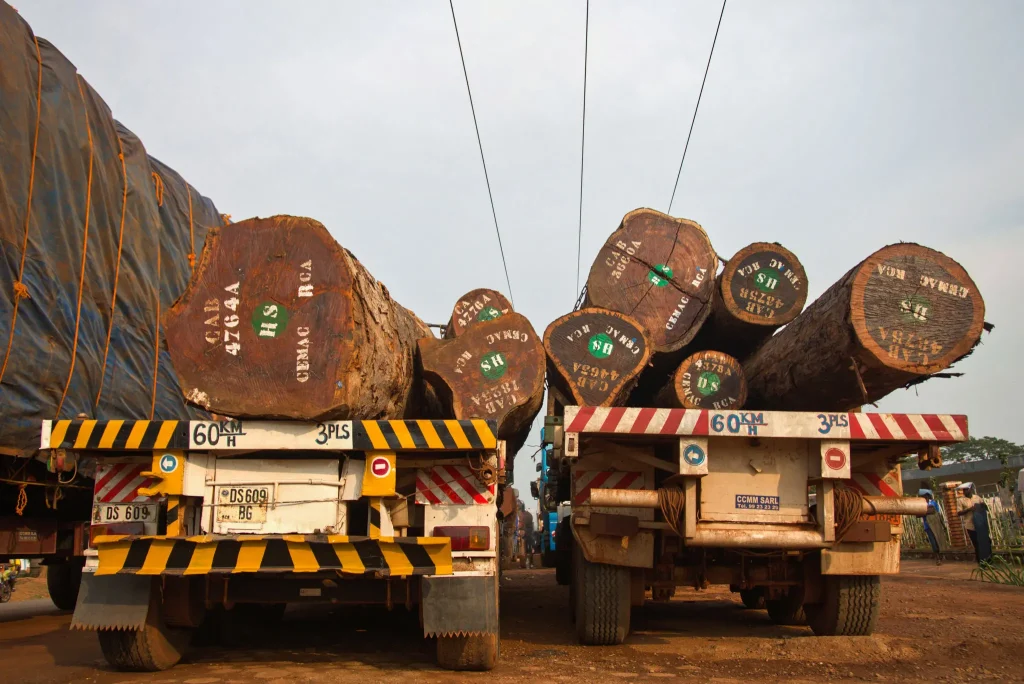
The Central African Republic was the 186th largest exporter in the world in 2020 with a total export value of US$127 million. The country’s exports decreased by US$26.1 million over the past five reported years, from US$153 million in 2015 to US$127 million in 2020.
Rough wood which contributed US$51.9 million in export earnings, gold (US$34.7 million), diamonds (US$14.7 million), sawn wood (US$9.55 million) and refined copper (US$6.66 million) are the most recent export leaders. China (US$50.8 million), the United Arab Emirates (US$37.3 million), Italy (US$12.2 million), Belgium (US$6.84 million), and France (US$4.5 million) are the Central African Republic’s top export markets.