
Trending
- African governments drive new forest finance progress as global report warns funding globally must scale faster
- Fine Spinners eyes Kenya’s Agoa-backed apparel supply chain with $5m plant
- Why young Kenyan investors need to stop treating the stock market like a betting slip
- Tanzania tax reforms mandate VAT refunds to under 30 days
- In New York, world leaders unveil plan to overhaul global health architecture
- Minisend grows Kenya presence as official payment partner of Africa Blockchain Festival 2026
- UN resolution challenges world maps that make Africa look smaller
- Zimbabwe edges closer to arrears payment, debt restructuring and reset of ties with IMF


Browsing: premium

According to Frontiers, AI has been recognized to have a wide potential to reduce human workload or increase human capabilities in complex scenarios, but today it is evident that AI also has an important role in transforming our life by promoting more efficient existing services or new services.
AI is already contributing to a large spectrum of applications in Africa’s aviation and air traffic systems, providing support to its managers (airlines/airport managers, air traffic management) and operators (pilots, air traffic controllers, airport operators, flow controllers).
Governments are focusing on contactless travellers’ experience hence there have been innovations in biometric authentication at airports. For instance, Kenya ruled out paper verification of COVID-19 test results and vaccination certificates upon arrival, sparking local airlines’ adoption of electronic verification processes.
In terms of achieving net zero carbon emissions, the largest mining companies in the world have several options – each with merits and demerits – they can explore. Mining companies can either divest, decommission, reduce emissions in existing operations, and/or offset assets that produce high greenhouse gas emissions (GHG).
Achieving net zero presents a dilemma because many of the largest miners have made their goal of reaching net zero by offsetting current emissions either through purchasing carbon offsets or investing in solutions that mitigate climate change.
Divesting assets, which is something Anglo American did with their coal assets which they spun off into a pure play standalone coal miner, will decrease a miner’s GHG emissions on a standalone basis. This move simply makes the emissions another person or entity’s challenge. The transfer of assets to third parties increases the risk that those assets may not be de-commissioned promptly or appropriately and will continue to contribute to GHG emissions far into the future.
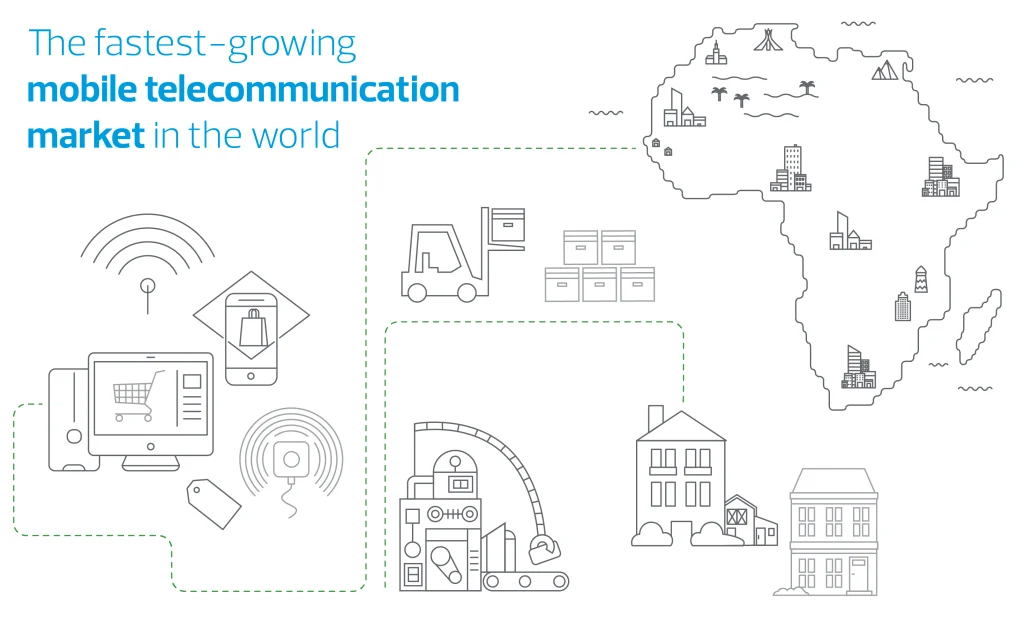
The African logistics market has proven itself ahead of the curve in many areas, with endless potential and opportunities lurking just beneath the surface.
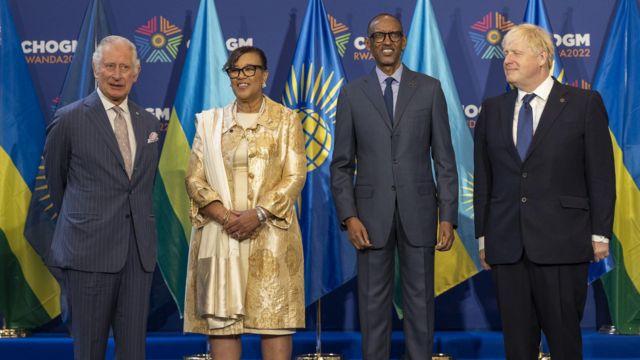
AfCFTA facilitates better access to trade across the continent for all Commonwealth citizens in member states; being one of world’s largest trading blocs. During her visit to Kenya in 2018, SG Scotland noted that, “AfCFTA gives the perfect platform to facilitate trade across the Commonwealth. Nineteen members of the AU are part of the Commonwealth family, the protocol is groundbreaking news because research shows, that when Commonwealth countries trade with each other, its 19 per cent cheaper and this is the Commonwealth Advantage.”
The combined GDP of Commonwealth countries, with a total population of over 2.4B, is now around $13 trillion and is estimated to reach $19.5 trillion in 2027. “With intra-Commonwealth trade expected to surpass $700 billion in 2022, and Commonwealth countries comprising a number of free trade zones including the Africa Continental Free Trade Area (AfCFTA), the Commonwealth Business Forum, provided a valuable opportunity to capitalize on global opportunities, for economic growth and social development.” The CEO of Trust Stamp, Gareth Genner who was one of the key guests at the 2022 CHOGM Business Forum, observed.
Earlier in the year, during the AfCFTA’s Secretary General Wamkele Mene’s visit to London, the UK launched a programme to support the implementation of AfCFTA; where the Foreign Commonwealth and Development Office (FCDO), pledged to provide up to £35m to provide trade facilitation and trade policy support to the AfCFTA Secretariat and Member States, through Trademark East Africa (TMEA), Overseas Development Institute (ODI) and other regional partners.
Zimbabwe Stock Exchange has been one of Africa’s best performing stock markets during the years 2019 to 2021 Zimbabwe’s economy…
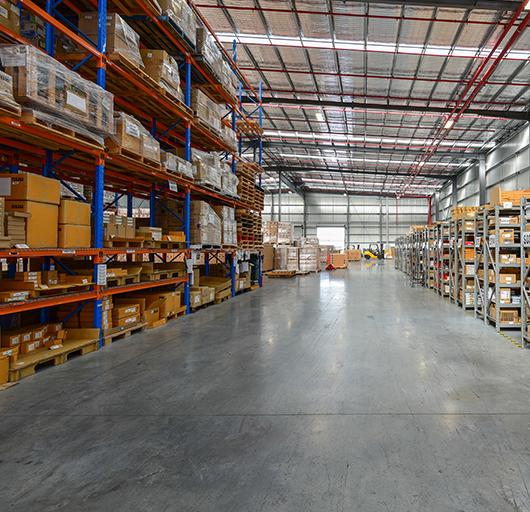
The demand for quality warehousing in Africa has been skyrocketing, especially with the rapid mushrooming and proliferation of e-commerce platforms…

Every African region has felt the effects of Russia’s invasion of Ukraine, with West Africa also bearing the burden of…

Reallocation of government financing is essential in unlocking infrastructure potential. It eliminates the crowding out of private-sector funding, as government investing in most commercially viable assets is crucial to those with lower returns (Mckinsey).
Tanzania is one of the nations that leverages its internal revenue to fund its projects, including iconic bridges in the nation’s commercial capital and several roads, buildings and facilities across the country.
Kenya is another excellent example of a solution offered by Mckinsey as the government prioritised investment in municipal infrastructure as part of a drive to provide 500,000 new affordable housing units in five years.
Ethiopia is moving similarly, whereby it has prioritised investment in industrial development zones to attract global apparel manufacturers.
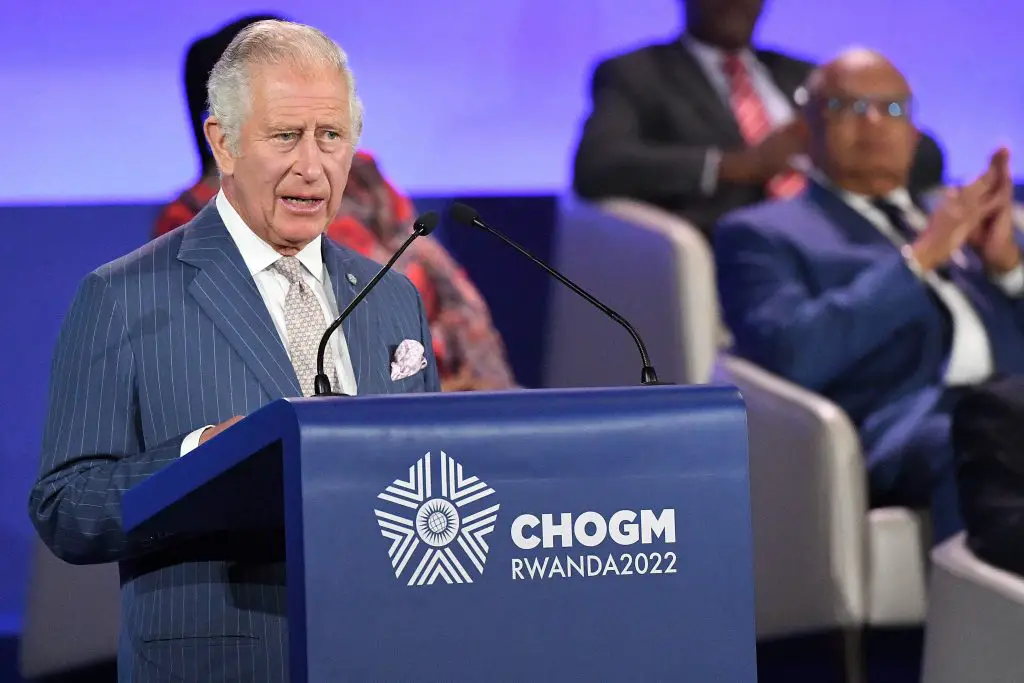
The United Kingdom (UK) has played a key role in participating in commercial investments in Africa in major production areas with varying results.
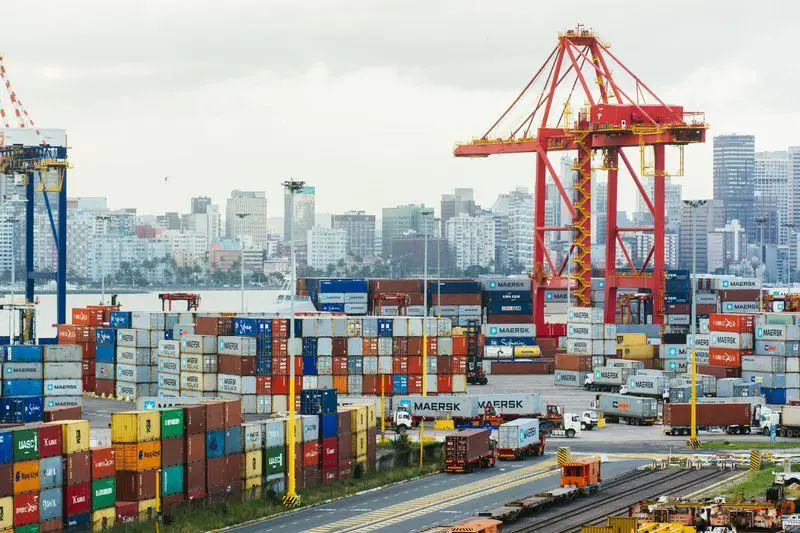
Most Kenyans, 83 per cent, indicated a willingness to increase the amount of money they allocate to savings and investments, but the inability to save due to insufficient funds after fulfilling their obligations that require regular funding and the availability of quick digital loans.
Among their obligations which contribute to Kenyans’ financial strain is supporting their extended family which considerably bites into their savings. 84 per cent of people indicated that they regularly provide some income to their extended family, mostly in case of emergencies, because they feel a sense of obligation to send their extended families money and because their extended family members treat them better when they are sent money.
On their part, the extended family members mostly use the money to cater to recurring expenses like food & transport, school fees and medical expenses at 23 per cent, 19 per cent and 18 per cent respectively. Farm-related expenses like purchase of fertiliser ranked fourth at 14 per cent, phone and home upgrades came in fifth at 7 per cent while entertainment like Christmas celebration was sixth.