

Trending
- African governments drive new forest finance progress as global report warns funding globally must scale faster
- Fine Spinners eyes Kenya’s Agoa-backed apparel supply chain with $5m plant
- Why young Kenyan investors need to stop treating the stock market like a betting slip
- Tanzania tax reforms mandate VAT refunds to under 30 days
- In New York, world leaders unveil plan to overhaul global health architecture
- Minisend grows Kenya presence as official payment partner of Africa Blockchain Festival 2026
- UN resolution challenges world maps that make Africa look smaller
- Zimbabwe edges closer to arrears payment, debt restructuring and reset of ties with IMF


Browsing: premium
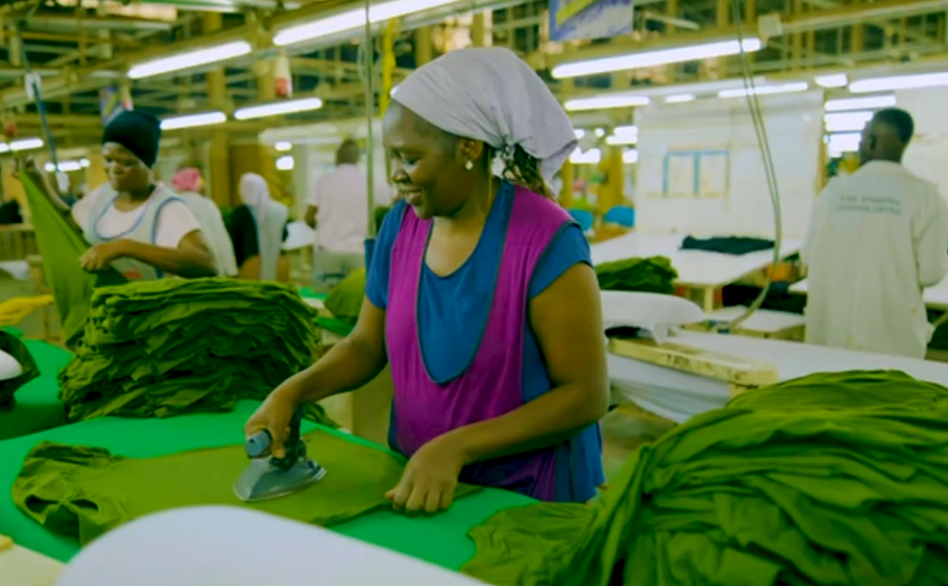
The promise of industrialization in East Africa has been on an exponential growth trajectory, remarkably transforming the economies of all…

Zimbabwe’s economic and currency woes run much deeper than the finance minister can allude to. For starters, the country heavily relies on imports; it produces little in the form of manufactured goods for exports. This means that the country’s means of generating income in the form of foreign exchange consist largely of producing and selling raw goods with no value addition.
This phenomenon constrains the country’s ability to generate the foreign exchange it is in desperate need of to help underscore the value of its currency. This is perhaps the biggest stumbling block to the universal adoption and warm reception of the Zimbabwe dollar.
Zimbabwe’s citizens have had unpleasant experiences with the Zimbabwe dollar even before it collapsed in 2009. The country’s citizens have seen numerous bank failures with their savings and receiving no compensation for their losses. This was in 2004 when the banking crisis claimed the scalps of all but a handful of local/indigenous banks. In 2006 the central bank raided the foreign currency accounts of the largest exporters in the country. The foreign exchange, it is said, was used to finance the government and political expenditures.

Africa’s road infrastructure remains essential for landlocked countries, where opening manufacturing zones are needed. Reliable road transport is required for businesses to import and export goods, complete orders, and procure supplies.
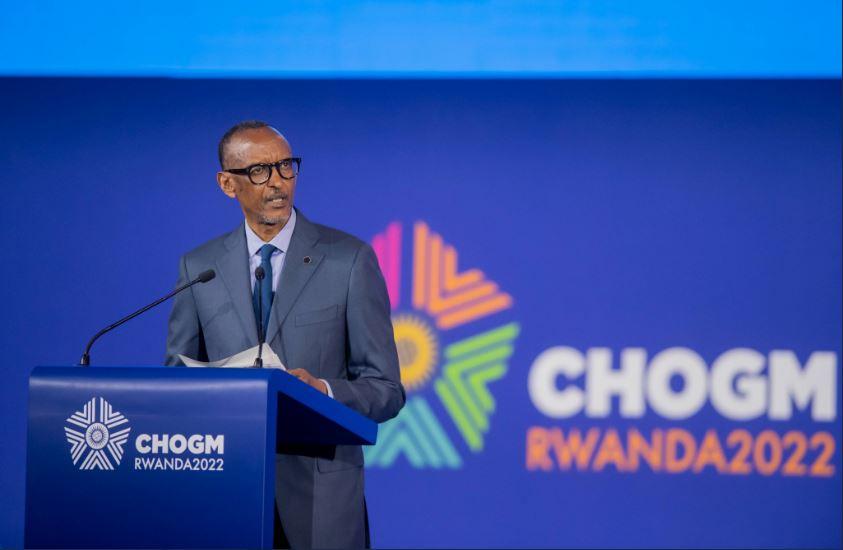
In renewing the commitments to end Malaria and Neglected Tropical Diseases (NTDs) by 2030, Commonwealth heads pledged over $4 billion…
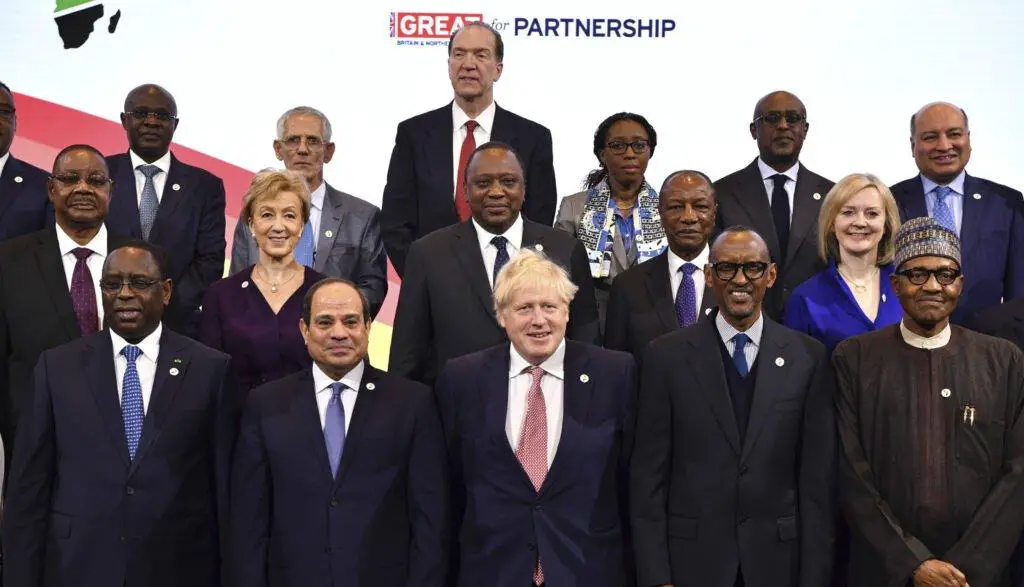
According to The Carnegie Endowment, “UK investors accounted for the second-largest FDI stock in Africa in 2019 with US$66 billion, with roughly 83 per cent concentrated in oil, gas, mining, and financial services.”
However, the connection between the two areas is important. After the UK’s post-Brexit foreign and development policy, the relationship between the two was strengthened in 2020 during the UK Africa Investment Summit, thanks to the establishment of the UK’s Foreign, Commonwealth, and Development Office.
At the Commonwealth Heads of Government Meeting (CHOGM) this year in Rwanda, common principles and plans for improving people’s lives were reaffirmed. The most ideal goal to which almost every country in the region aspires is the economic prosperity of Africa.
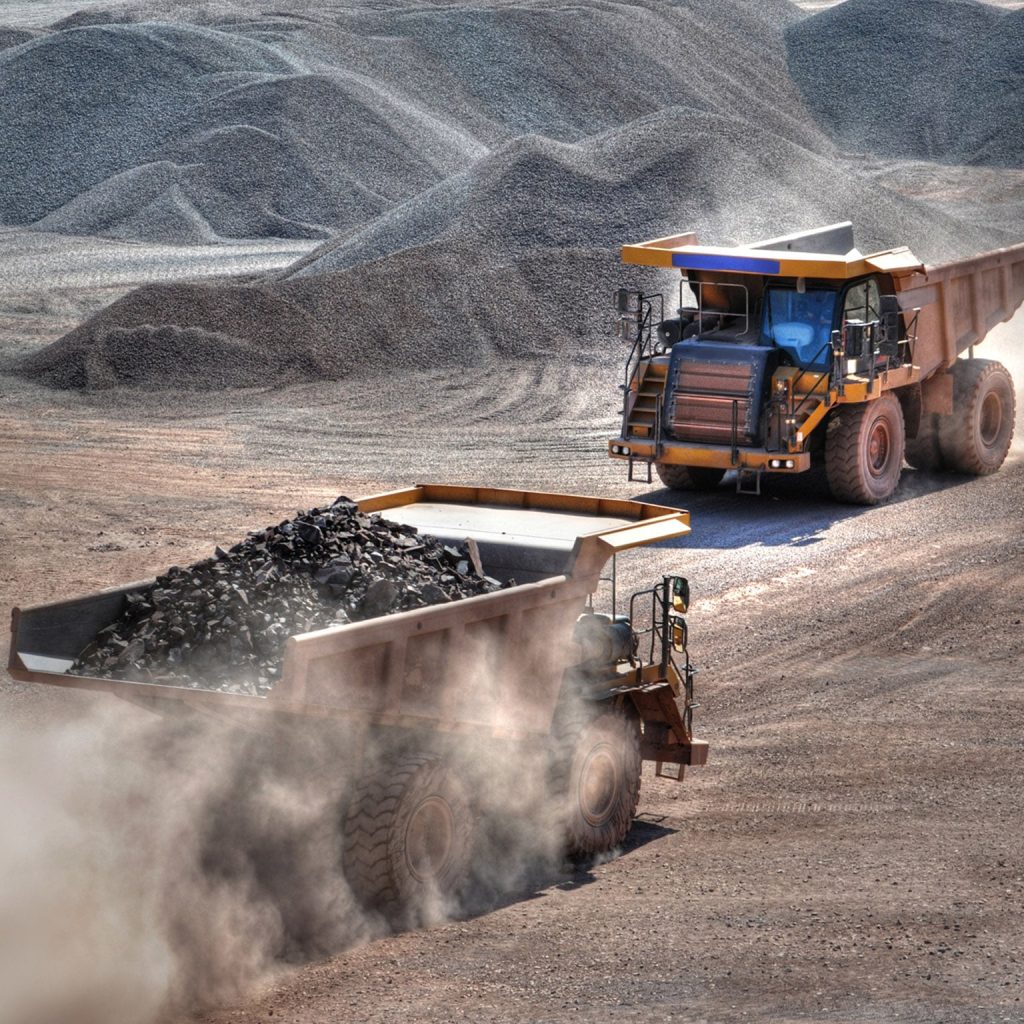
The global mining industry is changing minerals that drove mining activity and profits are slowly being eclipsed by the emergence…

Over the past decade Africa has been rife with infrastructure developments that hitherto continue to steadily transform the continent, spurring…

Despite poor irrigation systems, extreme weather conditions and soil quality becoming the case for wheat importation instead of farming it, countries such as Tanzania and Kenya are amping up their farming systems.
Tanzania’s irrigation area has risen to more than 727,000 hectares from around 625,000 in 2021. The nation has built silos in Burundi, Kenya and Congo, easing up supply and trade of crops across the regions. Kenya, East Africa’s leading economy and among Africa’s top four in fintech is leveraging modern financial technology to enhance commercial agriculture practices.
Utiliser application is a challenge, and the nation is striving to assist farmers in adapting to new tech by offering subsidies to ensure productivity is restored, while Uganda is striving to level up the playing field for farmers to access and adopt low-cost irrigation and climate-smart agriculture systems. On the same note, it also intensifies the functions of the entire agriculture value chain by empowering small and medium agri-businesses with capital.
Though not an overnight project, Africa can realise the sustainable and relevant adoption of low-cost irrigation and climate-smart agriculture systems, which will arguably transform food production systems and farmers’ economies.
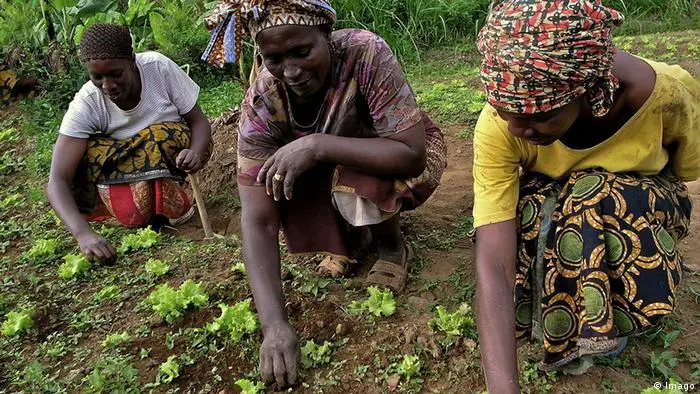
The CRDB alone offers at least 40 per cent of all loans issued to the sector and also unveils a vast opportunity package for local farmers via financing climate-resilient and adaptation projects in Tanzania, making available $200 million in agri-loans for the taking.
According to The Citizen, the adaptation projects target six million beneficiaries in Tanzania’s agriculture industry.
Top bankers are now taking agriculture as a viable product to invest in and develop. Tanzania’s best-performing retail bank, NMB, has set up a specialised agri-business department to serve and effectively attend to all farming financial aspirations.
Tanzania’s agriculture ministry has ramped up funding in research and development from $3.15 million to $4.86 million in the financial year 2022/2023. Further, irrigation is taking a new shift in Tanzania. According to the ministry, the area irrigated has increased from 695,045 hectares in 2020/2021 to 727,280 hectares in 2021/2022.
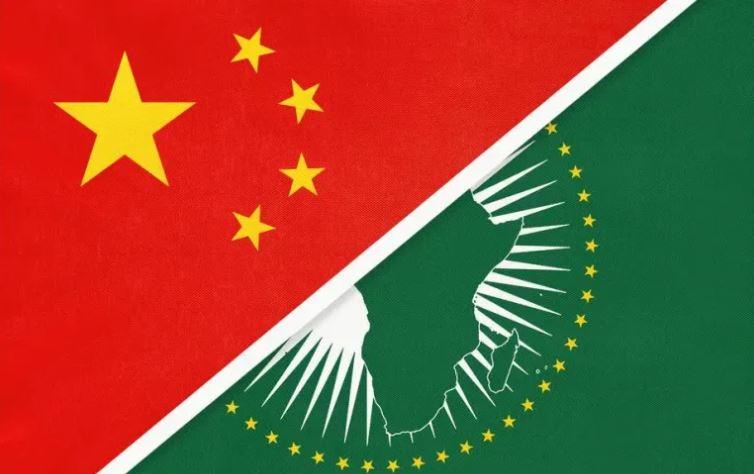
China’s GDP is central to the global economy and especially in Africa The Asian country’s economy is integrated with nearly…