
Trending
- African governments drive new forest finance progress as global report warns funding globally must scale faster
- Fine Spinners eyes Kenya’s Agoa-backed apparel supply chain with $5m plant
- Why young Kenyan investors need to stop treating the stock market like a betting slip
- Tanzania tax reforms mandate VAT refunds to under 30 days
- In New York, world leaders unveil plan to overhaul global health architecture
- Minisend grows Kenya presence as official payment partner of Africa Blockchain Festival 2026
- UN resolution challenges world maps that make Africa look smaller
- Zimbabwe edges closer to arrears payment, debt restructuring and reset of ties with IMF


Browsing: premium

Most Kenyans, 83 per cent, indicated a willingness to increase the amount of money they allocate to savings and investments, but the inability to save due to insufficient funds after fulfilling their obligations that require regular funding and the availability of quick digital loans.
Among their obligations which contribute to Kenyans’ financial strain is supporting their extended family which considerably bites into their savings. 84 per cent of people indicated that they regularly provide some income to their extended family, mostly in case of emergencies, because they feel a sense of obligation to send their extended families money and because their extended family members treat them better when they are sent money.
On their part, the extended family members mostly use the money to cater to recurring expenses like food & transport, school fees and medical expenses at 23 per cent, 19 per cent and 18 per cent respectively. Farm-related expenses like purchase of fertiliser ranked fourth at 14 per cent, phone and home upgrades came in fifth at 7 per cent while entertainment like Christmas celebration was sixth.
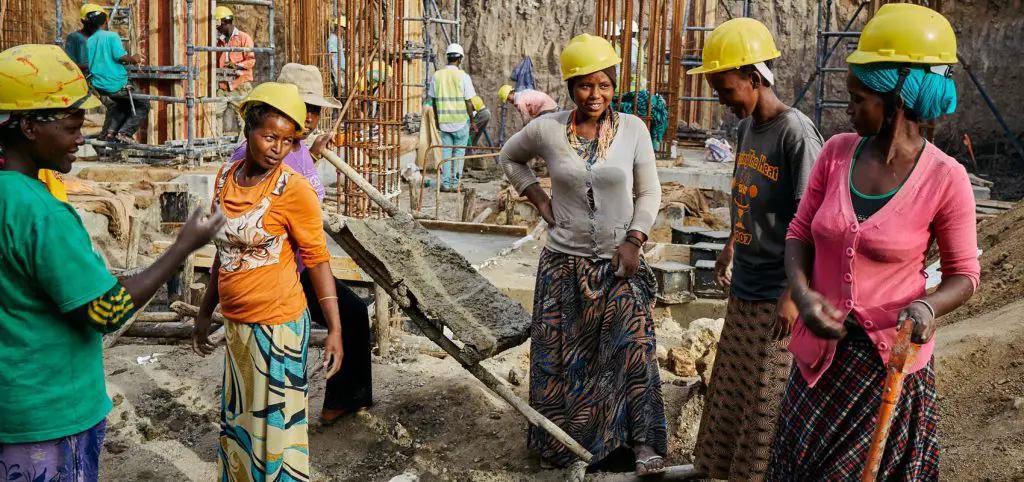
African nation’s like Rwanda are investing in top-notch ICT systems Industrialization in Africa is yet a challenge being tackled by…

In as far as global trade is concerned Africa has a central role to play. So critical is this role that should Africa be absent from the global trade equation the global economy simply will not prosper. Africa’s mining sector offers in 2022 and going forward a real opportunity for expansion.
Africa’s economic transformation will come from its ability to leverage the comparative advantage position its natural resources offer. Africa needs to become the seventh corridor of the Belt & Road Initiative (BRI). China will be able to enhance its dominance in the global economy if it does more to invest in and develop economic ties with Africa.
Currently the BRI in as far as Africa is concerned restricts the role of Africa to providing access to raw materials.
TaRL is a unique intervention for accelerated learning that supports children who would have otherwise been left behind to learn and thrive. Pioneered by Pratham, an Indian NGO, the approach that has now been piloted in several African countries, including Nigeria, Côte d’Ivoire, and Zambia, has revealed that learning outcomes improved with three months of accelerated learning focused on foundational skills through the support of TaRL Africa.
TaRL evaluates children using a simple assessment tool and then groups them according to learning level rather than age or grade. Each group is taught using appropriate fun/play activities and materials, starting from what the child already knows. In Nigeria, for instance, the percentage of children who could read a simple English word increased by 30 percentage points after only 114 hours (on average) of participating in a TaRL pilot.
Schools can ensure that children are never too far behind by targeting teaching to what learners already know. TaRL has provided evidence that by relieving the constraint of poorly targeted instruction, children’s learning can improve significantly.
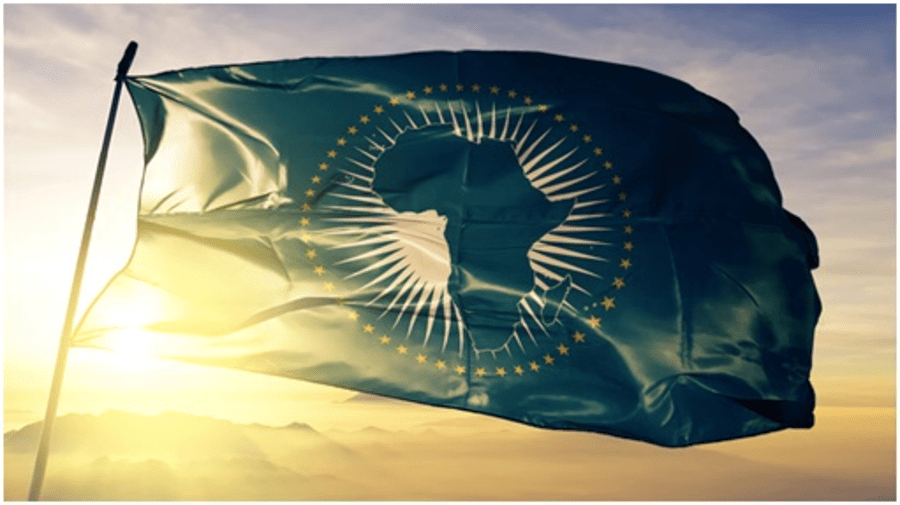
Africans and African diaspora across the world commemorated Africa Day on May 25, 2022. The day truly serves to integrate…
These gains will come from reduced tariffs which are stubbornly high among states in the region. More and greater gains will come from the reduction of trade costs by reducing non-tariff barriers and improving what the World Bank describes as hard and soft infrastructure at borders. The aim of these measures is to reduce red tape, lower compliance costs for traders and make the integration of African businesses with global supply chains seamless.
AfCFTA is still in its infancy stages in terms of implementation with a lot still to be seen in terms of its success. These practical reforms will be difficult to implement given the sheer size of the trade area. The trade area encompasses 54 countries however, the successful implementation of the initiative will provide substantial rewards. In terms of employment, seamless and frictionless trade between African countries has the potential to lower the gender wage gap in favour of women and help all workers by increasing the amount of decent employment opportunities.
The World Bank estimates that the implementation of AfCFTA will lead to an increase in wages by 10% with the largest gains accruing to women and unskilled labour.
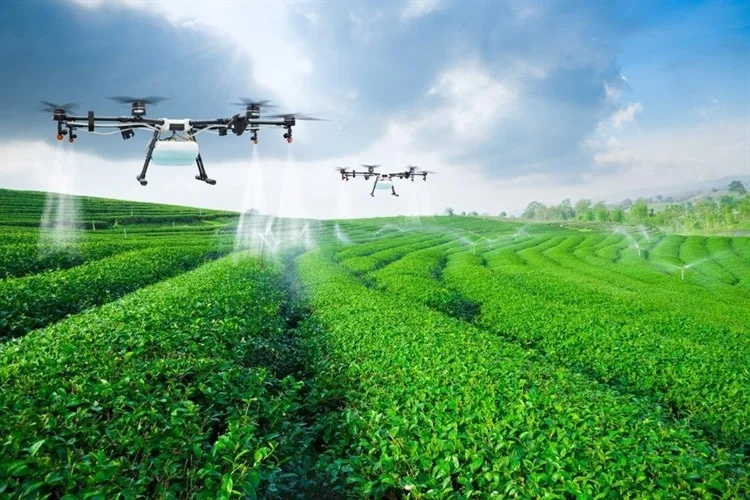
The economies of African countries’ are dominated by agriculture and the continent’s growth relies heavily on the performance of the…
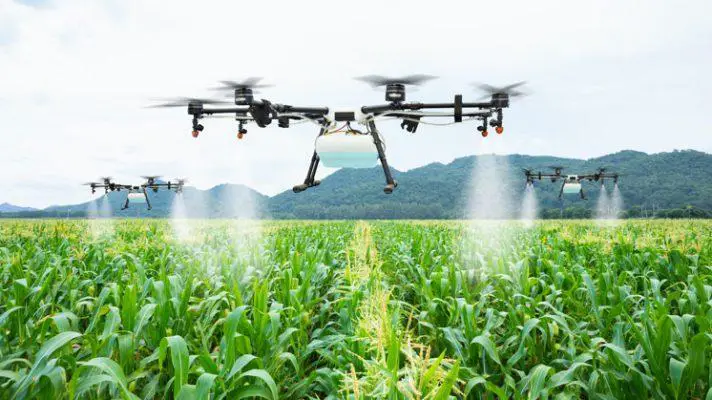
Inarguably, agriculture is the mainstay in most African economies, contributing an average of 30 to 60 per cent of GDP;…
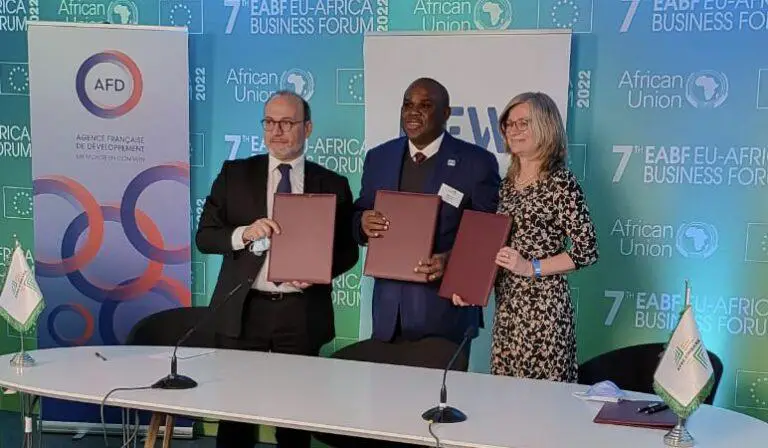
According to Deutschland, German companies long concentrated only on South Africa, but this is changing. Over the past eight years, the Association of German Chambers of Commerce and Industry (DIHK) has opened not less than five new branch offices. Apart from South Africa, top investment destinations include Nigeria, Ghana, Angola, Tanzania, and Mozambique.
Alongside their primary business, German companies are also involved in numerous initiatives to support the African economy and combat poverty. Germany’s Mechanical Engineering Industry Association (VDMA) has founded the “Skilled Workers for Africa” initiative in Botswana, Kenya, and Nigeria. Germany’s successful dual vocational training model serves as an example in Africa. At the same time, Germans benefit from collaboration with local partners, who enable them to access new markets. Local shareholders are essential in some countries.
To strengthen their cross-continental network and promote a value and interest-based exchange, Konrad-Adenauer-Stiftung (KAS) and the Hanns-Seidel-Stiftung (HSS) supported by the Africa CDU/CSU group in the German Bundestag, held a conference in May 2022.
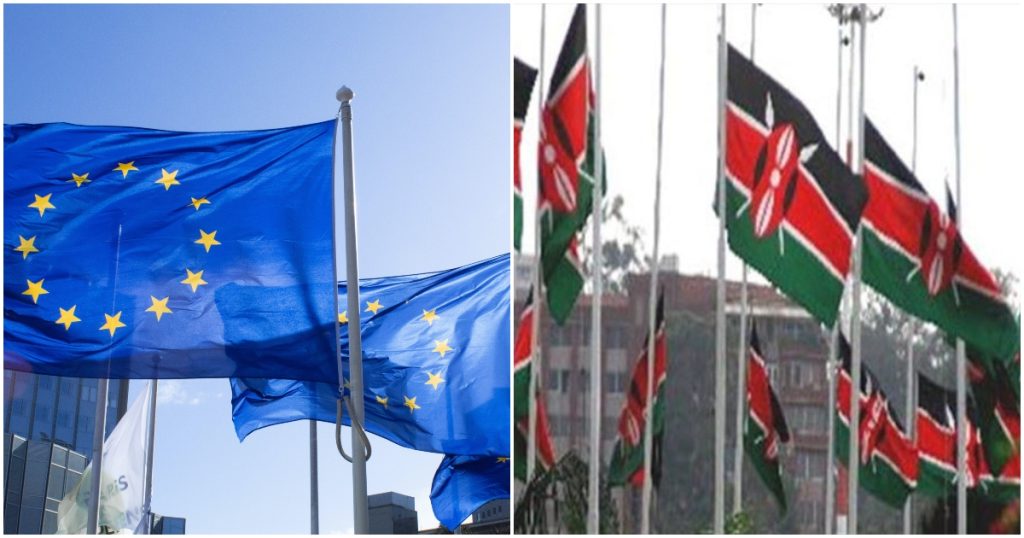
The EU and Kenya bilateral relationship in 2022 continues to thrive with the regions currently negotiating on an interim Economic…