
Trending
- African governments drive new forest finance progress as global report warns funding globally must scale faster
- Fine Spinners eyes Kenya’s Agoa-backed apparel supply chain with $5m plant
- Why young Kenyan investors need to stop treating the stock market like a betting slip
- Tanzania tax reforms mandate VAT refunds to under 30 days
- In New York, world leaders unveil plan to overhaul global health architecture
- Minisend grows Kenya presence as official payment partner of Africa Blockchain Festival 2026
- UN resolution challenges world maps that make Africa look smaller
- Zimbabwe edges closer to arrears payment, debt restructuring and reset of ties with IMF


Browsing: premium
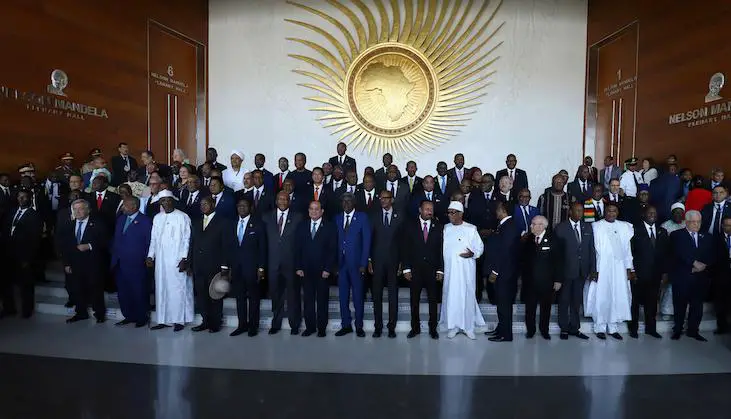
Africa’s role in the world economy derives from its economic importance to the rest of the world in international trade and as a destination for international investment. Africa has recently become home to the largest free trade area in the world, both by area and by the number of countries.
As economies have been hard hit by the Covid-19 pandemic, the Africa Continental Free Trade Area (AfCFTA) holds economic promise for the continent. The AfCFTA comprises 55 countries with a population of 1.3 billion and combined GDP of about $3.4 trillion. Business leaders and observers regard economic and regional integration as essential for accelerating Africa’s manufacturing, e-commerce, and digitization to reduce an over-reliance on imports, especially from China.
However, there is still much more to do as major components of the agreement still must be negotiated, between many countries and regional economic communities. Moreover, according to the IMF, removing non-tariff barriers could be up to four times more effective in boosting trade than tariff reductions.
Dangote also plans to launch an oil refinery that would produce 650,000 barrels per day. Currently, the Dangote Group is the second-largest employer in Nigeria after the federal government, and a new plant is a tremendous opportunity to replace Russian fertilizer imports with African jobs that create warehousing, transport, and logistics infrastructure that help to reduce poverty.
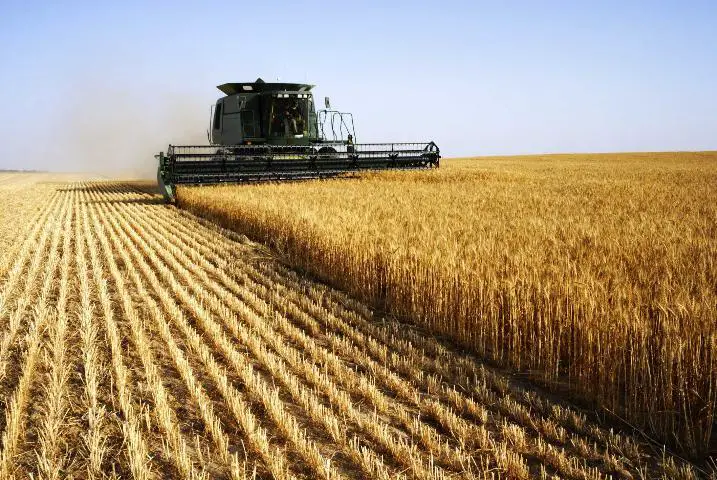
Global wheat, sunflower, and oil crude prices have soared to unprecedented levels. Africa is heavily reliant on food imports from both countries, and the Continent is already experiencing price shocks and disruptions in the supply chain of these commodities.
Over the past decade, the Continent has seen growing demand for cereal crops, including wheat and sunflower, which has been mainly supported by imports than local production. Africa’s wheat imports increased by 68 per cent between 2007 to 2019, surging to 47 million tonnes.
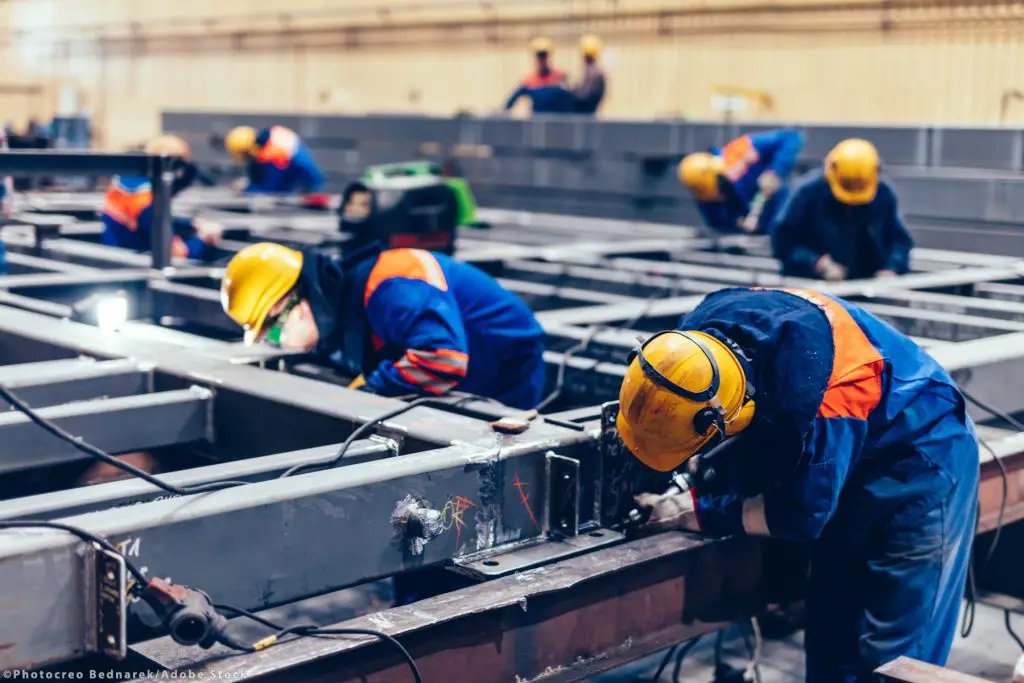
African governments saw a series decline in public revenues during the pandemic Unemployment has surged in Nigeria and South Africa…

Tharisa PLC will be the latest foreign platinum mining firm to enter and invest in the Great Dyke in Zimbabwe.…

Zimbabwe’s platinum resources are out of reach for most of the investing public. Platinum is one the largest generators of…
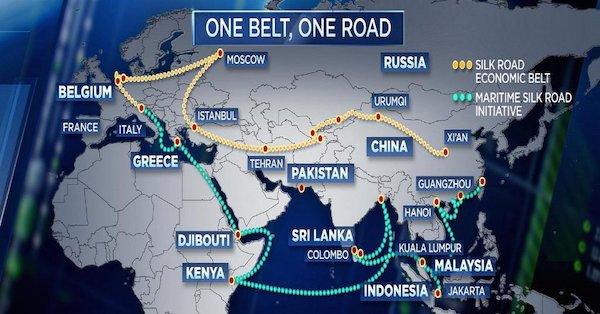
China’s ambition is to eclipse the United States as the leading economy in the world The Belt and Road Initiative…

Due to the pandemic, the topic of innovation in education has never been more crucial.
While most developed countries moved their classes online with ease, many developing countries have had a hard time adapting to the home-school model due to a lack of infrastructure and the high cost of data.
According to the United Nations Educational, Scientific and Cultural Organization (UNESCO), 91.3% of the world’s learning population was impacted by global shutdowns brought about by the pandemic.
This means that about 1.5 billion students were not in school, a situation that largely impacted developing nations, a lot of which are in Africa.
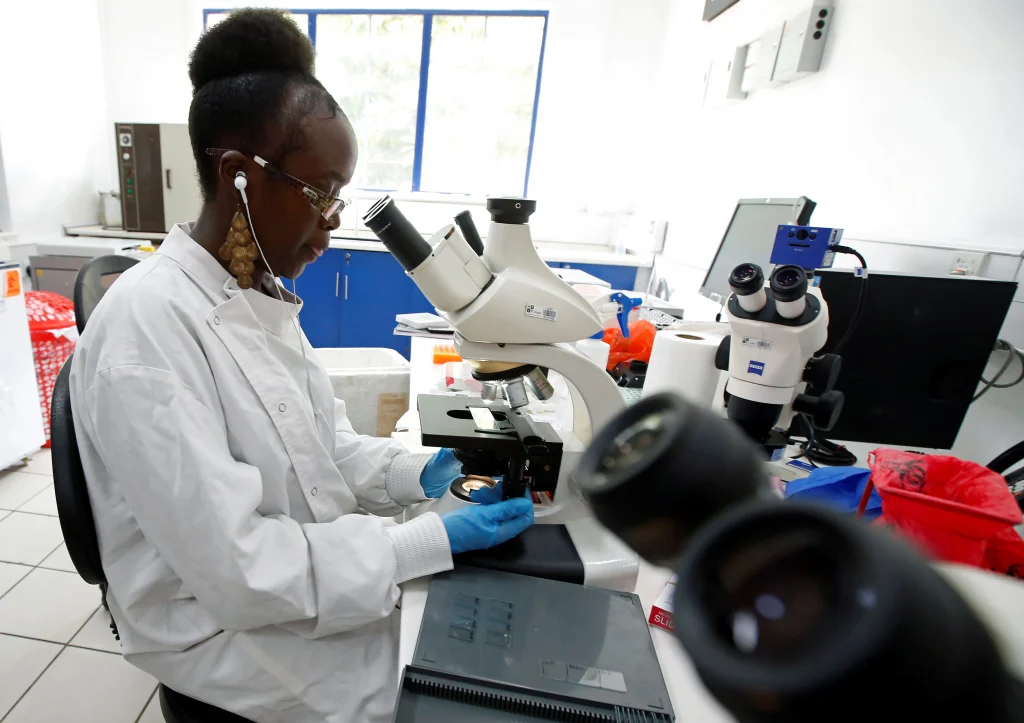
The continent’s digital revolution can largely be driven by building the necessary skills for the short- and long-term future, and this starts in the classroom.
The recent technological influx across Africa, largely boosted by the adoption of mobile phone use, needs to be capitalized upon by the education sector.
This can be achieved through reimagining the education landscape by addressing the challenge of exclusion through increased investment, to achieve quality education in science and technology for all.
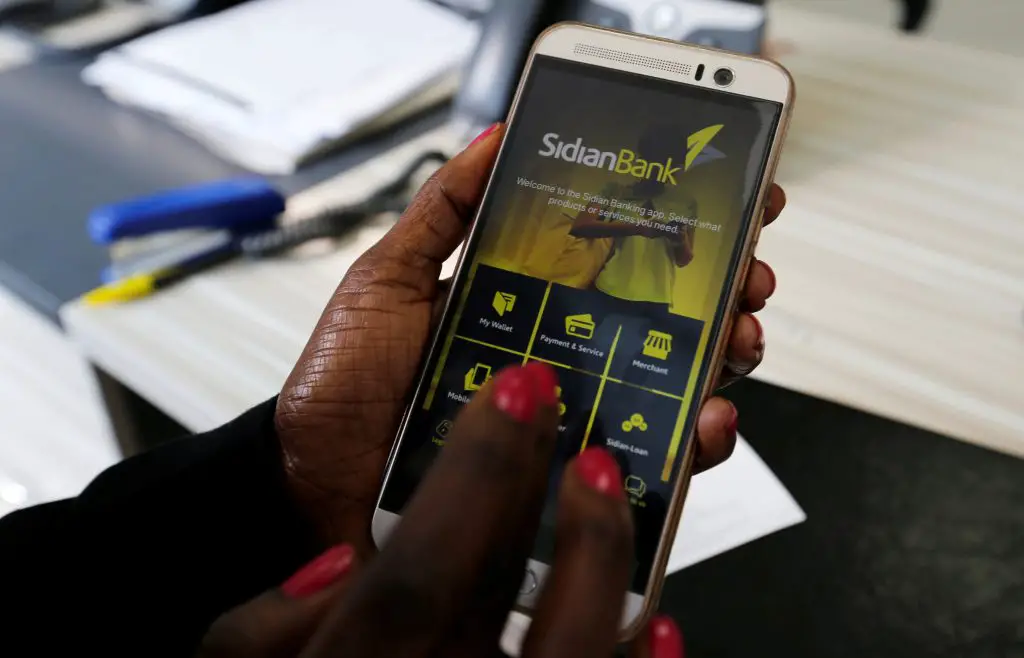
With over 548 million registered mobile money users in sub-Saharan Africa, increased internet access and readily available mobile money solutions, the FX market has become accessible to the majority of Africans.
The availability of mobile money payment solutions has seen an increase in the creation of fintech startups created solely to cater to Africans interested in trying their hand at trading in both local and international FX markets.
Firms including Exness, XM.com, Avatrade, CM Trading, Tickmill and Chipper Cash among others all reported a significant growth in trading in 2020. A testament to the growing trading culture driven by fintech across the continent.

Nigeria is currently the United States’ 54th largest goods trading partner, with US$7.8 billion in total goods trade as of…