
Trending
- African governments drive new forest finance progress as global report warns funding globally must scale faster
- Fine Spinners eyes Kenya’s Agoa-backed apparel supply chain with $5m plant
- Why young Kenyan investors need to stop treating the stock market like a betting slip
- Tanzania tax reforms mandate VAT refunds to under 30 days
- In New York, world leaders unveil plan to overhaul global health architecture
- Minisend grows Kenya presence as official payment partner of Africa Blockchain Festival 2026
- UN resolution challenges world maps that make Africa look smaller
- Zimbabwe edges closer to arrears payment, debt restructuring and reset of ties with IMF


Browsing: premium
Kenya-based Pula is another distinguished insurtech making waves in the continent. It provides small scale farmers with agricultural insurance and digital products, to help mitigate the risk of enduring extreme conditions; assisting small-scale holder farmers to navigate climate risks, improve their farming techniques and boost their revenues. Since its inception in 2015, Pula has impacted 4.3 million farmers across 13 African markets.
Furthermore, the firm has managed to raise a total of US$6million from global venture capital backers for Africa and Asia expansion. Pula won the ‘Insurtech of the year’ award at the African Insurance Awards. Its growth has enabled it to partner with the World Food Programme, to insure 3.5 million farmers across 10 African countries.
Into the bargain, Kenya’s Lami Technologies is another acclaimed insurtech company that recently received US$1.8 million pre-seed; with the round led by Accion Venture Lab, AAIC, Future Africa, among others. The company projects to use the seed investment to hire more people, improve its technology and grow its presence across Africa.
South Africa’s Pineapple, which is a P2P decentralized insurer that gives members fully indemnified insurance coverage; is also renowned in the continent and so is Holland Insurance, which sells car, business, house and funeral insurance. Another leading insurtech company is Octamile, which has recently received pre-seed funding of $500,000 led by EchoVC, with participation from Fiat Venture, Kesho VCs, Trade X and other local and international angels.

Investment in Africa has become ubiquitous. The United Nations-sponsored publication African Renewal shares the generally held view that Africa’s time…

AfCFTA is reshaping African markets; deepening economic integration in accordance with the Pan African Vision of ‘An integrated, Prosperous and Peaceful Africa,’ as enshrined in Agenda 2063. The agreement established a single continental market for goods and services, making for the largest and most ambitious trade bloc in the world, after the WTO. This has created a new market of 1.3 billion consumers across Africa, accounting for a combined GDP in excess of US$3.4 trillion in 55 countries.
According to the World Bank, AfCFTA has the potential to eradicate extreme poverty in the lives of 30 million Africans, and boost the incomes of 68 million of them, that live below the poverty line. Moreover, in the long term the continent is set to immensely reap more benefits out of the Agreement such as the diversification of Intra African trade, elimination of barriers and tariffs, job creation, increase in wages for unskilled workers, export diversification, an enlarged regional market that better attracts FDI and durable sustained economic growth.
Despite its implementation being slowed down by the C-19 pandemic, AfCFTA is still a beacon of hope for the continent, projected to be an engine of growth in the continent for years to come. The Secretary-General of AfCFTA, Wamkele Mene, notes that despite the pandemic shocks, the conti
Amazon Web Services (AWS), the world’s most comprehensive and broadly adopted cloud platform has been helping EdTechs around the world including Africa; to innovate faster technology solutions that support students and educators every day, lowering costs and offering over 200 fully-featured services from data globally.
Some EdTech initiatives in Africa include; Kenya’s Elimu, which is a leading digital educational provider in East Africa; with fun and engaging literacy apps that have garnered numerous positive reviews, due to fast improvements in reading fluency as opposed to the control group. They have been encouraging students to improve their skills both at home and school, combining engaging content as well as proven pedagogies.
Another Kenyan EdTech company gaining traction is Zoezi Education, with a vision to empower the learning community in Kenya, through its flagship products ‘Zoezi Revision and Zoezi Darasani’. The renowned platform offers interactive and auto marked revision questions, for the new CBC curriculum and KCPE past and model papers; reviewed by qualified and experienced teaching personnel across the country. Furthermore, it avails Social and Emotional Learning (SEL) quizzes, composed to meet the CASEL standards.

Africa is now realising the African Continental Free Trade Area (AfCTA) Africa economy is expected to grow by 3.8 percent…

Real estate investment trusts or REITs do not yet exist in Zimbabwe. This will not be the case for long…

Ethiopia is one of the largest countries in Africa The US has a long diplomatic relation with Ethiopia dating 1903…
Trade between Kenya and the US is governed by the World Trade Organization (WTO), given that both countries are members of the Organization.
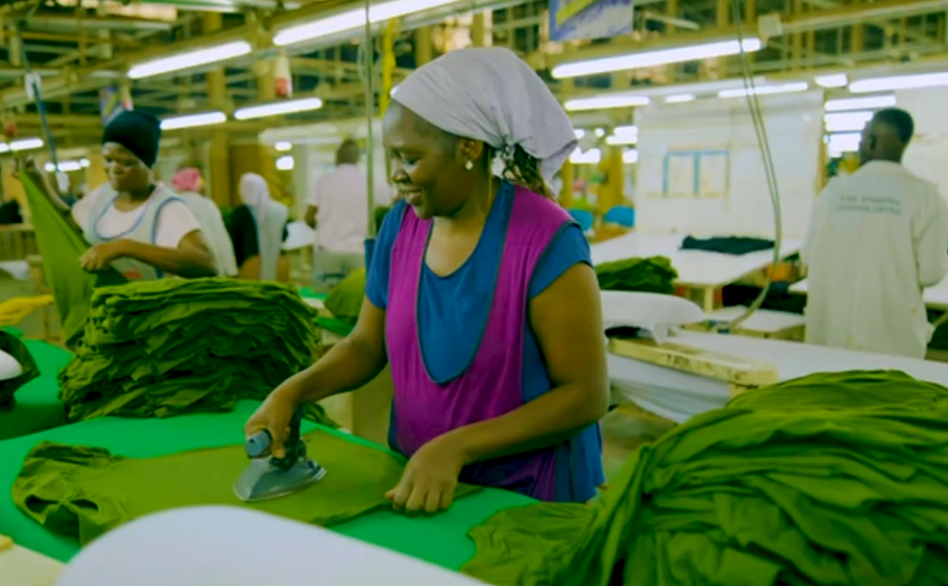
The African Growth and Opportunity Act (AGOA), is perhaps the highlight of the strong trade relations between Kenya and the US; enacted in May 2000 and has since been renewed to 2025. Under the Act, Kenya qualifies for duty-free access to the U.S market, exporting products such as textiles, apparel, and handicrafts among many others.
The US views Kenya as a key strategic trade partner in the region, which is the second-largest beneficiary of the AGOA tariff benefits. In 2019, trade between the United States and Kenya was estimated at US$1.1 billion, recording a 4.9% increase from 2018. Top US imports from Kenya were apparel, estimated at US$454 million, edible fruit and nuts at US$55 million, titanium ores and concentrates at US$52million and coffee at US$34 million. Top exports to Kenya from the US in 2019 were aircraft estimated at US$59million, plastics at US$58million, machinery at US$41 million and cereals at US$27million.

Sasol’s results presentation in February was an awkward affair. The session was pre-recorded and then aired on the company’s website.…

Cryptocurrencies and the technology that enables them, blockchain, are here and they are here to stay. They are not a…