Trending
- African governments drive new forest finance progress as global report warns funding globally must scale faster
- Fine Spinners eyes Kenya’s Agoa-backed apparel supply chain with $5m plant
- Why young Kenyan investors need to stop treating the stock market like a betting slip
- Tanzania tax reforms mandate VAT refunds to under 30 days
- In New York, world leaders unveil plan to overhaul global health architecture
- Minisend grows Kenya presence as official payment partner of Africa Blockchain Festival 2026
- UN resolution challenges world maps that make Africa look smaller
- Zimbabwe edges closer to arrears payment, debt restructuring and reset of ties with IMF


Browsing: premium
The African Diaspora Network (ADN) has been instrumental in not only offering a platform for dialogue, action and innovation but…

Savings and Credit Co-operative Societies (SACCOS) have embraced the new cybersecurity course launched by the Chartered Institute for Securities and…
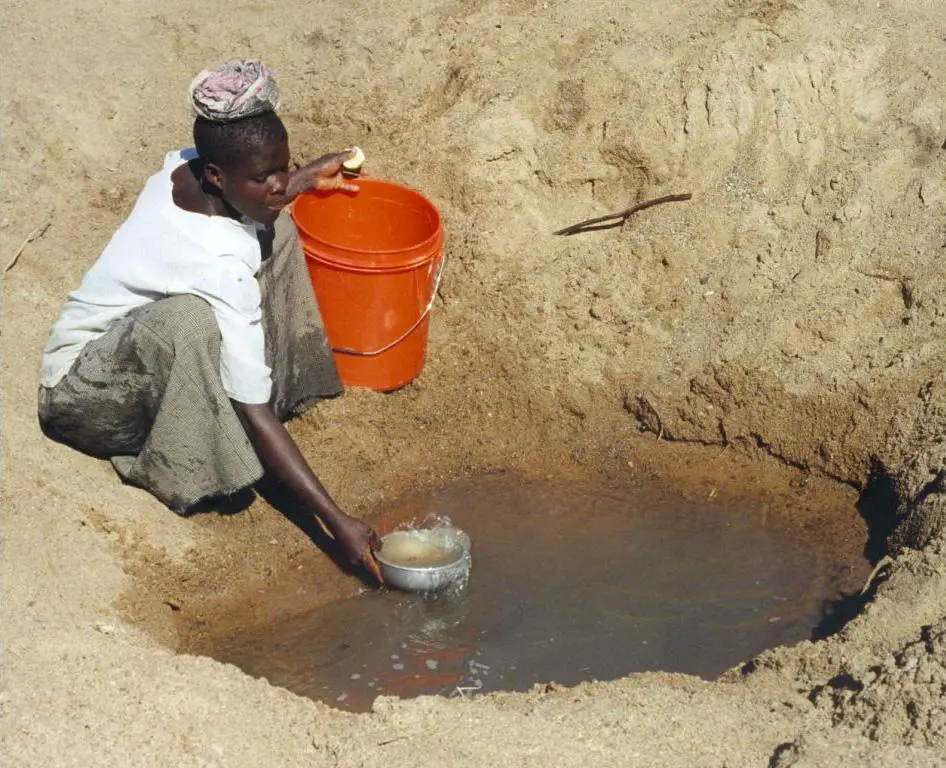
In the wake of the ongoing devastating drought that continues to ravage the Horn of Africa at an alarming rate,…
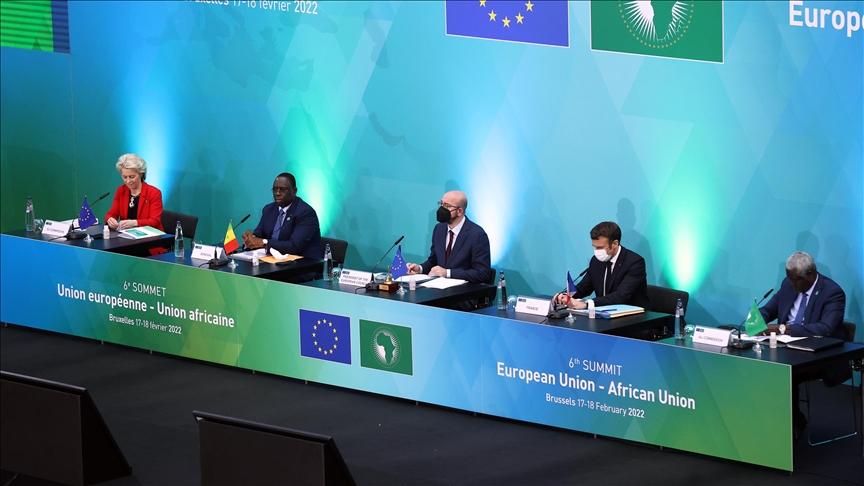
The European Union (EU) and Nigeria have enjoyed robust trade and bilateral relations since the formulation of this lucrative partnership,…
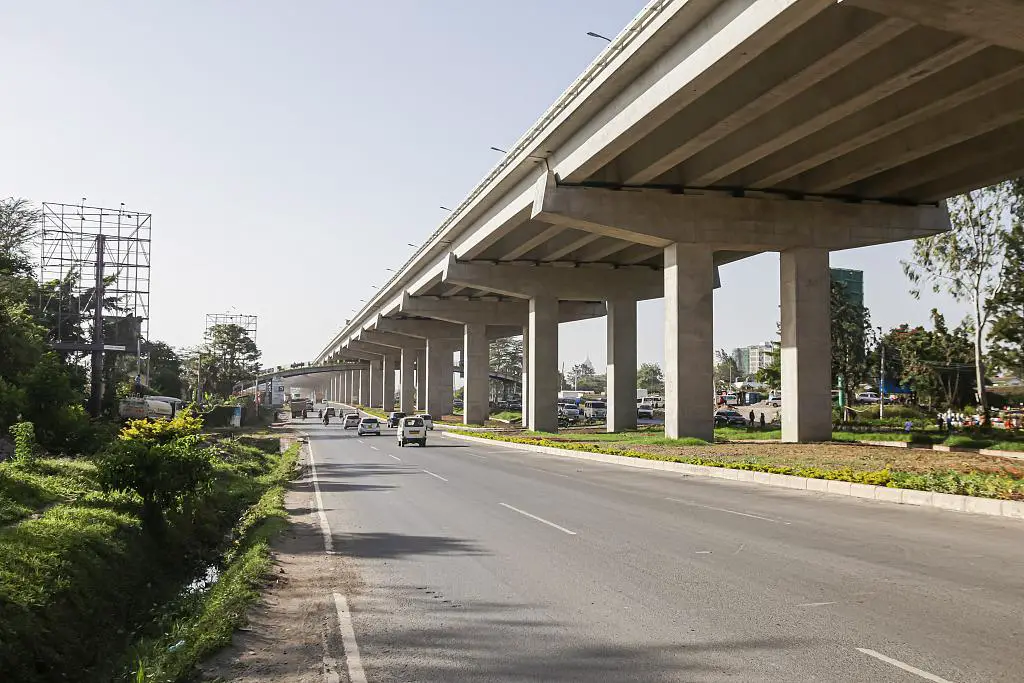
Most African countries lag behind the rest of the world in the coverage of key infrastructure classes including energy, road and rail transportation, together with water infrastructure. Development of Africa’s infrastructure has been met by colossal roadblocks, which have largely stemmed from the endemic systemic corruption that continues to ail the continent, making it one of the biggest hurdles to development. Consequently, this has made attracting foreign investment a nightmare.
This further affirms the description by McKinsey and Company that the continent faces an infrastructure paradox whereby Africa’s track record in moving projects to financial close is poor. Despite the high demand for projects, sufficient supply of capital and investors, coupled with voluminous potential projects there is insufficient investment in infrastructure projects within the region.
Presently, more than two-thirds of the global population without access to electricity is in Sub-Saharan Africa, which is an equivalence of 600 million people. For instance, in Mali, the average person uses less electricity in a year overall, than a Londoner uses to just power their tea kettle. In addition, with the population bulge, forecasts reveal that Africa’s demand for electricity will quadruple between 2010 and 2040.
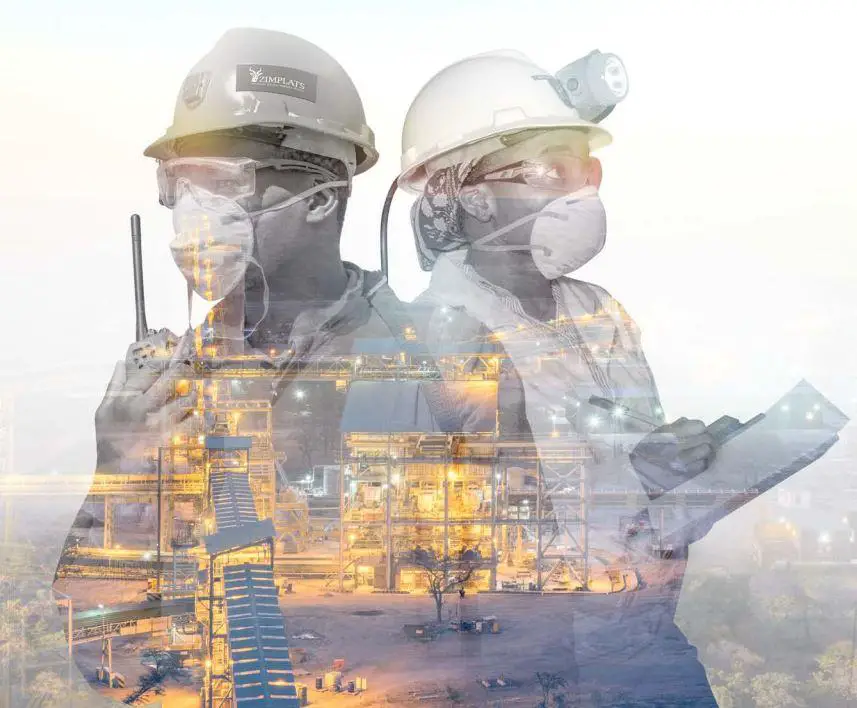
Zimplats Holdings is highly profitable. The Australian Stock Exchange (ASX) listed company boasts a market capitalization of US$2.26 billion. This…
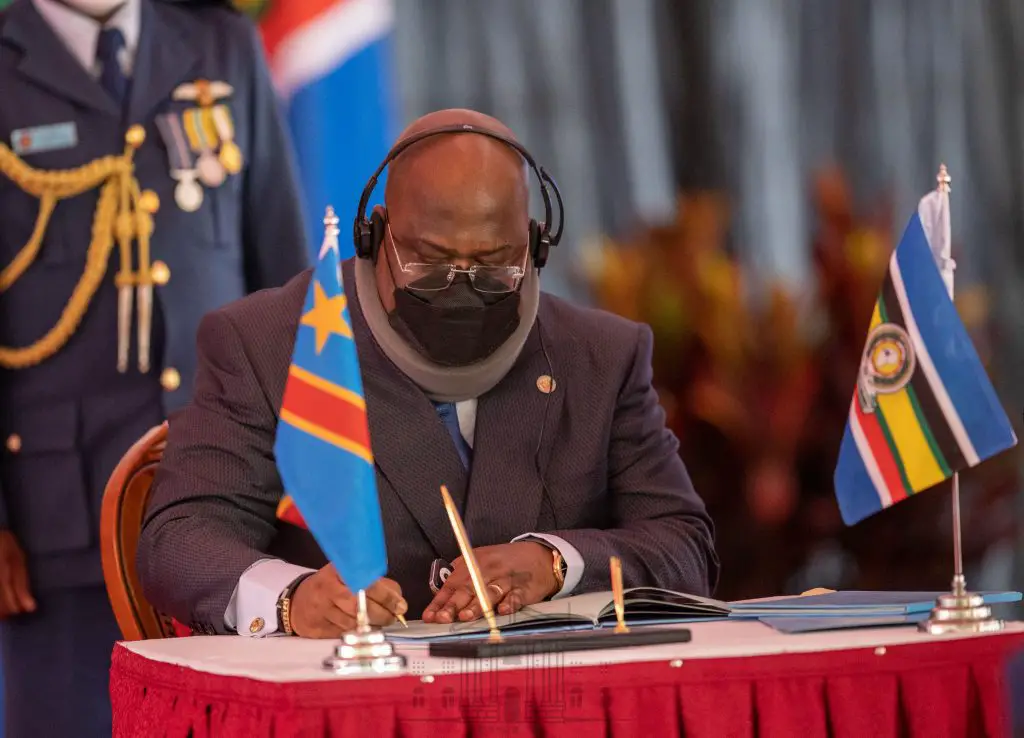
The poor roads in the DRC and the level of insecurity in the country make it difficult and costly to move these mineral resources to the Atlantic port. This makes DRCs decision to join the EAC their most viable option.
A state-owned shipping line from the Congo, the Lignes Maritimes Congolaises (LMC), has already set base in Kenya and plans to start its operation in Mombasa starting this June.
The shipping line seeks to channel more exports and imports goods through the port of Mombasa.
Most roads have either poor bike lanes or no lanes at all. And these are not roads made in the 1990s, no, these are roads being made today. With most industrialized western countries doing away with their overreliance on motorized transport for cycling, a far greener alternative, African countries are yet again slow to catch on.
Secure, well-demarcated bikeways are key to better quality of city life, less vehicular wear and tear on roads and a healthy populace. All these make money sense if you contrast the wage bill on maintaining the roads, combating climate change effects and relieving the overburdened healthcare system.
But more importantly is the creation of an environment where delivery gig work thrives and steps up to be a big earner for young people, who majorly fall under the “untaxable” domain due to lack of gainful employment.
Currently, there are cycle lanes only on a few major roads like Jogoo road, Outering road, and Ngong road. There was a bike lane along Mombasa road but the Nairobi Expressway has erected pillars on it making it unusable. Nonetheless, these lanes face a plethora of issues from being derelict and littered with all manner of trash including broken bottles.
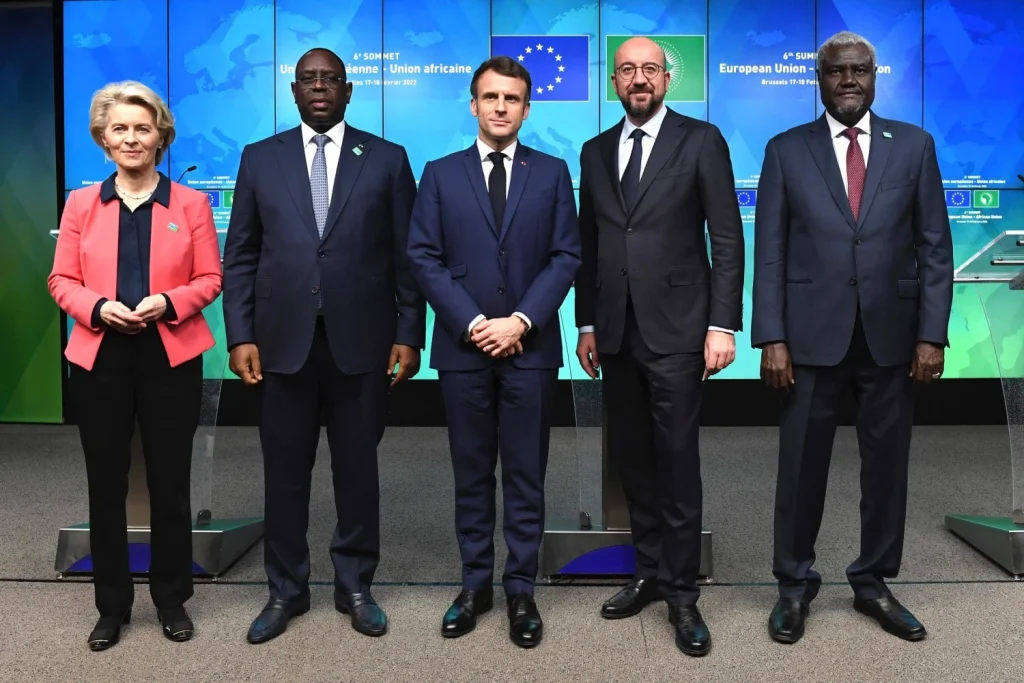
Over the past years, Ethiopia has become one of the primary beneficiaries of the EU Trust Fund for Africa.
According to information from European Commission, in total, the value of EU development assistance to Ethiopia has averaged an estimated 214 Euro ($225 million) per year.
However, when Ethiopia was dragged down through the most gruesome internal political turmoil – the Tigray War – relations between the Horn of Africa and the EU was at an all-time low.
The EU followed close on the heels of Ethiopia’s close development partner, the United States, and threatened sanctions on the Ethiopian government in a deliberate attempt to quench the conflict.
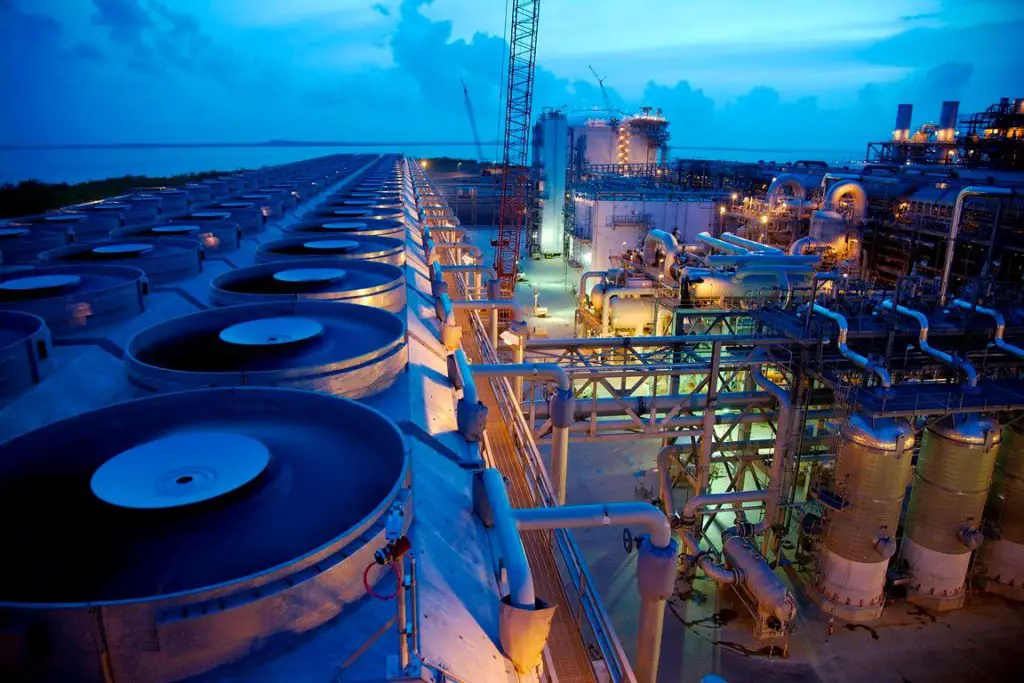
Energy producers argue that Tanzania’s LNG international markets could be worth around 44.3 billion (based on 2021 markets), thus proving how the sector benefits all parties involved in the investment.
The EACOP pipeline is another success story that Tanzania wears as a badge of honour. It managed to win Uganda over and sweep off Kenya from the deal, as Tanzania’s land laws and policies favoured the project timeline. According to information from the EACOP official website, the oil project will transform oil and gas investment in both countries while increasing their FDI by over 60 per cent during the construction phase alone.
Mining is another extractive sub-sector that yields profits for both Tanzania and investors. After facing a series of international legal complications, Tanzania’s new mining landscape is open for business.
Big global miner such as Barrick Gold has solidified investment in Tanzania mines which produce valuable diamond and gold minerals. According to the Bank of Tanzania, gold generated $2.7 billion in exports in 2021.