
Trending
- African governments drive new forest finance progress as global report warns funding globally must scale faster
- Fine Spinners eyes Kenya’s Agoa-backed apparel supply chain with $5m plant
- Why young Kenyan investors need to stop treating the stock market like a betting slip
- Tanzania tax reforms mandate VAT refunds to under 30 days
- In New York, world leaders unveil plan to overhaul global health architecture
- Minisend grows Kenya presence as official payment partner of Africa Blockchain Festival 2026
- UN resolution challenges world maps that make Africa look smaller
- Zimbabwe edges closer to arrears payment, debt restructuring and reset of ties with IMF


Browsing: premium
The African Continental Free Trade Area (AfCFTA) has been hailed as a catalyst to immense economic development in Africa; a…
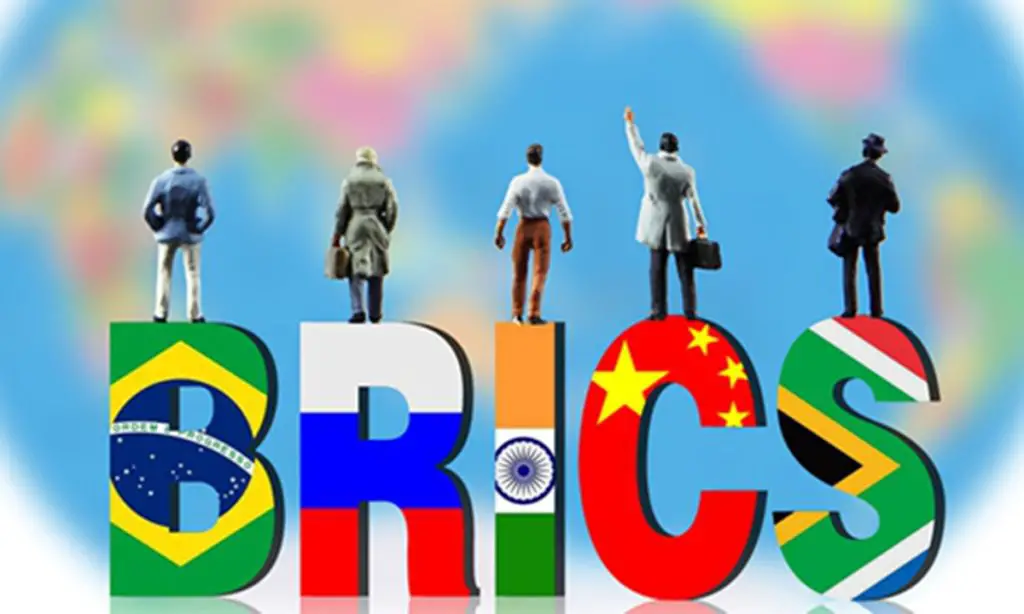
The current large-scale transition of the global economy, principally triggered by the current conflict between Ukraine and Russia as well as the standoff between China and the United States, creates a multipolar world map with new centres of power.
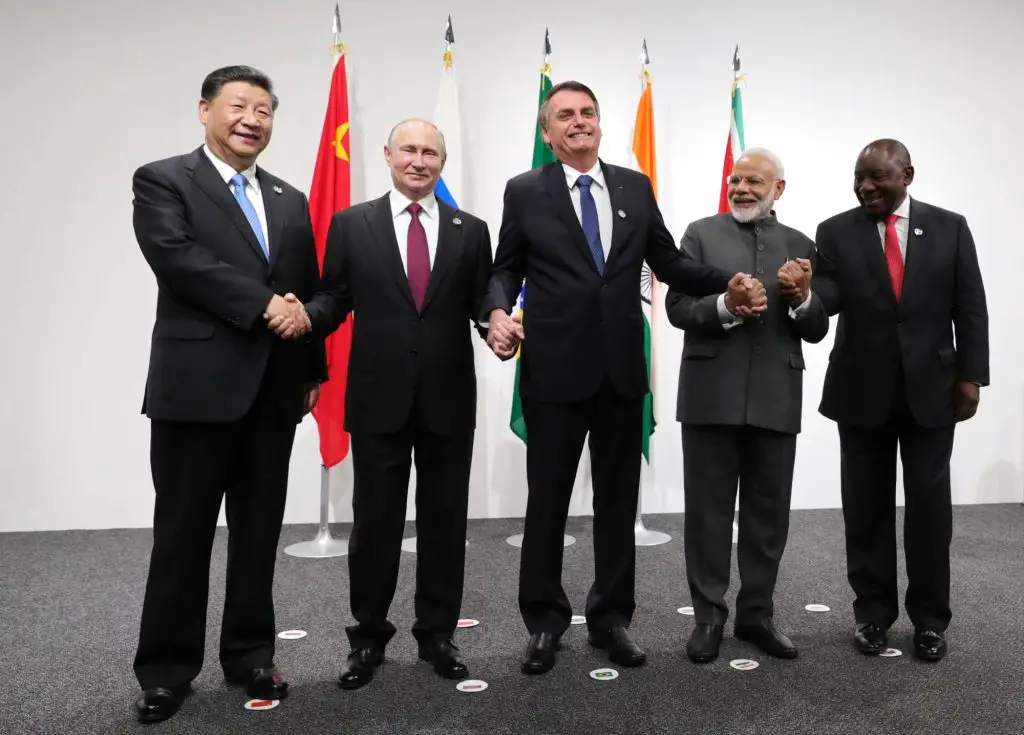
Brazil, Russia, India, China, and South Africa, also known as the BRICS nations, have enhanced industrial and financial might and are pushing for a seat at the global new power axis table. These nations are essential participants in international markets for products, services, and money, having a considerable, sometimes decisive, effect on how the global economy operates.

Dr. Tiberio Chiari, former Manager of the Agricultural Value Chains Programme in Oromia- Ethiopia, within the Ethio-Italian Development Cooperation Framework, offers some of these efforts that the government has implemented in the Ethiopian wheat value chain that other African countries can learn from.
Launch and execution of suitable growth policies
The government keeps working harder to ensure the country’s current dependence on wheat importation (of about 1.7 million tonnes) is fully nullified. After years of field experimentation, in 2021, the Ethiopian government launched its new plan.
The objective of the plan is to cut down the import of wheat by producing during the cold season in pastoral dry areas currently available in the Awash, Omo and Shebelle river basins. The approach includes the cultivation of 400,000 hectares of land and the deployment of a large-scale commercial farming model to achieve a productivity of 4.4 tonnes/ha.
Nations launched the AfCFTA as one of the actions made to support more extensive intra-African trade. The AfCFTA aspires to establish a unified continental market for goods and services. The agreement seeks to harmonise the continent’s various trade liberalization procedures and promote regional integration. Each African nation is a member of at least one of the continent’s approximately 30 bilateral or regional trade agreements.
Africa suffers from marginalization in the global trade system. Nevertheless, the African Regional Trade Agreements heralded a new age of economic integration with significant trade creation impacts. The path to free trade poses several significant obstacles and concerns that African governments must solve.
The report indicated that AfCFTA has the potential to attract greater FDI, required for Africa to diversify into new industries such as agribusiness, manufacturing and services. The report projects that this could create 18 million new jobs by 2035, with 2.5 per cent of the continent’s workers moving to new industries. In addition, more significant FDI could raise Africa’s exports to 32 per cent by 2035, with intra-African exports growing by 109 per cent, especially in the manufactured goods sectors. All countries will record an intra-African export increase, such as Tunisia by 165%, Cameroon by 144%, Ghana by 132%, Tanzania by 126% and South Africa by 61%.
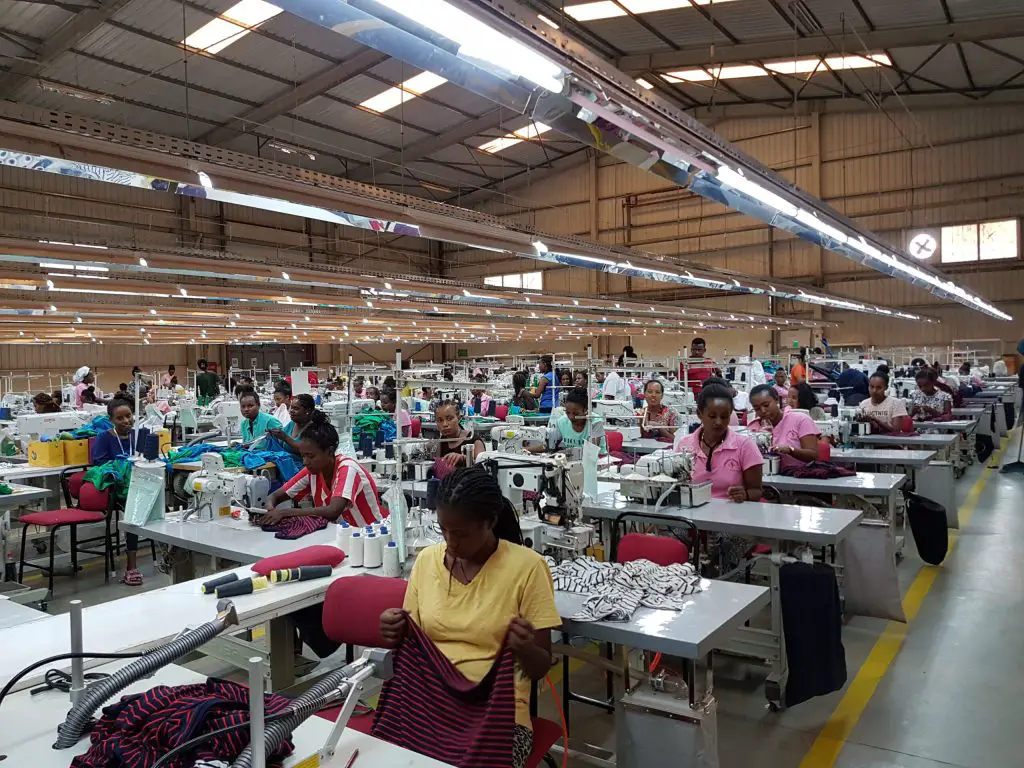
Breaking trade barriers will increase investment and export sectors likely to grow the most: textiles and apparel, rubber, chemical and plastic products, and processed foods. Deeper integration would lower trade costs and boost capital inflows, bolstering exports from service sectors such as communication, transport and hospitality.
According to the ‘Futures Report: Which Value Chains for a Made in Africa Revolution’ prepared by the UNDP and AfCFTA Secretariat, there are opportunities that need to seizing for the One African Market, such as pharmaceuticals; automotive; cultural and creative industries; cocoa; soya; leather and tanned products; mobile financial services; lithium-ion batteries; textiles and apparel; vaccine manufacturing. In view of this, governments and entrepreneurs on the whole, can identify which opportunities are best suitable for their nation’s entry into the AfCFTA market.

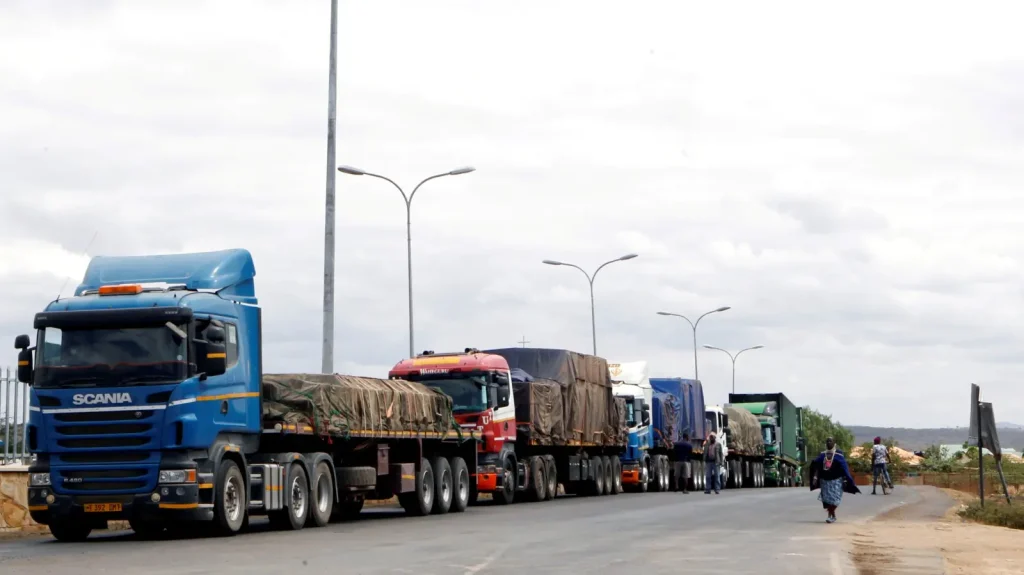
For historic reasons, bilateral and regional trade in Africa has been hampered by trade routes designed for export away from the continent rather than for facilitating intra-Africa trade. Obstacles include long distances, inadequate transport services, and inefficient institutional and transit regimes.
In many landlocked African countries, economic centres are located several hundred kilometres away from the closest seaport. Overcoming geographic constraints or the lack of economies of scale caused by small transportation volumes is key for all countries, particularly transit countries. A renewed focus on the efficiency of transport and logistics services is long overdue, given that many countries retain policies that favour closed, small, and inefficient services markets.
By committing to no new barriers to services trade during the progressive liberalization process, at least in the five priority sectors—business, communication, financial, transport, and tourism services, and with declining trade costs—the transport sector is bound to expand.
If fully implemented, AfCFTA could speed up wage growth for women and lift 30 million people out of extreme poverty…

Transnet Freight Rail, the South African rail logistics giant has few admirers lately. It has disappointed nearly all who rely…
When the United Nations General Assembly voted overwhelmingly on March 2 to condemn Russia’s invasion of Ukraine, African countries accounted…
Digitization of logistics and compliance with sustainability policies will shape the future of logistics in African markets. Digitalization involves the…