
Trending
- African governments drive new forest finance progress as global report warns funding globally must scale faster
- Fine Spinners eyes Kenya’s Agoa-backed apparel supply chain with $5m plant
- Why young Kenyan investors need to stop treating the stock market like a betting slip
- Tanzania tax reforms mandate VAT refunds to under 30 days
- In New York, world leaders unveil plan to overhaul global health architecture
- Minisend grows Kenya presence as official payment partner of Africa Blockchain Festival 2026
- UN resolution challenges world maps that make Africa look smaller
- Zimbabwe edges closer to arrears payment, debt restructuring and reset of ties with IMF


Browsing: premium
Detailing on the source of the funding and its uses, the president said the US$100 million (over TShs230 billion) is from the International Monetary Fund (IMF) as a loan to Tanzania, and another US$100 million is for the Isles.
“The IMF fund will be directed to health, education, water and power sectors, as well as economically empowering wananchi (citizens/the public),” local media quoted President Mwinyi.
The president went ahead and gave a very detailed explanation of the planned use of the funding detailing each sector and the allocated amount and then he got to the part about funding to support businesses.
Tanzania’s cement demand is estimated to have clocked 5.9Mt and is growing fast. Maweni Limestone Ltd will be China’s first…
Entrepreneurs are catalysts for business.
They have a highly desirable and fundamental effect on the wider economy through establishing new businesses of providing not only goods and services to customers but also providing job opportunities to individuals in various industries.
No country can survive without a thriving breed of entrepreneurs! They literally keep the wheels of the economy turning through their activities.
In a report by GSMA released earlier this year, mobile money accounts grew to 1.2 billion with 43% of new users all from Africa.
Inferring from this growth rate in just one year, it’s clear that the market size for offline payments is significantly larger than online payments. In coming years, we’ll be focusing on this space even as we continue to grow in online payments.
In sub-Saharan Africa alone, there are 44 million micro, small and medium enterprises providing the majority of jobs effectively serving as the backbone of the economy in their countries.
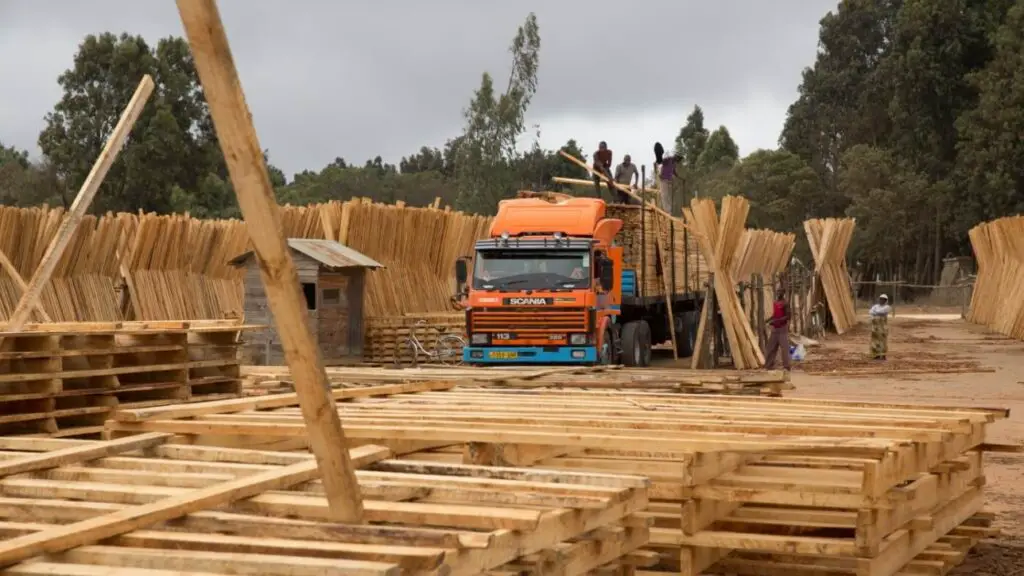
To discourage the use of firewood and charcoal, the European Union (EU) has committed to fund renewable energy solutions specifically designed to set up and support a sustainable cooking solution program.
EU Head of Delegation to Tanzania, Ambassador Manfredo Fanti announced the EU led program late last year in the capital, Dodoma. At the launch, the diplomat said the initiative is part of the EU’s efforts to mitigate climate change through the use of renewable energy solutions for cooking.
However, what is interesting here is that increase in the use of firewood and charcoal is not in rural Tanzania but in the urban centres.
Glencore has been for over 10 years in the cross-hairs of Global Witness, a non-governmental organization and lobby group established in 1993 that works to break the links between natural resource exploitation, conflict, poverty, corruption, and human rights abuses worldwide.
The organization has offices in London and Washington, D.C.
Global Witness has also in that time blown the whistle on what it describes as suspicious transactions and dealings in the DRC involving Glencore’s operations and its association with sanctioned businessman Dan Gertler.
Toxic substances that are contained in e-waste contaminate the soil; however, they do not stop with the topsoil.
Heavy metals such as mercury, lithium, lead and barium leak through the earth all the way to the table water contaminating groundwater.
Now groundwater is the basic source of all water that we consume because groundwater is the water that eventually resurfaces as springs, ponds, streams, rivers and lakes.

KumKang Kind is also collaborating with developers in Ethiopia, Ghana, and Algeria outside of Kenya’s boundaries.
In his role as Business Development Director for Kumkang Kind East Africa, Sam Muhia advised the construction industry to be receptive to new ideas, such as using aluminium formwork as a construction component.
The building technology has been implemented by most western countries, according to Muihia, so that inhabitants can have affordable homes.
When the Head of the African Continental Free Trade Area Secretariat told an executive panel in Washington, DC the fact…
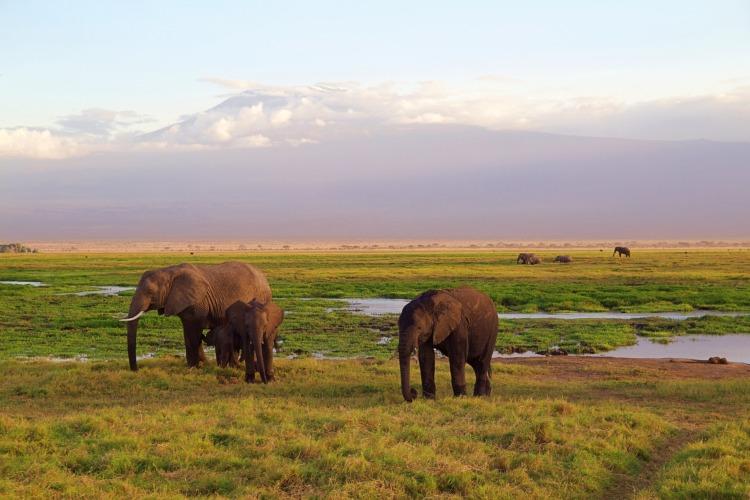
Rwanda has gone a step further and promoted its tourism attractions on the world stage, through sports via its ‘Visit Rwanda’ tagline on England’s Premium League football clubs.
The EAC core objectives compel the countries to bring collective efforts to promote their industry and share benefits as they come. So far, the EAC treaty (under Article 115) has shown partner states can undertake and develop collective and coordinated approach to the promotion and marketing of quality tourism into and within the community (EAC).
Hence, the entire concept of coordinating policies in the tourism industry to establish a framework of cooperation is vital, as it will promote the equitable manner of benefit-sharing.