


Trending
- African governments drive new forest finance progress as global report warns funding globally must scale faster
- Fine Spinners eyes Kenya’s Agoa-backed apparel supply chain with $5m plant
- Why young Kenyan investors need to stop treating the stock market like a betting slip
- Tanzania tax reforms mandate VAT refunds to under 30 days
- In New York, world leaders unveil plan to overhaul global health architecture
- Minisend grows Kenya presence as official payment partner of Africa Blockchain Festival 2026
- UN resolution challenges world maps that make Africa look smaller
- Zimbabwe edges closer to arrears payment, debt restructuring and reset of ties with IMF


Browsing: premium
Future plans for the company include starting work on another Ethiopian project. The firm has also signed a contract worth US$7.9 million to drill three geothermal wells in Djibouti.
KenGen, in its attempts to boost its revenues, has eyes for similar deals in Tanzania, Uganda, Rwanda, Sudan, South Sudan and Comoros. This is where the company may floor Kenya’s monopoly power utility company.
There has been disorder after KenGen previously rejected a plea from Kenya Power to avoid paying a penalty of US$9.36 million which had accumulated due to late sales payment.
The National Treasury is projecting real GDP growth of 6.0 per cent and 5.8 per cent for 2021 and 2022 respectively and has used the same as the basis for its revenue projections. But this adds to the overall optimism being projected.
In September 2021, the Central Bank of Kenya Governor projected a 6.1 per cent growth rate for 2021 and 5.6 per cent in 2022.
The International Monetary Fund’s most recent forecast puts 2022 growth expectations at 6.0 per cent. The World Bank, on the other hand, projects growth to print at 4.5 per cent and 4.7 per cent in 2021 and 2022 respectively.
We really believe this optimism being projected around is largely irrational and the story of Kenya’s economic growth still remains a puzzle to us.
Statistically, Uganda appears to have been relatively untouched by the pandemic in terms of infections and deaths but unhappily holds the unenviable world record of being the country that closed its schools for the longest time.
The consequences of this in terms of mental health, teenage pregnancy, child labour and school dropout rates is likely to have a negative effect on my adopted country for many years to come. School closure also emphasised the uncertainty factor.
President Museveni and his Health Minister have recently declared that not even Omicron will delay the reopening of the economy any longer and that Uganda will be fully open for business with the aim of rebuilding the economy from January 2022 onwards.
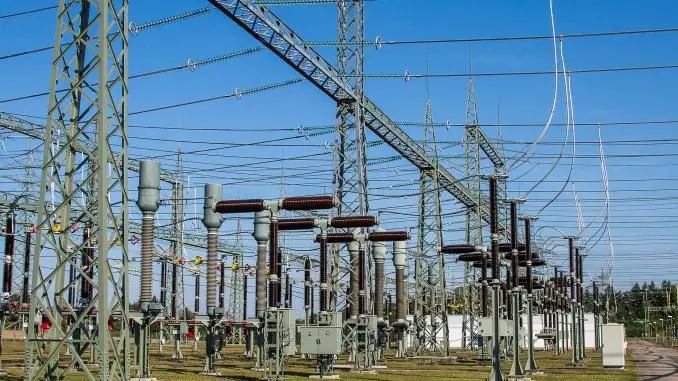
In pursuit of bringing about electrification to the continent, the energy sector was abuzz with activity in 2021 In September…
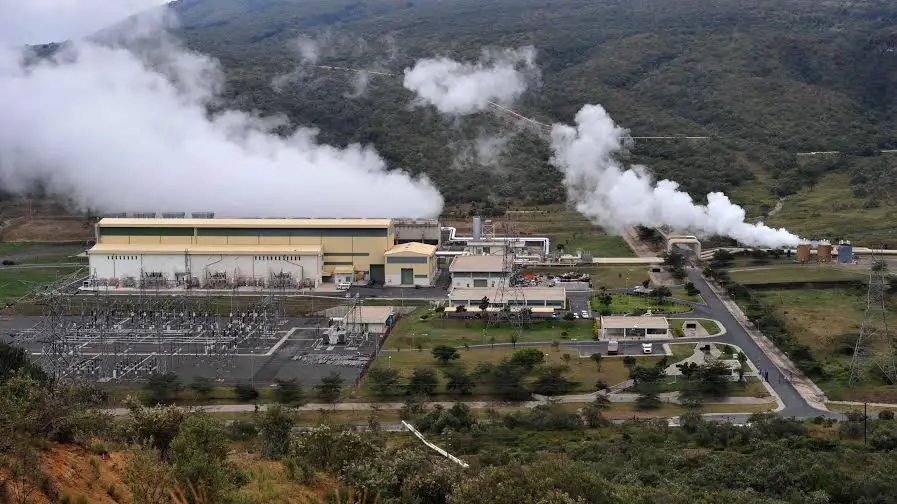
While the world is fighting for zero-carbon neutrality, Africa’s—and Kenya’s—struggle to achieve a zero-carbon footprint is being met with foreign…

President Samia has doubled down on business and investment in Tanzania Tanzania has adopted a new tone towards foreign direct…
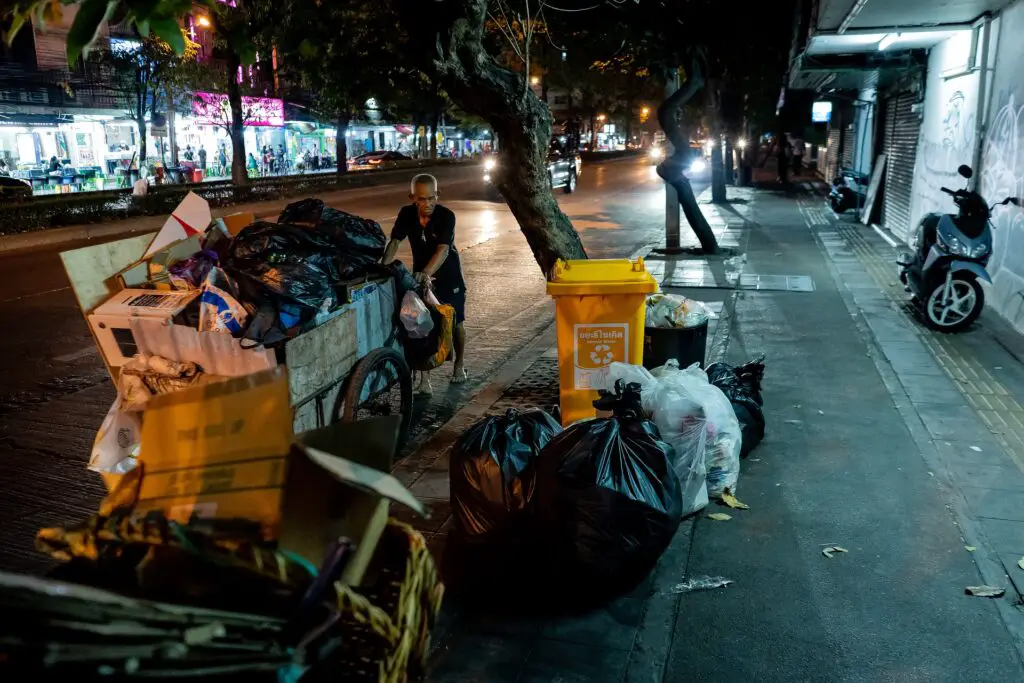
More people are becoming poor while few are getting extremely wealthy The pandemic has exacerbated the levels of inequality in…
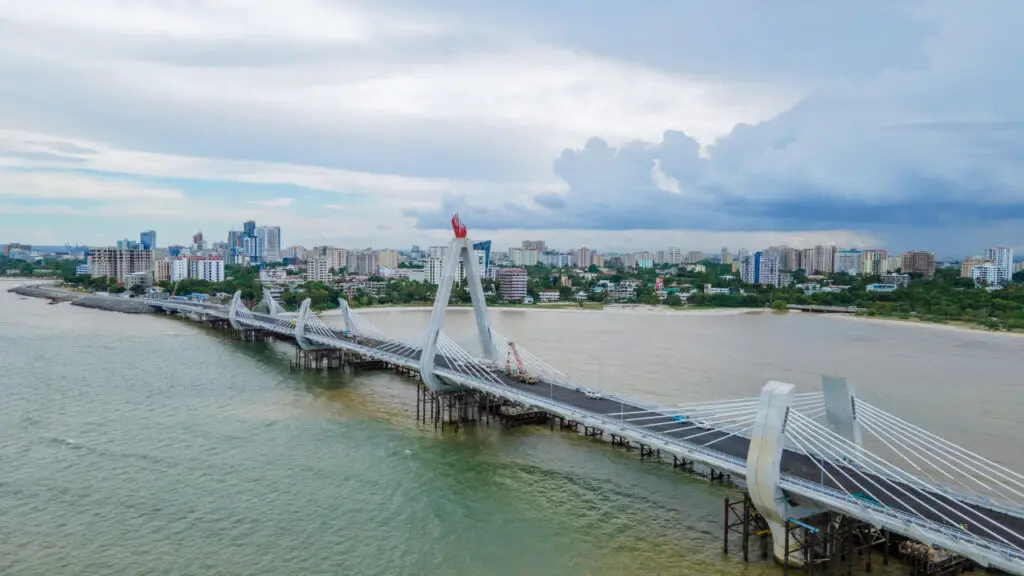
The national debt is still a lingering thorn in the economy. Central banks point out monetary policy keeps money supply…
Tanzania Telecom charges: Tanzanians are forced to reach deeper into their pockets as the government has increased the cost of…
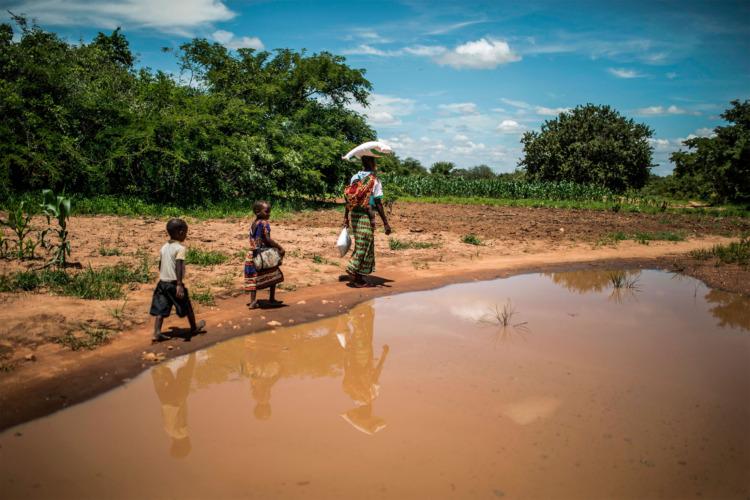
However, the DW report argued that just 18 per cent of GCF financing went to projects in the world’s poorest countries, while 65 per cent went to projects in middle-income countries like Mexico or India.
GCF is an essential partner towards Africa’s climate action. It is one of the most potent multilateral financing mechanisms available for the continent in supporting genuine-time climate action efforts.
Despite the underlying challenges within climate finance the region faces, it ought to be ready to harness GCF’s potential and become resilient as climate change impacts do not wait.