
Trending
- Silicon Valley’s Tim Draper backs Nairobi blockchain festival, sees Africa as next digital frontier
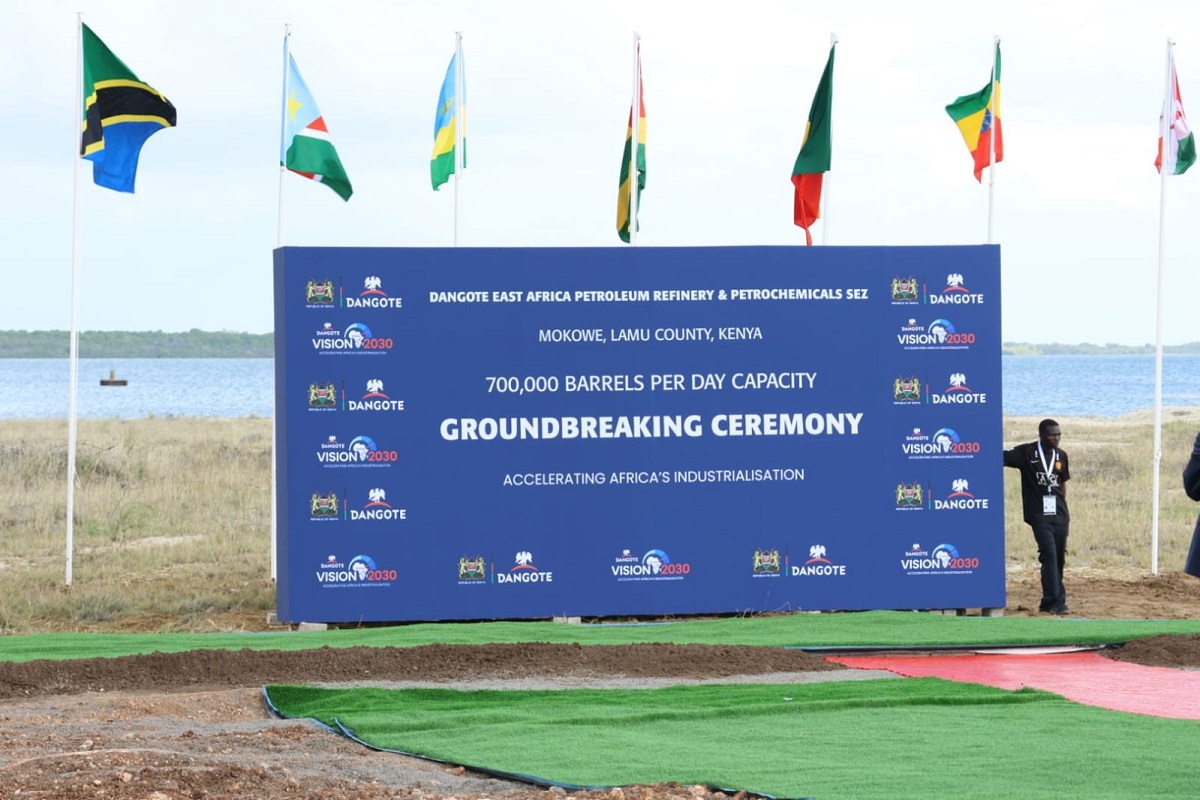
- Dangote breaks ground on $16bn Lamu refinery as East Africa seeks fuel independence
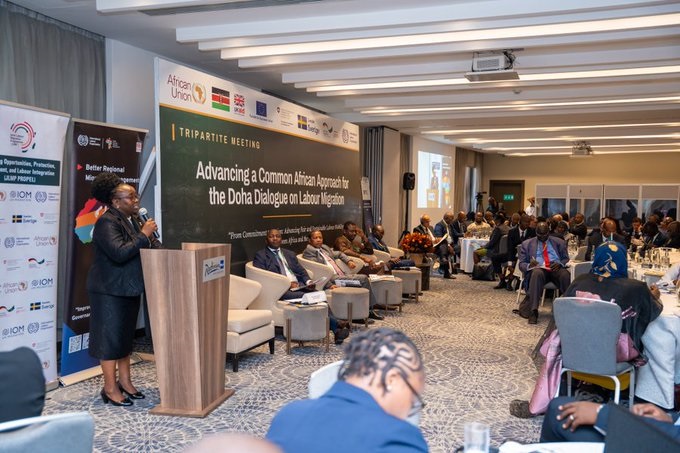
- Gulf and African states meet in Dar to rewrite rules of labour migration
- African governments drive new forest finance progress as global report warns funding globally must scale faster
- Fine Spinners eyes Kenya’s Agoa-backed apparel supply chain with $5m plant
- Why young Kenyan investors need to stop treating the stock market like a betting slip
- Tanzania tax reforms mandate VAT refunds to under 30 days
- In New York, world leaders unveil plan to overhaul global health architecture


Browsing: renewable energy
Global oil and gas producers have remained under immense pressure to show more goodwill in the energy transition agenda. As…
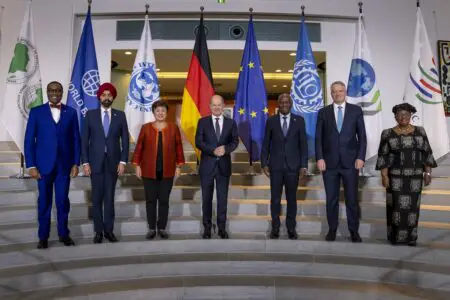
In Berlin, German Chancellor Olaf Scholz says his country will invest 4 billion euros in Africa’s green energy until 2030.…

Xlinks will build a 3,800-kilometer subsea cable to supply solar and wind power. Morocco will construct a 20GWh/5GW battery storage…
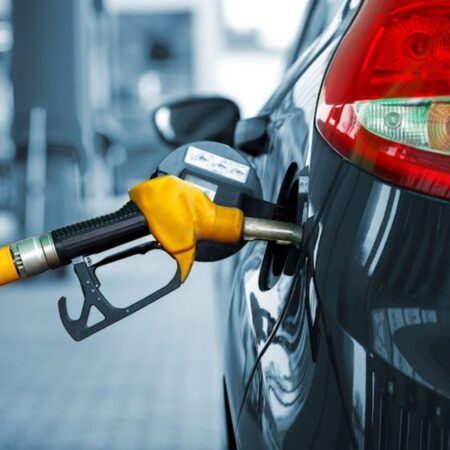
Russia’s invasion of Ukraine in February 2022 threw oil and gas markets into disarray. Consequently, the world experienced the first real global energy crisis during the uneven economic recovery from the COVID-19 epidemic. Russia’s inclusion in the OPEC+ group has hampered international attempts to manage the situation. This has made it harder to handle the significant inflationary effects of rising global fuel prices, particularly in developing nations.
Global fuel prices have risen exponentially in the last few months. The rise is hugely significant, as it has seriously aggravated the global cost-of-living crisis. African economies have particularly been on the receiving end. The continent has suffered from disrupted supply chains and a slowdown in the global economic outlook. Thus, rising energy costs complicate matters even further.
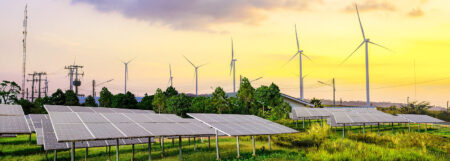
PROPARCO and the IFC, are scaling up of renewable energy production in both Kenya and DRC. The two organisations will…
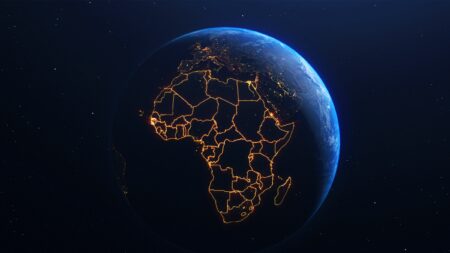
An efficient crypto mining industry can generate more job opportunities in Africa as the demand for miners, blockchain specialists, and technology specialists increases, . This encourages nations to enhance their energy and technological capacities to support crypto operations. These enhancements can considerably benefit other industries and the economy as a whole.
African nations must embrace the chance to become a crypto mining hub. This can aid in the digital economy’s growth, citizens’ financial standing, and the infrastructure for energy production. Consequently, African governments can invest in cryptocurrencies to acquire alternative funding sources for developing renewable and alternative energy sources.
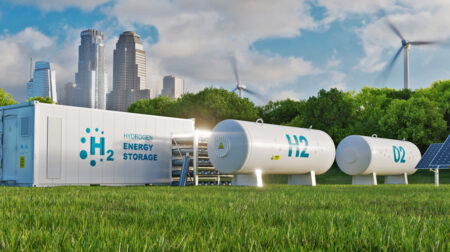
Green hydrogen is defined as hydrogen produced by splitting water into hydrogen and oxygen using renewable electricity. Green hydrogen is…
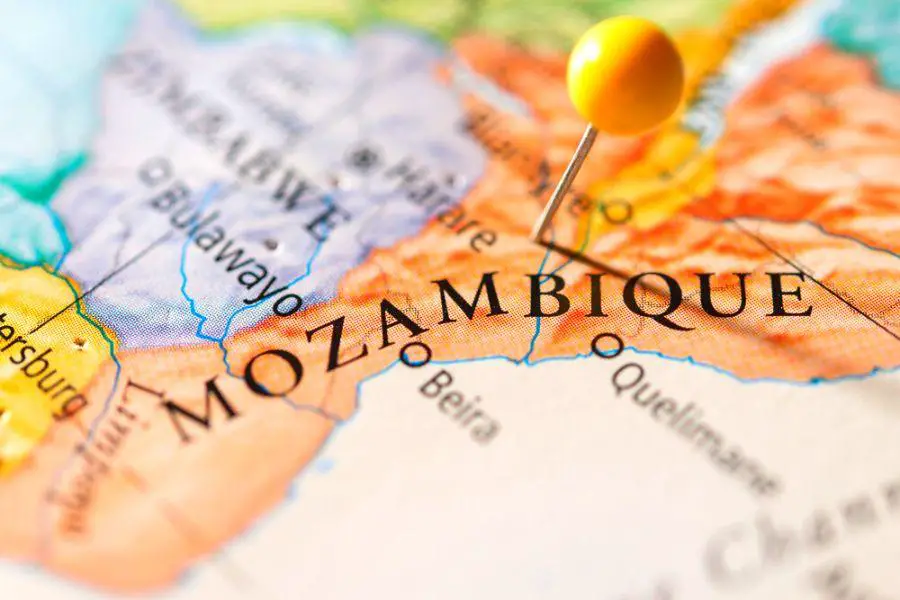
The support for the 2023-2028 period takes into account that Mozambique is indicated as at the same time one of the countries most vulnerable to climate change and one of the least developed.
Despite the riches of its subsoil, the initiative foresees studies for the production of green hydrogen in Mozambique, and the Belgian Development Agency will supply solar panels to remote areas without connection to the electricity grid.
The supply of potable water and irrigation solutions based on solar energy is also being planned, the statement adds.
Belgium will also support the implementation of a national programme for sustainable waste management, which includes the construction of recycling facilities in Nacala and Nampula, with additional support from the NAMA Facility, a multi-donor fund.
The remainder of Anglo’s coal assets were demerged from the group and bundled into a new company called Thungela Resources Limited. This strategy in coal mining circles is called “mine to mouth” and is being continued by Seriti. Eskom, South Africa’s power utility, has an agreement where its thermal power stations are fed with coal from the company’s Kriel and New Largo mines. These mines are adjacent to the power stations.
Seriti Resources (the company’s name is from the native Sotho language and means integrity) was formed in 2017. Mike Teke, through his investment vehicle Masimong Holdings Group owns 25% of Seriti Resources.
The remainder of the shares in the energy company is owned by Sandile Zungu’s Zungu Investments Company, Thebe Investments Corporation, and Community Investment Holdings.

CrossBoundary Energy has completed a US$40 million equity investment from Norfund and KLP The deal will allow CrossBoundary Energy to further…