
Trending
- VALR sets sights on East Africa as blockchain moves deeper into Africa’s financial system
- The cost of the data gap: Why Kenya’s lenders can’t afford to miss the full picture
- Tanzania takes EAC labour migration helm as regional rules face overhaul
- 2026 is turning out as a defining year in geopolitics, but for whom?
- Saudi Arabia and Tanzania pledge to deepen bilateral trade ties
- Tanzania rewrites its digital investment playbook
- Ethical sourcing boosting demand for Tanzania organic cotton
- DRC deploys 70,000 Ebola vaccine doses in high-stakes trial against deadly Bundibugyo strain


Browsing: Senegal
The United States has been working to increase its economic and political engagement with Africa in recent years. Yellen arrived…
According to the Central Bank of West African States (BCEAO), growth should accelerate in the WAEMU economic region in the medium term. The increased production in the tertiary and secondary sectors remains crucial. These sectors should benefit from controlling the current health crisis in the Union and the continued implementation of the NDPs.
Growth in the Union is expected to drop from 6 per cent in 2021 to 5.9 per cent in 2022 before settling at 7.2 per cent in 2023. The contribution to growth from the tertiary sector should stand at 3.5 per cent in 2023, up by 0.3 points compared to 2022. The contribution of the secondary sector should grow by 0.9 points between the two years to settle at 2.6 per cent in 2023.
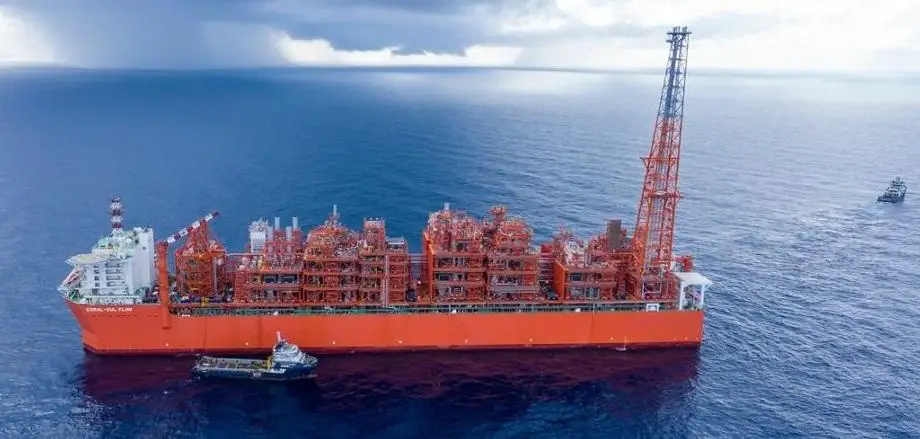
According to an article by Maritime Executive published August 17, 2022, since May Senegal and Germany have been working together to fast-track the completion of the BP-led Greater Tortue Ahmeyim (GTA) LNG project. The offshore field straddles the border between Senegal and Mauritania and is set to produce 2.5 million tons of LNG in the first phase. Plans call for output to double to 5 million tons in the second phase.
Earlier, Kosmos Energy, which is developing the GTA field with BP, said phase one is 80 percent complete. Senegal is now reporting that it will be ready to export its first LNG cargo to Europe in 2024 when production at Tortue Gas project is scheduled to start.
“Senegal will be able to sell its quota to Europe, especially Germany already, in the second half of 2024,” Mamadou Fall Kane, deputy permanent secretary of COZ-Petrogas, the government committee that monitors and develops oil and gas projects, told Bloomberg.
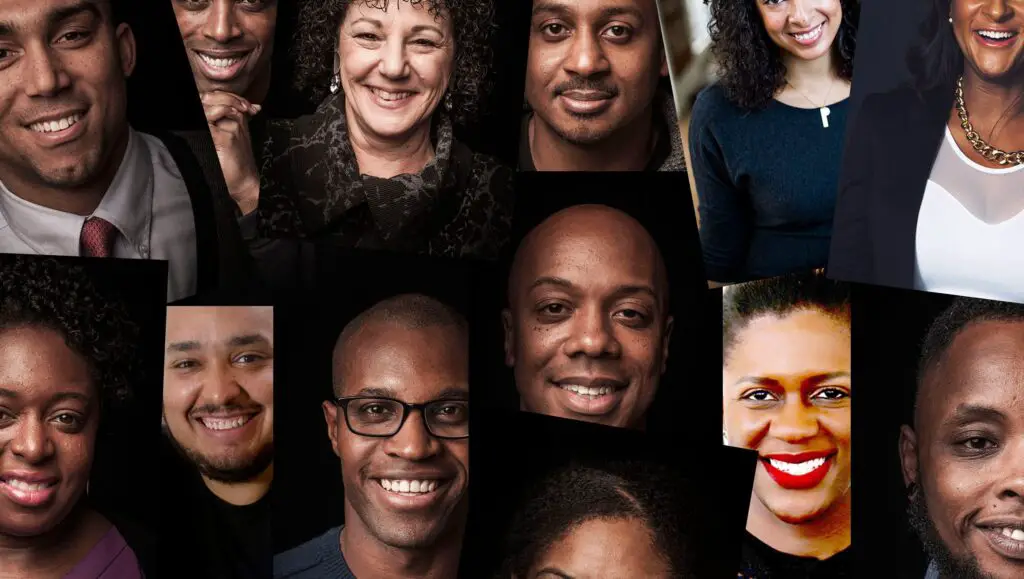
There are two types of businesses that African Americans attempt to boost Africa’s economy and create income.
Businesses seeking to venture into importation and exportation and set-ups creating and investing in production manufacturing in Africa.
Rosa Whitaker, the first assistant United States trade representative for Africa, says that there is so much synergy between Africa and African American business because the region is growing in the areas where African American firms are competitive.
African American companies made a gross profit of about US21.8 billion in the industrial sector in 2013. There is a higher potential for the companies in Africa where consumerism and competitive states are favourable.
Senegal is looking towards learning from the mistakes of other African countries in an attempt to reverse the so-called “resource curse” that plagues many oil and gas producing African countries. In a further demonstration of enlisting public opinion, such a broad meeting was called to brain-storm for ideas and incorporate into a national development programme.
“It is extremely import to remind you all today, we remain convinced that the promotion of a participatory, multi-institutional, and collaborative approach is imperative for capable governance and guaranteeing sustainable prosperity,” stated President Macky Sall of the Republic of Senegal.
Under this new legislation, the citizens of Senegal will have a seat at the table, with civil society to play a leading role in driving the discussion surrounding the monetization of the country’s oil and gas industry. This landmark act will ensure a trickle-down economy that guarantees investments within petrochemicals, agriculture, power, gas, and transportation, thus expanding the economy and facilitating the creation of many jobs for Senegalese citizens.
The report revealed that President Sissoco Embaló had single-handedly negotiated and signed the agreement in October 2020, which stated an uneven share of any future revenues from oil and gas exploration in the sea area located between the two countries.
Guinea Bissau’s prime minister, Nuno Nabiam, as well as the country’s parliament, did not have any hint about the deal. The O Democrata report must have triggered the government as it released the details of the agreement on December 14th.
Armando Lona, Editor of O Democrata, said that the agreement provided for the share of future oil and gas revenues between the countries, but the ratio was unfavorable to Guinea Bissau. Lona declared the agreement illegal, saying that the President had bypassed the public on an issue of national significance

Eramet Group’s subsidiary Grande Côte Opérations (GCO) has signed a Memorandum of Understanding with CrossBoundary Energy for the construction of…
With a favorable geographical position on the westernmost point of Africa, an abundance of natural resources, and strong political leadership…
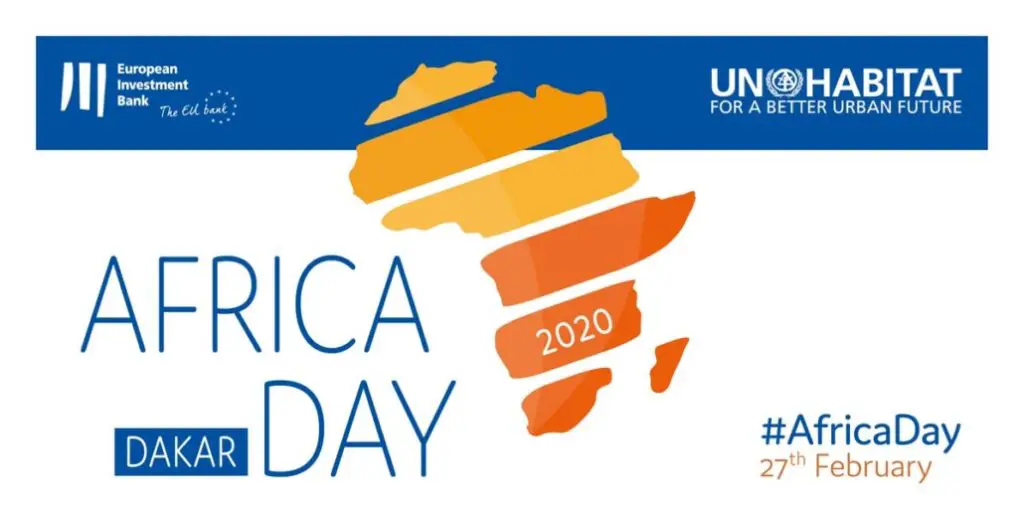
The Senegalese capital of Dakar is hosting Africa Day 2020 with the European Investment Bank (EIB) and UN-Habitat presenting various…