
Trending
- African governments drive new forest finance progress as global report warns funding globally must scale faster
- Fine Spinners eyes Kenya’s Agoa-backed apparel supply chain with $5m plant
- Why young Kenyan investors need to stop treating the stock market like a betting slip
- Tanzania tax reforms mandate VAT refunds to under 30 days
- In New York, world leaders unveil plan to overhaul global health architecture
- Minisend grows Kenya presence as official payment partner of Africa Blockchain Festival 2026
- UN resolution challenges world maps that make Africa look smaller
- Zimbabwe edges closer to arrears payment, debt restructuring and reset of ties with IMF


Browsing: World Bank
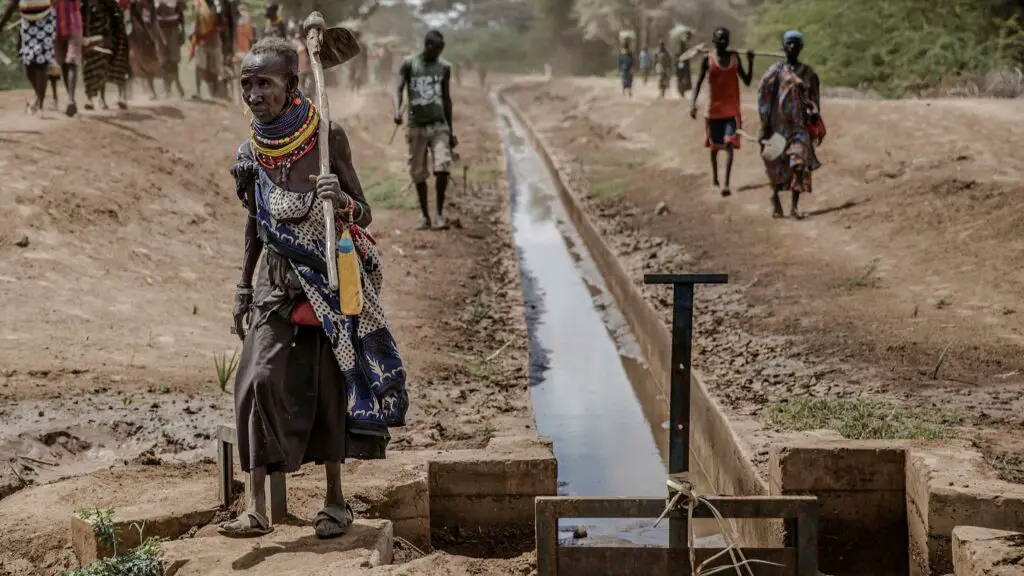
Climate change in Africa costs a lot, and climate extremes hit the region hardest. Between 2014 and 2018, roughly $5…

Learning poverty is costing African young learners dearly Median international school fees in Africa span from US$4000 to US$10000 in…

So now the government through its Ministry for Agriculture has decided to take action to increase domestic production of edible oils. To do this, the government has developed several strategic approaches including upgrading peasant technology.
This initiative fits into the country’s overall industrialization initiative that targets mainly agricultural mechanization. By increasing funding for the set up of factories and smaller production plants, Tanzania is able to increase its output of edible oils.
However, the country needs to increase seed production hand in hand with increasing its value chain capacity. This is where the Tanzania Agricultural Research Institute (Tari) based in Dar es Salaam comes in. A globally-renowned research institute that develops hybrid seeds among other agricultural research works.

Tanzania Railway Investment In the most recent development, an additional 282km of the railway are been constructed to connect Tanzania…
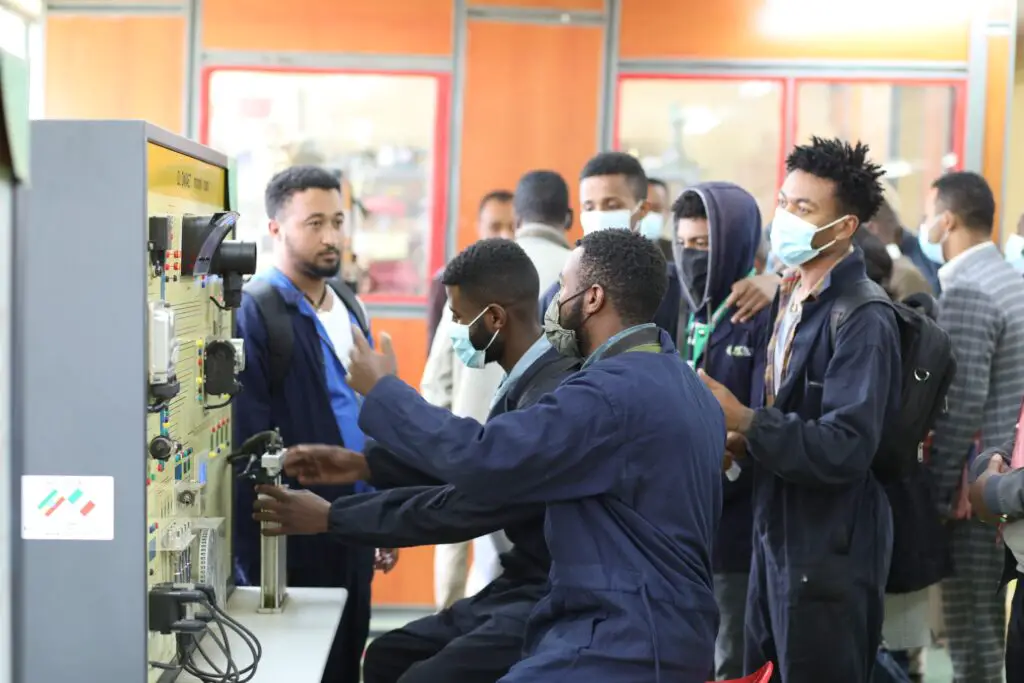
Total students enrolled in the sixteen Regional Flagship TVET Institutes (RFTIs) increased from 6,971 students at baseline to 30,776 students…

Since the advancement of the standard of living, most parts of the world have experienced a relatively rapid population growth…
This comes as the IMF has downgraded economic prospects for countries in this cluster. The downgrades have, however, been offset relatively by projections for some commodity producers and exporters that were upgraded on the back of rising commodity prices.
The economic prospects between wealthy nations and low-income countries are expected to be divergent and this divergence will remain of great concern to multilateral lenders and world leaders. In wealthy nations, for example, aggregate output for the cluster economies is expected to regain its pre-pandemic trend path in 2022 and exceed it by 0.9% in 2024 whereas the cluster of nations comprise emerging markets and developing economies (excluding China) will remain 5.5% below their pre-pandemic forecasts in 2024.
This event should it occur as forecast will set back improvements in living standards.
Justice Makau’s ruling was as follows, “I find as decided in the Court of Appeal decision, the petitioner has a right to mechanise and adopt technology in its operations. The matter in dispute is therefore effectively concluded and settled in terms stated.”
If the cry of the workers’ Union is true, then this ruling threatens more than 50,000 workers’ jobs and allegedly, already over 10,000 tea pickers have lost their jobs to the machines.
However, the odds are pinned against the peasants, the Kenya Tea Growers Association says the loss of jobs has nothing to do with the machines but rather ‘…tea companies reducing their workforce through natural attrition.
Tanzania’s cement demand is estimated to have clocked 5.9Mt and is growing fast. Maweni Limestone Ltd will be China’s first…
Toxic substances that are contained in e-waste contaminate the soil; however, they do not stop with the topsoil.
Heavy metals such as mercury, lithium, lead and barium leak through the earth all the way to the table water contaminating groundwater.
Now groundwater is the basic source of all water that we consume because groundwater is the water that eventually resurfaces as springs, ponds, streams, rivers and lakes.