
Trending
- VALR sets sights on East Africa as blockchain moves deeper into Africa’s financial system
- The cost of the data gap: Why Kenya’s lenders can’t afford to miss the full picture
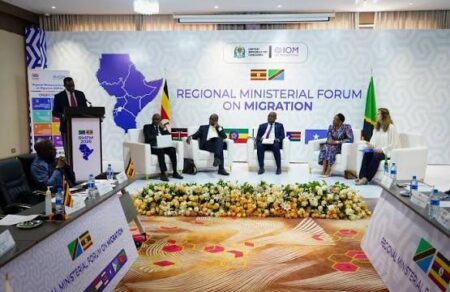
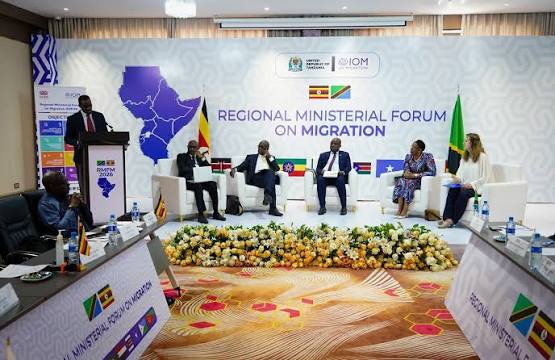
- Tanzania takes EAC labour migration helm as regional rules face overhaul
- 2026 is turning out as a defining year in geopolitics, but for whom?
- Saudi Arabia and Tanzania pledge to deepen bilateral trade ties
- Tanzania rewrites its digital investment playbook
- Ethical sourcing boosting demand for Tanzania organic cotton
- DRC deploys 70,000 Ebola vaccine doses in high-stakes trial against deadly Bundibugyo strain



In Africa, copy trading is becoming more and more popular, even though investors have differing opinions about the potential and concerns involved. Because the…
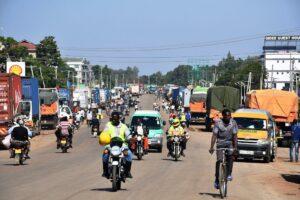
Kenya’s President William Ruto says the free movement was necessary…

Limited infrastructure, lack of standardized regulations and high air transport…

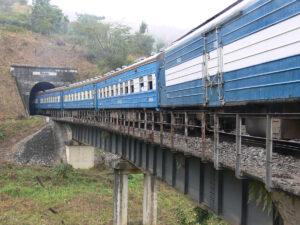
In the most recent development, an additional 282km of the railway are being constructed to connect Tanzania and Burundi giving the latter access to East Africa biggest and busiest port.
The construction is an extension of the already laid down Standard Gauge Railway (SGR) in Tanzania. The two governments have signed an agreement that paves way for new rail to be laid at a sum of US$900 million.
What does this extension mean for Burundi and how will it benefit Tanzania?
Apart from the obvious economic benefits, let’s first consider the small towns through which the railway snakes. From Tanzania’s little town of Uvinza in the Kigoma region to the bustling capital city of Gitega in Burundi, the railway is expected to spark life, rejuvenate slowed businesses and build new people relations.
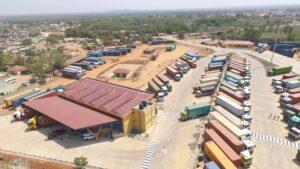
South Sudan joined the East African community joined the EAC in April 2016, after being the youngest nation to gain independence on July 9, 2011. In 2020, South Sudan’s exports summed up to US$87 million to the EAC member states, while imports amounted to US$573 million.
In contrast to the year 2016, the exports and imports to the same stood at US$2.6 million and US$400 million respectively.
According to the International Trade Center, South Sudan exported US$86 million and imported US$357 million from Uganda in 2020.

Total students enrolled in the sixteen Regional Flagship TVET Institutes (RFTIs) increased from 6,971 students…

The East African economic growth is projected to recover this year despite COVID-19 setback thanks…

EIB has committed EUR 95 million to support companies that were most affected by the…
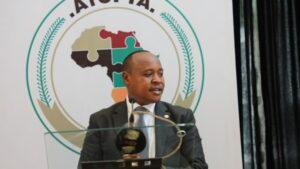
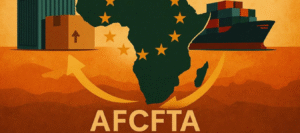
The AfCFTA is the largest trade agreement, by composition of countries enjoined, since the formation of the World Trade Organization. Currently, 54 out of the 55 African countries have signed the AfCFTA, with 41 having ratified it.
The agreement is set to ultimately open up the African market to trade freely, will boost intra-African trade and trigger structural transformation with the goal of reducing poverty.