
Trending
- African governments drive new forest finance progress as global report warns funding globally must scale faster
- Fine Spinners eyes Kenya’s Agoa-backed apparel supply chain with $5m plant
- Why young Kenyan investors need to stop treating the stock market like a betting slip
- Tanzania tax reforms mandate VAT refunds to under 30 days
- In New York, world leaders unveil plan to overhaul global health architecture
- Minisend grows Kenya presence as official payment partner of Africa Blockchain Festival 2026
- UN resolution challenges world maps that make Africa look smaller
- Zimbabwe edges closer to arrears payment, debt restructuring and reset of ties with IMF


Browsing: World Bank
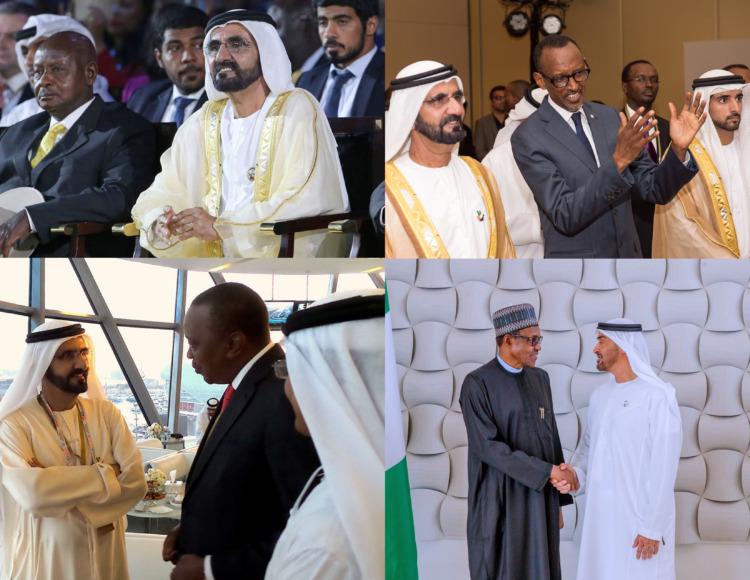
Commenting on Africa’s participation at the conference and the continent’s development in general Egypt’s representative at Expo 2020, Ahmed Maghawry Diab, who is also an official from the country’s Ministry of Trade and Industry said, “…the world has started to look at Africa and rediscover it…the continent has a lot of difficulties, but it has also started to develop.”
Another optimist for the continent’s development and what it has to offer is Dr. Levi Uche Madueke, Head of the African Union (AU) Strategic Partnerships Office and AU Commissioner General for Expo 2020 said, “…Africa is undergoing a dynamic socio-economic and political transformation. There is a lot happening on the continent but the world is yet to hear all about it. It is time to take charge of Africa’s narrative and reclaim its rightful place in the global arena.”

Four critical universities best practices for fostering graduate employability are of interest: Industry partnerships, Aligning university education with a country’s development plans, Regular university curriculum reviews, and Strengthening quality assurance systems.
However, while Universities work to better prepare graduates for the workforce, it is imperative for the government and the private sector to step in and increase the employability of graduates who are already in the workforce.
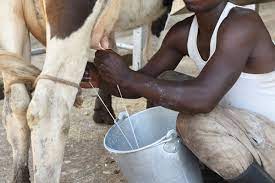
Looking at the bigger picture, speculations are that the milk and milk product levies and taxes are designed to lure Uganda to choose favourably towards other trade issues that are pending.
As local Ugandan media puts it; “Uganda maintains that if there are issues that need to be addressed, they can be handled through bilateral arrangements or the regional trade agreements within the East African Community instead of using arbitrary means such as high taxes.”
Squeezing Uganda to act in its favour, Kenya has also imposed what Uganda is terming ‘a restriction to Ugandan diary products since January 2020.’ Notably, Kenya is Uganda’s largest milk trading partner in the region, yet for over an year now, Kenya has maintained restrictions on Ugandan milk products despite the East African Community (EAC) common market protocol.
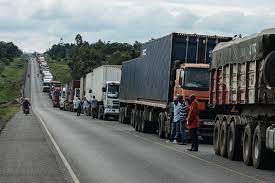
The next step in harmonizing policies and operating modules, is the need centralizing the related revenue administration and collection, because; “When we harmonize our tax administration we shall not compete with each other as EAC member states,” the sector experts reasoned.
There is also the matter of Visa fees which gravely affect the ability of traders to move between countries. It is now expected that the Republics of South Sudan, Uganda, and Kenya will expedite the removal of visa fees while the rest of the EAC partner states still need to remove what was described as ‘discriminatory fees, levies, and charges’ that hinder trade and persons movement across borders.
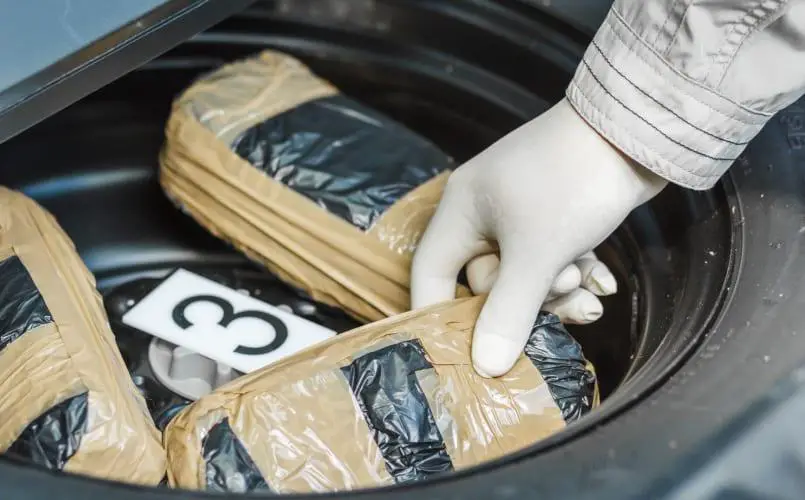
The situation is no better across the border in Kenya, since both countries are geographically on the Indian Ocean they are major international air and water transit locations for traffickers from Asia and Latin America to Europe and the Arabian Peninsula.
As is the case for Tanzania, the report also cites corruption as a central reason behind traffickers choice of ports. As a result Kenya is also a transit country that is quickly becoming a destination for a various of drugs and especially heroin and cocaine as well as drugs that are used to produce methamphetamine.
“Heroin originating from Southwest Asia enters Kenya both from direct shipping across the Indian Ocean via south Asia and, increasingly, from countries to the south, such as Tanzania and Mozambique. Most of the heroin entering Kenya is destined for international markets, principally Europe. Cocaine enters Kenya primarily via transshipment through Ethiopia from South America,” it reads.
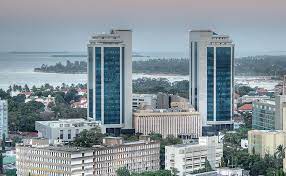
On the bright side, even with the credit growth slowdown, it remained positive, growth still maintained and upward trajectory. This is also for both domestic credit extended to the private sector as well as the central government too.
Growth is expected to improve as the global economy normalizes over time but meanwhile, the government, through the central bank is instituting measures to increase liquidity and reduce lending rates, which in turn is expected to allow the private sector to have increased access to credit.
As part of these fiscal measures, the BoT has already issued TShs1 trillion to commercial lenders to help beef up their lending capacity and to do so at lower interest rates. This in turn is meant to encourage the private sector to borrow and increase production.
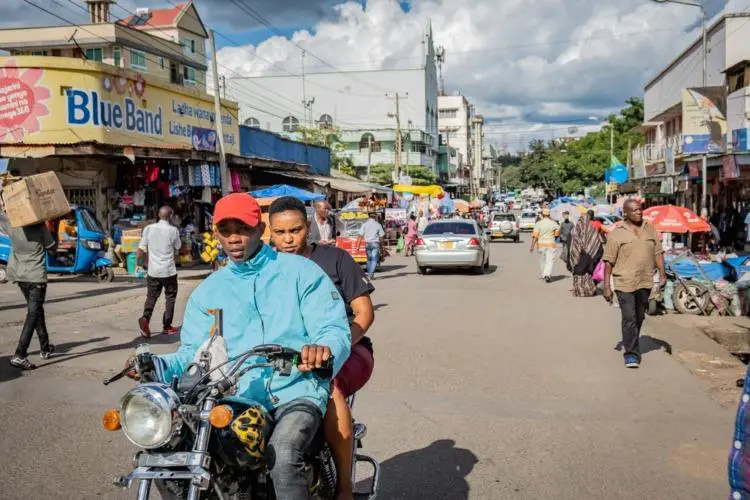
Tanzania, one of the fast-growing economies across the African continent ascended to a low-middle income country status (LMIC) in 2020, amid COVID-19 pandemic shocks. …

Tanzania may have been bumped up to low-middle income status but its housing sector speaks a lot as to the…

As of July 1, price for petroleum products in Tanzania increased drastically owing to the amendments outlined in the country’s new Finance Act as passed by parliament. A huge chunk of the money you pay at the pump goes to the government in taxes; in fact the government takes anything between 30 and 40 percent in form of taxes, levies and regulatory fees.
Nonetheless, Tanzania’s Energy and Water Utilities Regulatory Authority (Ewura) still attributed the price hike to global trends, in part admitting to the tax effect and in part deflecting it to global trends.
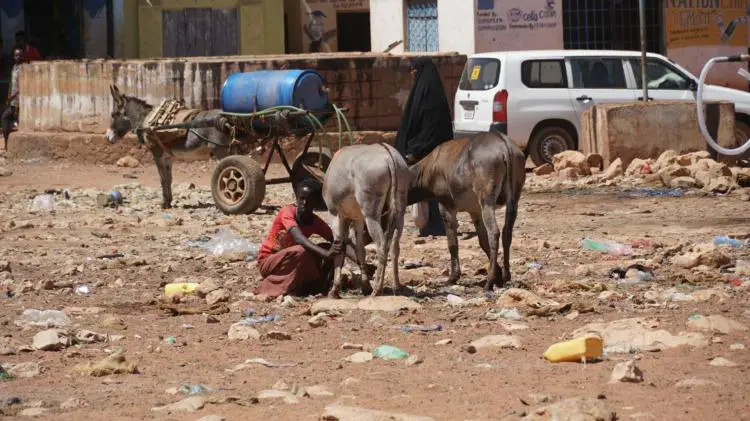
The World Bank has announced its first investment in Somalia’s health sector in 30 years. In a statement, the bank…