Trending
- African governments drive new forest finance progress as global report warns funding globally must scale faster
- Fine Spinners eyes Kenya’s Agoa-backed apparel supply chain with $5m plant
- Why young Kenyan investors need to stop treating the stock market like a betting slip
- Tanzania tax reforms mandate VAT refunds to under 30 days
- In New York, world leaders unveil plan to overhaul global health architecture
- Minisend grows Kenya presence as official payment partner of Africa Blockchain Festival 2026
- UN resolution challenges world maps that make Africa look smaller
- Zimbabwe edges closer to arrears payment, debt restructuring and reset of ties with IMF


Browsing: World Bank
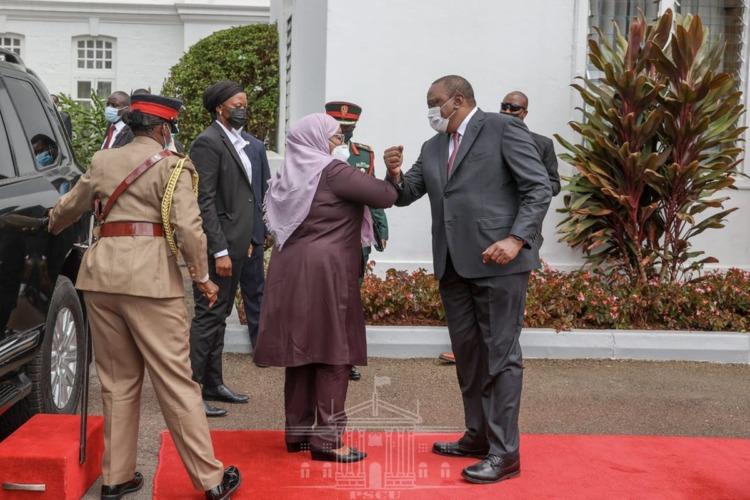
In what has been christened her first official state visit, Tanzania President Samia Suluhu Hassan has today begun her two…

When one of the World’s richest couples decides to divorce then yes we are all warrant to Tweet our P…
In Sub Saharan Africa, growth is expected to rebound by 2.3 per cent in 2021 and 3.1 percent in 2022…
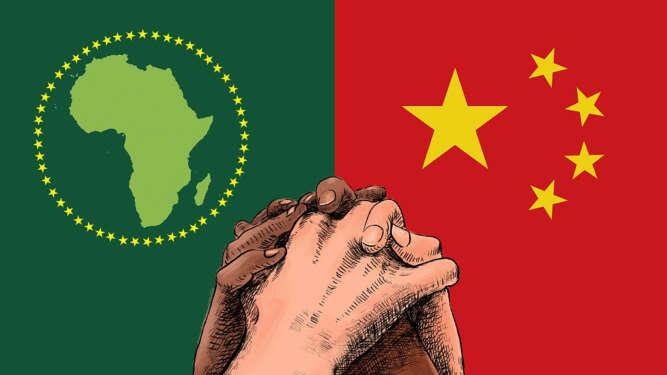
Until 2019 Africa and china had an eccentric lending experience. This includes the lending spree featuring more than $10 billion…

In this case, investing in data is crucial for developing economies. Hence—over time—different organisations such as the World Bank (WB) and the World Economic Forum (WEF) have rallied for the utilization of data and promoting data democratization for effective development planning.
The value of data is vast and elongates further especially in emerging economies. According to a January 2021 publication by WEF, there are more things to explore when it comes to data and Africa has been painted as one of the interesting places on the planet with sufficient opportunities.

Africa has experienced marginalisation and social exclusion since gaining independence from its colonisers. Among the policies developed during the colonisation era was the exclusion of Africans from any level of government, or if they were allowed to join, they joined without authority. This kind of racial discrimination is still being experienced in global workspaces to date. Africa has remained stagnant and regressed in terms of foreign trade, investment, per capita income, and other economic growth measures to date due to the effects of colonisation.
Poor governance and corruption, amongst other factors, have continued to repress Africa’s growth; however, more governments are taking the initiative to improve policies that promote education and health outcomes for their people, thereby reducing social exclusion and marginalisation.
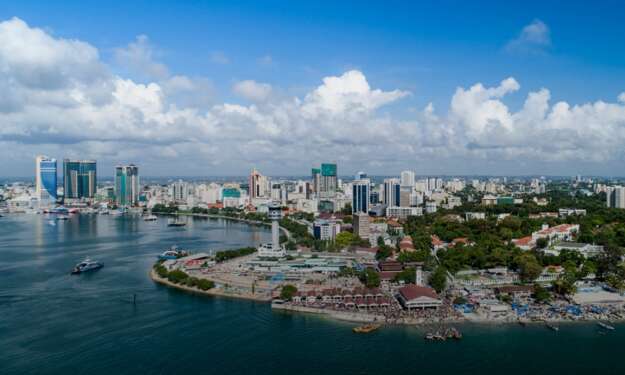
Despite the global economic shocks caused by covid-19, in July 2020 the World Bank Group (WB), Tanzania’s development partner categorized…
The World Bank (WB)—one of the world’s largest sources of funding and knowledge for the developing sphere published its Global Economic Prospect report in January 2021.
The report zoomed in on the prospects of the global economy and Africa, displaying how the region remains pinned by the shocks of COVID-19 unless sound policy changes and strategic investment-enhancing reforms are made.
On the bright side, the global economy is expected to expand by 4 per cent in 2021—this is dependent on the progression of COVID-19 vaccine provision throughout the year.
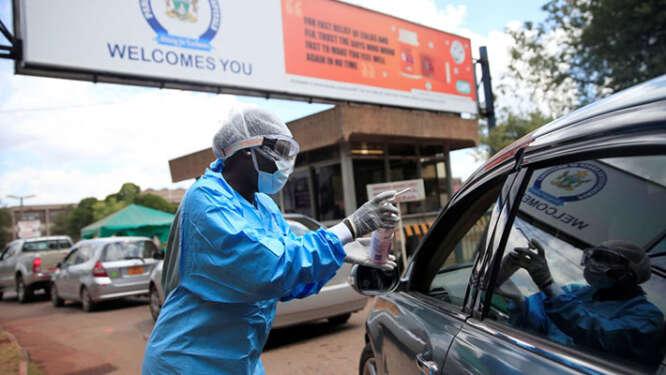
Businesses in Zimbabwe are feeling the covid sting has the government moves to reinforce a strict countrywide lockdown in response…
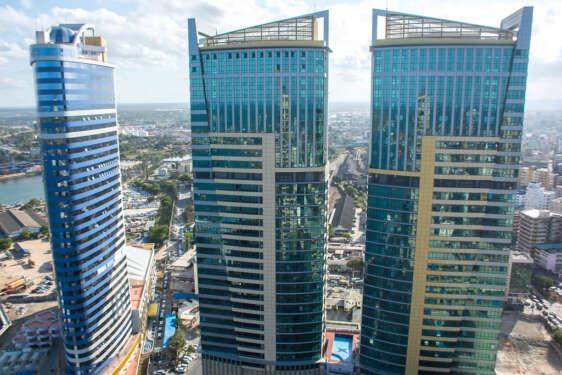
The year 2020 had a lot of events across the development aisle, and Tanzania’s economic upgrade from low to lower-middle-income status by the World Bank (WB), is worth noting as one of the success stories.
There have been a number of forecasts on the economy of Africa and Tanzania at large, with a variety of predictions which point at different directions.
On June 11 2020, the Tanzanian government confidently, via the Ministry of Finance and Planning stated that the nation’s economy is expected to grow at a rate of 5.4 per cent in 2020 compared to earlier estimates of 6.9 per cent.