
Trending
- 2026 is turning out as a defining year in geopolitics, but for whom?
- Bitcoin Surges 20%: How Crypto Holders Are Exploring Cloud Mining Income in 2026
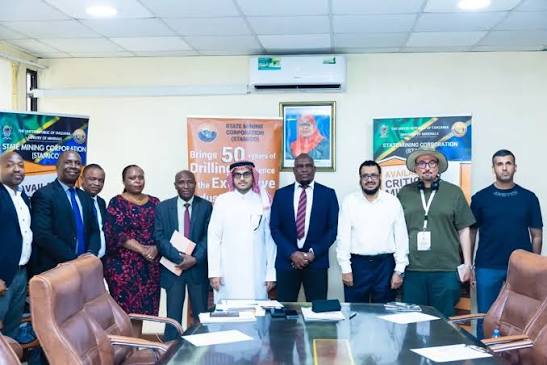
- Saudi Arabia and Tanzania pledge to deepen bilateral trade ties
- Tanzania rewrites its digital investment playbook
- Ethical sourcing boosting demand for Tanzania organic cotton
- DRC deploys 70,000 Ebola vaccine doses in high-stakes trial against deadly Bundibugyo strain
- Kenya’s private sector optimistic on growth despite inflation and geopolitical risks
- AfDB and Standard Bank ink $332 million social bond deal to fund South African SMEs


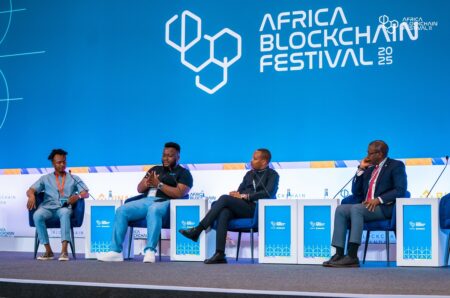
The Africa Blockchain Festival 2026 will convene global pioneers in blockchain, artificial intelligence, and the digital economy in Nairobi, Kenya, this October. Kenya is…

Payments platform Grey adds the Ethiopian Birr in its global…

Token unlocks are triggering rapid market volatility, liquidity shifts, and…


The South African payment platform has raised $5.2 million in seed funding. Revio fintech has…

The demand for cybersecurity skills in Africa has increased by 35% over the past year.…

Jumia will serve as the distributor of satellite terminals and connectivity kits for Starlink Ventures…

The AFDB is collaborating with Google to advance the continent’s tech usage in business. Both…

Africa’s digital transformation is quickly progressing as multiple local startups have continued redefining technology. As more businesses transition to a more digital platform, the demand for better infrastructure grows.
As a result, many companies have undertaken more responsibilities like security, storage, and netter network configuration. TelCables Nigeria is among the few African-based startups focused on providing businesses with the necessary infrastructure.
In recent news, the organization has launched Cloud2Africa, a new feature guaranteed to propel the adoption of cloud computing in West Africa.
Initially, Beem Africa was introduced as a bulk SMS services company. However, over the decade, it has silently evolved to become the driving force behind text messages from some of the most prominent brands. Companies like Toyota, Pizza Hut, Access Bank Tanzania, SPENN, CRBD Bank, among others, have harnessed the power of Beem Africa to connect with their audience in a more personal and effective way.