
Trending
- 2026 is turning out as a defining year in geopolitics, but for whom?
- Bitcoin Surges 20%: How Crypto Holders Are Exploring Cloud Mining Income in 2026
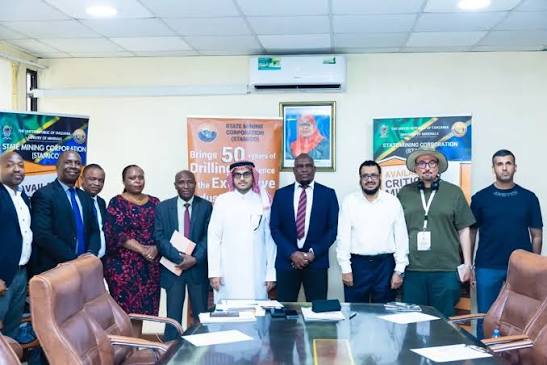
- Saudi Arabia and Tanzania pledge to deepen bilateral trade ties
- Tanzania rewrites its digital investment playbook
- Ethical sourcing boosting demand for Tanzania organic cotton
- DRC deploys 70,000 Ebola vaccine doses in high-stakes trial against deadly Bundibugyo strain
- Kenya’s private sector optimistic on growth despite inflation and geopolitical risks
- AfDB and Standard Bank ink $332 million social bond deal to fund South African SMEs


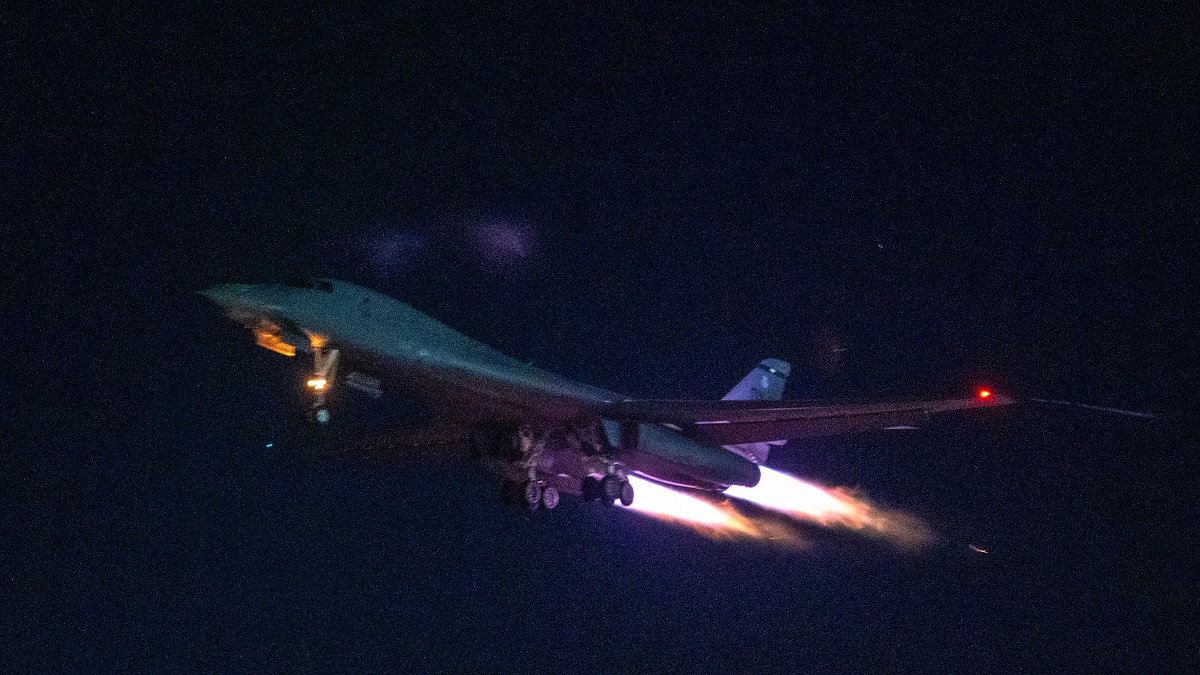
Geopolitics: Not since the wars in Afghanistan and Iraq reshaped global security after 2001 or, more significantly, since the fall of the Berlin Wall…

An easing of the Gulf crisis is the moment to…

Zhu Ruowan, the Editor, CGTN Global Business, argues that China’s…



A single window system allows parties involved in trade and transport to lodge standardized information…

Behind every discovery in the African energy industry, final investment decision (FID), and first oil…

As AfCFTA becomes a part of the daily business environment, governments and businesses need to…

Yield-chasing investors have poured money into Africa, but an emerging, recent challenge for the continent is that in a now higher interest rate environment, investors don’t need to come to Africa to find higher returns.
Even US treasuries are now yielding far more attractive yields than just a month ago: three-month government bonds offer 5.32 per cent, while 2-year bonds offer a yield above five per cent. Yields have risen in part in response to Fitch’s recent downgrade of the US from AAA to AA+, echoing S&P’s move in 2011.
African bond issuers, spooked by the high-interest rate environment and refusing to issue bonds above the psychological barrier of double-digit yields for Sub-Saharan African bonds, continue to wait it out on the sidelines.

South Africa’s poultry sector is currently undergoing serious challenges. The ongoing load shedding and power disruptions have put tremendous pressure and additional costs on the industry, which makes producing poultry products extremely expensive. One company (Astral Foods) has spent an additional $47.56 million (R919 million) due to load shedding alone. This has had a significant impact on the profitability and sustainability of the company. To make matters worse – South Africa’s poultry sector has been hit with a significant avian influenza epidemic.

Contrary to the general belief that Nigeria is the giant of Africa, incessant violence and…