Trending
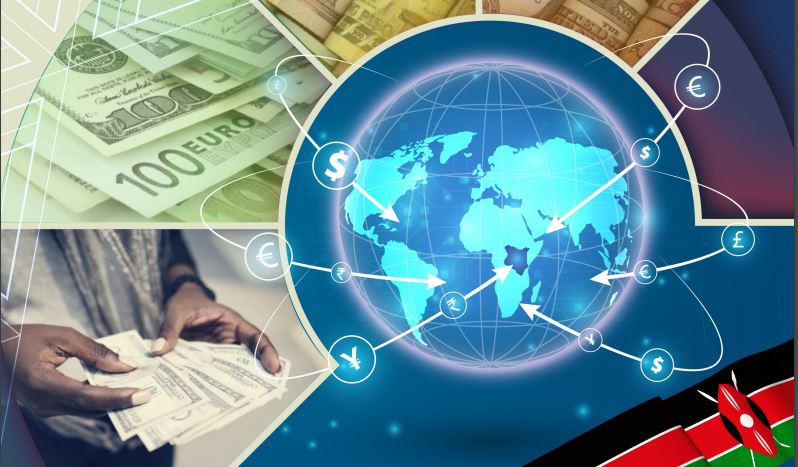
- Kenya’s payments overhaul puts its $5 billion remittance economy at the centre of the FX debate
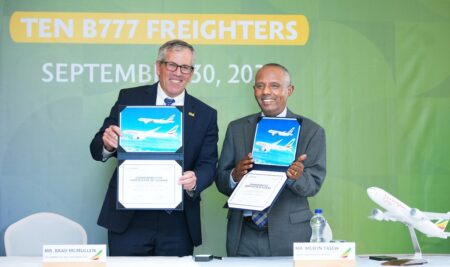
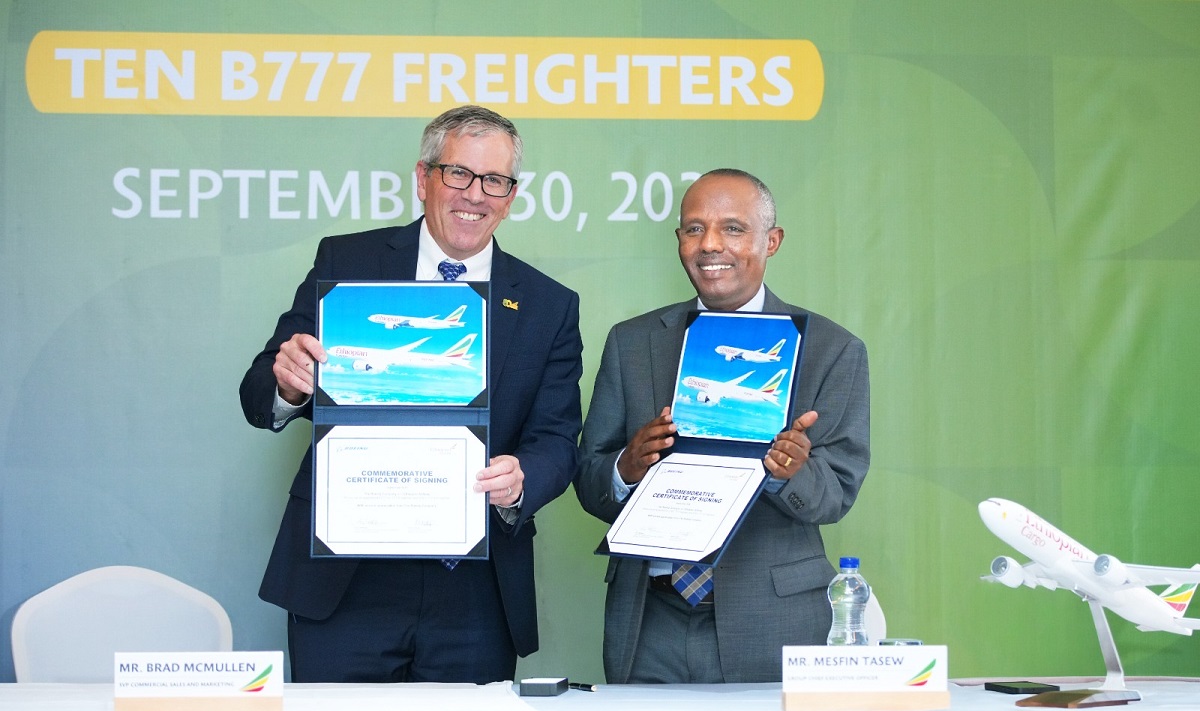
- Ethiopian Airlines bets big on Boeing freighters in $5 billion cargo fleet expansion
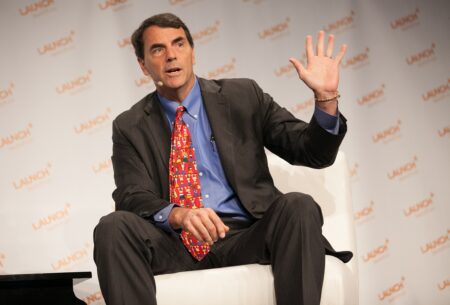
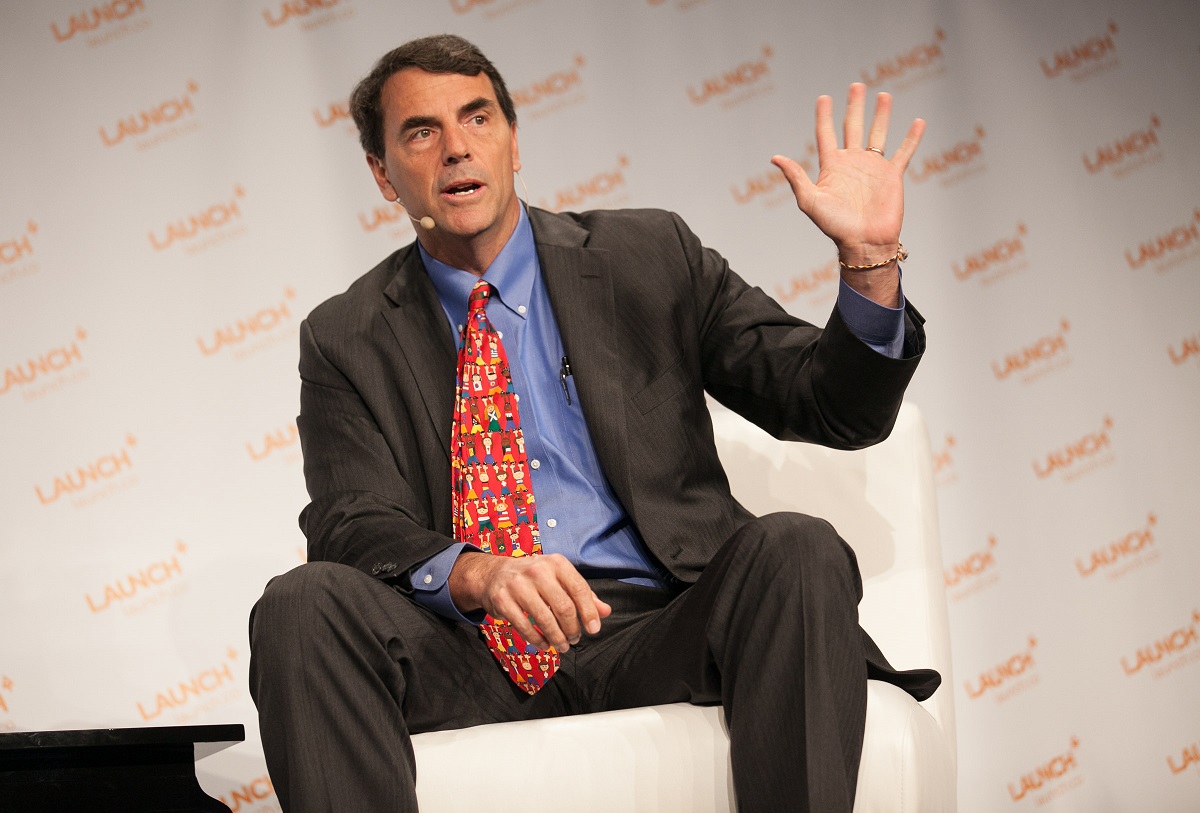
- Silicon Valley’s Tim Draper backs Nairobi blockchain festival, sees Africa as next digital frontier
- Dangote breaks ground on $16bn Lamu refinery as East Africa seeks fuel independence
- Gulf and African states meet in Dar to rewrite rules of labour migration
- African governments drive new forest finance progress as global report warns funding globally must scale faster
- Fine Spinners eyes Kenya’s Agoa-backed apparel supply chain with $5m plant
- Why young Kenyan investors need to stop treating the stock market like a betting slip


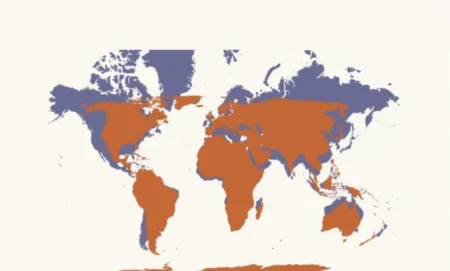
For generations, millions of people have looked at world maps that make Africa appear smaller than it really is. A recent United Nations (UN)…

Here’s a question worth sitting with: how much growth are…
Geopolitics: Not since the wars in Afghanistan and Iraq reshaped…

Strong demand for its commodities was the result of supply chain disruptions being experienced the world over. Nagle who succeeded long time chief executive Ivan Glasenberg stated that coal was the star of the show for the company. The high demand for coal was the result of little to no activity being done by mining companies worldwide in terms of building coal mines.
These days coal is not only a dirty commodity but “coal mining” is a dirty word so to speak. It borders on profane in a world that is now strongly driven by ESG to even mention the development of a coal mine. That being the case many players in the coal mining space are finding it increasingly difficult to secure funding for coal mine development projects.
This has played well into the hands of Glencore which has happily supplied the so-called dirty commodity to eager customers. Shareholders should be glad that the company has done this. In the event they are not happy that the company is selling this polluting fossil fuel they are well-advised to remember the US$ 4 billion payouts.
Learning poverty is costing African young learners dearly Median international school fees in Africa span…
In practical reality, it aims at creating a continental market for goods and services, with free movement of businesspeople and investments in Africa.
Several reports indicate that the summit strives to bring Africa and Europe closer together through strengthening economic cooperation and promoting sustainable development, with both continents co-existing in peace, security, democracy, prosperity, solidarity and human dignity.
It is against this backdrop that the two partners are determined to work together on a strategic, long-term footing to develop a shared vision for EU-Africa relations in a globalized world.
Constructed under the East African Community regional development project, the road is key to the much aspired regional integration and opens doors to the ports for Africa’s landlocked countries like Uganda, Rwanda and the DRC.
Owing to its importance, the African Development Bank and the Japan International Cooperation Agency (Jica) are among the project funders as well as the Tanzanian government itself through its own internal revenue.
Complete with spar roads, the highway will open up enormous economic potential of each region it passes. On the other side of the border, the Kenyan government has also begun work on the connecting 40km project Mtwapa-Kilifi Road, part of the overall 460km Malindi-Tanga-Bagamoyo East African corridor development project.
Fitch has added that the impossibility to borrow on international capital markets has triggered further downgrades in the credit ratings of the Sub-Saharan countries.
Angola and Gabon have witnessed their credit ratings upgraded in recent months. The upward trend refers to the surge in oil prices globally, which has boosted the finances of the two countries.
Several countries projects to experience rapid economic growth as the tourism industry recovers from the pressure exerted by the COVID-19 pandemic and more mineral sources continue to be discovered in the continent.
Taking into account the 2022 International Day of Women and Girls in science; it’s imperative to assess the state of Africa’s water security which needs to be urgently addressed.
Africa is bearing the brunt of the climate change crisis, yet had no hand in its creation only contributing a paltry 4 per cent of the global greenhouse gas emissions; spelt by the numerous natural disasters from floods, drought and famine, locust infestation to tropical cyclones, which have put significant water stress in the continent.
In a series of initiatives, African leaders are spearheading strategies for resolving the quandary pertinently its impact on Africa’s water security and sanitation. Nearly 63 per cent of urban areas in Sub-Saharan Africa lack access to basic water and sanitation.