Trending
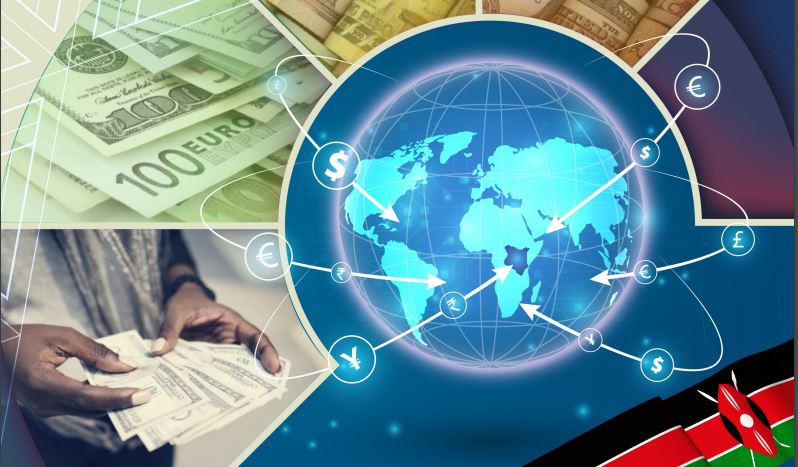
- Kenya’s payments overhaul puts its $5 billion remittance economy at the centre of the FX debate
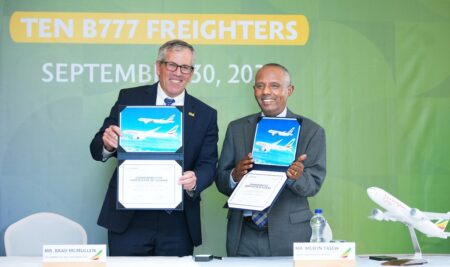
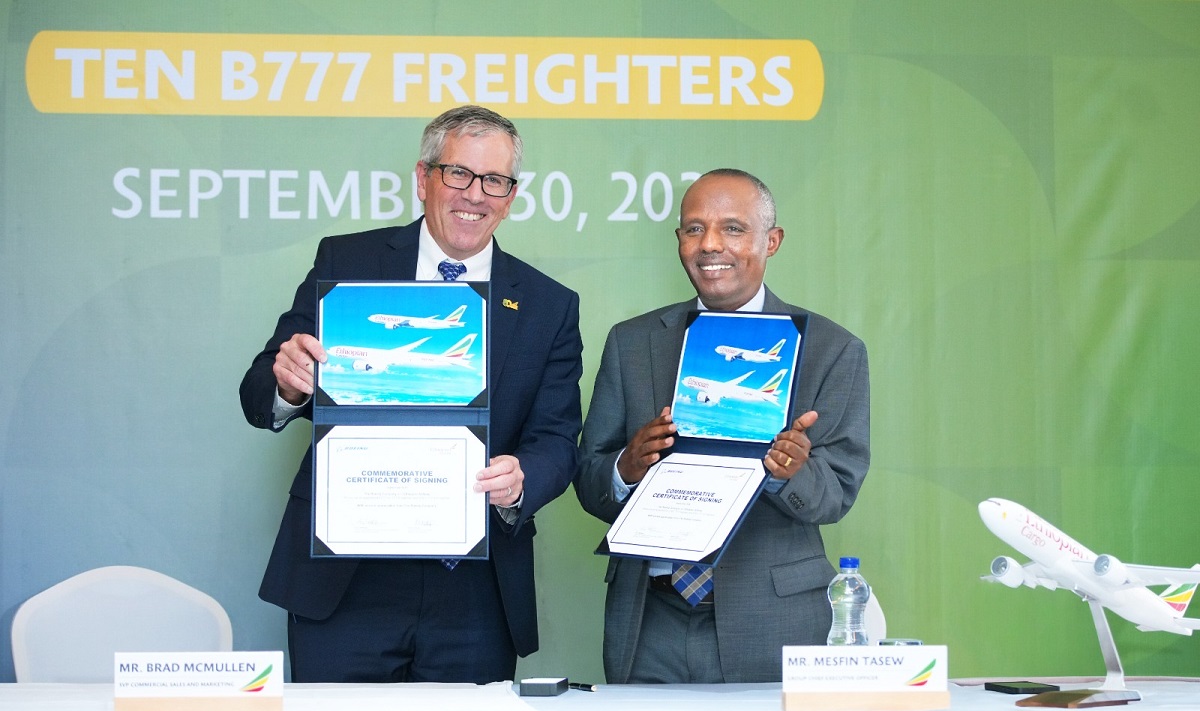
- Ethiopian Airlines bets big on Boeing freighters in $5 billion cargo fleet expansion
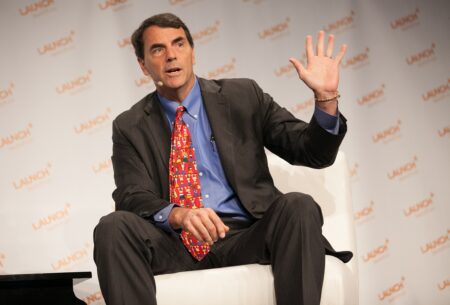
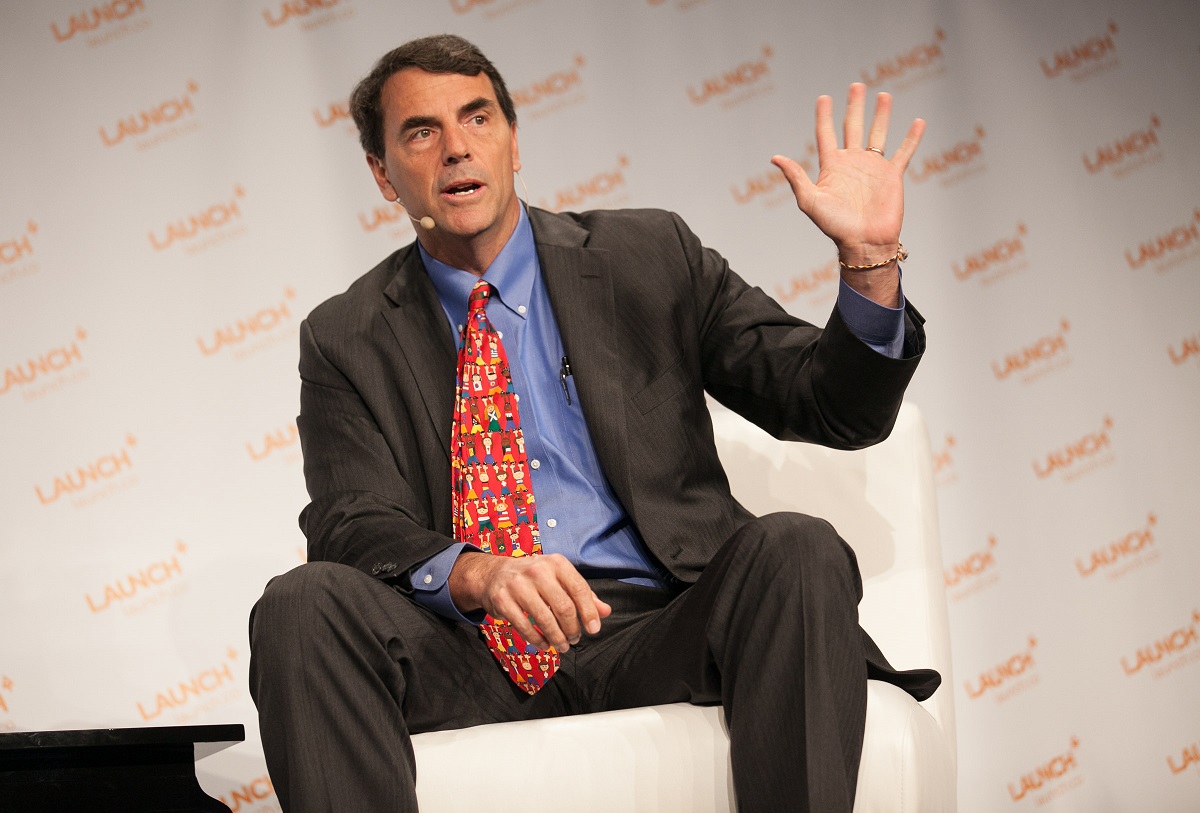
- Silicon Valley’s Tim Draper backs Nairobi blockchain festival, sees Africa as next digital frontier
- Dangote breaks ground on $16bn Lamu refinery as East Africa seeks fuel independence
- Gulf and African states meet in Dar to rewrite rules of labour migration
- African governments drive new forest finance progress as global report warns funding globally must scale faster
- Fine Spinners eyes Kenya’s Agoa-backed apparel supply chain with $5m plant
- Why young Kenyan investors need to stop treating the stock market like a betting slip


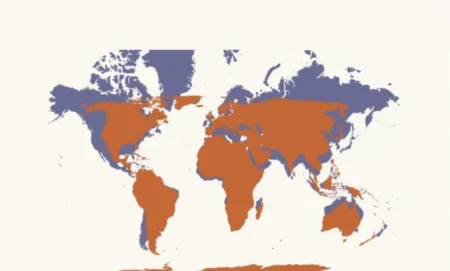
For generations, millions of people have looked at world maps that make Africa appear smaller than it really is. A recent United Nations (UN)…

Here’s a question worth sitting with: how much growth are…
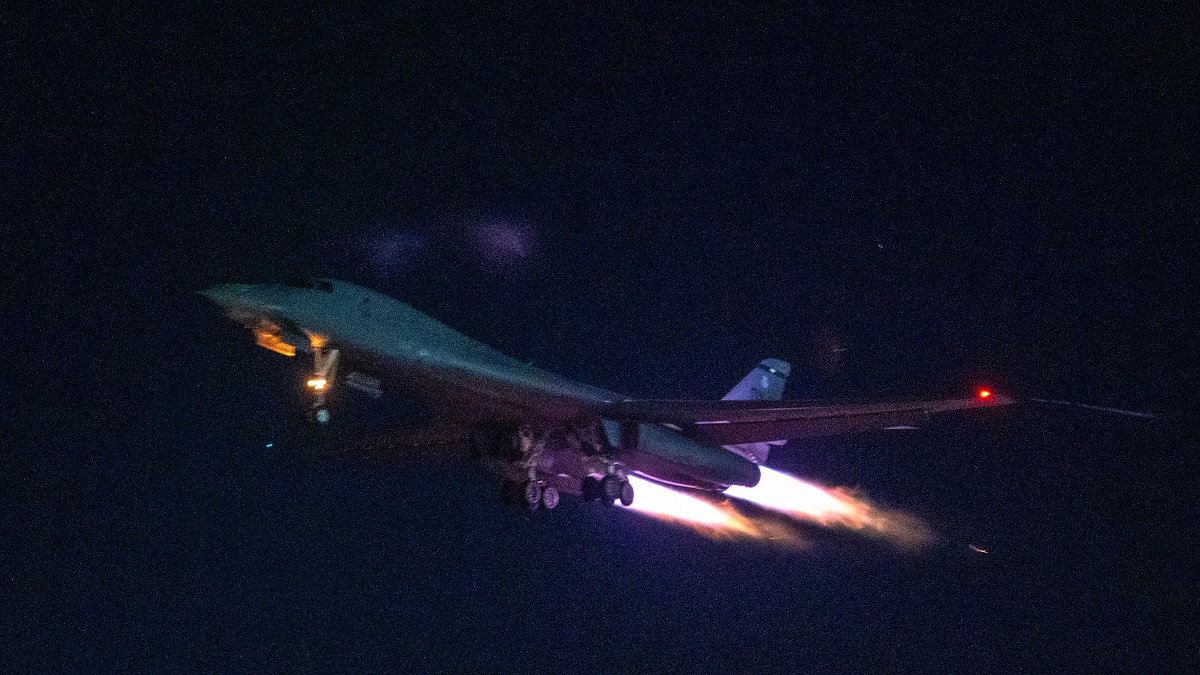
Geopolitics: Not since the wars in Afghanistan and Iraq reshaped…


While Russia’s preferred visions and modes of action in the Maghreb seem to be fairly well identified, the perceptions and expectations, but also the possible reservations on the Maghreb are more rarely expressed by the leaders of these countries and little-studied at the academic level.
Perhaps we should look at this, as far as the powers that be are concerned, a concern for discretion regarding the sensitive aspects of this foreign policy component – this is particularly true for Algeria – an area on which they generally communicate little and for the academic research community in North Africa, a lack of knowledge related to the history, geography and culture of contemporary Russia.
If there is undoubtedly, on the Maghreb side and with important nuances from one country to another, a manifest interest in a development or a deepening of the partnership with Moscow, questions may remain about Russia’s objectives, especially in Rabat and Tunis.
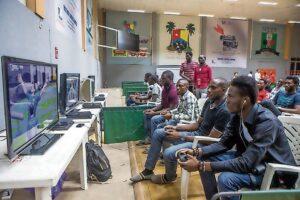
Smartphones are now the primary gadget where most people are playing video games 95 per…
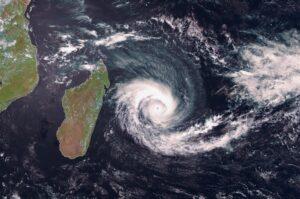
Tropical storm Ana in January 2022 affected 180,869 people, injured 207 people, killed at least…

Traders holding the Cardano token will obtain loans of up to 70 per cent of…
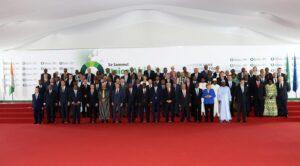
Even though the EU delegates admitted that; “We recognised, everybody, does, that there is an unbearable vaccination gap that has to be closed … between Africa and Europe,” the diplomats still said no vaccine patent waiver for Africa.
Also, despite scientists warning of the possibility of new Covid variants developing in Africa and the fact that just 5 per cent of Africa has been inoculated, the EU still said no to easing vaccine access to Africa.
The African Union (AU) had expected some sought of EU backing for targeted and time-limited Trips Waiver on vaccines. Trips stand for: Trade-Related Aspects of Intellectual-Property Rights and a waiver would have made it affordable for Africa to produce the vaccines in Africa.
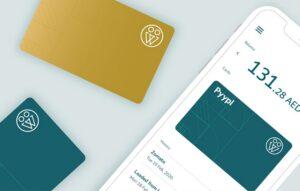
Pyypl uses advanced Artificial Intelligence (AI) and Machine Learning (ML) for regulatory compliance, Anti Money Laundering (AML), and Counter-Terrorism Financing (CTF).
The platform also conducts real-time Politically Exposed Persons (PEP) and sanctions (both country and individual) screening against the latest and historical UNSC, USDT, FATF, OFAC, and EUCFSF records, as well as all local databases.
Fintech startups in Africa have continued to gain a lot of attention from investors who have been pouring billions of dollars to support the industry.