
Trending
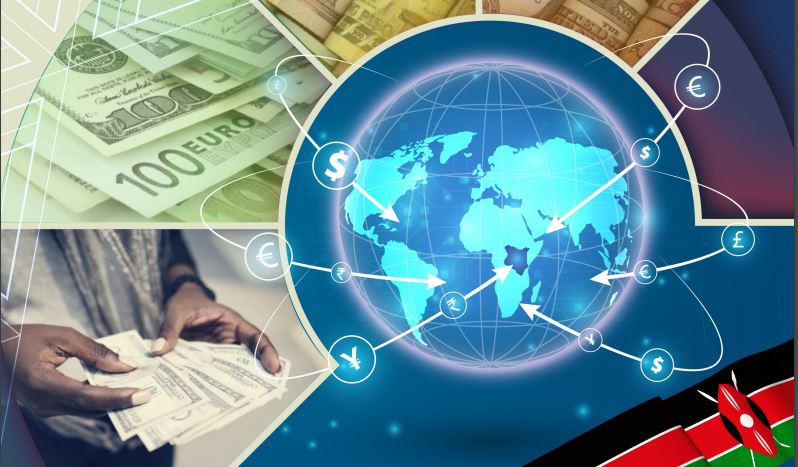
- Kenya’s payments overhaul puts its $5 billion remittance economy at the centre of the FX debate
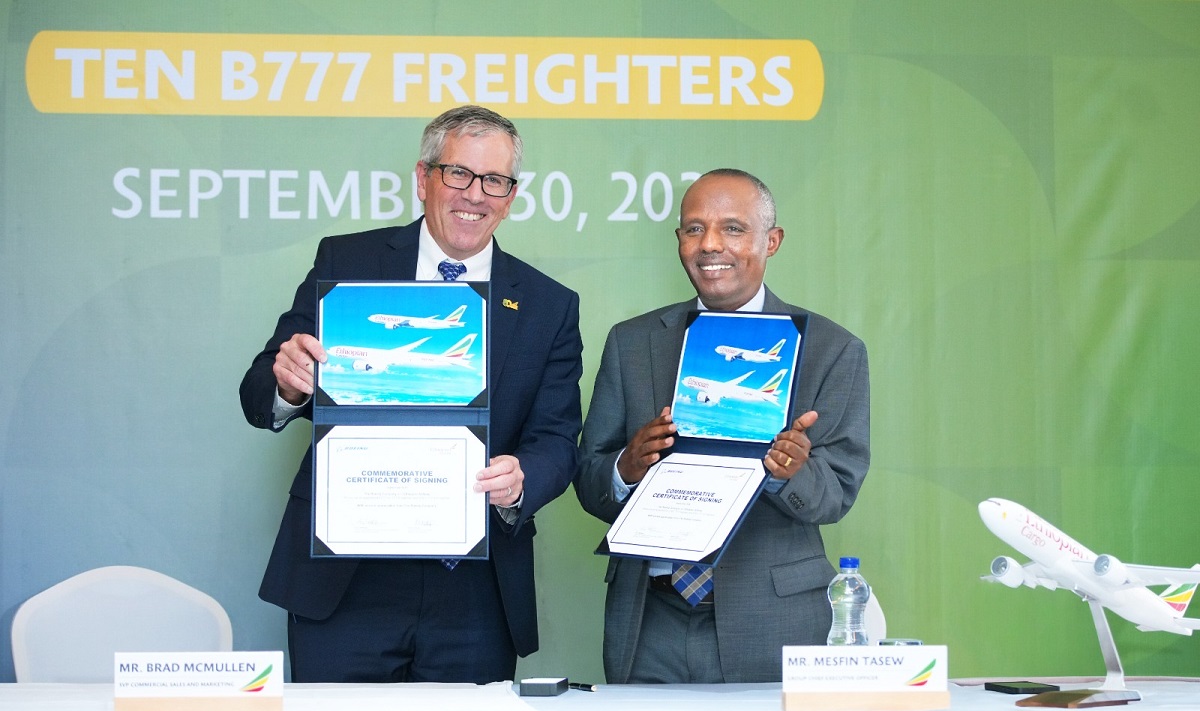
- Ethiopian Airlines bets big on Boeing freighters in $5 billion cargo fleet expansion
- Silicon Valley’s Tim Draper backs Nairobi blockchain festival, sees Africa as next digital frontier
- Dangote breaks ground on $16bn Lamu refinery as East Africa seeks fuel independence
- Gulf and African states meet in Dar to rewrite rules of labour migration
- African governments drive new forest finance progress as global report warns funding globally must scale faster
- Fine Spinners eyes Kenya’s Agoa-backed apparel supply chain with $5m plant
- Why young Kenyan investors need to stop treating the stock market like a betting slip


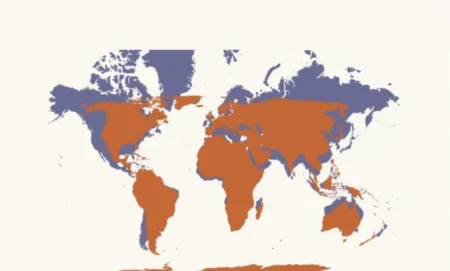
For generations, millions of people have looked at world maps that make Africa appear smaller than it really is. A recent United Nations (UN)…

Here’s a question worth sitting with: how much growth are…
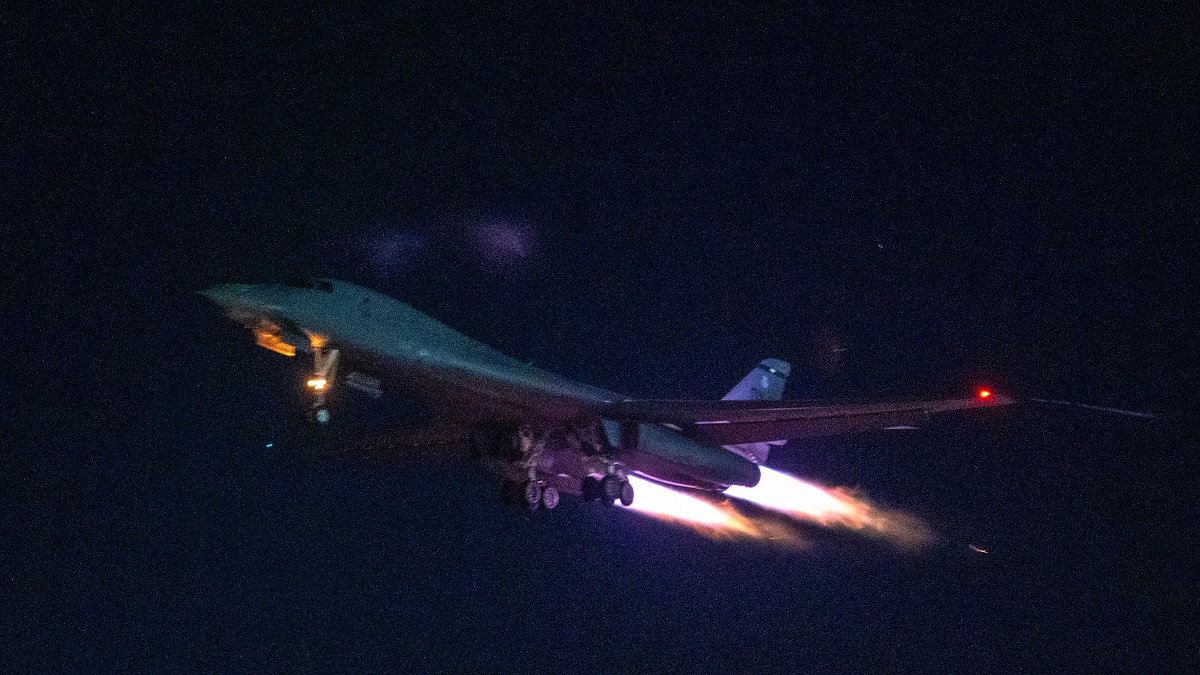
Geopolitics: Not since the wars in Afghanistan and Iraq reshaped…
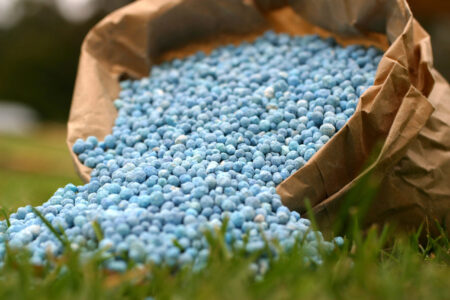


Ethiopia is the biggest Wheat producer in Africa, producing about 5.1 million tonnes in the 2020/2021 financial year. Russia’s restriction on the importation of Wheat has created a business gap in the African market and all over the globe.
Russia and Ukraine account for more than 70 per cent of Egypt’s imported wheat demand. In 2019, wheat imports from Russia to Egypt were worth US$2.55 billion, and Nigeria’s imports amounted to US$394 million. Other countries that import Russian Wheat include Sudan, Senegal, Tunisia and Morocco. Ethiopia will hold talks with Egypt and Sudan in March 2022 over the Nile waters’ use. Both countries are importers of Wheat, and production in Ethiopia could fulfil the demand from these two countries without exerting pressure on their production.
Top five priorities for the African Union Building Nutrition and Food Security top African Union…

African Union hosting eight events at the Expo 2020 Dubai The world sees Africa as…

Unreported mergers and acquisitions, false advertising, or aggressive marketing tactics all place the farmer, the…
The DRC is facing one of the deadliest and longest-running civil war crises The precariousness…
UNCTAD World Investment Report 2021 specifically states that “Greenfield investments in industry and new infrastructure investment projects in developing countries were hit especially hard.”
These financial flows of investment dollars have deep-rooted implications for Africa in the sense that they are vital for sustainable development in less developed and poorer countries.
The decline in investment flows was disproportionately skewed towards developed countries where FDI fell by 58 per cent according to UNCTAD. Investment flows in developing economies fell by a moderate 8 per cent mainly because of resilient flows in Asia.