Trending
- Kenya’s payments overhaul puts its $5 billion remittance economy at the centre of the FX debate
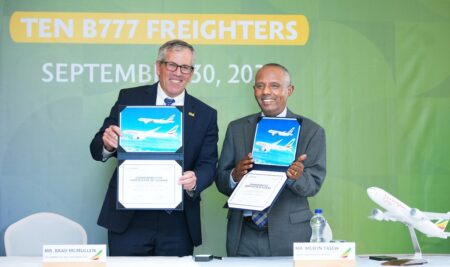
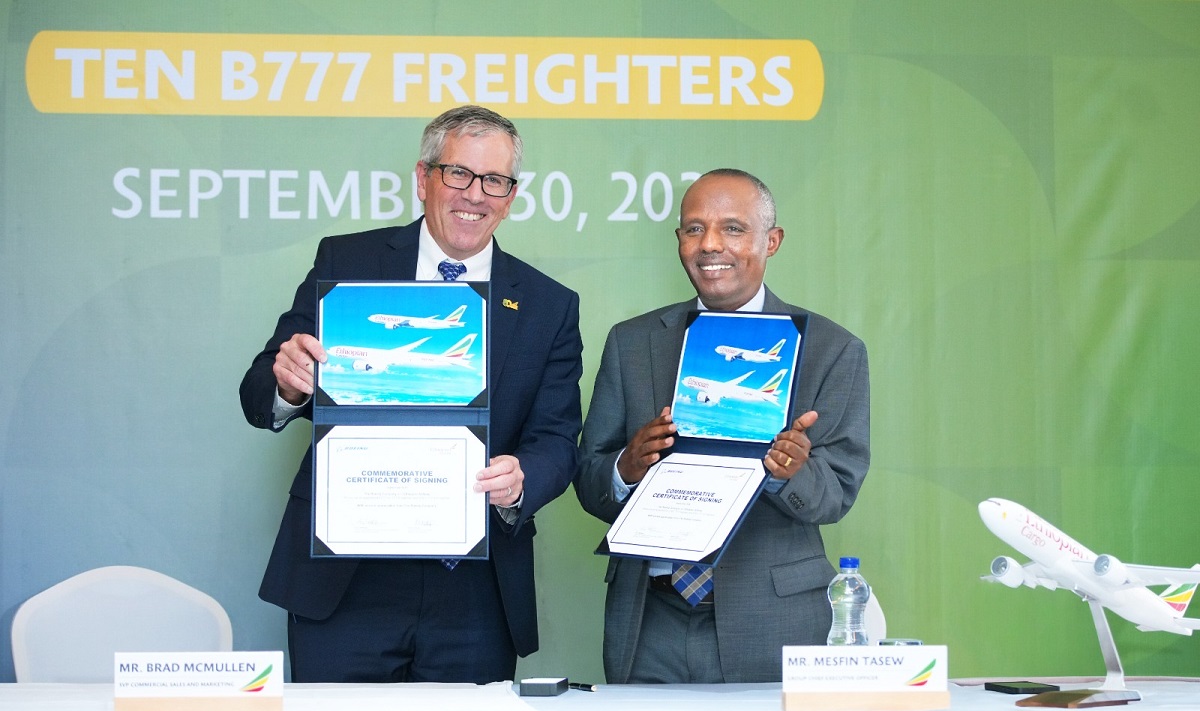
- Ethiopian Airlines bets big on Boeing freighters in $5 billion cargo fleet expansion
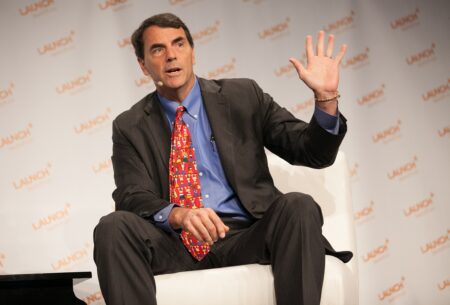
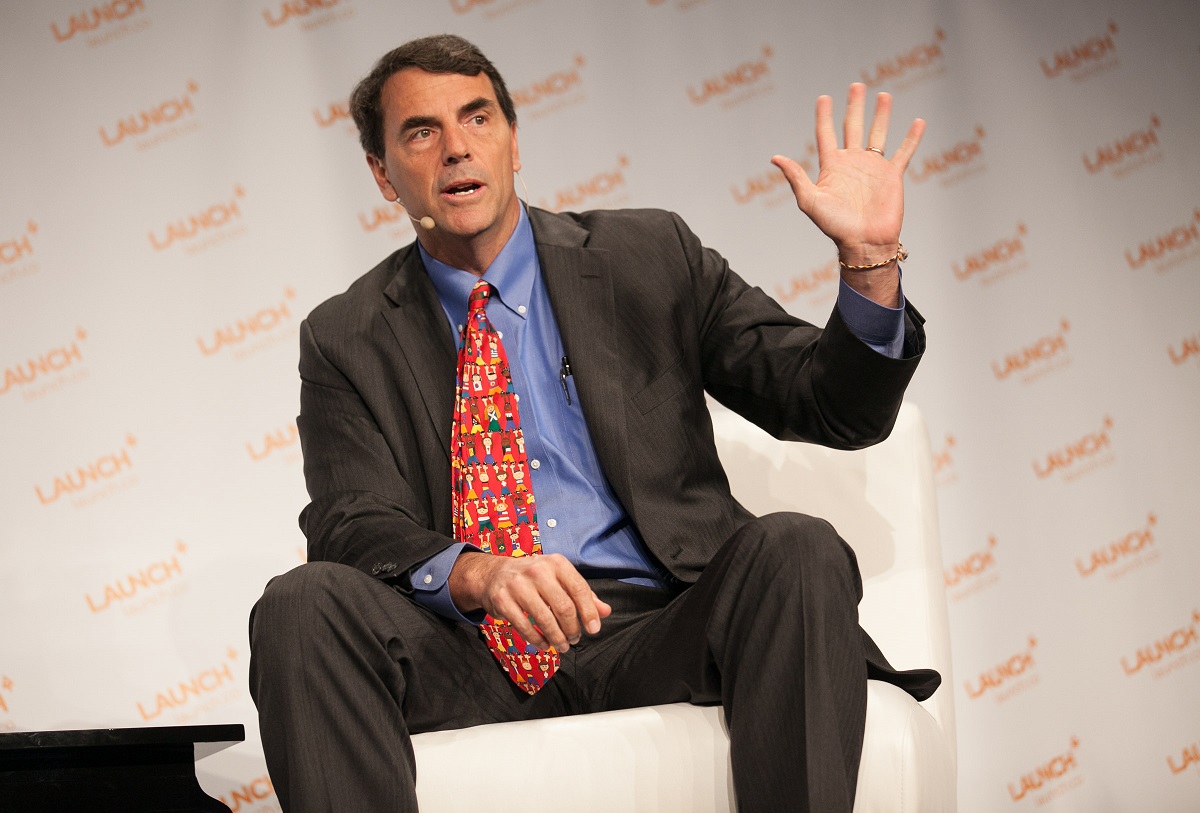
- Silicon Valley’s Tim Draper backs Nairobi blockchain festival, sees Africa as next digital frontier
- Dangote breaks ground on $16bn Lamu refinery as East Africa seeks fuel independence
- Gulf and African states meet in Dar to rewrite rules of labour migration
- African governments drive new forest finance progress as global report warns funding globally must scale faster
- Fine Spinners eyes Kenya’s Agoa-backed apparel supply chain with $5m plant
- Why young Kenyan investors need to stop treating the stock market like a betting slip


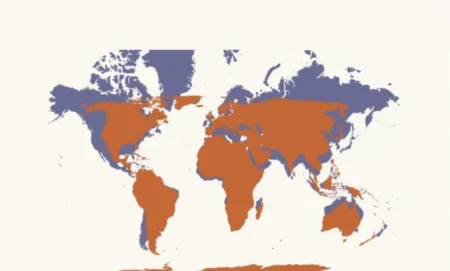
For generations, millions of people have looked at world maps that make Africa appear smaller than it really is. A recent United Nations (UN)…

Here’s a question worth sitting with: how much growth are…
Geopolitics: Not since the wars in Afghanistan and Iraq reshaped…

Another study by PureProfile, an advertising agency company, surveyed investors responsible for around US$700 billion assets under management. The results showed that twenty-five per cent of investor managers expect Africa’s internet industry to increase by 51 per cent in the next three years.
Over 71 per cent of professional investors expect the affordability of mobile phones in Africa to improve by 2025. Currently, the mobile phone economy accounts for an average of 6.8 per cent of monthly incomes. Ninety-seven per cent of all professional investors believe that the Coronavirus pandemic has accelerated the demand for mobile phones.
World Mobile is compounding its unique hybrid mobile network supported by low altitude platform balloons in Zanzibar, which it plans to roll out throughout the continent. The company is already in discussions with government officials in Tanzania, Kenya, and other territories underserviced by traditional mobile operators.
As a gigantic energy superpower, Russia’s foreign direct investment (FDI) accounts for less than 1 per cent of Africa’s total FDI.
However, African Business argued that, with Russia being a small trading partner to Africa compared to the United States and China, the impact on trade would be marginal—yet few Africa developing economies such as Uganda will be more exposed.
Further, United Nations Conference on Trade and Development (UNCTAD) data show that Russia accounts for 2 to 3 per cent of Africa’s trade with the world—most of it is exports.
“Russia also accounts for 2 per cent of the world’s exports to Africa, and only 0.5 per cent imports from the continent” African Business.
“Both Angola and Mozambique have a very limited level of trade with Russia and Ukraine; Angola imports wheat and yeast from Russia, while Mozambique imports a significant amount of wheat and a small amount of refined oil from Russia,” Oxford Economics Africa analyst who follows these two African economies told Mozambique News Agency.
“It appears that, at least for now, Angola is generally benefiting from higher oil and gas prices, which are partially driven by the conflict,” Gerrit van Rooyen said in remarks from Paarl, South Africa. Higher oil prices are positive for government revenues,” the analyst added. If the rise is sustained, “this could increase investment in Angola and lower debt levels faster than previously anticipated.”
“If gas prices remain high due to the conflict, this will be positive for investments in Mozambique’s liquefied natural gas [LNG],” his analysis continues, since “the profits from the natural gas in the Rovuma basin could be greater than the risk of armed extremist insurgency in the region.”
Majority of private equity investment in Sub-Saharan Africa is from outside the continent and represents…

More than 677,000 have fled Ukraine to Poland, Romania and other countries African students in…
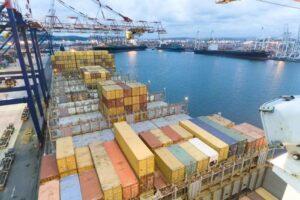
UNCTAD argued that in the fourth quarter of 2021, all major trading economies saw imports and exports rise well above pre-pandemic levels of 2019. Moreover, the report pointed out that trade in goods increased more strongly in developing countries than in developed ones.
It is essential to realize that Africa has more to tap into the intra-African trade, standing at around $21.9 billion, according to UNCTAD.
Further, exports of developing countries were about 30 per cent higher than during the same period in 2020, compared with 15 per cent for wealthier nations.
The UNCTAD report argued that growth spiked in commodity-exporting regions as commodity prices increased.