Trending
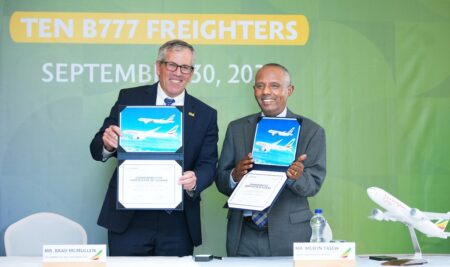
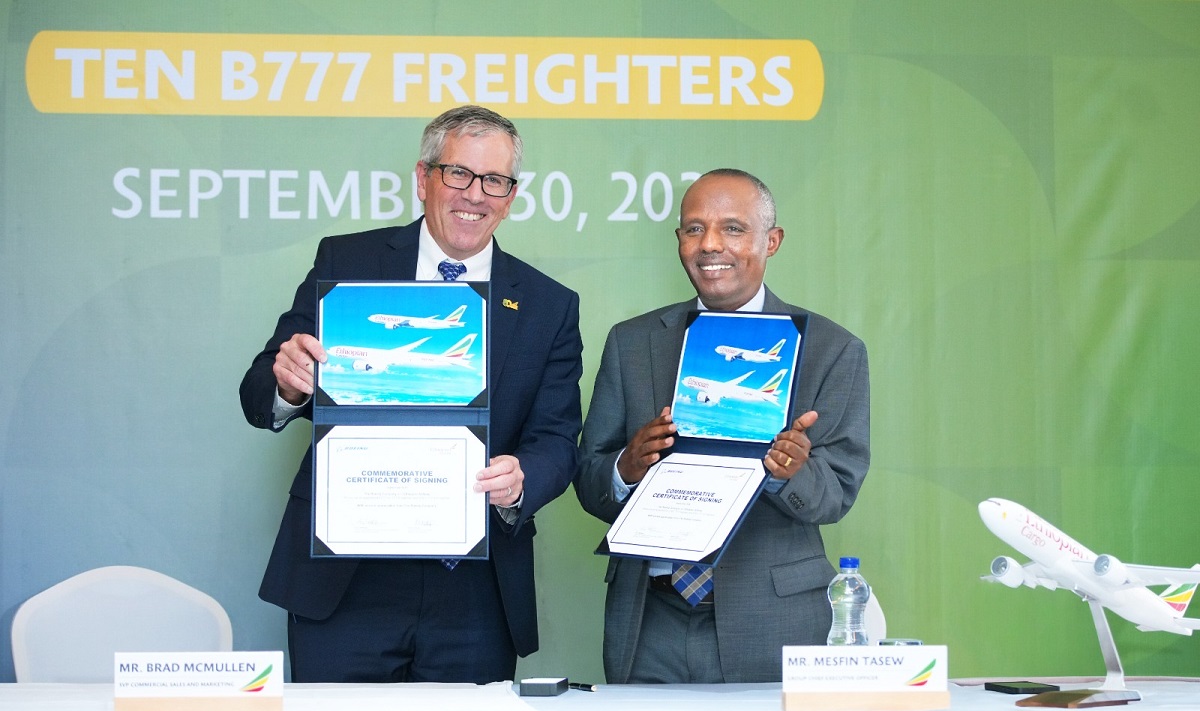
- Ethiopian Airlines bets big on Boeing freighters in $5 billion cargo fleet expansion
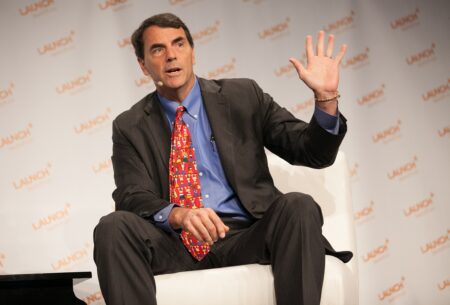
- Silicon Valley’s Tim Draper backs Nairobi blockchain festival, sees Africa as next digital frontier
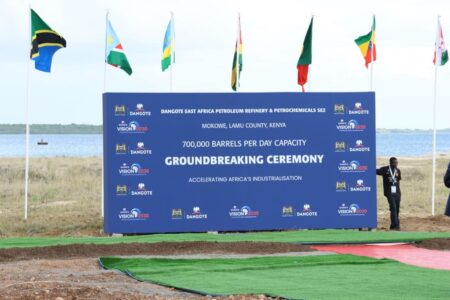
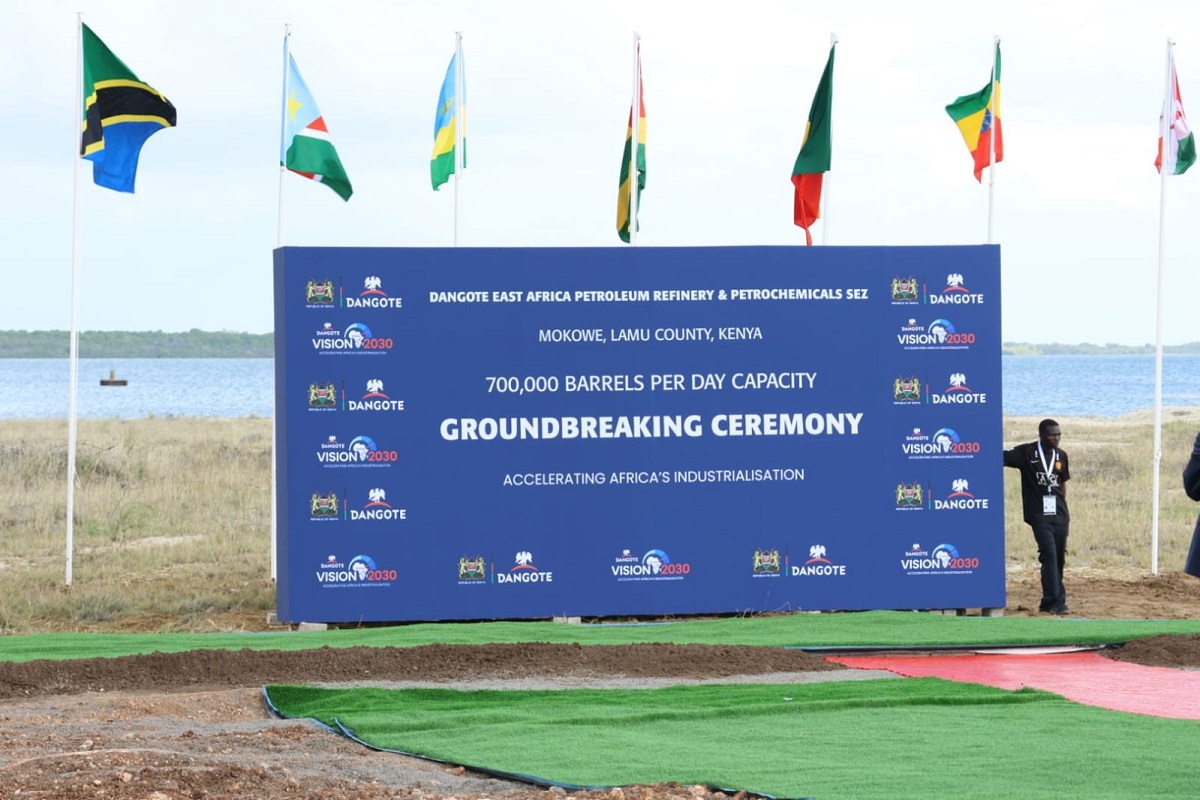
- Dangote breaks ground on $16bn Lamu refinery as East Africa seeks fuel independence
- Gulf and African states meet in Dar to rewrite rules of labour migration
- African governments drive new forest finance progress as global report warns funding globally must scale faster
- Fine Spinners eyes Kenya’s Agoa-backed apparel supply chain with $5m plant
- Why young Kenyan investors need to stop treating the stock market like a betting slip
- Tanzania tax reforms mandate VAT refunds to under 30 days


For generations, millions of people have looked at world maps that make Africa appear smaller than it really is. A recent United Nations (UN)…

Here’s a question worth sitting with: how much growth are…
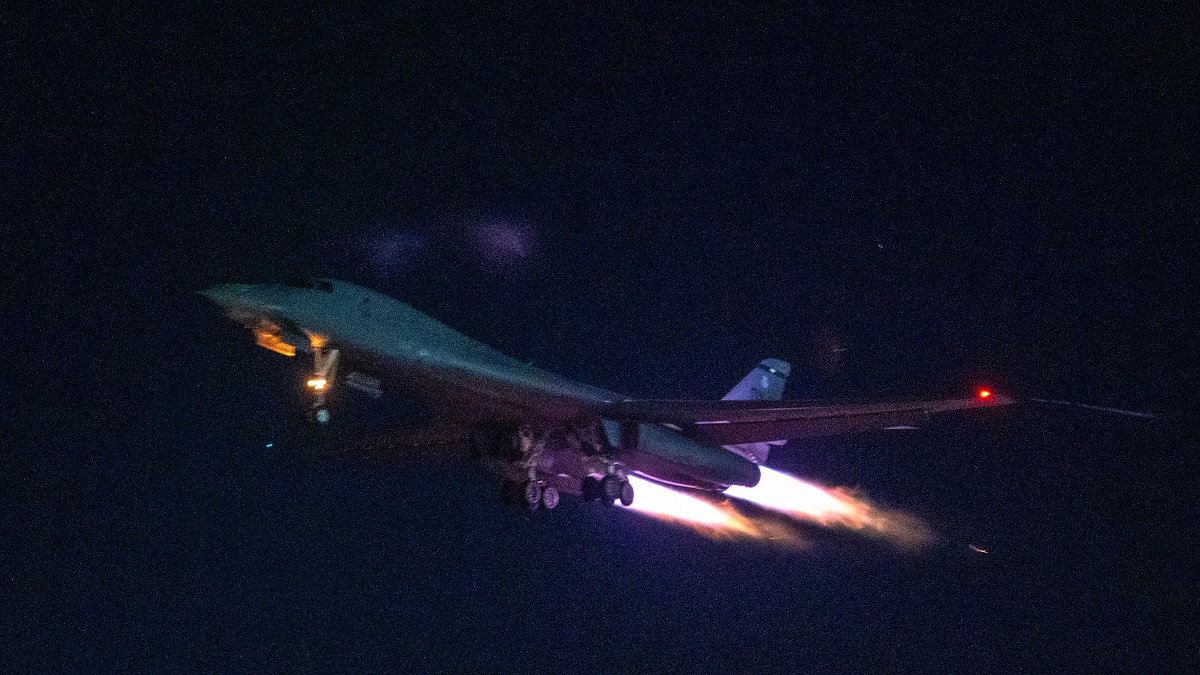
Geopolitics: Not since the wars in Afghanistan and Iraq reshaped…

African Development Fund has approved $5.5 million technical assistance grant to support projects Eastern Sahel…
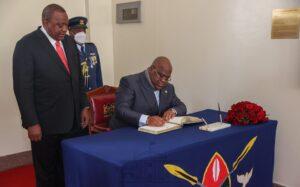
“Concerning the management of the mineral resources sector, the Partner States agree, among other things, to promote joint exploration, efficient exploitation and sustainable utilization of shared mineral resources,” the treaty reads in part. The World Bank notes that DRC’s natural resources are diverse and immense in its country report. The country has the world’s second-largest primary humid tropical rainforest endowment and carbon sink globally.
“However, forest loss rates have accelerated in recent years, and in 2020, the DRC lost 1.31 million ha of natural forest, equivalent to 854 million tonnes of CO₂ of emissions. This has had deleterious environmental impacts (including rainfall patterns, biodiversity, and climate change) and is threatening the livelihoods of the 35 million people who depend on forest resources,” World Bank says in the report.
World Bank’s collaborations in energy sector investments have been intended to rehabilitate transmission networks and hydropower plants, raise Inga’s electricity production by 632 MW and augment power supply to mines, but with limited investment in the distribution network segment. However, the civil war caused insecurity, seeing DRC struggle to maximize its resources, particularly mines.
In the construction sector, the price of steel and cement has increased exponentially. And, things are not getting better.
The Kenya Transporters Association has instructed its members across the country to raise freight rates by at least 5 per cent in order to maintain their companies under the current circumstances. The notification issued on March 14 was to help the freighters avoid a total collapse of the sector.
In a petition to parliament, the Consumers Federation of Kenya called for the elimination or reduction of the current 16.5 per cent value-added tax on liquefied petroleum gas to 8.5 per cent.
Pressure from the International Monetary Fund (IMF) put the treasury under pressure to increase the VAT on all petroleum goods in 2018. The IMF said that the implementation of the VAT would ensure that the government is able to meet its financial obligations.
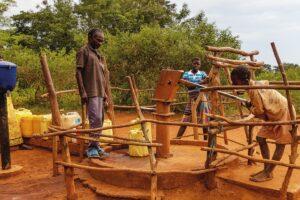
Africa is the second driest continent in the world after Australia and millions of Africans…
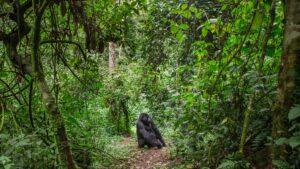
The Congo Basin spans six countries which include the Central African Republic, Cameroon, Gabon, Equatorial…
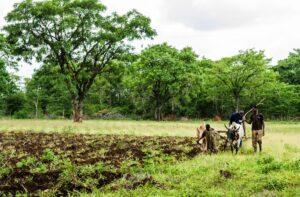
Cocoa is a signature cash-crop for Ivory Coast US Department of Agriculture slated to invest…