Trending
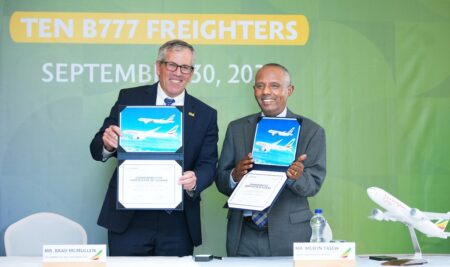
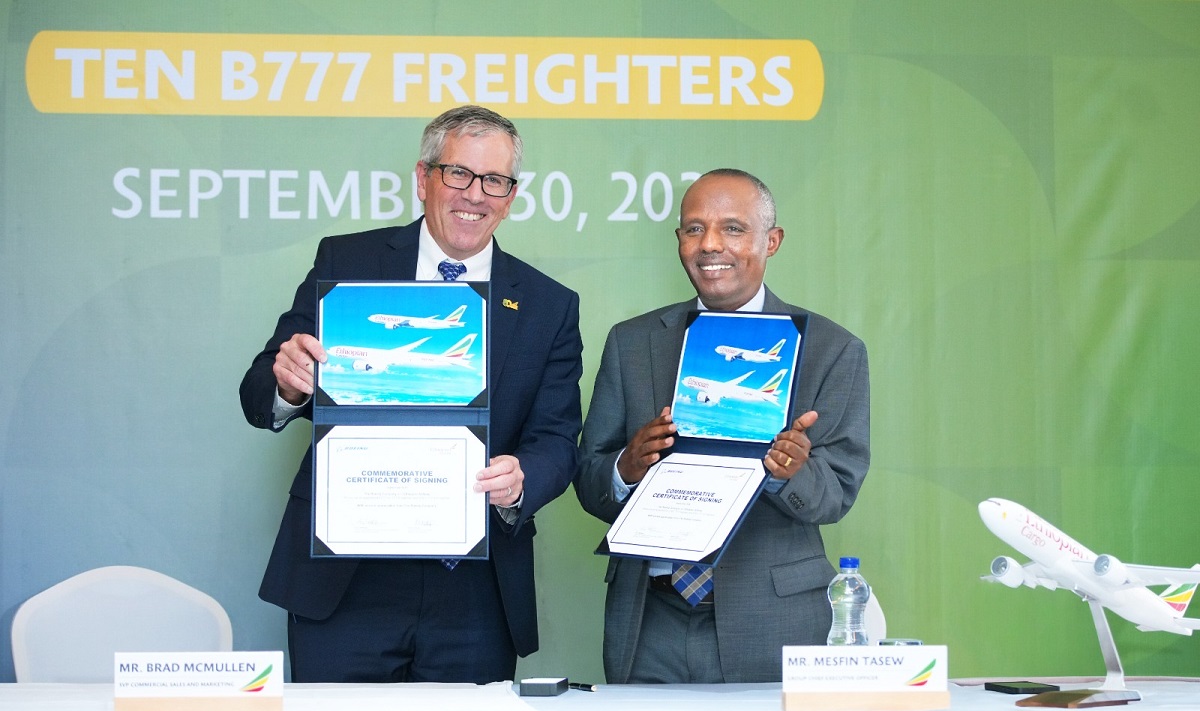
- Ethiopian Airlines bets big on Boeing freighters in $5 billion cargo fleet expansion
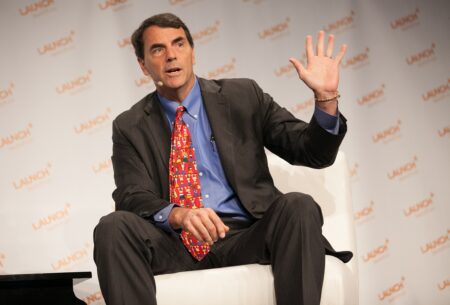
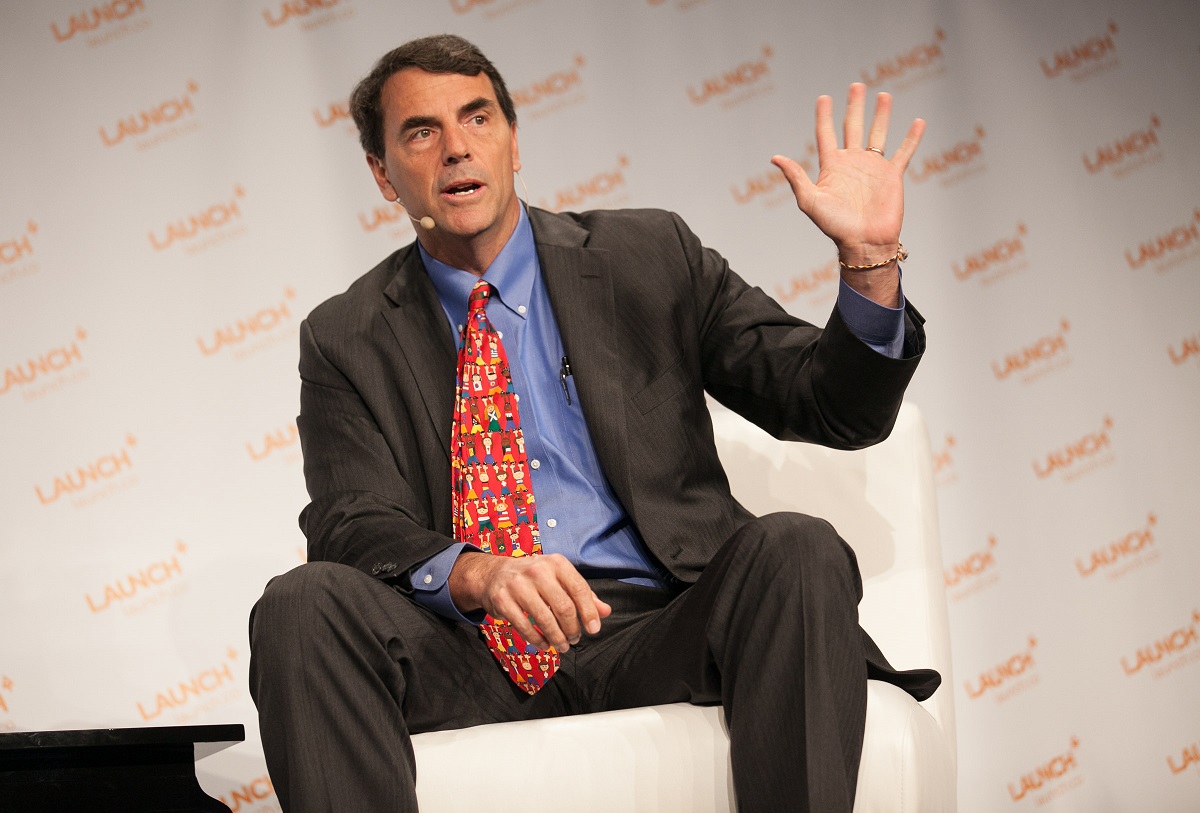
- Silicon Valley’s Tim Draper backs Nairobi blockchain festival, sees Africa as next digital frontier
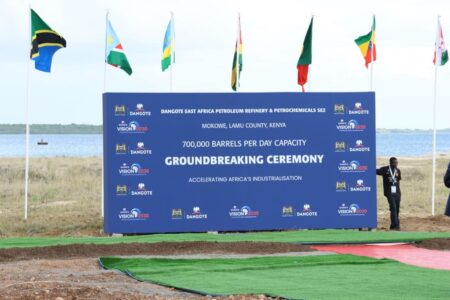
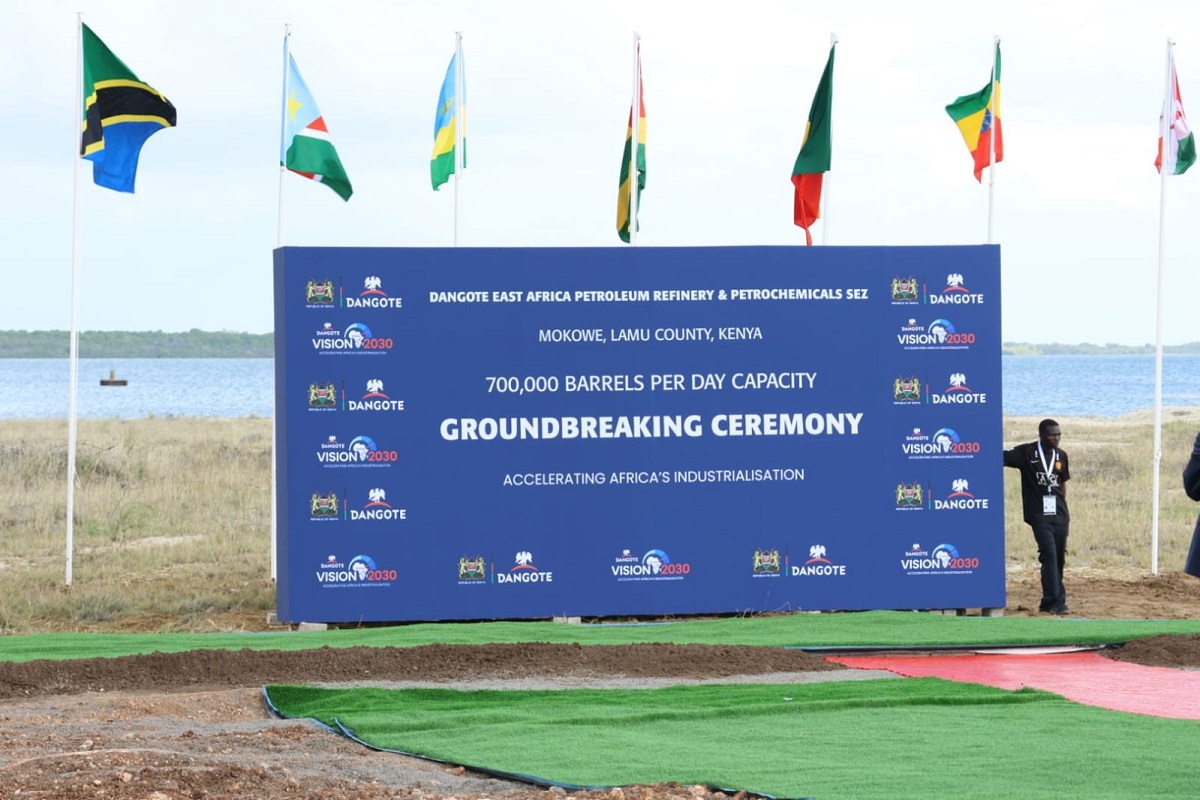
- Dangote breaks ground on $16bn Lamu refinery as East Africa seeks fuel independence
- Gulf and African states meet in Dar to rewrite rules of labour migration
- African governments drive new forest finance progress as global report warns funding globally must scale faster
- Fine Spinners eyes Kenya’s Agoa-backed apparel supply chain with $5m plant
- Why young Kenyan investors need to stop treating the stock market like a betting slip
- Tanzania tax reforms mandate VAT refunds to under 30 days


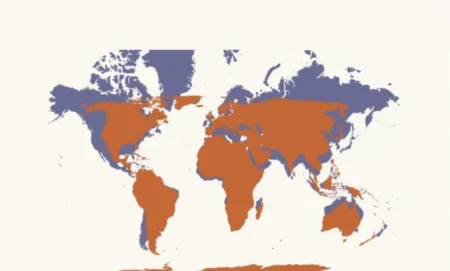
For generations, millions of people have looked at world maps that make Africa appear smaller than it really is. A recent United Nations (UN)…

Here’s a question worth sitting with: how much growth are…
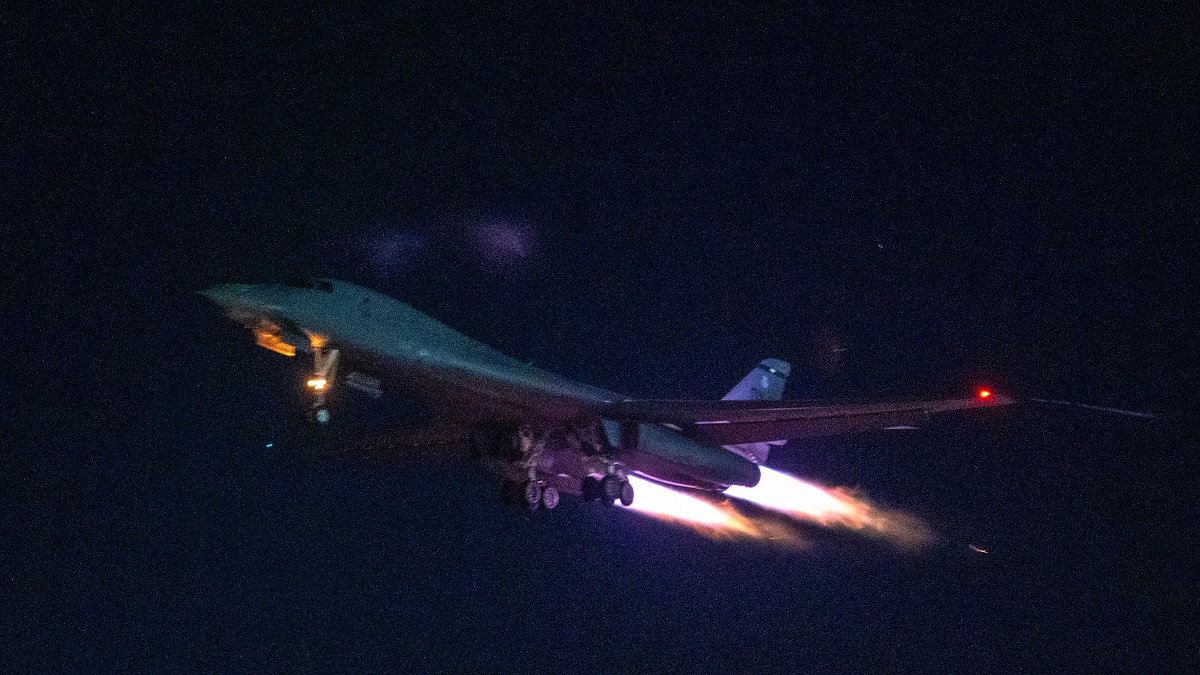
Geopolitics: Not since the wars in Afghanistan and Iraq reshaped…

Platinum mining is where Loucas Pouroulis, the chairman of mining outfit Tharisa PLC made and…
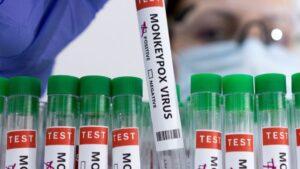
Cases so far have “mainly but not exclusively been identified amongst men who have sex with men,” according to WHO. This new revelation is against known medical knowledge of the disease because the WHO considers monkeypox not to be a sexually transmitted infection.
In a recent media briefing, Dr John Brooks, an epidemiologist with the US Centers for Disease Control and Prevention, explained that “…monkeypox is not a sexually transmitted infection in the typical sense, but it can be transmitted during sexual and intimate contact.”
From there onwards, the disease has continued to spread, as of May 21st the WHO has reported some 92 confirmed cases and 28 suspected ones. In the wake of this outbreak in the UK, other cases have been reported in Spain and Portugal and several other European countries.
Mapping “Adaptech”: introducing a multi-dimensional map of over 70 digital technologies for climate adaptation Climate…
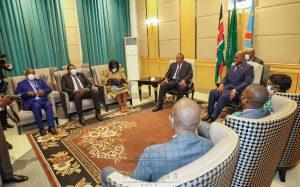
It is obvious that the DRC’s desire to become a member of the EAC is to tap into the benefits of regional trade, i.e. an expanded market of 300 million people, and to increase Foreign Direct Investment (FDI) through its membership in the EAC bloc. DRC’s capital market remains underdeveloped and consists mainly of the issuance of treasury bonds.
There is no stock exchange in the country and only a small number of private equity firms are actively investing in the mining industry. There are hardly any institutional investors in the DRC except for an insurance company and a state pension fund. The Central Bank of Congo (BCC), developed a market for short-term bonds, which are bought and held by local Congolese banks.
The absence of a domestic debt market has meant that the fixed-rate market is limited to government-issued treasury bonds with maturities of up to 28 days traded through commercial banks.
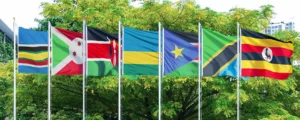
With the recent addition of the DRC to the East African region, landlocked countries have found an alternative port of entry in the Atlantic Ocean. The swiftness of trade with two ports of entry and the region’s strategic location will be incomparable to any other region on the continent.
The East African Federation would be the fourth largest country in both population and landmass, trailing after China, India and the United States. President Uhuru Kenyatta says that the federation would have over 300 million people.
The gross domestic product for the region will sum up to US$250 billion, the fourth-largest in Africa and the 34th biggest globally. Since the beginning of the last decade, East Africa has had the fastest growing economy globally. In 2019, the region’s economy grew by about 5 per cent. If the federation continues with this growth rate, the new country would quickly become the biggest superpower in Africa.
The EAF would become Africa’s largest superpower precisely because of the weaker nations surrounding the region. Among the languages official languages suggested in the region will be English and Swahili.
The International Monetary Fund projects that Rwanda will post 7 per cent growth in 2022…