Trending
- Kenya’s payments overhaul puts its $5 billion remittance economy at the centre of the FX debate
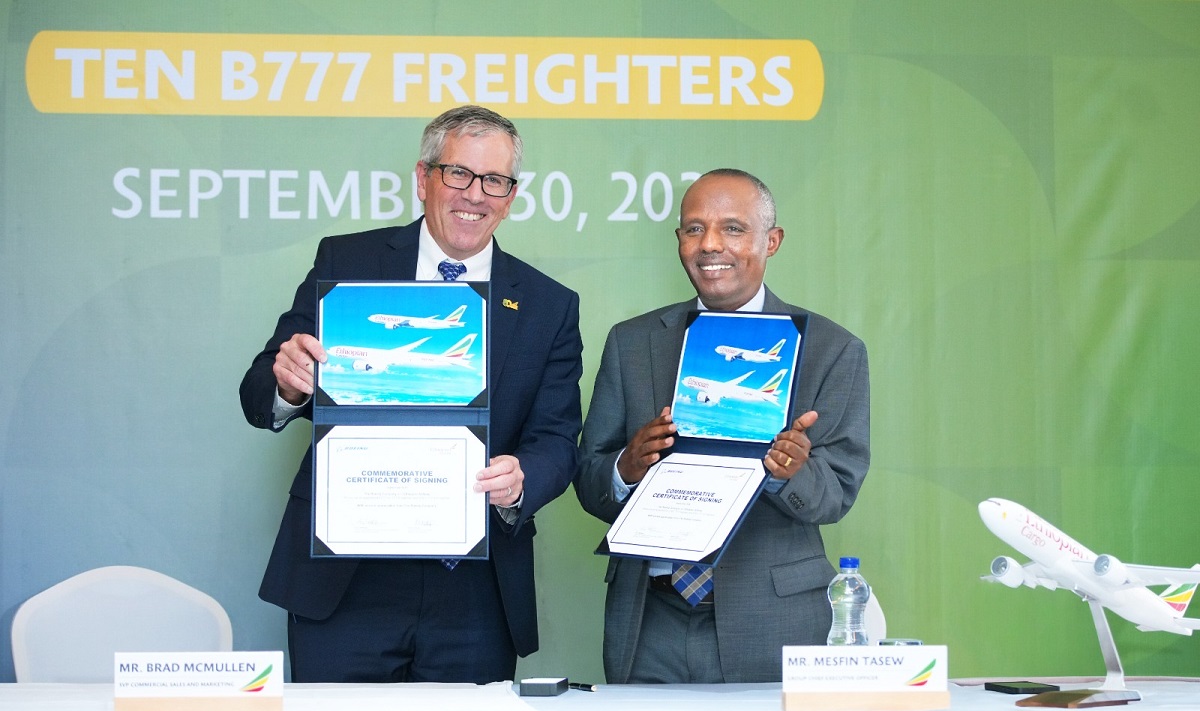
- Ethiopian Airlines bets big on Boeing freighters in $5 billion cargo fleet expansion
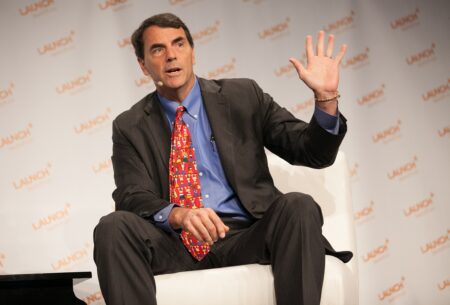
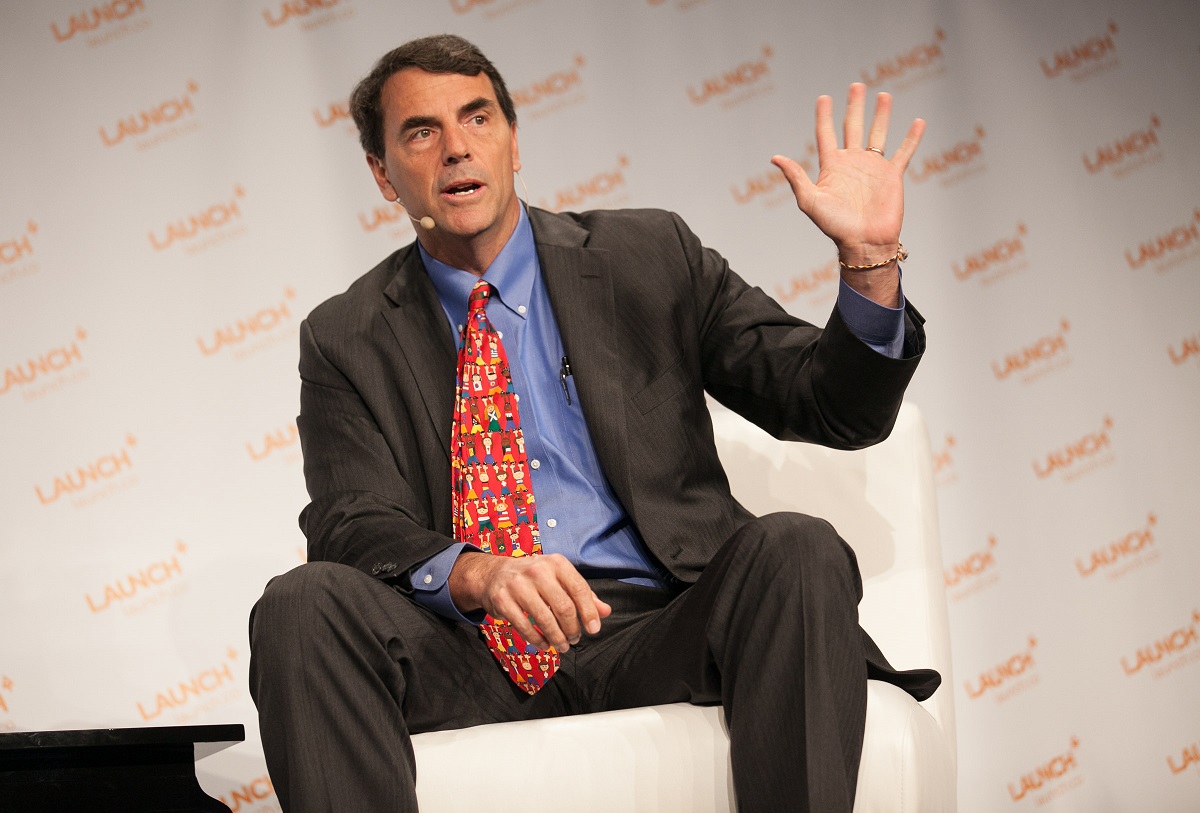
- Silicon Valley’s Tim Draper backs Nairobi blockchain festival, sees Africa as next digital frontier
- Dangote breaks ground on $16bn Lamu refinery as East Africa seeks fuel independence
- Gulf and African states meet in Dar to rewrite rules of labour migration
- African governments drive new forest finance progress as global report warns funding globally must scale faster
- Fine Spinners eyes Kenya’s Agoa-backed apparel supply chain with $5m plant
- Why young Kenyan investors need to stop treating the stock market like a betting slip


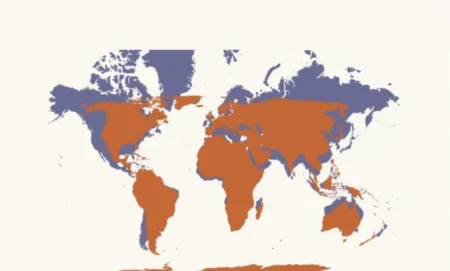
For generations, millions of people have looked at world maps that make Africa appear smaller than it really is. A recent United Nations (UN)…

Here’s a question worth sitting with: how much growth are…

Geopolitics: Not since the wars in Afghanistan and Iraq reshaped…




The game has been acquired for an undisclosed price in the “low seven figures.” This…
Findings show that increasing costs in every market due to a year of supply disruption did not deter data centre demand in most markets including Nairobi and Johanessburg.
The two African capitals were among 44 other locations that were surveyed.
According to the study, despite the negative impact of the coronavirus pandemic, demand remained relatively steady when compared to other industries owing to governments’ decisions to make working and schooling from home mandatory.
Data by the World Bank reveals that at least a quarter of the African population…

The programme will facilitate access to the Royal Academy’s global network of experienced, high-profile and business experts, in addition to access to the alumni network upon completion of the programme.
Moreover, 2022 is the programme’s second consecutive year to render a digital experience, with rigorous support provided through person-to-person and group discussions.
Four finalists will pitch their revised and improved innovations and business plans to the judges in the presence of a live audience.

The recent leaked Pandora papers have shown how African leaders have directed their investments towards other countries and kept the investments a secret to avoid taxation and hide their wealth.
Leaders exposed by the papers include Presidents Denis Sassou-Nguesso of DRC, Uhuru Kenyatta of Kenya, and Patrick Achi of Cote d’Ivoire, among 46 other politicians.
The papers showed that Sassou owned a company that controlled diamond mines. Seven members of the Kenyatta family were linked to at least seven offshore companies and foundations. Through Union Banque Privée (UBP), the Kenyatta’s set up three foundations to avoid inheritance tax and hide their extensive wealth.
The foundations were suspended after failing to pay annual taxes, law firm Algocal says.

It is highly discouraged to go to a company directly and purchase a cover as in more ways than one you will be short-changed when the time comes to pay the claim. You will find that the requirements for you to get paid a claim can only be handled by an agent or broker as they will go the extra mile to make sure that you are properly sorted out.
These insurance intermediaries will also advise you on the best insurance company to insure with as they have the knowledge which most likely you do not have. I always point out about those insurance clients whom we once saw knocking on the door of an insurance company whose doors had been closed for good, but were pleading to be let in and purchase a motor insurance cover.
That is the tragedy of not trusting your agent or broker as you might find yourself holding onto a useless piece of paper known as a motor insurance sticker.