Trending
- Kenya’s payments overhaul puts its $5 billion remittance economy at the centre of the FX debate
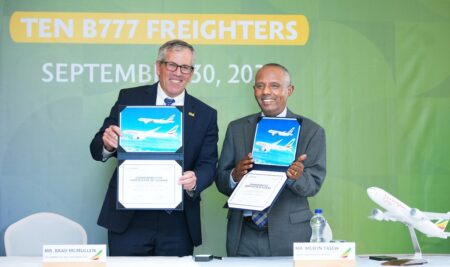
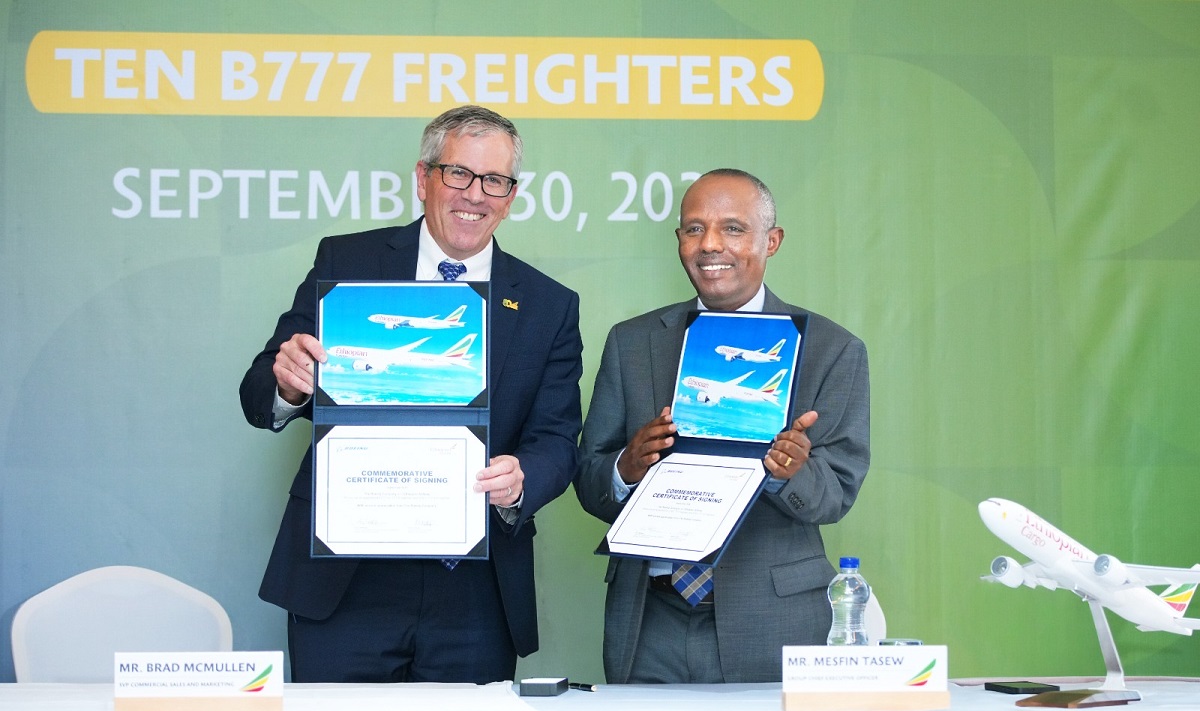
- Ethiopian Airlines bets big on Boeing freighters in $5 billion cargo fleet expansion
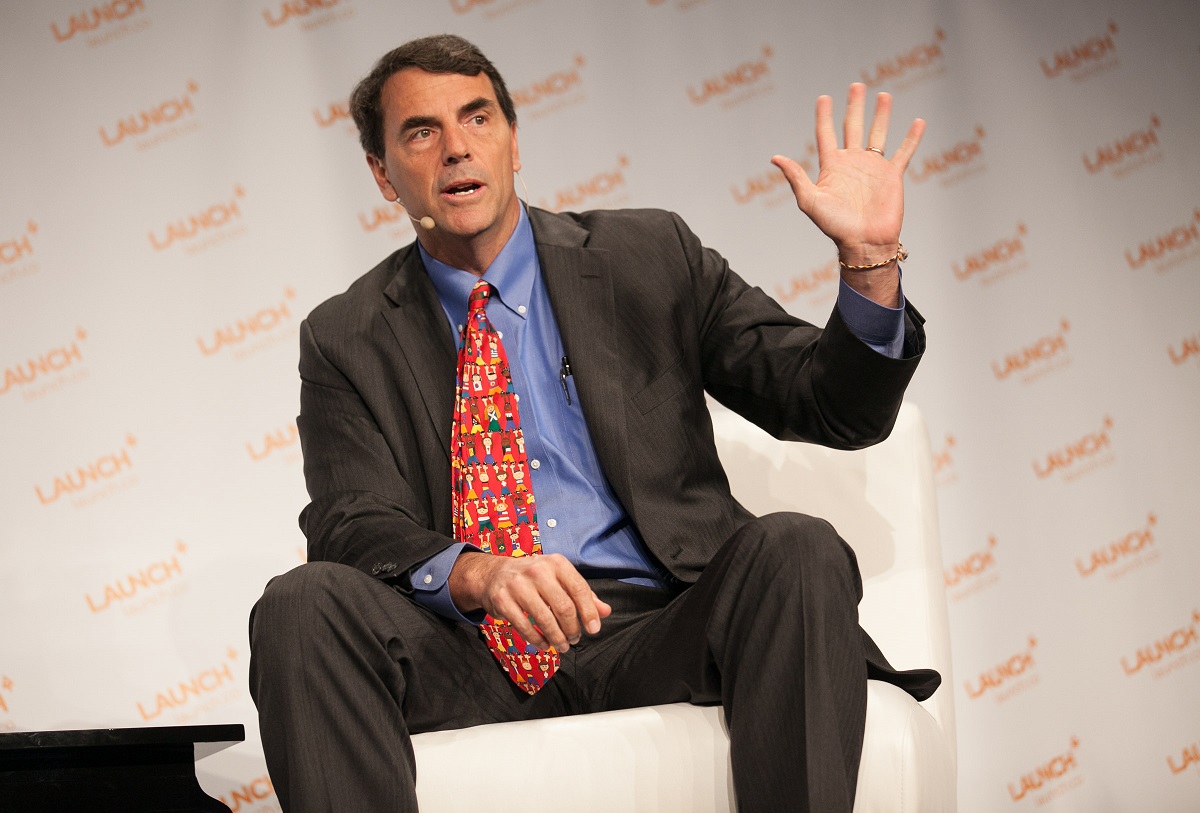
- Silicon Valley’s Tim Draper backs Nairobi blockchain festival, sees Africa as next digital frontier
- Dangote breaks ground on $16bn Lamu refinery as East Africa seeks fuel independence
- Gulf and African states meet in Dar to rewrite rules of labour migration
- African governments drive new forest finance progress as global report warns funding globally must scale faster
- Fine Spinners eyes Kenya’s Agoa-backed apparel supply chain with $5m plant
- Why young Kenyan investors need to stop treating the stock market like a betting slip


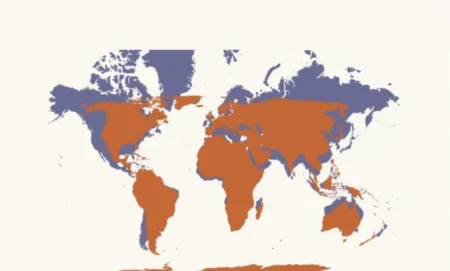
For generations, millions of people have looked at world maps that make Africa appear smaller than it really is. A recent United Nations (UN)…

Here’s a question worth sitting with: how much growth are…

Geopolitics: Not since the wars in Afghanistan and Iraq reshaped…


In 2004, Mittal Steel was founded following the merger of Ispat International and LNM Holdings, and the simultaneous acquisition of International Steel Group, becoming came the world’s leading steel producer.
Shortly after, in 2006, Mittal Steel launched an ambitious bid to merge with Arcelor, creating ArcelorMittal.
Lakshmi Mittal has done very well, and it leaves little doubt in the mind that he has enjoyed a very gratifying career replete with success in business if his personal bank account is anything to go by together with numerous recognitions of his work in philanthropy and his contribution to the steel industry.

The most extensive data centre operators worldwide are racing to buy and build capacity in Africa.
A data centre is an extensive network of computer servers commonly used by organizations for remote processing, storage, or distribution of large data compilations.
Modor Intelligence expects that the data centre services markets, valued at US$48.90 billion in 2020, will rise to over US$105.6 billion by 2026.
Africa is home to at least 47 foreign military outposts, with the US controlling the largest number. Djibouti is the only country in the world to host both American and Chinese outposts.
A recent survey by Afrobarometer across 34 countries indicated that 63 per cent of the population see China’s influence in Africa as positive, whilst 60 per cent made similar comments about the US. Are there benefits to be extracted from this searing rivalry?
Africa’s Agenda 2063 on the ‘Africa we want’ set by the African Union, advocates under its first aspiration, a ‘Prosperous Africa based on inclusive growth and sustainable development’ and ‘A Strong, United, Resilient and Influential Global Player and Partner’ under aspiration 7.
This comes as the IMF has downgraded economic prospects for countries in this cluster. The downgrades have, however, been offset relatively by projections for some commodity producers and exporters that were upgraded on the back of rising commodity prices.
The economic prospects between wealthy nations and low-income countries are expected to be divergent and this divergence will remain of great concern to multilateral lenders and world leaders. In wealthy nations, for example, aggregate output for the cluster economies is expected to regain its pre-pandemic trend path in 2022 and exceed it by 0.9% in 2024 whereas the cluster of nations comprise emerging markets and developing economies (excluding China) will remain 5.5% below their pre-pandemic forecasts in 2024.
This event should it occur as forecast will set back improvements in living standards.
Capitec Bank has 16 million clients, more than half of which bank digitally.
The bank has more than 800 branches spread out through South Africa. Capitec can now claim to be the bona fide largest banking company in South Africa.
Capitec Bank was founded in 2000 in a sector fiercely competed for and dominated by what was then the big four banks, Standard Bank, Nedbank, FNB and ABSA.

The biggest challenge for Africa to produce thrilling global entertainment has been for a long time the lack of a realistic budget allocation to the creation, pre-and postproduction, and marketing of content.
However, the year 2022 bears a promise of the global media industry taking African content seriously.
Tony Maroulis, a principal analyst for London-based Ampere Analysis, says more than 1.4 million subscription video-on-demand (SVOD) users in Sub Saharan Africa. He projects the figure will grow to 2.4 million by 2026.