


Trending
- Nigeria’s oil output soars to heights not seen since 2020. Here’s what’s changing behind the numbers
- Kenya’s construction costs surge at fastest pace in four years as fuel price shock hits
- African trade is growing despite the obstacles
- Why global capital is betting big on Africa’s digital promise
- Kenya posts stronger-than-expected Q1 growth at 5.3% on manufacturing rebound, tourism boom
- China’s new investment rules are about guardrails, not closed doors
- Zanzibar optimistic economic growth will hit 7.5% on tourism boom
- Kenya defies economic shocks to post record $22 billion in tax collections


Author: Giza Mdoe

Giza Mdoe
Giza Mdoe is an experienced journalist with 10 plus years. He's been a Creative Director on various brand awareness campaigns and a former Copy Editor for some of Tanzania's leading newspapers. He's a graduate with a BA in Journalism from the University of San Jose. Contact me at [email protected]
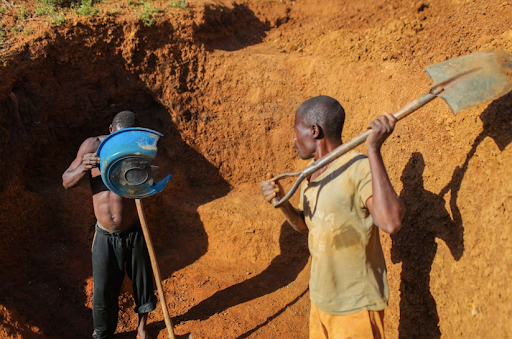
Tackling poverty in Africa remains one of the primary goals of policymakers and institutions globally, including the World Bank. As the world’s economic powers focus on Africa for a share of its vast resources, the stars could be aligning for Africa to deal a body blow to the ghosts of poverty. One of the key cogs of this endeavor, however, is tapping on human capital and technology to drive change at scale, as advised by the UN. One of the most vexing questions for policymakers internationally is how to make sustainable progress in tackling poverty in Africa. In this endeavor,…
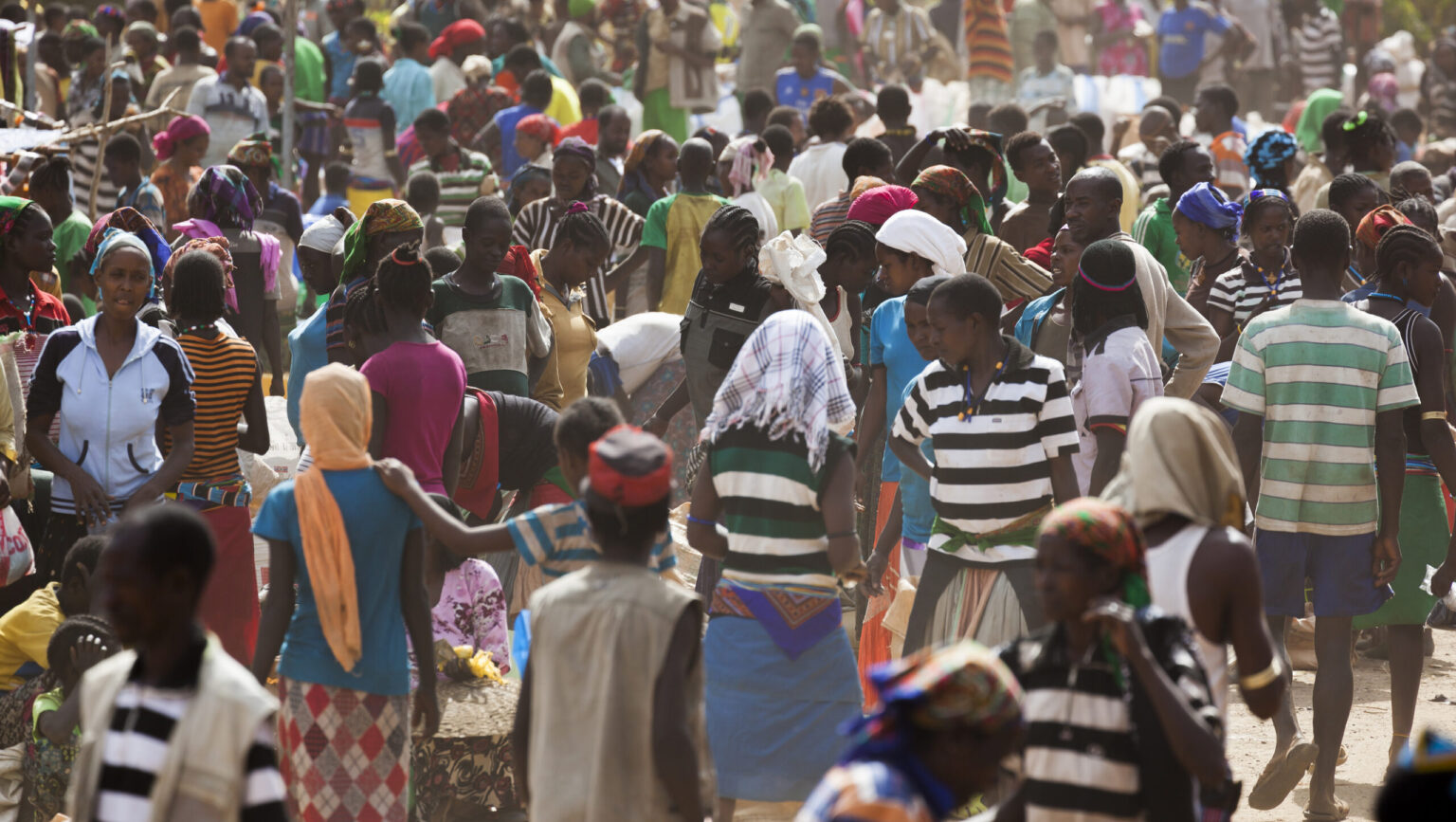
Africa’s urban population is poised to hit almost one billion in 2035. This population explosion poses both threats and opportunities. Population growth will grow more dynamic and wealthier consumer markets. The ongoing population explosion in Africa poses both opportunities for economic growth and threats that could dampen the hopes for billions of people. According to the latest surveys, the African continent is expected to record one of the fastest rates of population growth worldwide. For instance, insights from the Economist Intelligence Unit’s African Cities 2035 report states, “African cities will record rapid urbanization in the next decade, creating a mixed…
Africa is increasing borrowing on global capital markets. Eurobonds are the preferred borrowing option for most African countries. The IMF advices setup of a rescue plan for African borrowers, in lure of another global crisis. Africa capital market access is improving as the world markets start seeing a return to lower interest rates. Between 2007 and 2020, more than 20 African countries tapped into international capital markets to finance their ambitious development plans. According to the International Monetary Fund (IMF), most of these countries opted for Eurobonds issued by global financial centres. “Along with this access to the markets came…

Conservation efforts are helping increase the number of black rhinos in the wild. Poaching for ornaments and traditional medicines remains the biggest threat to black rhinos. Charity WWF reports that over 6000 black rhinos are in the wild today. Black rhinos are a major tourist attraction in Tanzania, but they are also a key source of treasured ornaments and traditional medicine for China, despite the fact that the country has banned the trade in ivory. “The main threat to the black rhino is poaching for the international illegal trade in rhino horn. Most, if not all, horn from Kenya and…
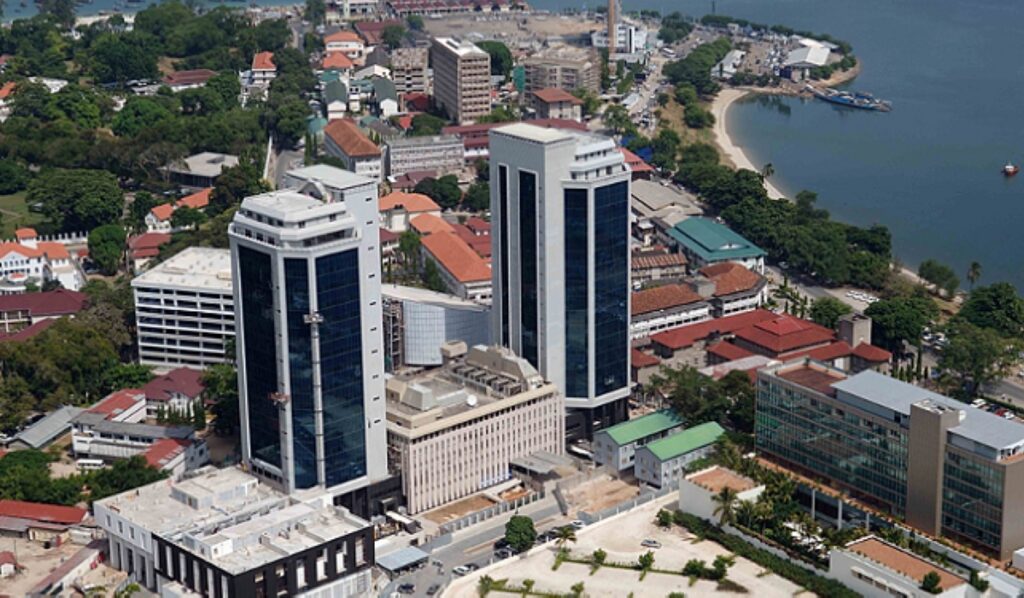
Tanzania has received $149.4 million for budget support from the IMF. The lender has commended Dodoma’s ongoing economic reform and diversification plan. IMF approves $786.2 million for Resilience and Sustainability Facility (RSF) Days after the International Monetary Fund (IMF) ranked Tanzania third on its list of top-performing African economies, its Executive Board has announced an immediate disbursement of about $149.4 million for budget support after completing the third review of the country’s Extended Credit Facility (ECF). “The Executive Board also approved a 23-month arrangement under the Resilience and Sustainability Facility (RSF) of about US$786.2 million to support Tanzania’s efforts to…
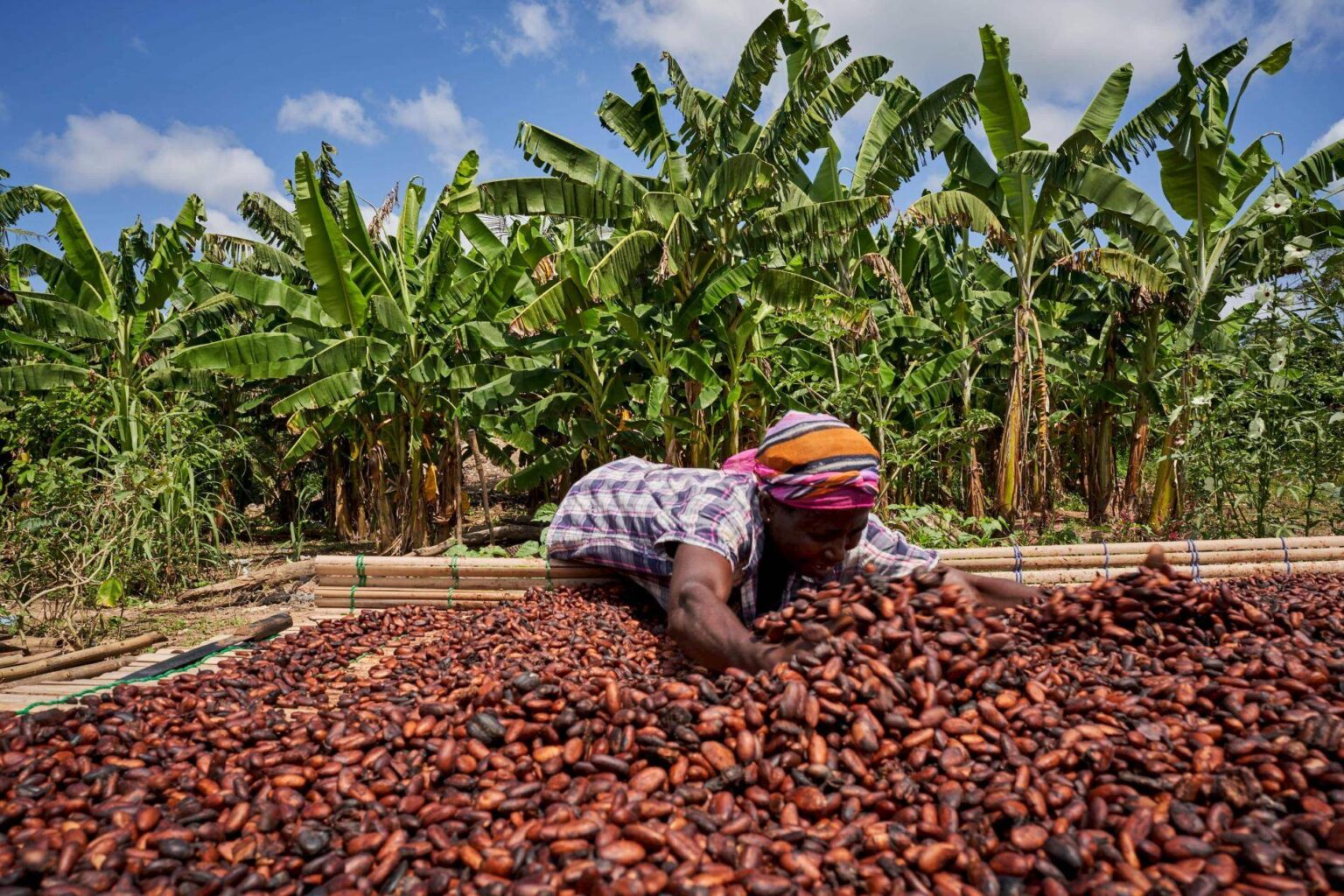
Chocolate companies are avoiding paying minimum prices to cocoa farmers. In Ghana and Ivory Coast, farmers are forced to engage in child labour to maintain optimum cocoa production amid meagre returns. Cocoa prices peaked at $12,072 per tonne in February 2024. Cocoa prices peaked at $12,072 per tonne in February of this year, only to drop to $7,960 per tonne this September, leaving farmers seeking solutions on how to cushion against such adverse price swings. “Market reports say the world market price of cocoa has witnessed the highest levels of volatility over the past 12 months,” reported the Ghana Food…

AI security is a major concern for African policymakers who are equally grappling with tools to harness the power of the new technology better to drive economic growth. Currently, Tanzania and other African countries are formulating AI security measures. Countries may not have to look far for guidance as the UK National Cyber Security Center (NCSC) has developed AI security guidelines that Africa can embrace. AI security guidelines are increasingly becoming popular among developing countries as most African nations move to secure their cyber assets from the increasing threat of attacks. The need for Artificial Intelligence (AI) security comes even…

The Malabo Declaration deadline has expired with only a handful of African countries on track. Of 51 AU member states, only Rwanda is on course to achieving the 2014 Malabo commitments on financing agriculture. In year’s Africa Food Systems Forum in Kigali, authorities cited a myriad of challenges in achieving key goals. Africa food systems are failing but there is still optimism. This is despite the fact that we are only one year away from the Malabo Declaration’s deadline and only six years to the end of the Sustainable Development Goals (SDGs). In June 2014, the Malabo Declaration was made…

Innovation is the route to business, company, industry and national success story. To realize this success, however, governments must create policies that encourage and support innovation at scale. For Africa, the jury is still out on the role of governments in driving innovation. From the developed to emerging to the underdeveloped economies, one thing that policymakers agree is that innovation drives industrial and therefore national progress. It creates opportunity for individuals and investors, grows businesses, and powers a nation’s development agenda. For these reasons, policymakers are advised to place emphasis on innovation. Matt Banholzer, an economics researcher and author of…
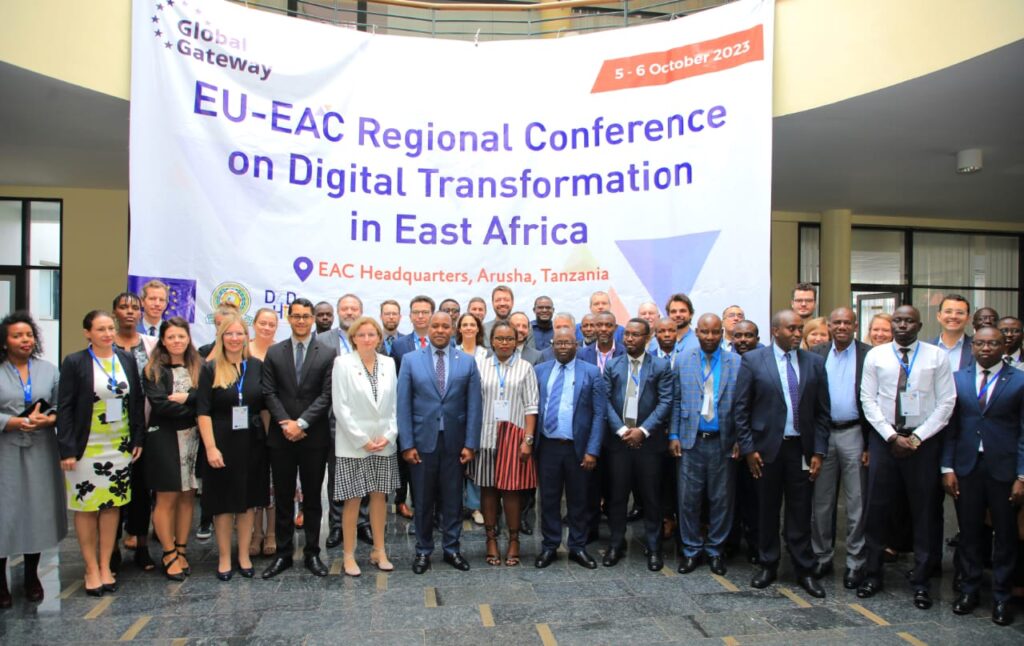
The World Bank is set to finance a new digital harmonization project across EAC member states. Currently, internet prices in the region range from $4.64 in Kenya to $21.06 in South Sudan. Integrated connectivity is poised to improve regional trade and boost integration efforts. EAC internet prices vary greatly among East African countries even though the region boasts of being a single, integrated entity, the East African Community (EAC). The region is, however, taking action to integrate its connectivity, in particular, lowering by seeking to cut present high internet connection fees and improving cyber security as well. This ambitious goal…