

Trending
- Nigeria’s oil output soars to heights not seen since 2020. Here’s what’s changing behind the numbers
- Kenya’s construction costs surge at fastest pace in four years as fuel price shock hits
- African trade is growing despite the obstacles
- Why global capital is betting big on Africa’s digital promise
- Kenya posts stronger-than-expected Q1 growth at 5.3% on manufacturing rebound, tourism boom
- China’s new investment rules are about guardrails, not closed doors
- Zanzibar optimistic economic growth will hit 7.5% on tourism boom
- Kenya defies economic shocks to post record $22 billion in tax collections


Author: Giza Mdoe

Giza Mdoe
Giza Mdoe is an experienced journalist with 10 plus years. He's been a Creative Director on various brand awareness campaigns and a former Copy Editor for some of Tanzania's leading newspapers. He's a graduate with a BA in Journalism from the University of San Jose. Contact me at [email protected]
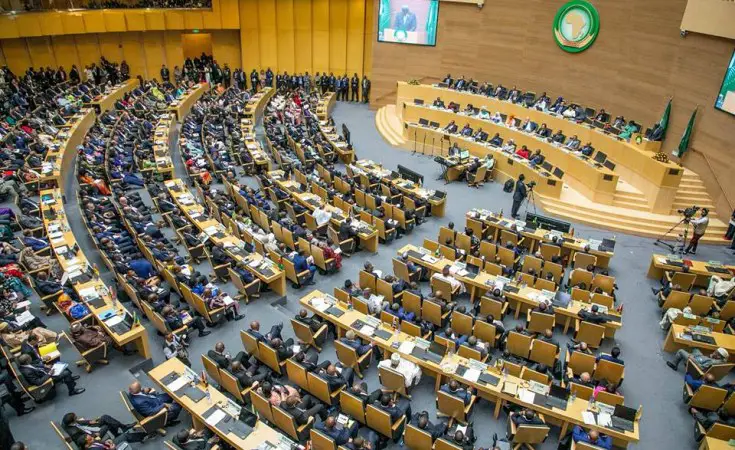
Artificial Intelligence (AI) plays a crucial role in Africa’s socio-economic and political development. Currently, tech giant Google is funding the deployment of AI in Africa. Google is exploring how AI can address poverty, hunger, and disease in Sub-Saharan Africa. The Executive Council of the African Union (AU) has resolved that education systems provide the basis for building a strong foundation for Africa’s future, with the powblack friday wig sale custom sublimated hockey jerseys durex intense vibrations ring custom nfl football jerseys custom nfl football jerseys johnny manziel jersey deuce vaughn jersey brock purdy jersey custom maple leafs jersey custom youth hockey…
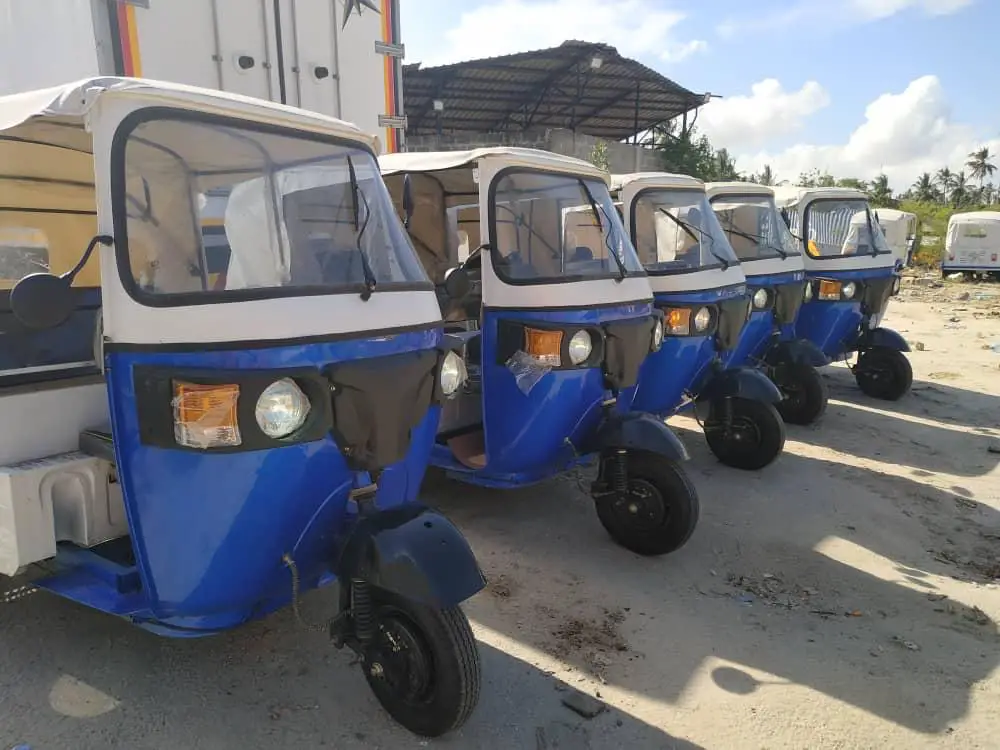
Tanzania-based clean energy company, TRí, is introducing electric tricycles to the country’s transportation sector to reduce carbon emissions. On average, the oil-powered motorcycle is estimated to be 10 times more polluting per mile than a passenger car, light truck, or SUV. The move to roll out electric motorcycles aligns with Tanzania’s Inclusive Green Economy (IGE) Program, which aims to promote zero emissions by 2030. The transport industry accounts for a significant amount of carbon emissions in Tanzania and around the world. Through players in the private sector, Tanzania is turning the tide with green transport startup, TRí, launching electrical tricycles…

In 2023, Tanzania’s telecommunication sector earned approximately US$2.2 billion. The TCRA reports that the telecom sector is growing at a Compound Annual Growth Rate (CAGR) of more than 4 per cent. Mobile money subscriptions in Tanzania reached 44.35 million subscribers last year. Tanzania’s telecommunication sector growth The total service revenue of Tanzania’s telecom sector reached US$2.2 billion in 2023, and the market is projected to grow at a Compound Annual Growth Rate (CAGR) of more than 4 per cent until 2028, according to global data. A report titled “Tanzania Telecom Services Market Overview” attributes the sector’s performance to the increasing…
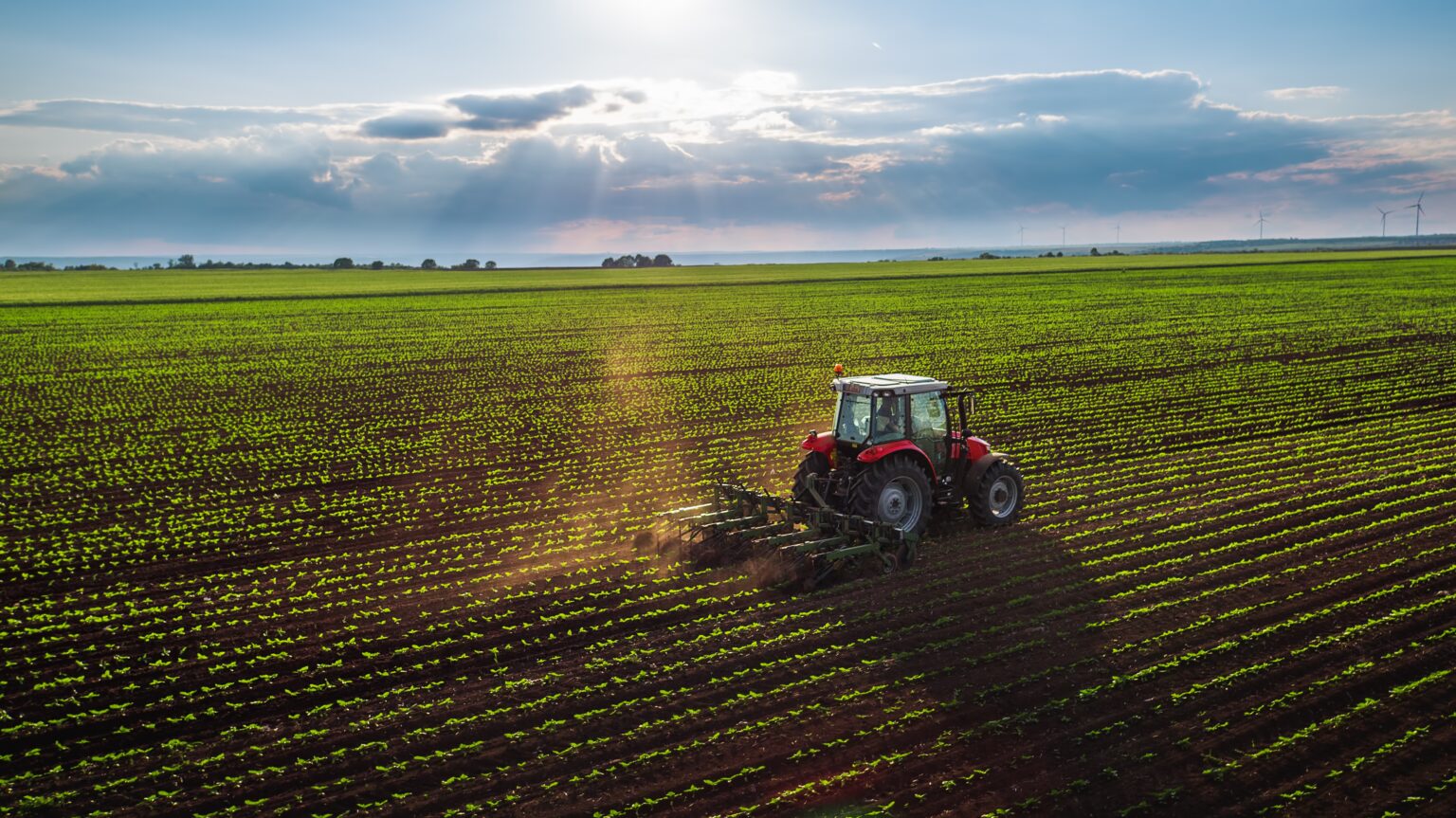
By 2030, partners of the Southern Agricultural Growth Corridor of Tanzania (SAGCOT) aim to cultivate 350,000 hectares of land for profitable production. Using the SAGCOT model, Tanzania aims to achieve self-sufficiency in food production to feed Africa by the same year. Agriculture in Tanzania currently contributes nearly 30 percent of the country’s GDP and employs over three-quarters of the nation’s workforce.. The Southern Agricultural Growth Corridor of Tanzania (SAGCOT) has achieved significant success over the last decade since its establishment in 2010. Tasked with promoting inclusive, sustainable, and viable agricultural value chains in southern Tanzania, the organization has notably enhanced…

The Romania-Tanzania alliance is taking shape with President Iohannis signing two major trade MoUs with the African country. This is part of Tanzania President Samia’s move to woo European investors to her country’s agriculture sector. Romania-Tanzania ties seem to offer immediate gains with the European country assuring Dar es Salaam of food security even as the Ukraine-Russia war persists. A fresh alliance, Romania-Tanzania, is taking shape, with the European country betting on the East African nation to grow its presence and influence on the continent significantly as it forges “strategic approaches to Africa.” President Klaus Iohannis made the assertion during…

Tanzania and India have agreed to trade in local currencies weaning off the use of the US dollar. There are advantages of using local currencies in trade versus the traditional dollar. Tanzania and India have also agreed on military, maritime, and space technology cooperation. India’s Ministry of Foreign Affairs Secretary Dammu Ravi has met with Tanzania’s President Samia Suluhu Hassan with reports emerging that the two leaders have among other things, agreed to trade in Rupees, the sub continent’s local currency. The decision implies that the two countries, with long-running business ties, will effectively wean off using the king dollar…

Analysts observe numerous loopholes in global climate talks, with a failure to address glaring food security concerns. Financial commitments for food systems remain low, affecting implementation, and leaving millions of people hungry. Agriculture accounts for a quarter of global greenhouse gas emissions. For the very first time, food systems were finally discussed at the just-ended COP28 in Dubai late last year, but analysts are up in arms, asking if it’s a ‘too little, too late’ scenario. “Given the profound impact of agricultural practices and food consumption patterns on our planet’s health, this attention is long overdue,” notes the Alliance for…
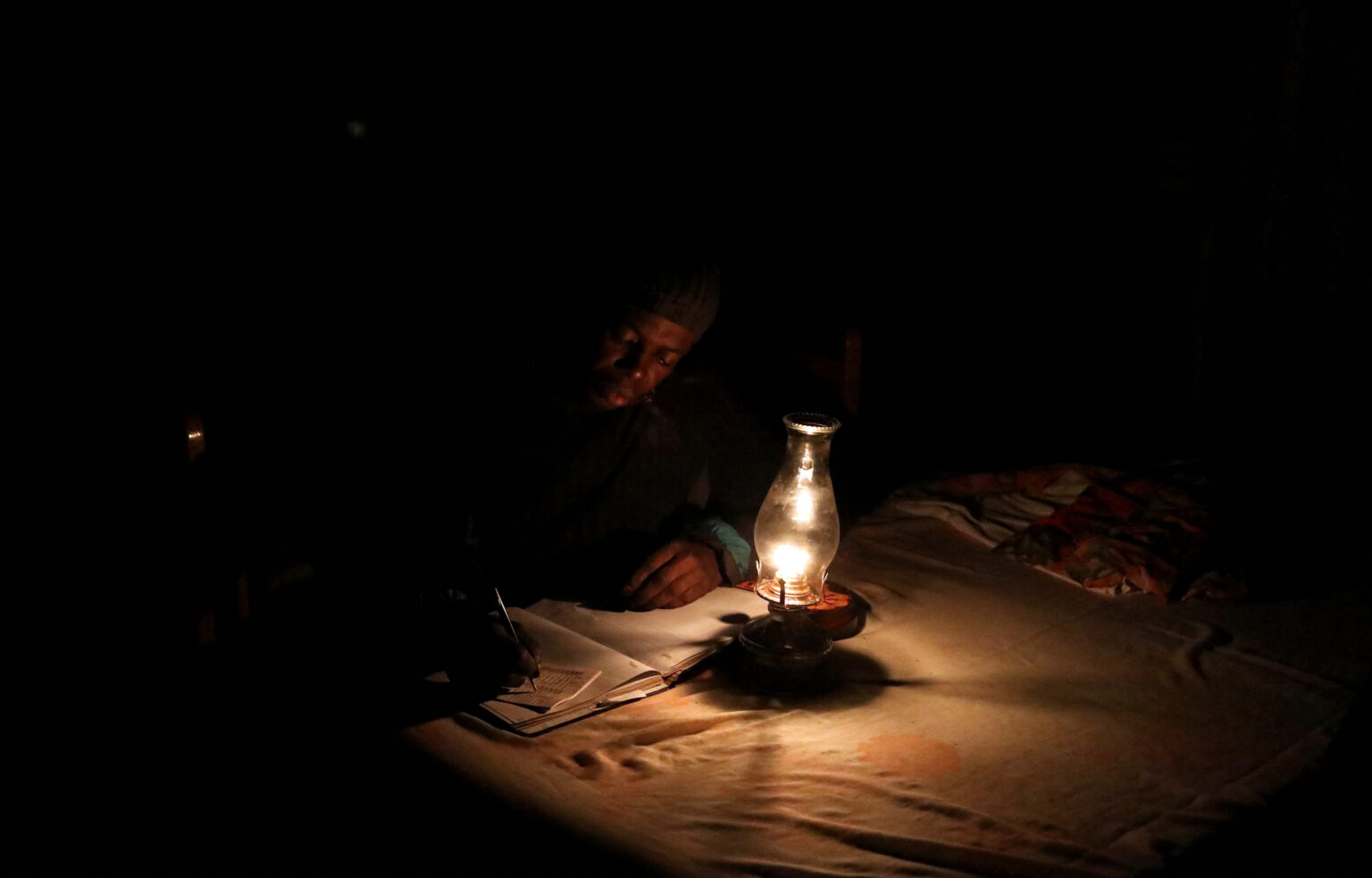
Climate change is causing droughts, which, in turn, are to blame for the persistent power cuts in Tanzania. To address this challenge, Tanzania projects that completing the 2,115MW Julius Nyerere hydropower dam will double the country’s hydro capacity. Currently, approximately 95 per cent of Tanzanian households rely on biomass for fuel. Tanzania power cuts are becoming increasingly common, with blame apportioned to poor infrastructure maintenance, drought, flooding, and huge gaps in the country’s electricity production. The net effect is, however, all too obvious: millions of dollars in lost opportunities for families and businesses as they are forced to endure long…
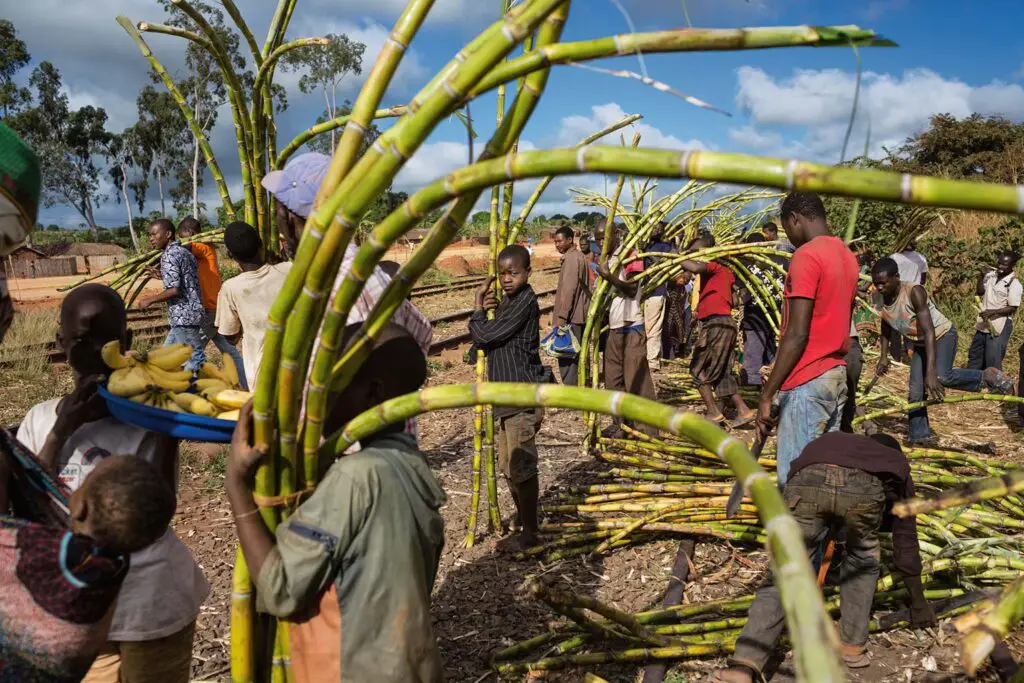
Tanzania sugar shortage is sparking unrelenting hike in prices. The government of Tanzania has approved the import of over 100,000 tonnes of sugar. President Samia has pledged to increase sugar production by 2025. A biting sugar shortage in Tanzania is causing the price of the commodity to skyrocket over the last few months. On the one hand, the sugar shortage is blamed on heavy rains at the end of last year while on the other hand, there are allegations of hoarding and price setting by industry cartels. With little to no evidence of the latter, the speculations remain just that,…

Tanzania Agricultural and Horticulture Association (TAHA) is leading sector revival. The global horticulture market is projected to reach US$40.24 billion by 2026. The Tanzanian horticulture industry has the potential to earn US$3 billion per annum. The fresh produce market is projected to reach US$40.24 billion by 2026 growing at an annual rate of 10.2 percent and Tanzania is angling for a pie of these billions from its horticulture sector. These statistics by Global Market Estimates (GME) show that the global horticulture market averages US$20.77 billion in 2021 and is growing rapidly. However, African countries such as Tanzania, which has enormous…