

Trending
- Nigeria’s oil output soars to heights not seen since 2020. Here’s what’s changing behind the numbers
- Kenya’s construction costs surge at fastest pace in four years as fuel price shock hits
- African trade is growing despite the obstacles
- Why global capital is betting big on Africa’s digital promise
- Kenya posts stronger-than-expected Q1 growth at 5.3% on manufacturing rebound, tourism boom
- China’s new investment rules are about guardrails, not closed doors
- Zanzibar optimistic economic growth will hit 7.5% on tourism boom
- Kenya defies economic shocks to post record $22 billion in tax collections


Author: Giza Mdoe

Giza Mdoe
Giza Mdoe is an experienced journalist with 10 plus years. He's been a Creative Director on various brand awareness campaigns and a former Copy Editor for some of Tanzania's leading newspapers. He's a graduate with a BA in Journalism from the University of San Jose. Contact me at [email protected]

To lessen its carbon footprint, Tanzania is adopting the use of vehicles that run on compressed natural gas (CNG). Plans are underway to set up CNG refilling stations in Dar es Salaam, Morogoro, and Dodoma cities. Tanzania’s $42 billion Liquid Natural Gas (LNG) project makes the transition to natural gas-powered vehicles a viable initiative. In Tanzania, a new revolution to reduce carbon footprint is underway. The government is rolling out a plan to cease the use of crude oil for its government vehicles. This is part of a larger national initiative to reduce carbon footprint and adopt a more environmentally…
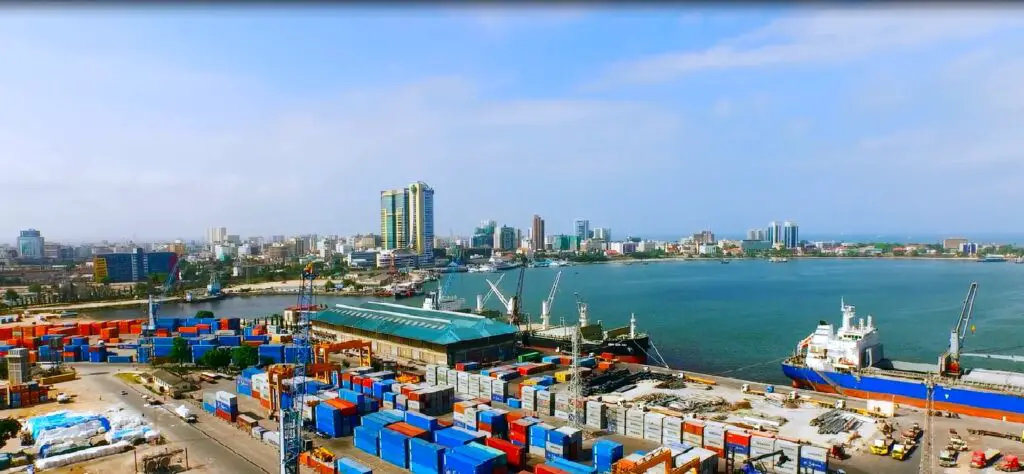
Traders across East Africa are shunning the Port of Mombasa in favour of Dar es Salaam Port citing higher fees. Uganda complains that up to 50% of their traders’ costs go to port clearance and transport expenses from Mombasa. The entry of DP World into the Dar es Salaam port promises improved vessel discharge times, lower fees, and increased profits, a move that will significantly challenge Mombasa. In the shadow of rising cranes and towering cargo ships, the Port of Mombasa faces a formidable rival in the form of the Dar es Salaam port in Tanzania. Both harbours have set…
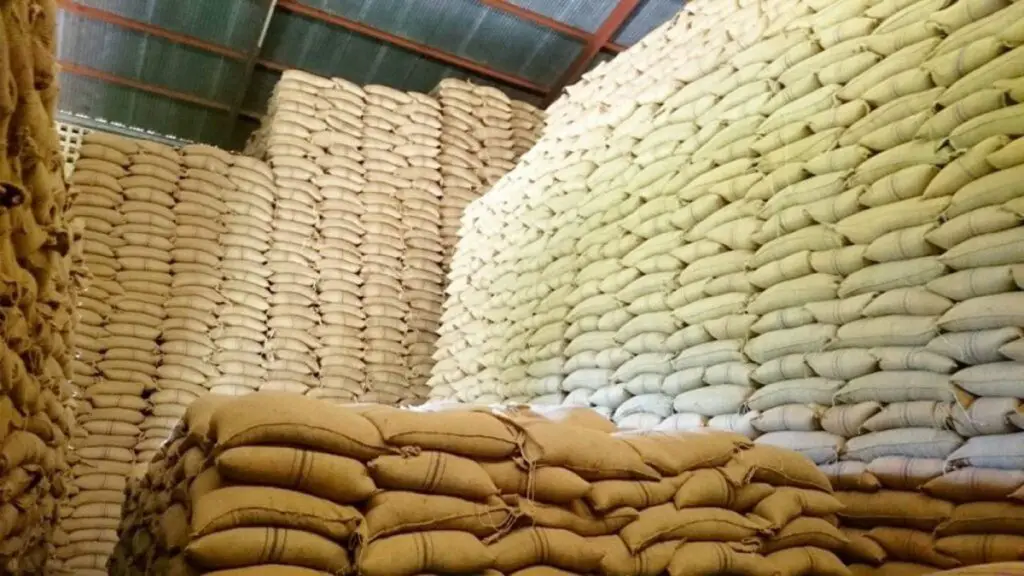
While Tanzania has imposed restrictions on grain exports, Kenya has prohibited the import of various grains. These ongoing grain import bans are strategies set to tame the escalating food inflation in the region. However, the import ban on wheat and maize will negatively impact Tanzanian traders who rely on the Kenyan market. Kenya and Tanzania, two countries renowned for their evergreen grain trade, are now wielding the ban hammer on grain imports. This unexpected twist in the tale stems from a compelling synergy of motives—protecting local farmers reveling in bumper harvests and quelling the waves of food inflation. As we…
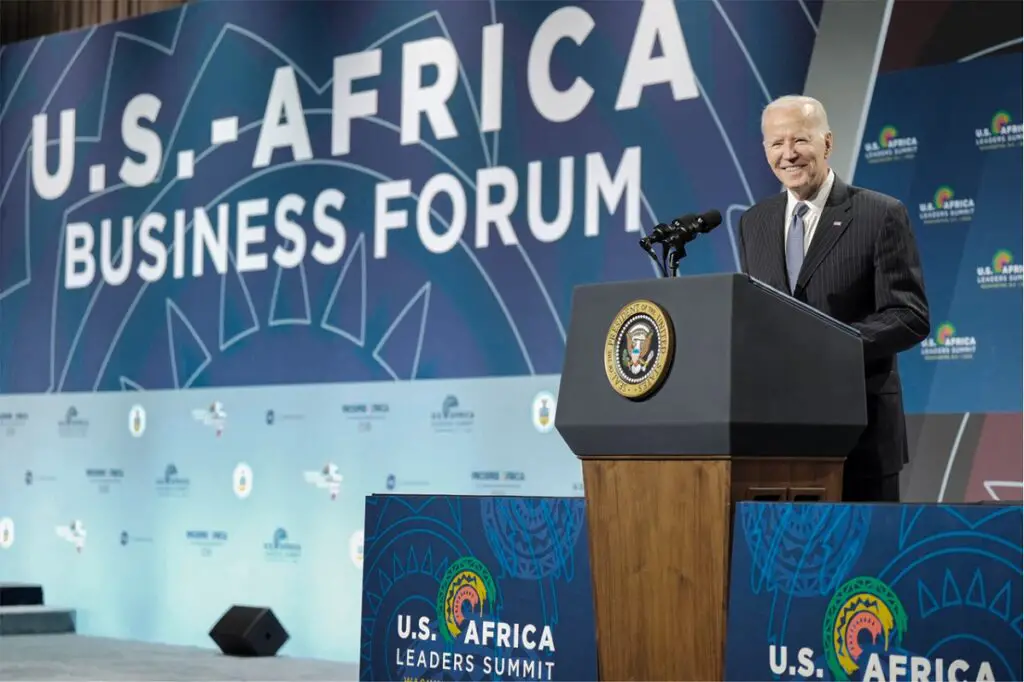
Four African countries are staring at huge losses running into billions of dollars starting January 2024 following their expulsion from the African Growth and Opportunity Act (AGOA). The move will further worsen the unemployment crisis in the affected countries. Agoa offers thousands of jobs in apparels industry, especially to the youth.
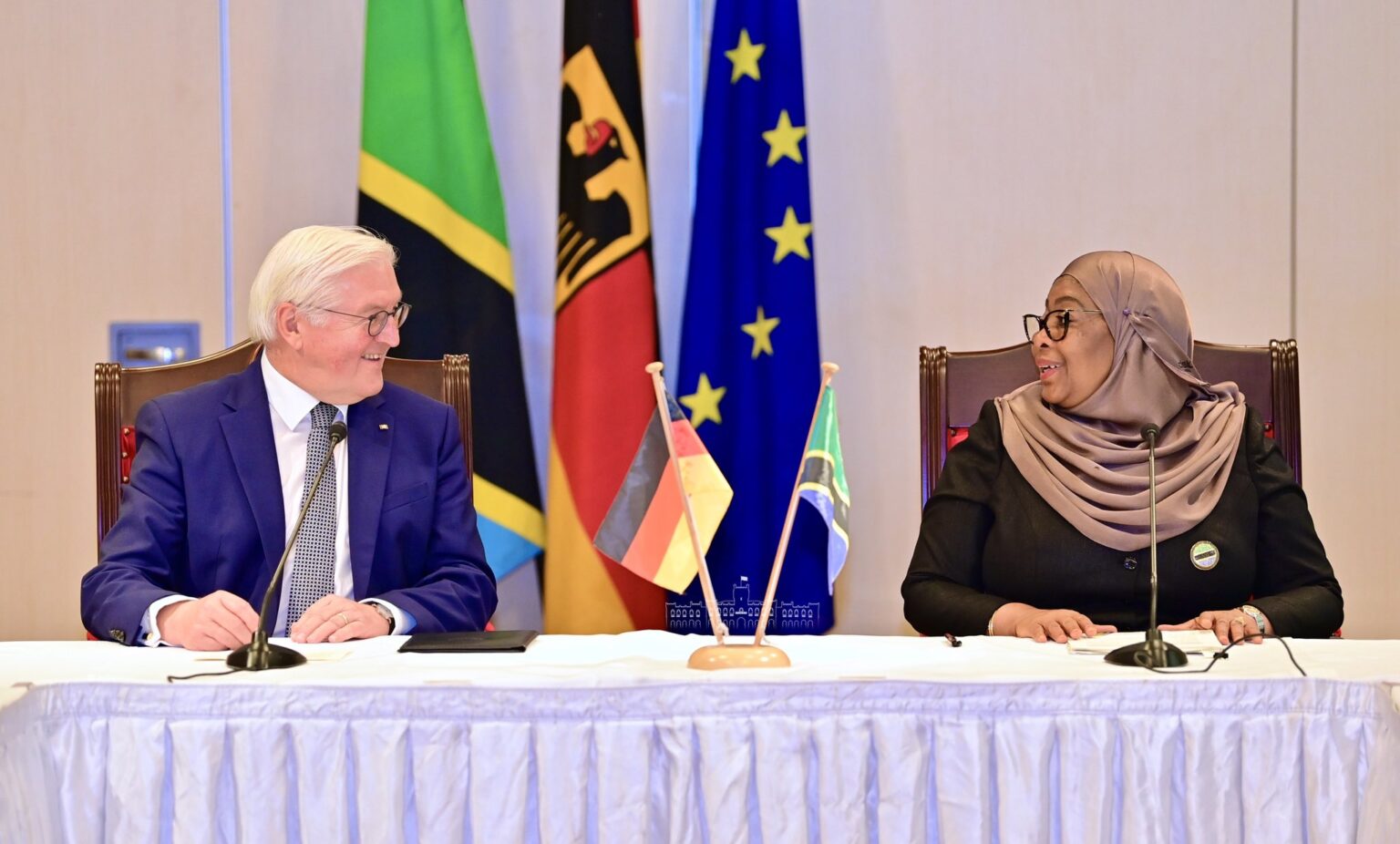
In his business tour, President Steinmeier is leading government officials and investors from over 12 German companies. Tanzania expects to see an increase in trade relations with Germany, which has remains in favour of the European country. To further cement bilateral ties, German has agreed to return the remains of Tanzanian freedom fighters held in museums in Germany. Germany’s President, Frank-Walter Steinmeier, is on a three-day state visit to Tanzania. With the high-profile visit, Tanzania expects to see an increase in trade ties with Germany, a relationship that has for decades remained in favour of the European economic giant. President…
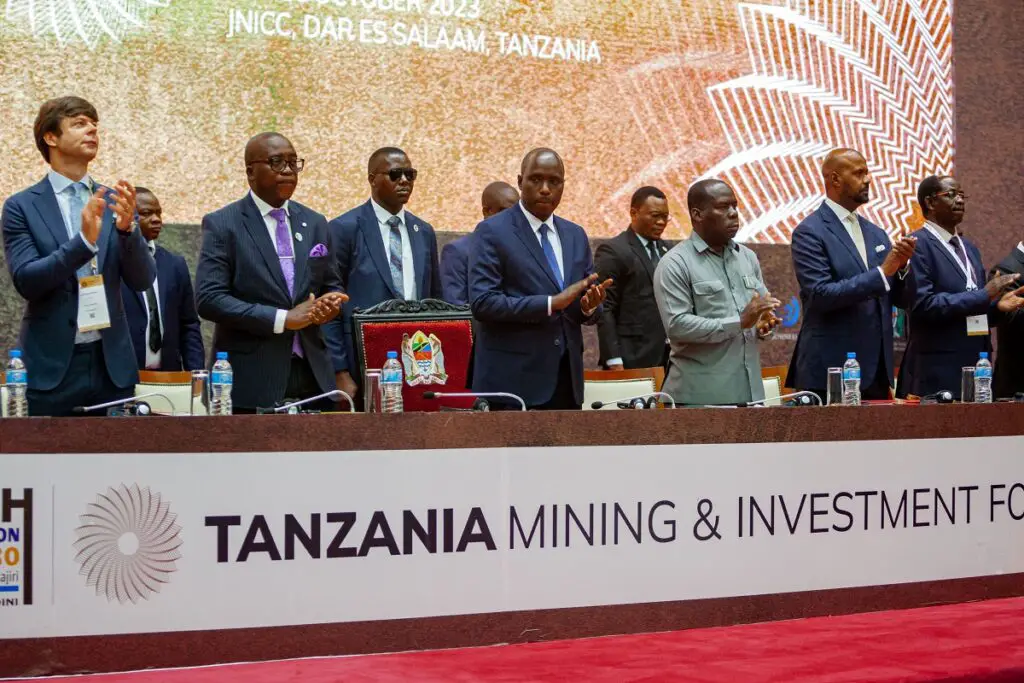
Tanzania has reasserted its commitment to developing its mining sector and improving its investment environment to attract more Foreign Direct Investment. President Samia Suluhu Hassan affirmed this at the 2023 Tanzania Mining & Investment Forum (TMIF) in Dar es Salaam.

Globally, the hydrogen market exceeds $130 billion, and the World Bank is projecting an annual growth rate of over 9 per cent. The rising global demand for clean energy is opening doors for African nations to establish themselves as green hydrogen exporters. Across Africa, green hydrogen initiatives are taking root in Egypt, Niger, Morocco, South Africa, Namibia, and Mauritania. Green hydrogen, derived from a clean process of electrolysation, can potentially transform the energy landscape in developing nations. Unlike traditional hydrogen production methods, which rely on fossil fuels, green hydrogen is produced using renewable energy sources like solar and wind power.…
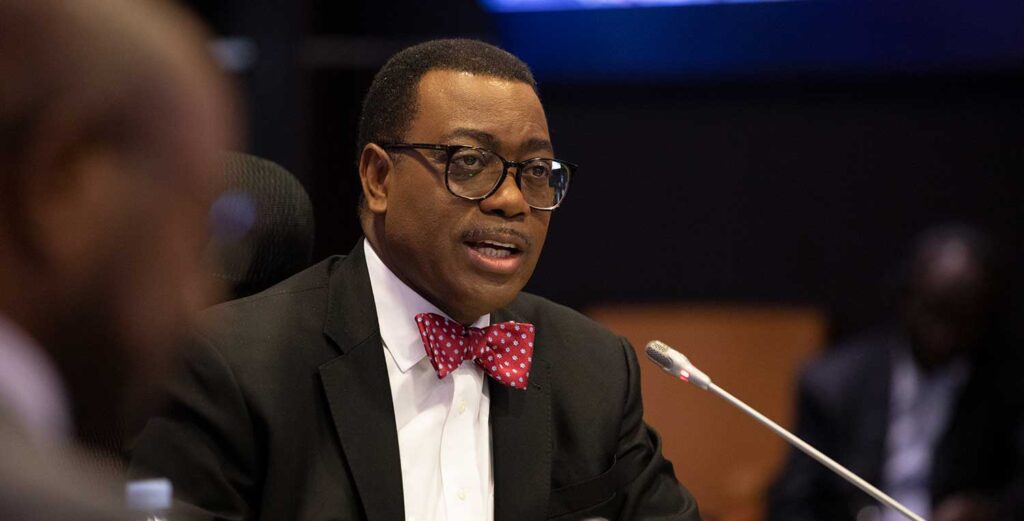
Nevertheless, AfDB reports that Africa’s average GDP growth last year was more than the global average of 3.4 per cent. In fact, all but two African countries recorded positive growth trends. Overall, African nations have shown remarkable resilience, evident in the projected economic growth surpassing the global average.
“The outlook remains positive and stable, with a projected rebound to 4 per cent in 2023 and further consolidation to 4.3 per cent in 2024. Our projections show that 18 African countries will experience growth rates exceeding 5 per cent in 2023, a number expected to increase to 22 in 2024,” states the World Bank in its 2023 Economic Outlook report for Africa.
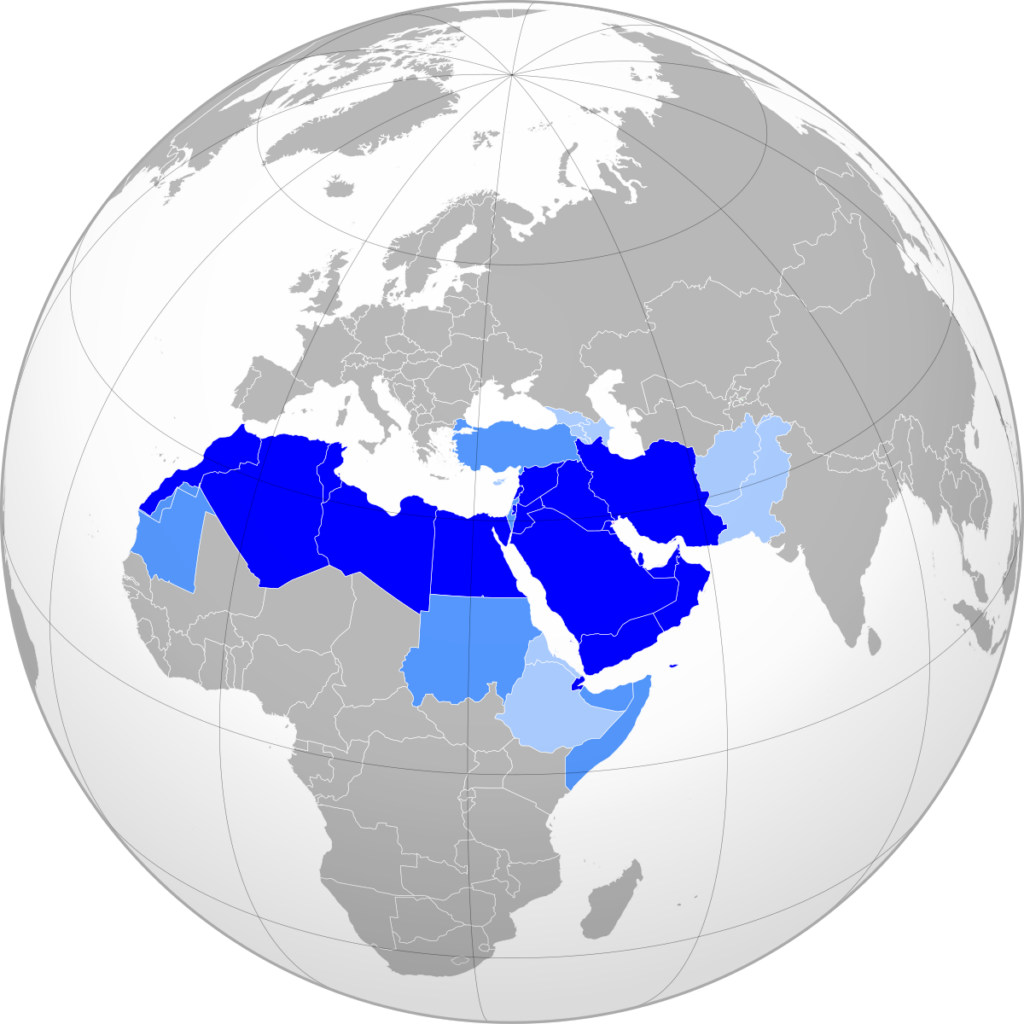
COVID-19, the Ukraine-Russia war, commodity price woes, and high inflation leave the Middle East and North Africa (MENA) region on an unacceptably slow growth trajectory. Countries’ economic fallout is also worsened by rising debt, currency depreciation, and negative impacts of natural disasters. As a result of these shocks, the human toll on the livelihoods of the people across MENA is very devastating. Millions of people across economies in the Middle East and North Africa (MENA) are grappling with a number of challenges attributable to the adverse impact of global economic upheavals. The global shock fueling economic fallout includes the COVID-19…
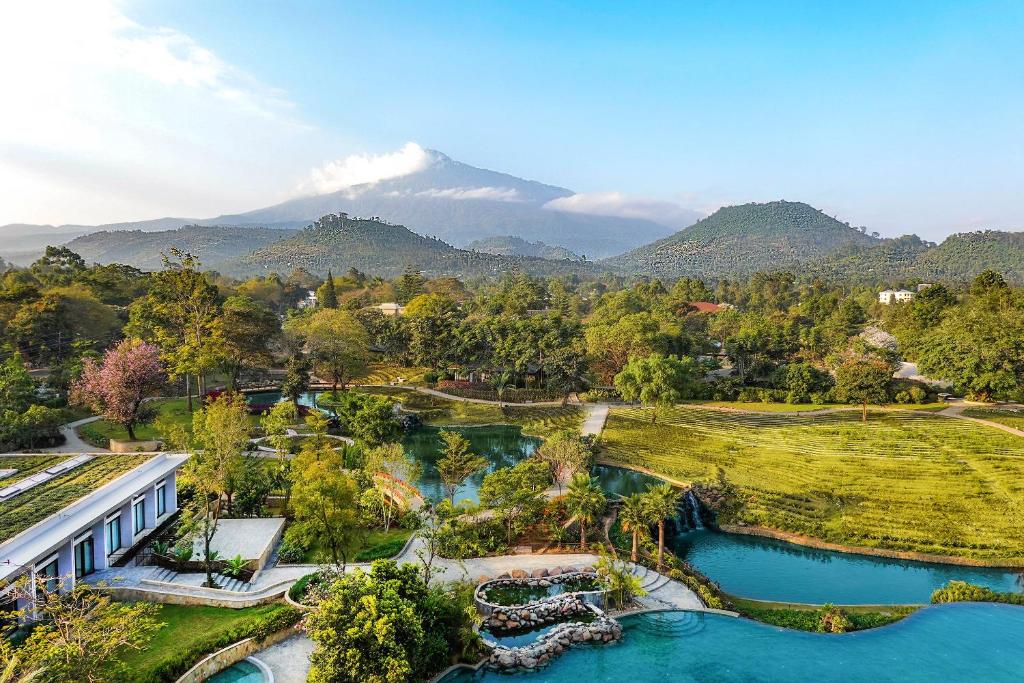
The hospitality industry is changing fast. When considering the future hotel experience, you are no longer just looking at a travel destination or a sleepover spot. Hotels of the future must offer more. An ‘augmented hospitality experience’ is what experts are calling it. Thus, stakeholders in Africa’s hospitality industry must explore ways to adapt.