

Trending
- Nigeria’s oil output soars to heights not seen since 2020. Here’s what’s changing behind the numbers
- Kenya’s construction costs surge at fastest pace in four years as fuel price shock hits
- African trade is growing despite the obstacles
- Why global capital is betting big on Africa’s digital promise
- Kenya posts stronger-than-expected Q1 growth at 5.3% on manufacturing rebound, tourism boom
- China’s new investment rules are about guardrails, not closed doors
- Zanzibar optimistic economic growth will hit 7.5% on tourism boom
- Kenya defies economic shocks to post record $22 billion in tax collections


Author: Giza Mdoe

Giza Mdoe
Giza Mdoe is an experienced journalist with 10 plus years. He's been a Creative Director on various brand awareness campaigns and a former Copy Editor for some of Tanzania's leading newspapers. He's a graduate with a BA in Journalism from the University of San Jose. Contact me at [email protected]

WHO, CDC launch joint unit to improve disaster preparedness. JEAP has a mandate for disaster response across Africa. JEAP prioritises readiness, and collective efforts to fight public health emergencies. The World Health Organization (WHO) and Africa Centres for Disease Control and Prevention (Africa CDC) have launched a partnership to tackle challenges arising from humanitarian crises associated with disasters. Dubbed Joint Emergency Preparedness and Response Action Plan (JEAP), the unit is a five-year strategic collaboration to boost the continent’s overall emergency preparedness and response. JEAP has the mandate to operate across Africa to ensure among other things, disease outbreaks during humanitarian…
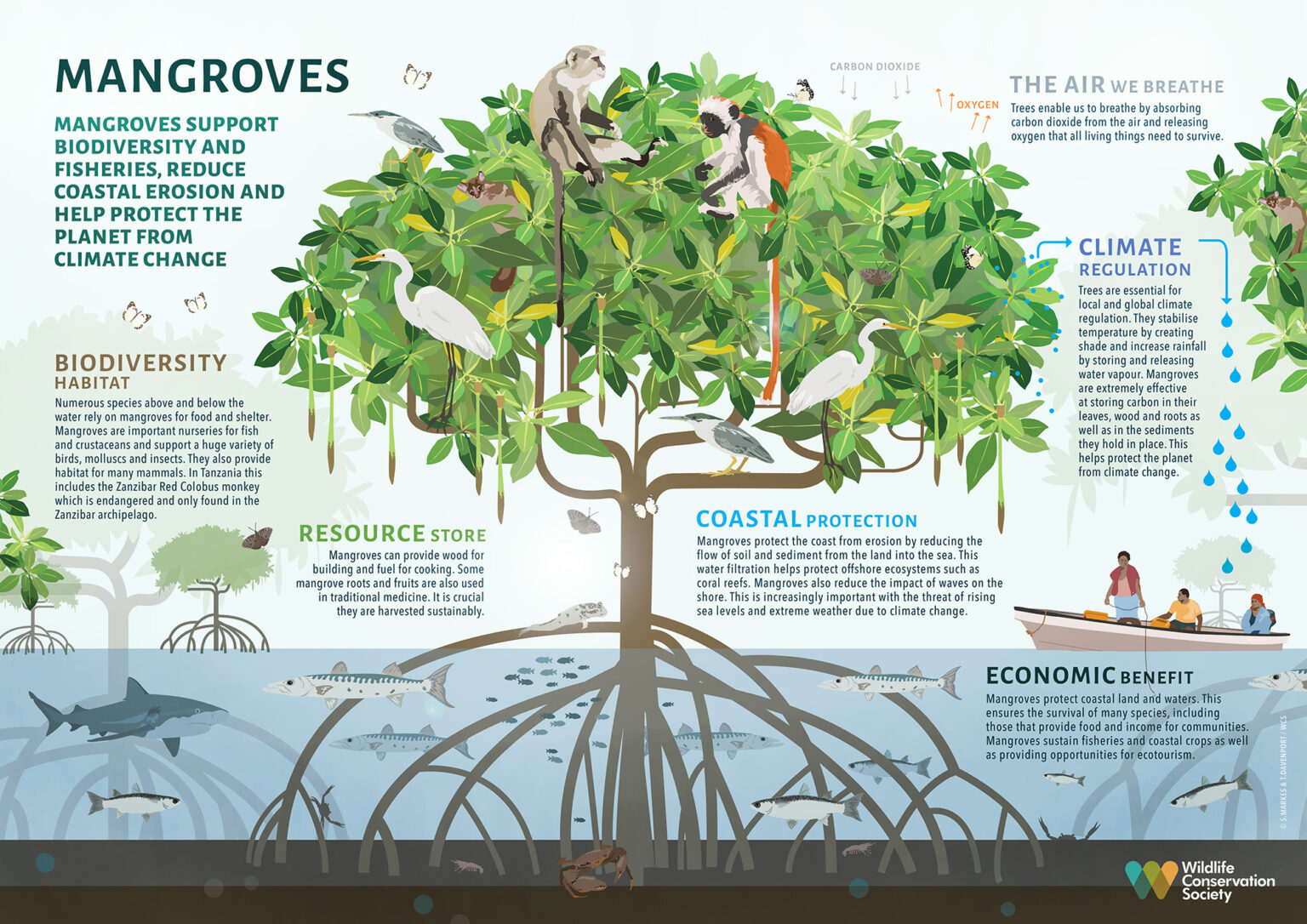
The Aga Khan Foundation has launched a campaign to plant 1.5 million mangrove trees in Bagamoyo, Tanzania. The environment in Bagamoyo is worsening due to illegal tree harvesting that has already cleared over 5,636 hectares of mangrove forest. The campaign is part of the AKF’s trailblazing programmes in East Africa geared towards providing an environmentally sustainable future. The Aga Khan Foundation (AKF) is stepping up efforts to tackle negative impacts of climate change on the environment by planting 1.5 million mangrove trees along Africa’s Indian Ocean Coast. The green initiative is part of a network of projects in the pipeline…
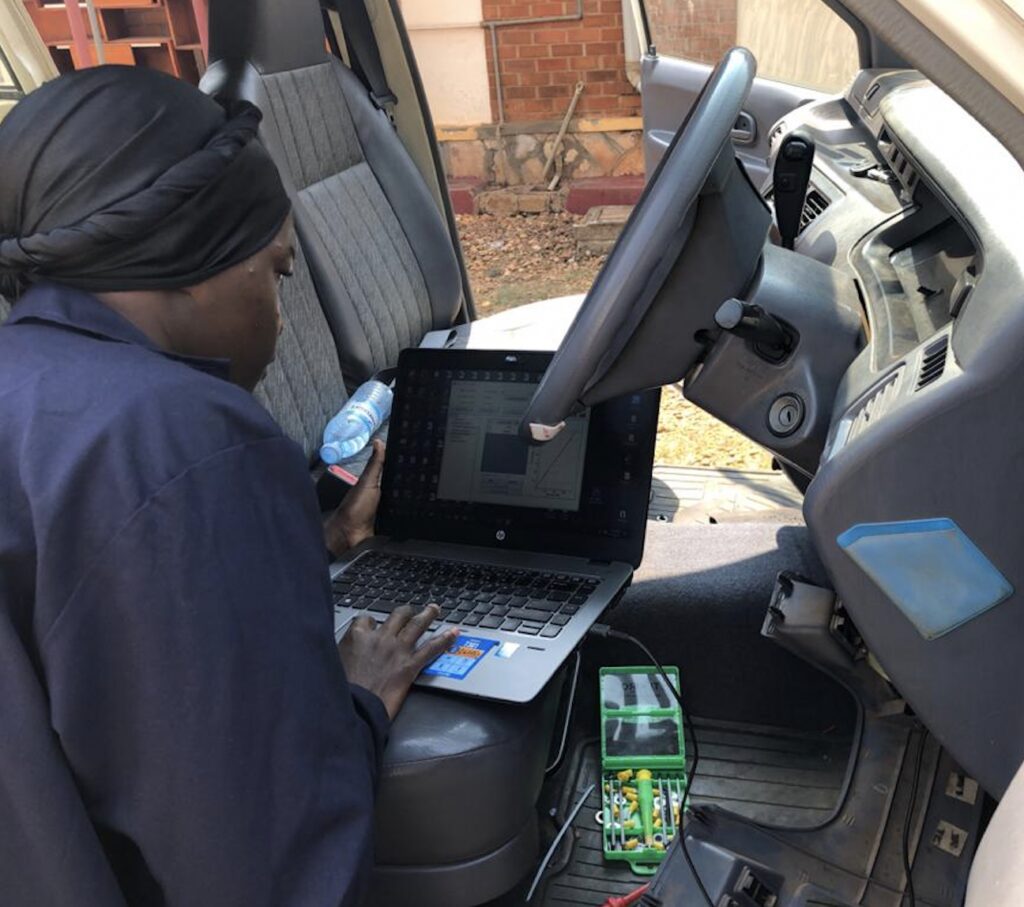
An estimated 90 percent of African women do not use the internet, UNICEF reveals. UNICEF report says millions of girls are less prepared for the digital revolution in Africa. Governments in Africa urged to increase women’s safety online While the digital revolution is believed to be reducing gender inequality globally, in Africa, the internet is largely a preserve of men. According to UNICEF, up to 90 percent of African women do not use the internet yet their male peers are twice as likely to be online. Titled “Bridging the Digital Divide: Challenges and an Urgent Call for Action for Equitable…
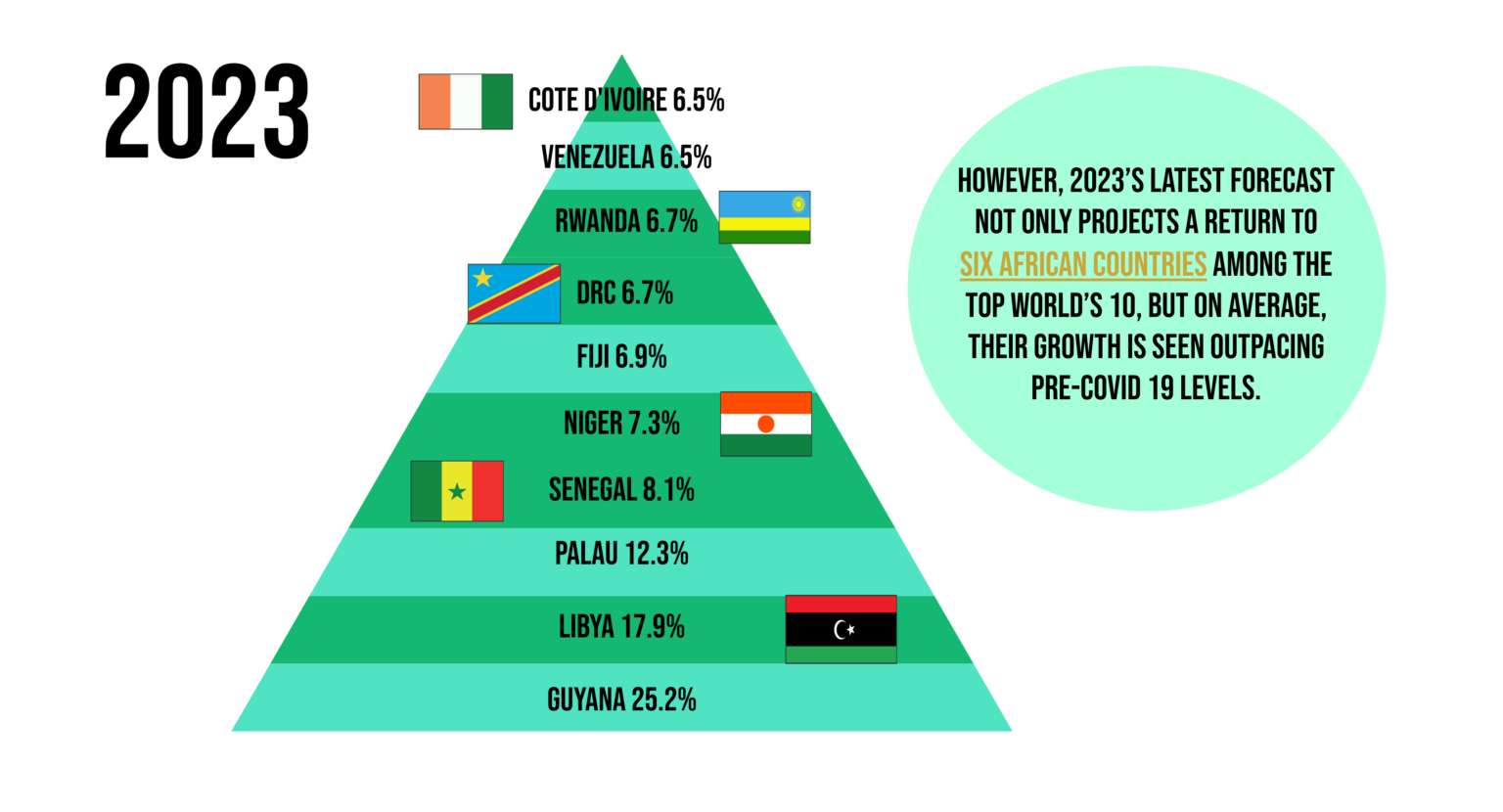
Africa’s average GDP will stabilize at around 4 percent in the course of the next two years, notes AfDB. The continent needs alternative sources of imports and new export markets to counter disruptions caused by the war in Ukraine. Economists are urging African economies to look at expediting intra-African trade to stave off global shocks. A significant number of African nations continue to show economic resilience in the face of tougher global challenges. The latest update by the African Development Bank (AfDB) on economic review says the continent has a stable outlook in the 2023-2024 financial year. Africa’s Macroeconomic Performance…

Bittersweet consequences. Global chocolate value chains are fueling desertification across West Africa, a new report says. As chocolate demand soars, Côte d’Ivoire, the world’s largest producer of cocoa beans is paying a huge price with 80 percent of its forest cover lost. Corruption fueling illegal logging and deforestation of rainforests for cocoa farms The raw material needed to make chocolate is cocoa beans, but West Africa, which produces 40 percent of the world’s produce, is destroying its rainforests at an unprecedented pace to feed global demand. Already, Côte d’Ivoire, the world’s largest producer of cocoa beans has lost 80 percent…
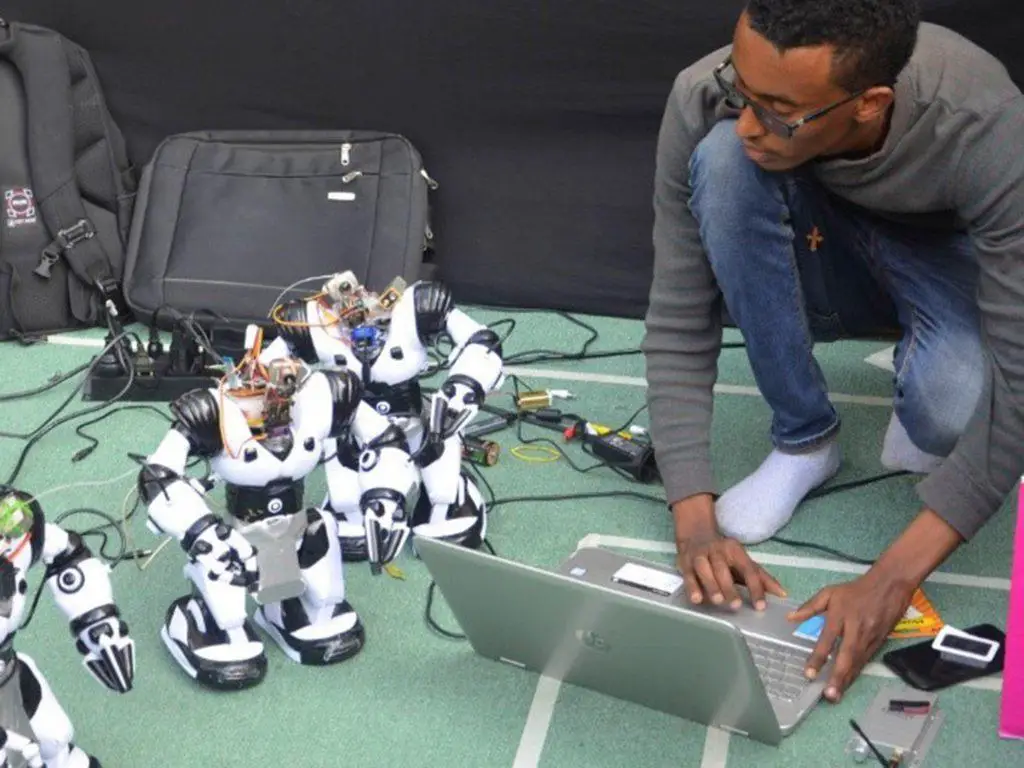
Artificial Intelligence (AI) has the potential to revolutionize Africa’s climate-smart agriculture initiatives. Nigeria’s Data Science Centre in Lagos projects to train over one million Nigerians in data science by 2027. Rwanda is looking to invest $76.5 million over the next five years in setting up comprehensive AI ecosystem. Across Africa, an increasing number of countries are embracing Artificial Intelligence (AI) investments. AI is programming that provides machines the ability to think, learn and act on their own. In 2014, Africa Heads of State from 32 countries signed what has now become known as the Smart Africa Alliance. The deal was…
The IMF says latest tranche is meant to finance “general national development efforts.” When the entire Extended Credit Facility ECF is disbursed, Tanzania will be eligible to receive in excess of $304.7 million. Tanzania faulted for not publishing audit report of its Covid-19 pandemic-related spending. The International Monetary Fund (IMF) has approved $153 million in credit financing for Tanzania. The loan, however, comes with a tough call for enhanced monitoring and transparency in public spending. This financing is only the first part of the loan that was issued following the completion of the first part of the country’s Extended Credit Facility…
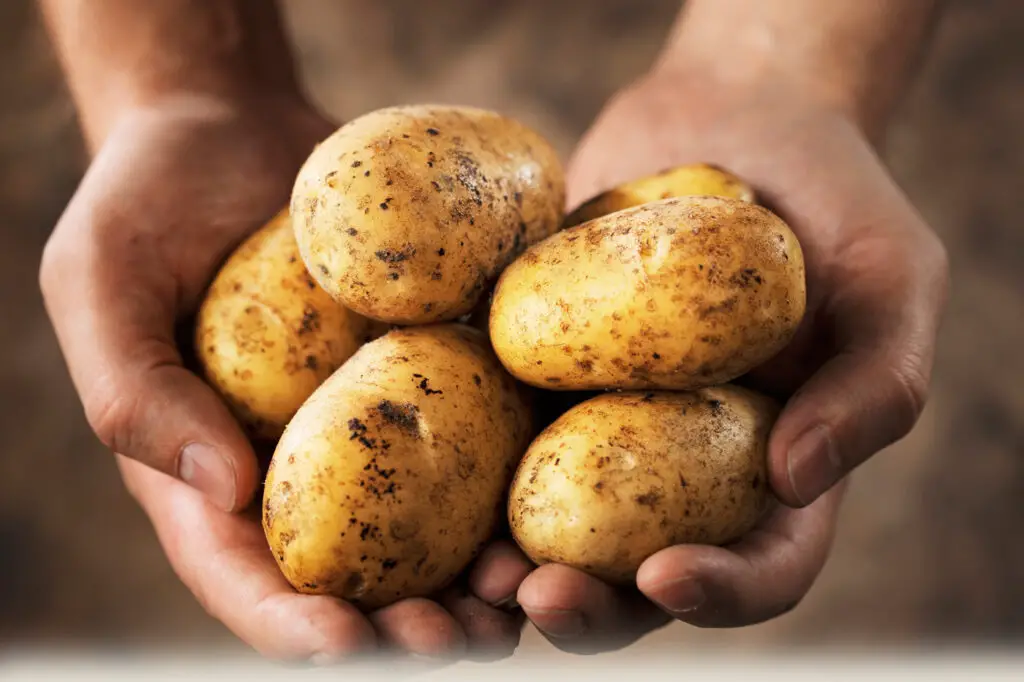
The average potato yield in Sub-Saharan Africa stands at 7.8 tonnes per hectare. This is too low compared with India at 23.7 metric tonnes per hectare and a global average of about 21 tonnes. Whereas many African countries with vast agricultural potential import the crop, Egypt is an exception. With the exception of Egypt and South Africa, the continent is a net importer of common food crops including potatoes despite the huge potential of many countries to grow the tuber that can tackle Africa’s food crisis. Grown in over 125 countries and consumed by at least a billion people every…

The use of digital solutions is revolutionizing all kinds of financial transactions from making simple payments to borrowing and lending. With mobile phone and internet penetration rising at a phenomenal phase, even the remotest parts of Africa can now access financial services through their mobile phones. The World Bank: It is time for policymakers to embrace fintech opportunities and implement policies that enable and encourage safe financial innovation and adoption. Financial technology or the application of digital tools to streamline financial services more commonly known in the short form Fintech, is reshaping the future of financial services and creating a…
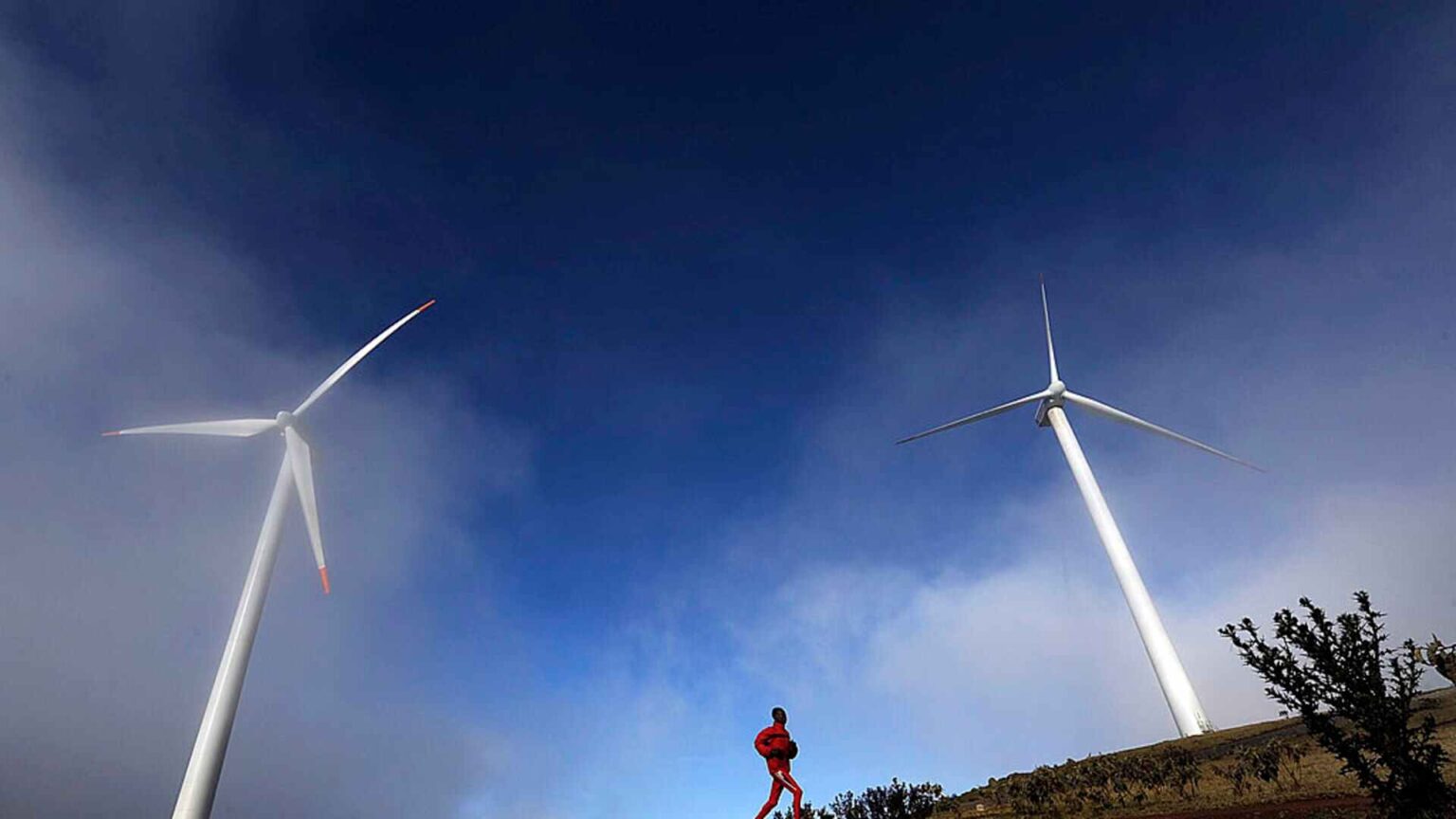
Only 38 percent of Tanzania is connected to electricity. Kenya ranks third in Africa in wind energy generation. Global net zero goals still off track with growing fossil fuel investments. Tanzania does not produce enough electricity to meet its growing domestic demand. And this is despite having diverse renewable energy resources including hydro, geothermal, solar, and wind. The country’s power sector is monopolized by state-owned Tanzania Electricity Supply Company Limited (TANESCO). The utility owns and controls almost all of the country’s energy transmission network and over half of its generating capacity. Currently, Tanzania’s total power installed capacity is 1,602MW split…