


Trending
- Kenya’s construction costs surge at fastest pace in four years as fuel price shock hits
- African trade is growing despite the obstacles
- Why global capital is betting big on Africa’s digital promise
- Kenya posts stronger-than-expected Q1 growth at 5.3% on manufacturing rebound, tourism boom
- China’s new investment rules are about guardrails, not closed doors
- Zanzibar optimistic economic growth will hit 7.5% on tourism boom
- Kenya defies economic shocks to post record $22 billion in tax collections
- Forget South Africa: East Africa now rules in banking industry returns


Author: Giza Mdoe

Giza Mdoe
Giza Mdoe is an experienced journalist with 10 plus years. He's been a Creative Director on various brand awareness campaigns and a former Copy Editor for some of Tanzania's leading newspapers. He's a graduate with a BA in Journalism from the University of San Jose. Contact me at [email protected]
Tanzania’s cement demand is estimated to have clocked 5.9Mt and is growing fast. Maweni Limestone Ltd will be China’s first African entity producing cement on the continent instead of importing. The newly purchased plant by Huaxin Cement has already been upgraded to a production capacity of 1.6Mt/yr. If there is a booming industry in Tanzania, it is the cement industry – an industry that has more than doubled in production in under a decade. As of 2011, Tanzania was producing 2.4Mt annually, a figure that has shot up to 6.5Mt as of 2020. Compared to the previous year, the production volume…
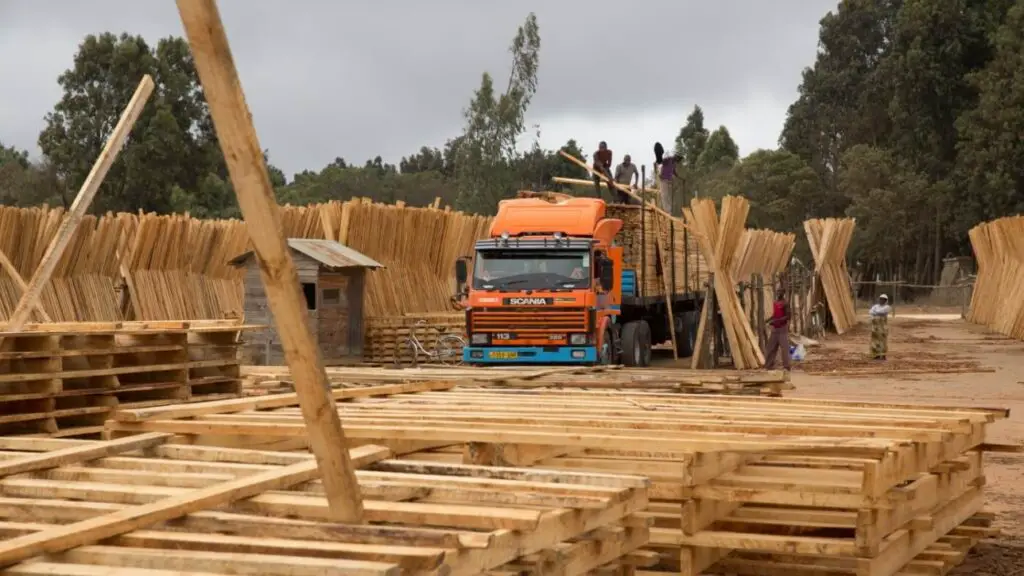
To discourage the use of firewood and charcoal, the European Union (EU) has committed to fund renewable energy solutions specifically designed to set up and support a sustainable cooking solution program.
EU Head of Delegation to Tanzania, Ambassador Manfredo Fanti announced the EU led program late last year in the capital, Dodoma. At the launch, the diplomat said the initiative is part of the EU’s efforts to mitigate climate change through the use of renewable energy solutions for cooking.
However, what is interesting here is that increase in the use of firewood and charcoal is not in rural Tanzania but in the urban centres.
Toxic substances that are contained in e-waste contaminate the soil; however, they do not stop with the topsoil.
Heavy metals such as mercury, lithium, lead and barium leak through the earth all the way to the table water contaminating groundwater.
Now groundwater is the basic source of all water that we consume because groundwater is the water that eventually resurfaces as springs, ponds, streams, rivers and lakes.
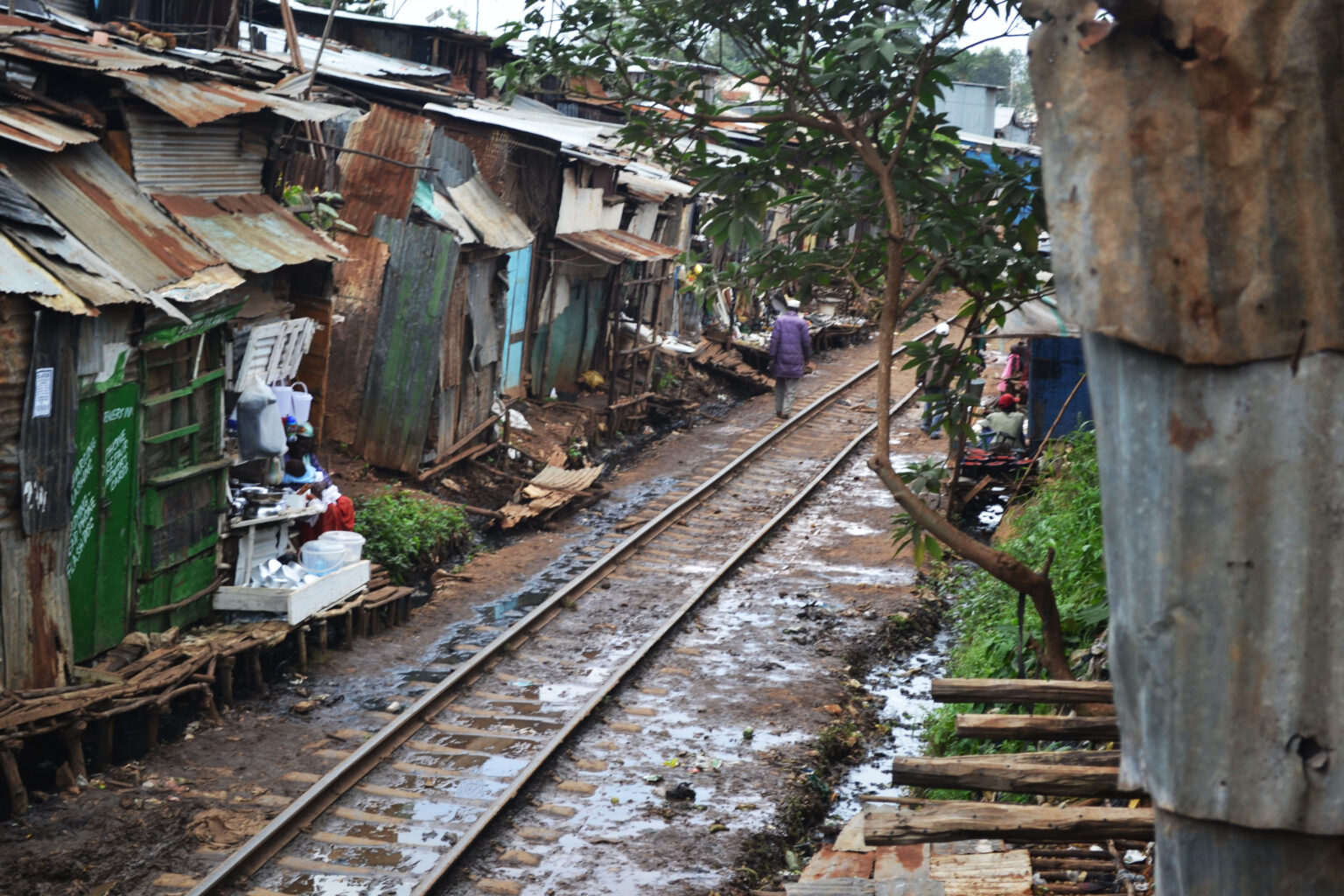
When the Head of the African Continental Free Trade Area Secretariat told an executive panel in Washington, DC the fact that: ‘Africa is importing too excessively and manufacturing too little…’ what was the expected reaction from the orchestrators of so-called ‘Africa trade support programs’ the likes of the Africa Growth and Opportunity Act (AGOA)? That maybe they will be enlightened to some new ‘fair trade’ concept that they are not aware of or maybe they will be moved to—maybe cut back on their exports to Africa? Both sides would do well to recall what is buried in the shallow graves,…
Tanzania Telecom charges: Tanzanians are forced to reach deeper into their pockets as the government has increased the cost of performing mobile money transfers. Effective July of this year, Tanzania’s have seen the cost to send or withdraw money shoot up to the roof. The government, through parliament past a bill to hike the charges arguing the extra tax is needed for national development projects. The government amended the Electronic and Postal Communication Act (CAP 306) a move that allowed it to impose a levy of on mobile money transactions depending on the amount sent and withdrawn. At 17 per…
Plastic Pandemic Africa: Did you know, 79 percent of all plastic ever produced ends up in a dump, landfill or some water body and only 9 percent is ever recycled? All across the world plastic packaging is clogging city sewer systems, leading to flooding, polluting water sources leading to contamination and destruction of biodiversity both on land and marine life as well. Abandoned plastic goods create breeding grounds for mosquitoes, and can leach toxic additives such as styrene and benzene as they decompose. Various laws are now been passed to help control the use of plastics around the world. For example, in East Africa, an…
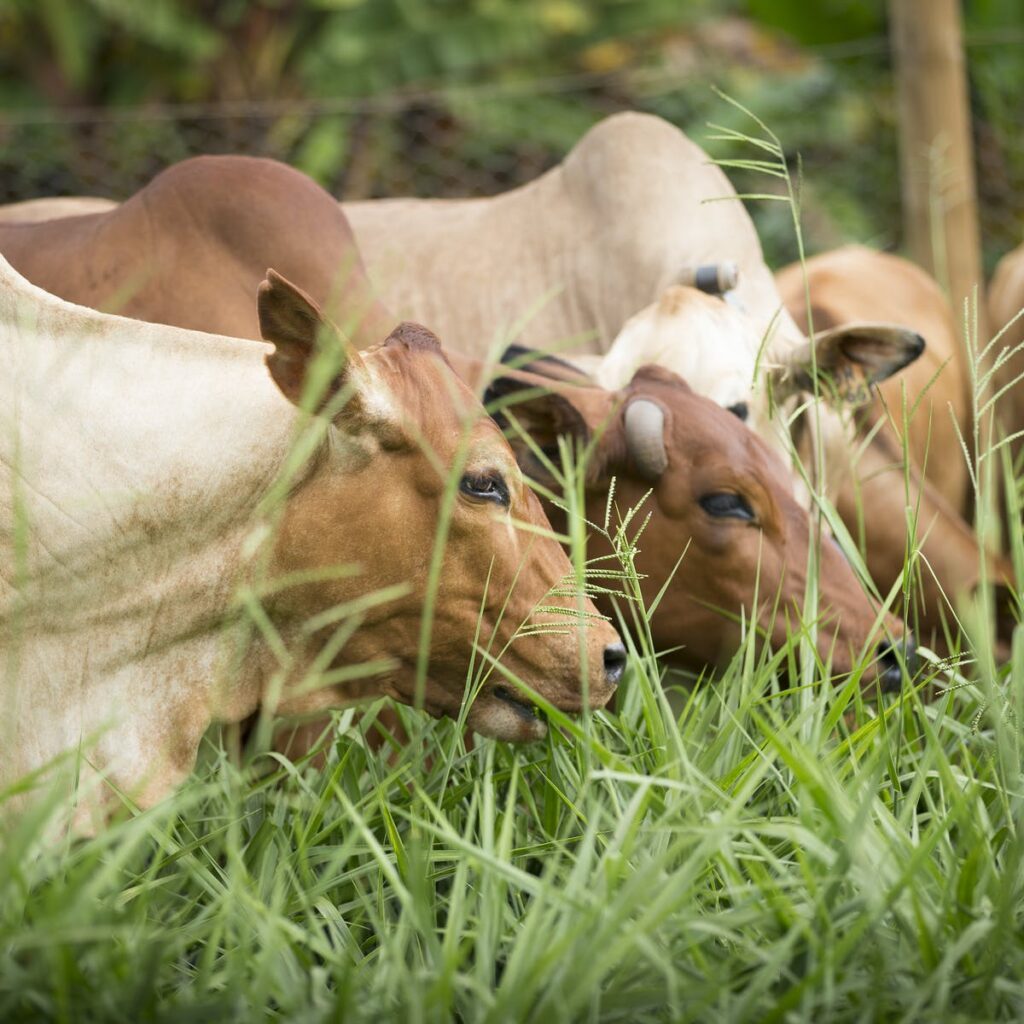
African cows milk capability: On average, dairy cows in Africa produces an estimated 540 litres of milk per lactation, by contrast, their cousins in the US produce up to 10,479 litres, that is more than 20 times more milk per lactation cycle. What causes this difference, why are African dairy cows producing so much less milk than their counterparts elsewhere in world? The simple answer is the breed type. However, there is also the question of the quality of their feeds and forage. Simply put, ‘the more nutritious cows’ diets are, the more and better quality milk they produce.’ Small-scale farmers – of…
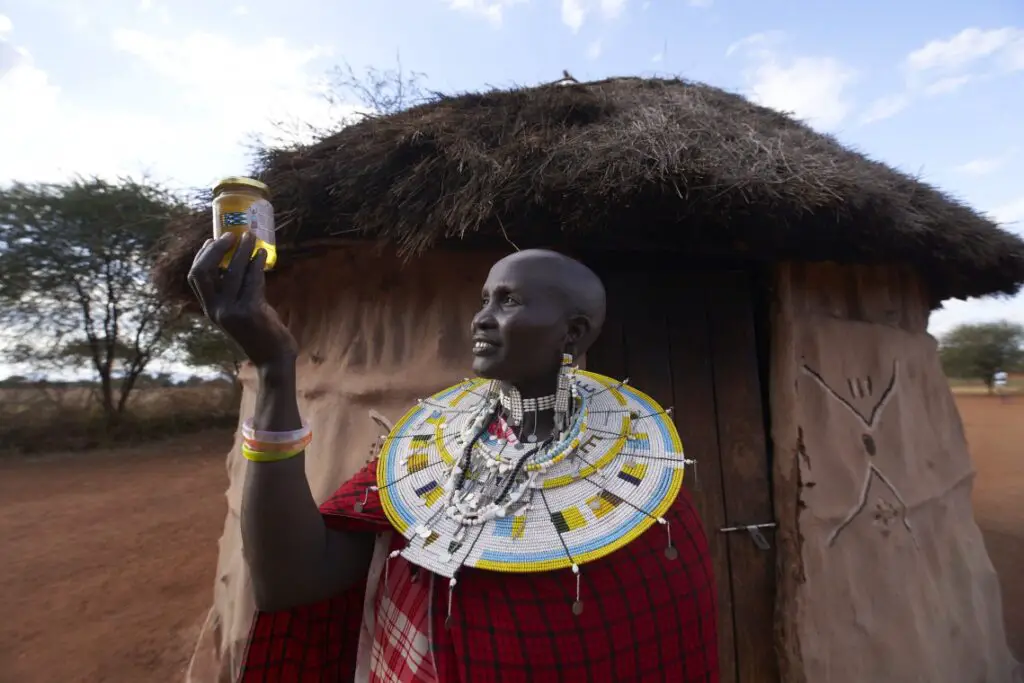
On the slopes of the Usambara ranges on the Eastern region of Tanzania, lays the Usambara forests sprawled across miles and miles of undulating old fold mountains. Under this thick canopy, walks Juma, 45 yr old farmer and his daughter Halima, 15 and in secondary school. As they regularly do, they have in hand several tools and containers, as they approach a clearing, we find out why they are here, and what the equipment in hand is for. The distant humming alerts us to the beehives up ahead and when Juma adorns his netted face guarding mask, transforming into some…

Tanzania now owns 37 per cent of Williamson Diamonds Ltd, the single, largest diamond deposit to be in continuous production for over 70 consecutive years now. Discovered in 1940, the mine boasts to be the world’s longest-running uninterrupted diamond mining operation. The open-pit mine is sprawled on over 140 hectares of land in Tanzania’s remote region of Mwadui. Known scientifically as the kimberlite pipe, the mine is primarily owned by Petra Diamonds Ltd. Tanzania struck the deal early this month increasing its ownership by 12 per cent and cutting down Petra’s stake to 63 per cent from a high of…
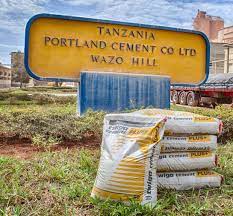
If there is a booming industry in Tanzania, it is the cement industry that has more than doubled production in under a decade. As of 2011, Tanzania was producing 2.4Mt annually a figure that has shot up to 6.5Mt as of 2020. Compared to the previous year, the production volume of cement grew by 44.5 per cent and is associated with rising construction activity in the country. Another marker of how well the industry is doing is the amount of investment the sector is getting annually. Consider the most recent buy out of Maweni Limestone Ltd by China’s Huaxin Cement.…