

Trending
- TotalEnergies commits $10 billion to Angola as fresh oil find comes on stream in three months
- In Africa, the conversations defining corporate reputation are going on in channels most CEOs cannot see
- Why economies in Africa must brace for a powerful El Niño
- Passpoint making cross-border payments feel local for African businesses
- Centum Investment’s James Mworia shoulders Kenya’s mega infrastructure funding bet
- Weather experts warn of the most powerful El Niño in decades as extreme weather hits Africa
- Africa Blockchain Festival ignites a new dawn for African innovation
- Africa’s gaming market set to quadruple to $4 billion, defying global slowdown


Author: Martin Mwita

Martin Mwita
Martin Mwita is a business reporter based in Kenya. He covers equities, capital markets, trade and the East African Cooperation markets.
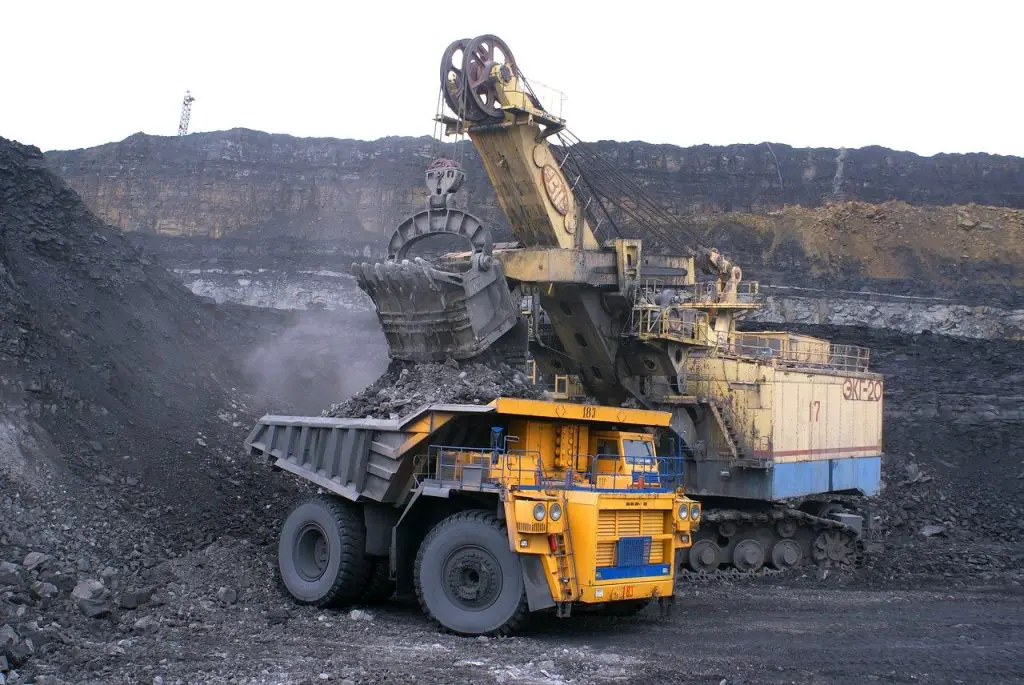
The East African region is endowed with a variety of minerals that have the potential to catalyse faster economic growth for individual member states. The bloc in general is rich in fluorspar, titanium and zirconium, gold, oil, gas, cobalt and nickel, diamonds, copper, coal, iron ore, among other minerals. While the DR Congo and Tanzania are considered to be the richest in mineral deposits in the region, almost every country has its own which has a commercial potential. Kenya has numerous ores and industrial minerals which are believed to be in substantial quantities. These minerals include soda ash, fluorspar, titanium,…
The Central Bank of Kenya (CBK) has retained the base lending rate in the country at 8.75 per cent, citing easing inflationary pressure and positive macroeconomics outlook. CBK’s decision making organ – Monetary Policy Committee (MPC) met on Monday against a backdrop of a weak global growth outlook, decline in global commodity prices, easing inflationary pressures, geopolitical tensions, persistent uncertainties, and measures taken by authorities around the world in response to these developments. This includes the back-to-back fed rate hikes witnessed in the US as the country navigated high inflation which hit a peak last year. Kenya’s overall inflation decreased…
Kenya is set to sign business deals in the Indian market as Kenya Tourism Board (KTB) leads its members to this year’s Outbound Travel Mart (OTM) tourism fair in the country. The expo to be held at the Jio World Convention Centre, in Mumbai from February 2-4, will bring together exhibitors from over 60 countries, as destinations globally smart out of the impact of Covid-19 pandemic. Over 14 Kenyan travel trade partners will take part in the three–day exhibition with the country seeking to reposition itself in the Indian market, whose growth has picked up to about 90 per cent…
Kenya’s President William Ruto has asked his Cabinet Secretaries to act fast to deliver on his administration’s development programmes, “with speed and efficiency”. “We made important promises to the people of Kenya, especially those at the bottom of the economic pyramid. And we must deliver,” the president said. According to Ruto, there are no excuses not to deliver his mandate adding that the government must work as a team and drive the interests of the people. He was speaking at a cabinet retreat on the implementation of the government’s development priorities for 2023. In the run up to the August…
The Kenyan–Uganda border of Malaba. It is one of the businesses in the East Africaregion For years, the East African Community (EAC) struggled with divisions among member states mainly on key trade agreements slowing down the region from achieving a full working common market. Countries have been playing protectionism targeted mainly at protecting local industries, with fallouts witnessed among states. Kenya, Uganda and Tanzania have had their fair share of the trade wars with both tariff and non-tariff barriers affecting regional integration. Poor infrastructure in some parts of the region has also been affecting easy movement of trade volumes while…
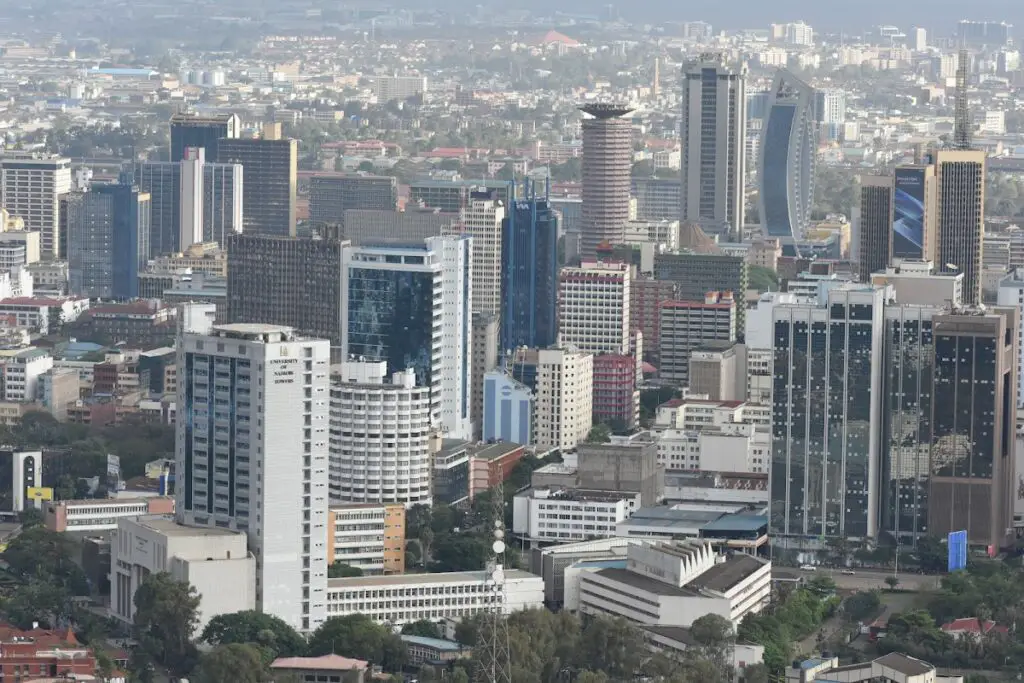
2022 has been a mixed bag of fortunes for the East African Community (EAC) as economies in the region implemented different policy interventions and post-Covid recovery strategies. This is after a somewhat robust recovery in 2021 following a major dip in 2020 when the Covid-19 pandemic brought most sectors to a near halt. The tourism and logistics sectors were among the hardest hit sectors with the pandemic also affecting the real estate sector, finance, construction, events management, ICT, manufacturing and consultancy. The region is however on the road to recovery with reopening of economies propping GDP growth which has averaged…
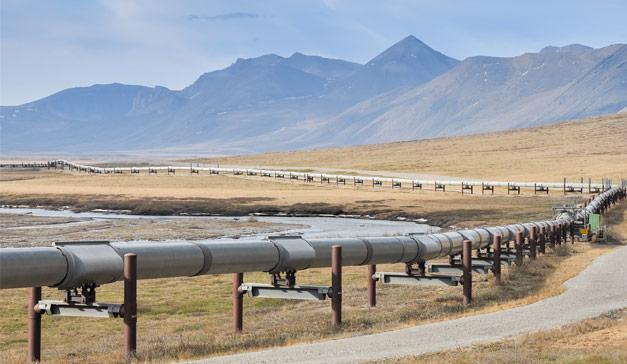
One of the few spoken regional trade blocs of Africa is the Economic Community of Central African States (ECCAS). Despite such little being spoken of this resource rich area, it is home to some of Africa’s richest countries, yet it has for decades encountered various obstacles that have stunted social and economic progress. Human capital development is a major issue in the region, along with armed conflicts, natural disasters, and health crises. As a result, the region’s economy have not been able to flourish despite their abundance of natural resources. Oil in Central Africa Roughly 30% of Africa’s crude oil…
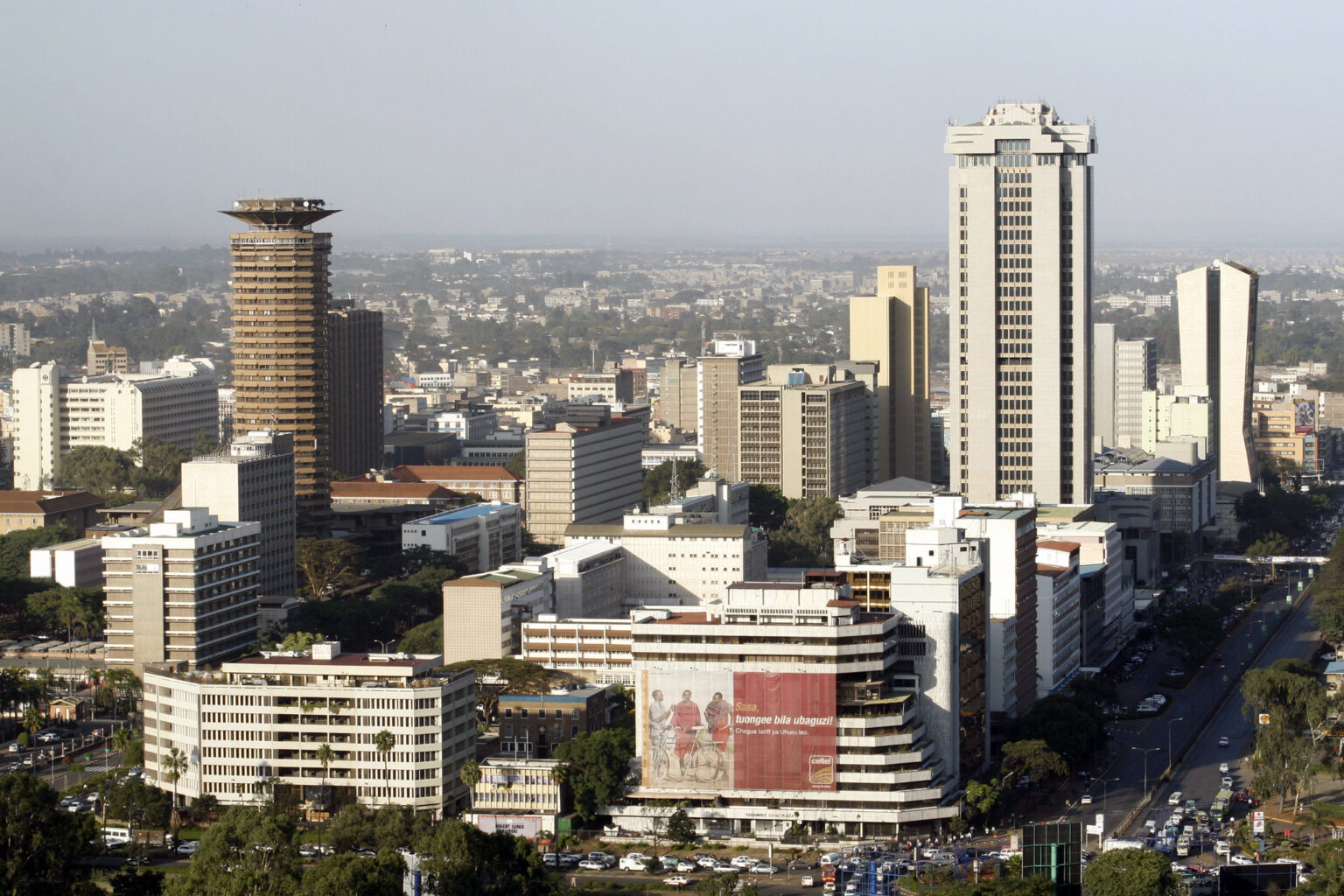
Economies the world over have made significant recoveries from the effects of the Covid-19 pandemic, Russia-Ukraine conflict and disruptive supply chains with positive growth recorded in 2022. Many of these key economies are in Africa. However, majority of the African continent remains highly exposed to risks that could hinder growth in 2023. One of the major concerns is debt serving, where African nation’s debt as a percentage of GDP has been rising faster than expected over the past decade. It is estimated on average that most African nations’ Debt to GDP ratio, as of 2022, stands at 24.1 per cent…
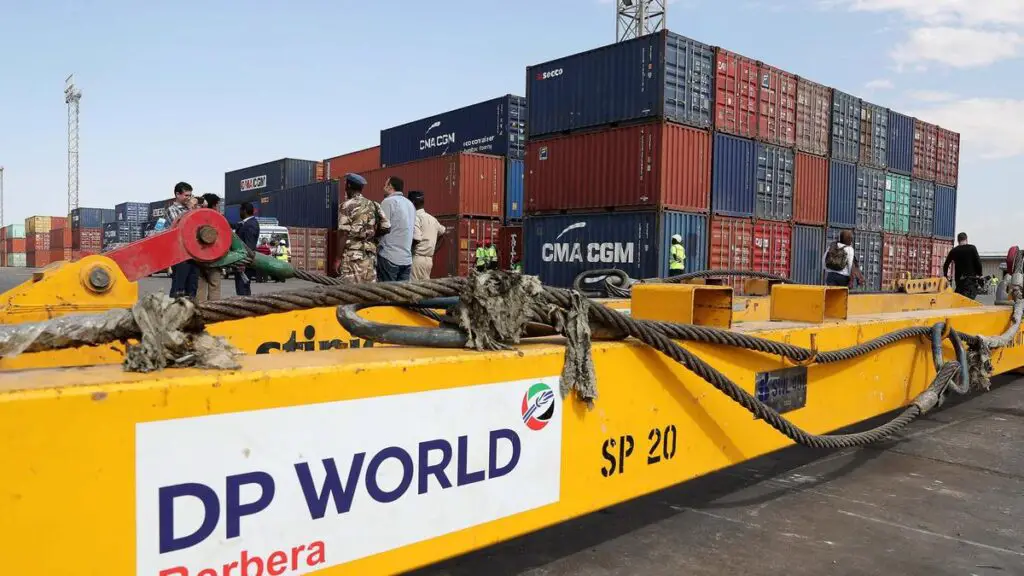
Nearly 90 per cent of the world’s trade is carried by the global shipping industry. Without shipping, global cargo trade via imports and exports would essentially cripple nations and international markets. The sector was heavily hit by the Covid-pandemic disrupting global supply chains yielding a sharp increase in freight costs. This came with the partial closure of key ports in China, one of Africa’s leading market sources. Despite this, data shows China-Africa trade reached $185.2 billion between January and September 2021, up 38.2 percent year-on-year. As shipping lines suspended operations, many factories followed suit essentially shutting down much of the…
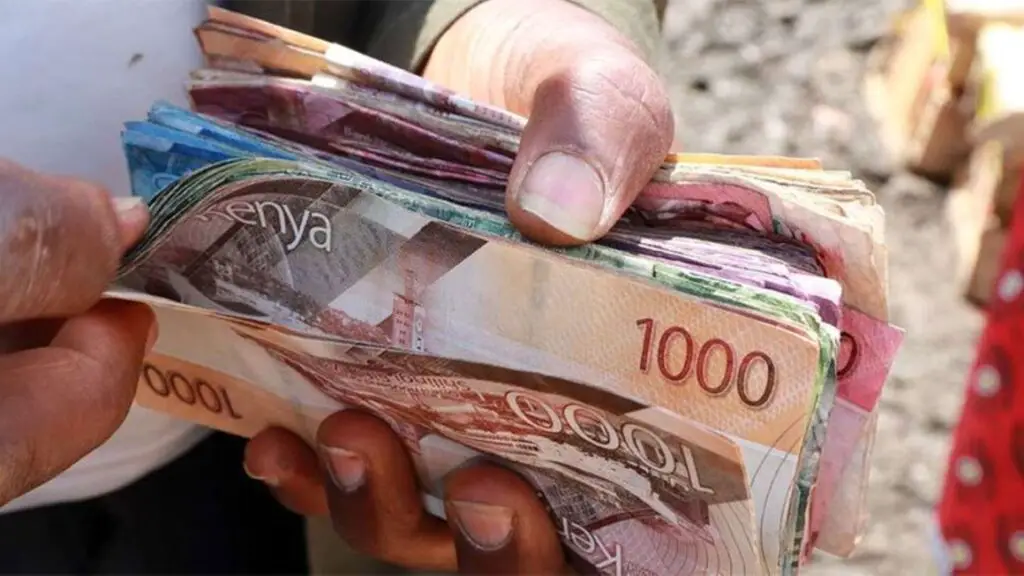
Remittance flows to developing regions were shaped by several factors in 2022 including reopening of host economies as the COVID-19 pandemic receded. Remittances as a share of GDP are significant in the Gambia (28%), Lesotho (21%), and Comoros (20%). Industry data shows most of the funds go towards supporting families in purchase of food and household goods Remittances to Sub-Saharan Africa grew by 5.2 percent to $53 billion in 2022 defying the effects of the global crisis. World Bank’s report on Migration and Development however noted that the growth slowed from the 16.4 percent that was recorded in 2021. “Remittances…