Trending
- In Kenya’s Mrima Hill, a test case for Trump’s Africa critical minerals strategy unfolds
- Africa’s tourism boom may begin in churches, not in the vast game reserves
- De Beers’ shutdown triggers ripples across South Africa’s diamond mining belt
- Nigeria’s oil output soars to heights not seen since 2020. Here’s what’s changing behind the numbers
- Kenya’s construction costs surge at fastest pace in four years as fuel price shock hits
- African trade is growing despite the obstacles
- Why global capital is betting big on Africa’s digital promise
- Kenya posts stronger-than-expected Q1 growth at 5.3% on manufacturing rebound, tourism boom


Author: Opinion

Opinion
Opinions by contributors are views of respected thought leaders in the respective industries they operate in. The Exchange is a close partner with each of the various opinion contributors.
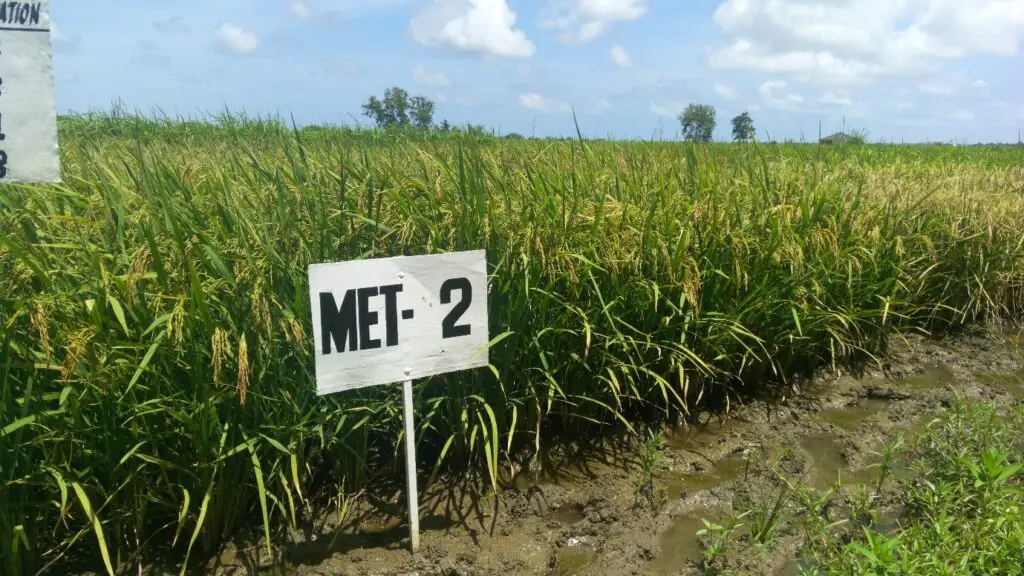
Food security is increasingly under threat as extreme weather events, shifting agro-ecological zones and changes in rainfall patterns accelerate the risk of food insecurity. In response to the challenges posed by climate change, various adaptation measures have been identified and implemented. These aim to improve livelihoods and enhance food security while mitigating the impact of climate change. Climate change is an undeniable reality, and its consequences have far-reaching effects on various sectors, particularly agriculture and food security. RSK Tanzania Senior Social Consultant Geofrey Mutayoba says developing countries are particularly vulnerable to the impacts of climate change, as their economies heavily…

AI allows photographers to transform their photos with just a few adjustments, enhancing colours, recovering details, and creating vibrant images that truly capture the magic of the moment. AI-powered editing tools excel in removing unwanted elements, sharpening details, and reducing image noise, making them invaluable aids in producing impeccable photographs. From the emergence of text-based diffusion models that can bring images to life with just a description, to the remarkable capabilities of advanced artificial intelligence (AI) image generators, the boundaries of what we can achieve in photography are expanding like never before. Just few years ago, a professional photographer would…
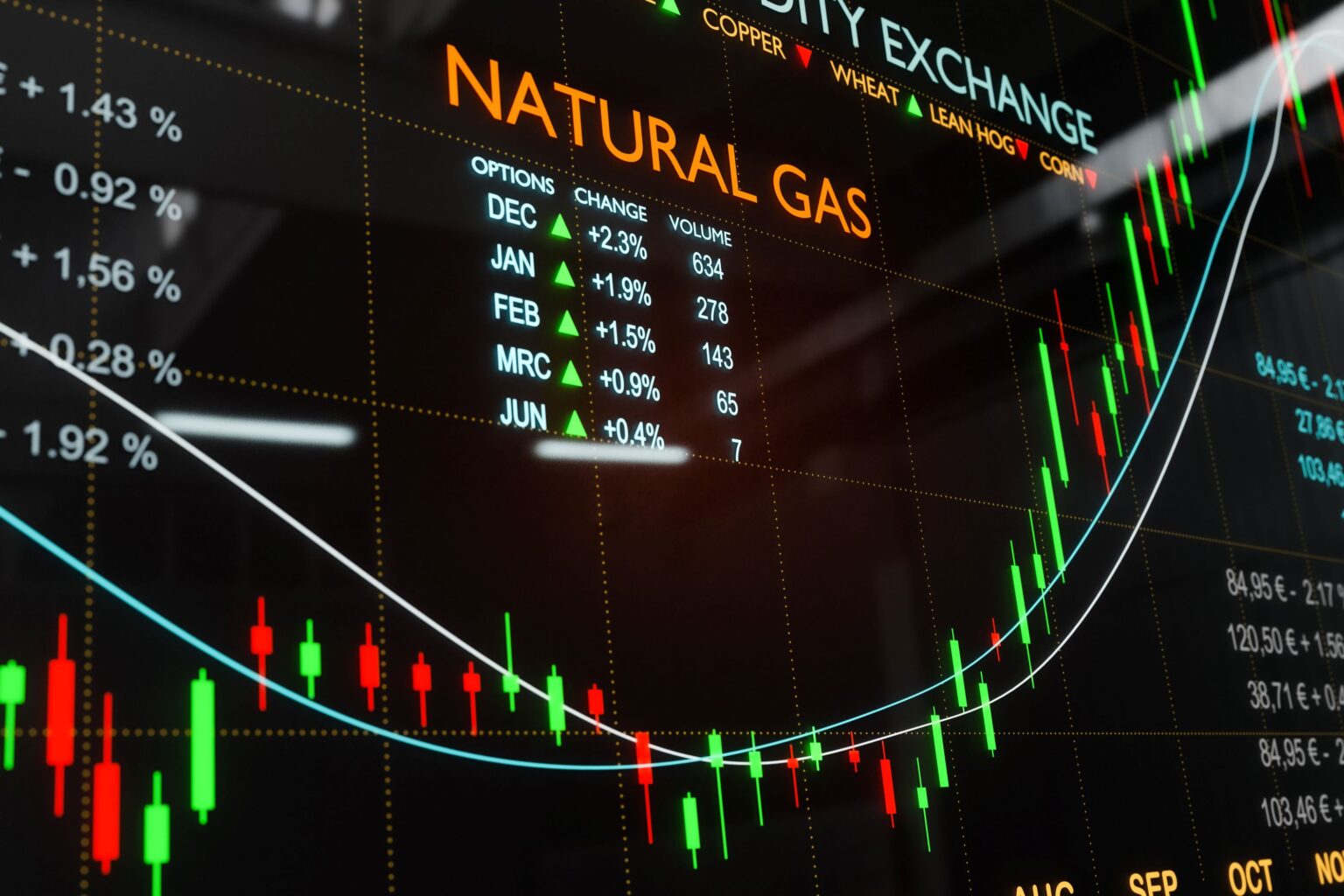
Africa’s natural gas sector stands poised to prepare the entire continent for eventual decarbonization, as do many of the companies operating here. Energy companies are describing policies that call for pursuing energy transition measures for tomorrow while providing the natural gas to power the world today. Africa continues to hold immense natural gas potential and is positioned to not only increase its outputs but also capitalize on the underserved LNG market and meet Europe’s ongoing demand. The recently signed liquefied natural gas (LNG) development project in South Africa’s Mpumalanga province is a promising step on the long road to Africa’s…
The final agreement of the Dubai climate summit mentions for the first time a transition “away from fossil fuels.” This is certainly a step on the right path, but that remains far too insufficient to respond to the urgency and severity of the climate crisis, particularly for vulnerable countries. For millions of Africans, the climate crisis affects every aspect of life, from food and housing to access to clean water and clean energy. World leaders have finally reached an agreement that the world must abandon fossil fuels to prevent catastrophic climate change, following 30 years of intense and painful negotiations.…
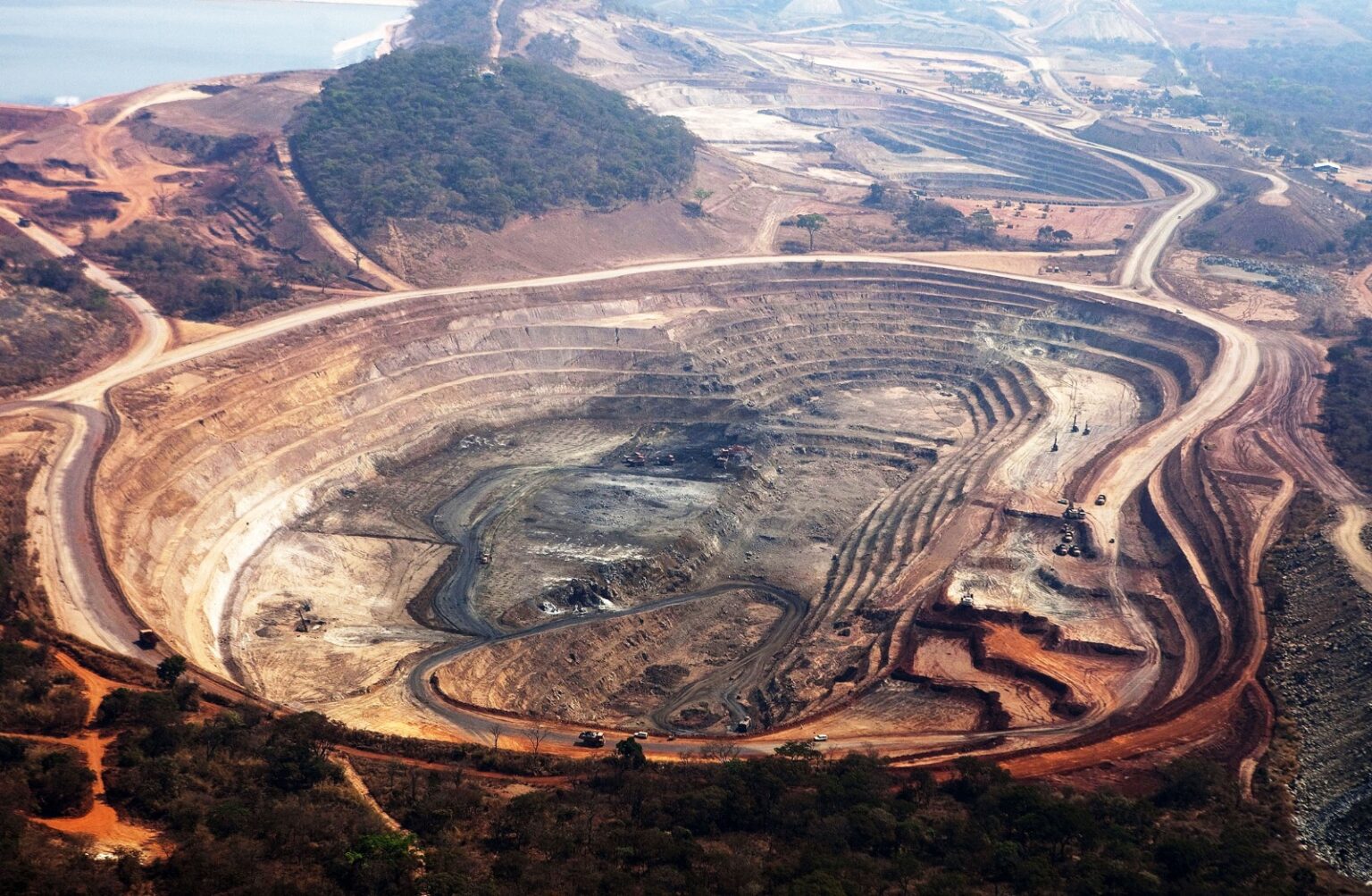
Africa holds more than half of the world’s reserves of cobalt, 46% of its manganese, and 21% of its graphite, all used in EV batteries, and about a quarter of its bauxite, which is required for solar photovoltaic technologies. For decades, Africa has allowed her raw materials, including oil and natural gas, to be exported raw, without a chance to benefit from the finished product. As a result, we’ve missed out on the job creation, industrialization, and economic diversification. To meet their green agendas, the European Union, US, and China are engaged in the modern-day equivalent of a gold rush. This…
African countries have every right to set the timing for their energy transition. Africa still needs time–time that the Western world has already had and, frankly continues to milk–to resolve energy poverty and industrialize. The continent’s oil and gas production, when managed strategically, provides a pathway for economic growth, energy transition and security. About a year ago, before COP27 began in Egypt, Fiona Harvey and Matthew Taylor wrote in an opinion piece for The Guardian that it was time for gas exploration in Africa to stop. “Africa must embrace renewable energy, and forgo exploration of its potentially lucrative gas deposits…
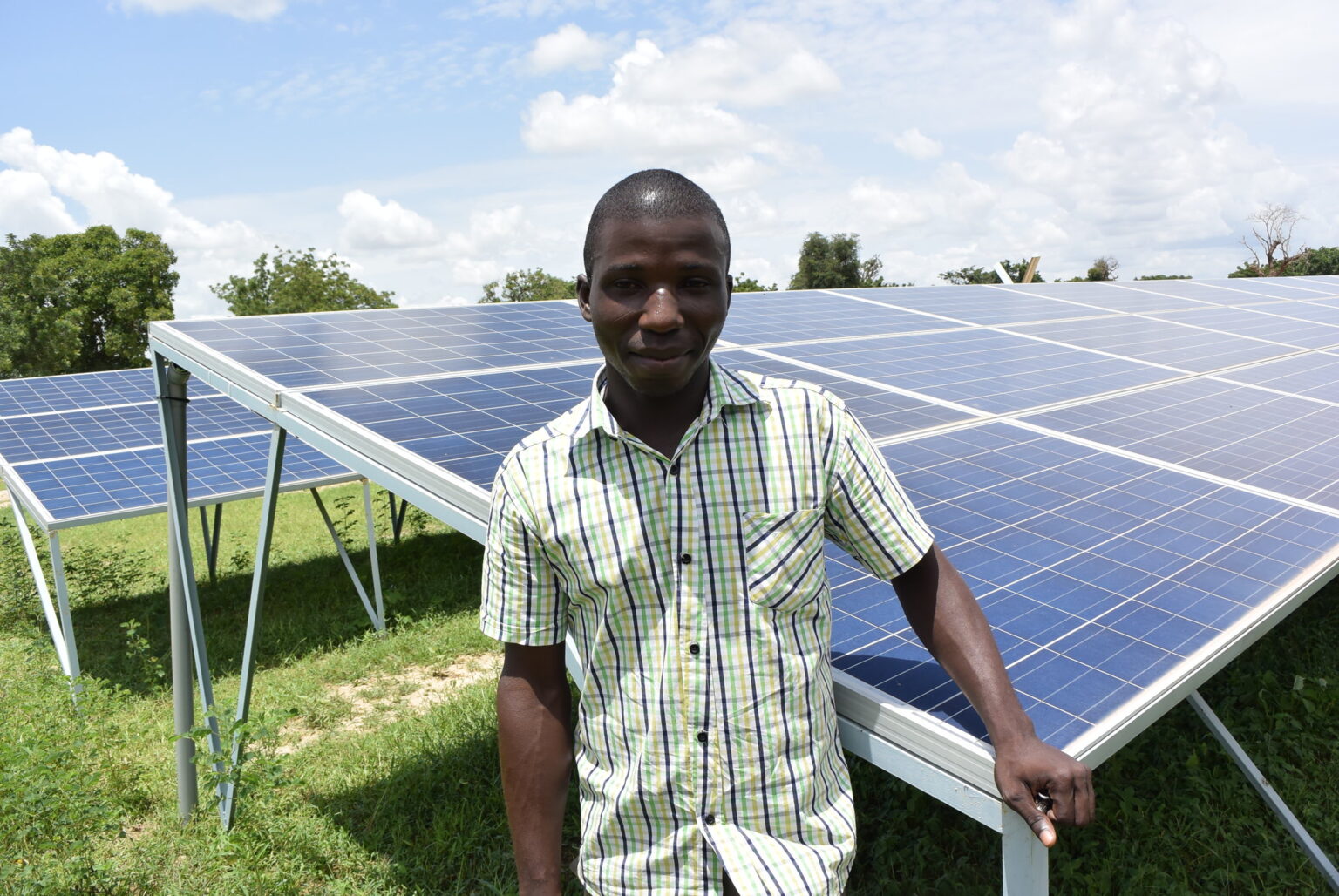
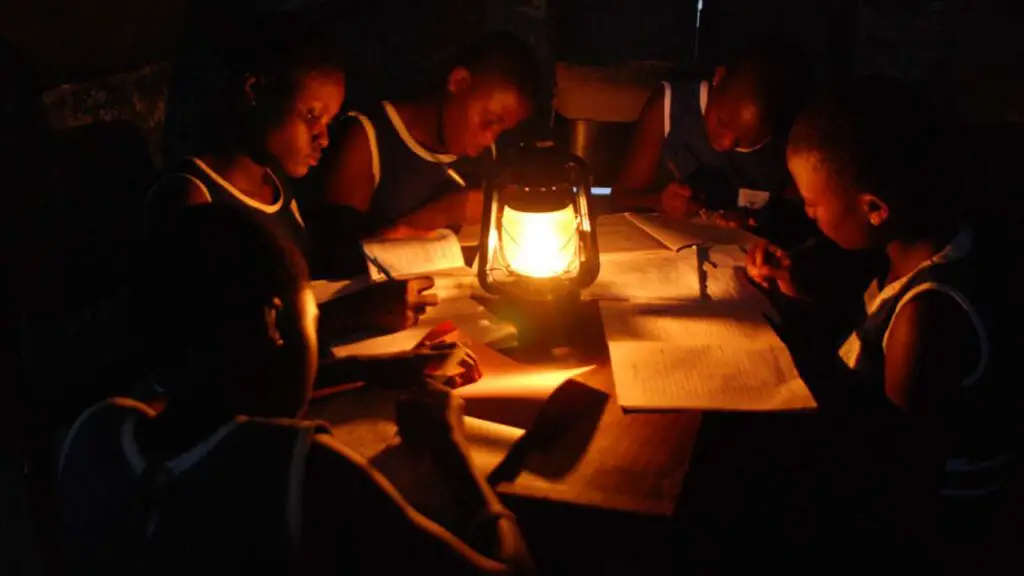
Asking developing nations to ignore natural gas in the energy transition plan is essentially requesting that they ignore half their power capacity. Currently, far too many people in Africa can’t buy milk from a refrigerated grocery aisle, do schoolwork after sunset, or get an X-ray at their local hospital. Many Western states supplement their grids with wind or solar but ultimately rely on natural gas, oil, or coal. Western leaders often urge African nations to make a rapid transition from fossil fuels to renewable energy sources. They seem to think that African nations can switch to renewable power sources fairly…
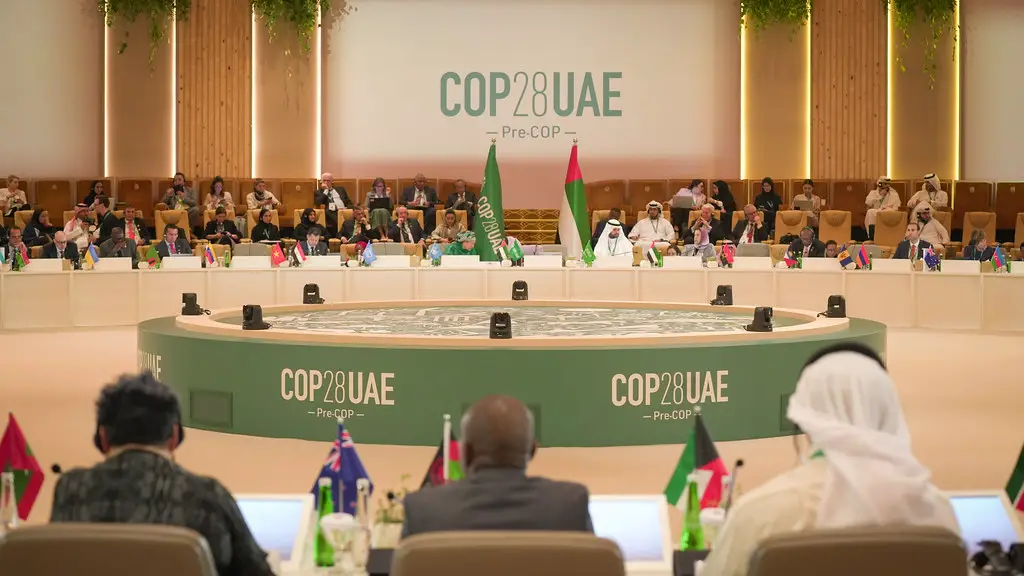
The 2009 Copenhagen Accord was not a binding promise but set up a durable framework for future talks. One of these solutions is for African countries to use crude oil, natural gas, and other hydrocarbons to develop their resources and use the revenues to finance energy transition. In the process, they should also seek to meet several other complementary goals, such as building gas-fired plants that can provide cleaner power than existing coal. From an African perspective, one of the most important things to come out of COP15, the 2009 United Nations Climate Change Conference in Copenhagen, was the formal…
The Russian invasion of Ukraine has proved highly disruptive to world energy markets. There is still a distance between Africa and the rest of the world in terms of what the continent can do to establish closer ties to energy markets in Europe and elsewhere. Now is the time to offer tax incentives, fast-track projects, show more transparency in processes, and do everything possible to minimize investor risk. It’s undeniable that the Russian invasion of Ukraine proved highly disruptive to world energy markets. This geopolitical clash led to the imposition of Western sanctions on the export of Russian oil and…
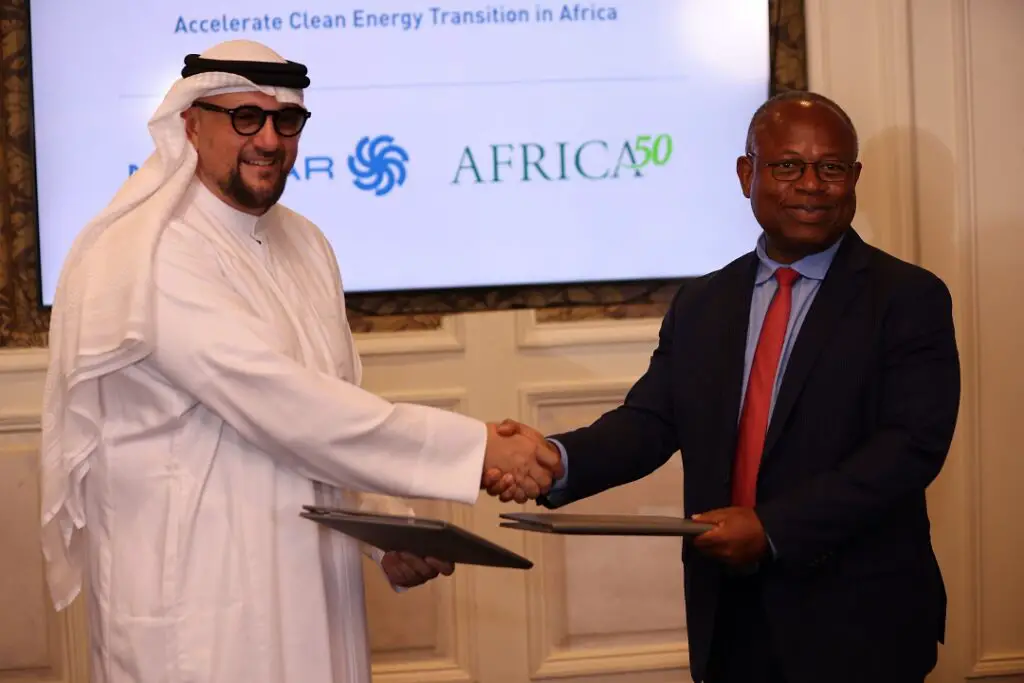
The promises made to uplift Africa and its people have failed to provide equitable justice. The trend continues. While Africa can play a pivotal role in the global fight against climate change, it should not come at the cost of its own economic development. Every climate finance dollar flowing into the continent must find its way into sustainable measures of mitigation and adaptation. At Africa Climate Week, the resounding call of a child echoed through the packed hall, stating, “We will hold you to your promises.” This declaration not only reflected the sentiment of the child but also resonated with…