Trending
- In Kenya’s Mrima Hill, a test case for Trump’s Africa critical minerals strategy unfolds
- Africa’s tourism boom may begin in churches, not in the vast game reserves
- De Beers’ shutdown triggers ripples across South Africa’s diamond mining belt
- Nigeria’s oil output soars to heights not seen since 2020. Here’s what’s changing behind the numbers
- Kenya’s construction costs surge at fastest pace in four years as fuel price shock hits
- African trade is growing despite the obstacles
- Why global capital is betting big on Africa’s digital promise
- Kenya posts stronger-than-expected Q1 growth at 5.3% on manufacturing rebound, tourism boom


Author: Opinion

Opinion
Opinions by contributors are views of respected thought leaders in the respective industries they operate in. The Exchange is a close partner with each of the various opinion contributors.
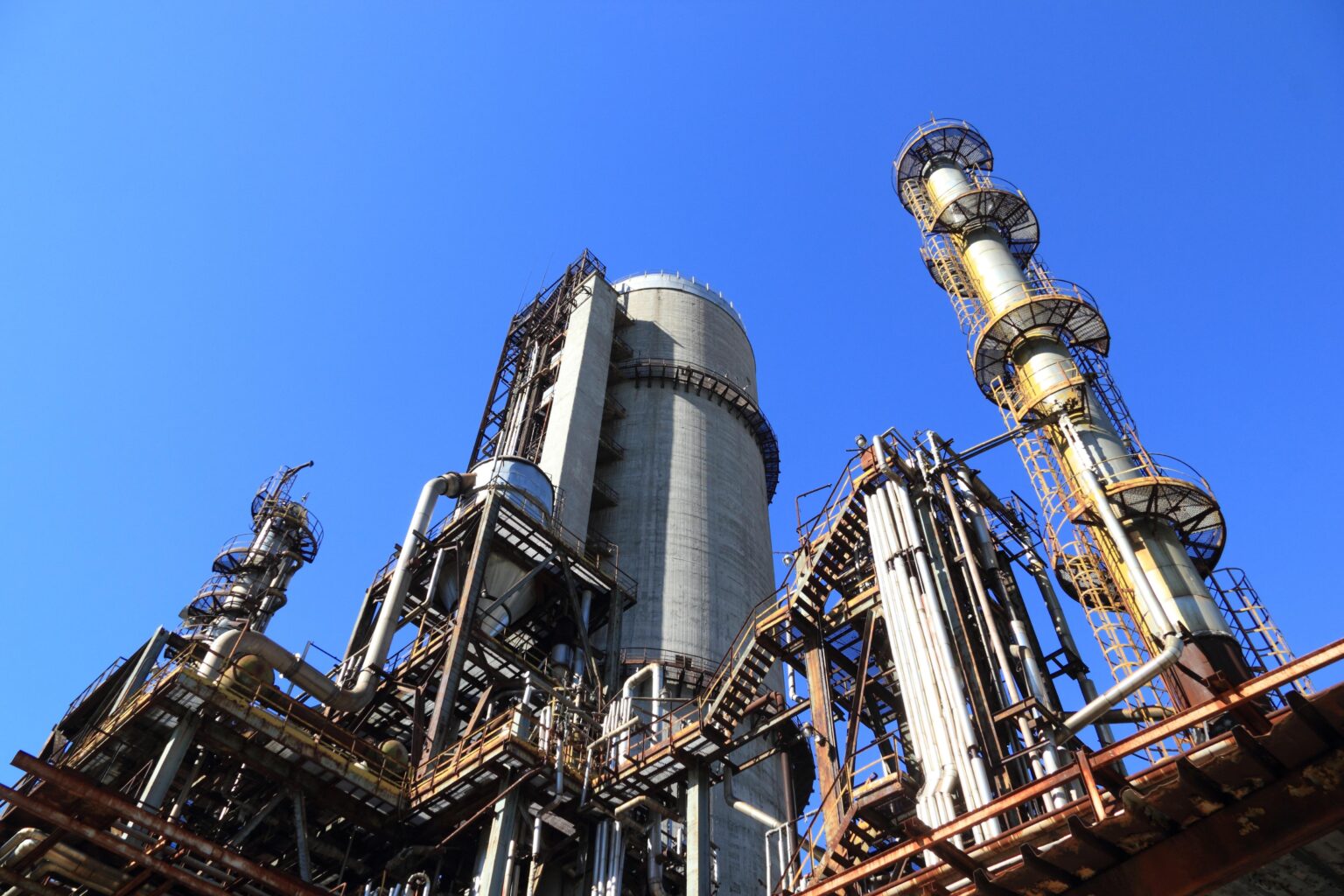
Africa’s oil and gas industry looks flat in the final quarter of 2023. That is, as AEC details in its newly released 2024 African Energy Outlook, capital expenditure (CAPEX) on upstream projects is still rising, but it is on a relatively slow upward trajectory — and it is moving up more slowly than we had predicted last year because of changes in the timeline of certain African upstream projects.
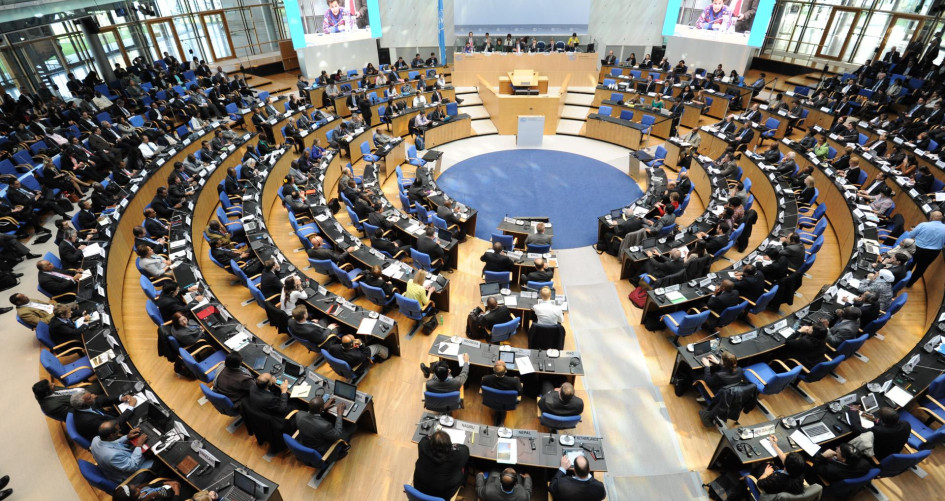
The Conference of the Parties (COP) to the United Nations Framework Convention on Climate Change (UNFCCC) represents an important international forum for countries to discuss and address global climate change issues. However, these conferences have tended to be high-level and process-based, and COP 27 was no exception. – negotiations took place, and some of the highlights included the historic establishment of the loss and damage fund, which was seen as setting a precedent for climate justice.
However, agreements on other matters, such as phasing out fossil fuels and setting emission peak periods, were not achieved. For African countries, COP 28 marks an important pivot point around funding, just transition, and the Nairobi Declaration. There will be a push for realisations on commitments made and innovative funding mechanisms to drive accelerated climate action now and beyond.
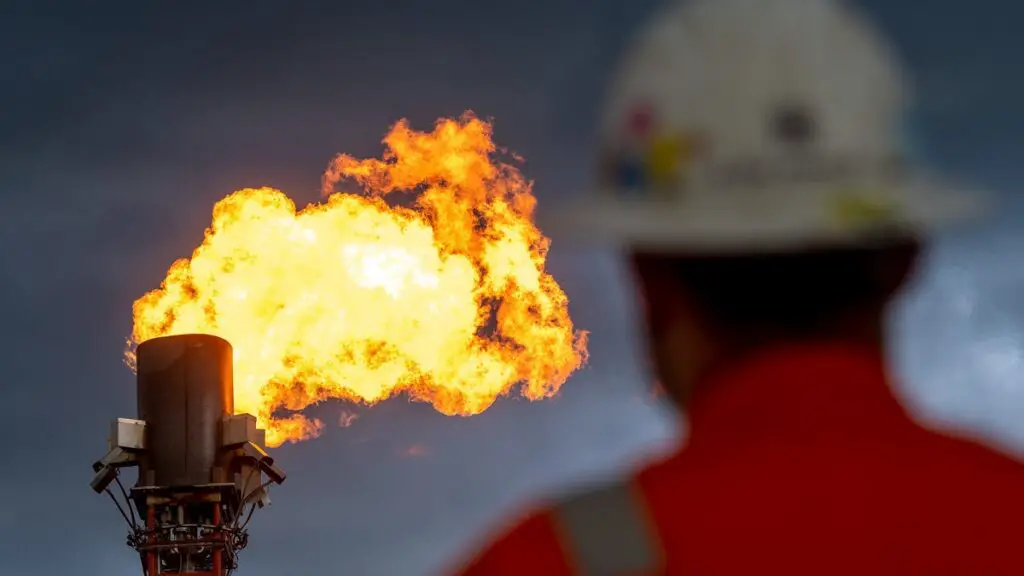
There are formidable challenges faced by the oil and gas industry across Africa, the Middle East and Asia (AMEA) regions, but perhaps the most pressing is the need for environmentally sustainable power solutions.
Currently, flaring poses a significant threat to the sector across its environmental impact and the cost to the company. Around 139 billion cubic metres (bcm) of natural gas are flared annually, releasing carbon dioxide (CO2), methane and black soot that affect climate change and human health. It also directly influences the sector’s ability to achieve Net Zero and the transformative target of eliminating non-emergency flaring by 2030.
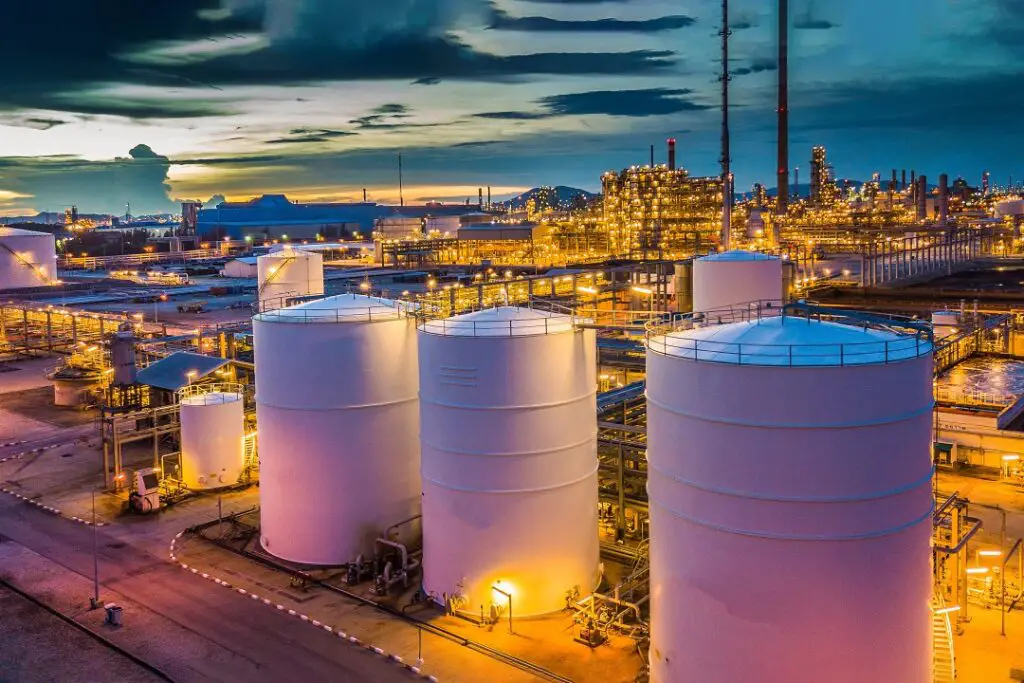
The African Energy Chamber predicts that oil markets in 2024 will stay balanced and somewhat flat, with only marginal growth. Aviation-driven liquids product demand—primarily from the US and Asia—likely will comprise over 50% of global demand during the next 18 months. Another key driver will be industrial demand, particularly from the petrochemical sector in the Middle East, Asia, and the US, along with power generation projects. Six months after the World Health Organization (WHO) declared COVID-19 is no longer a health emergency, it’s still difficult to fully grasp the far-reaching damage the pandemic has inflicted, from the tremendous toll on…

Behind every discovery in the African energy industry, final investment decision (FID), and first oil announcement in our continent are companies of all sizes. Collectively, these companies are validating the long-held assertion by the Africa Energy Chamber (AEC) that the African continent represents the next frontier for energy exploration and production. Where international corporate divestment from Africa’s oil industry is occurring, smaller players are taking up the slack. Behind every discovery, final investment decision (FID), and first oil announcement in our continent are companies of all sizes, advancing our energy industry and bringing Africans closer to realizing the energy security…
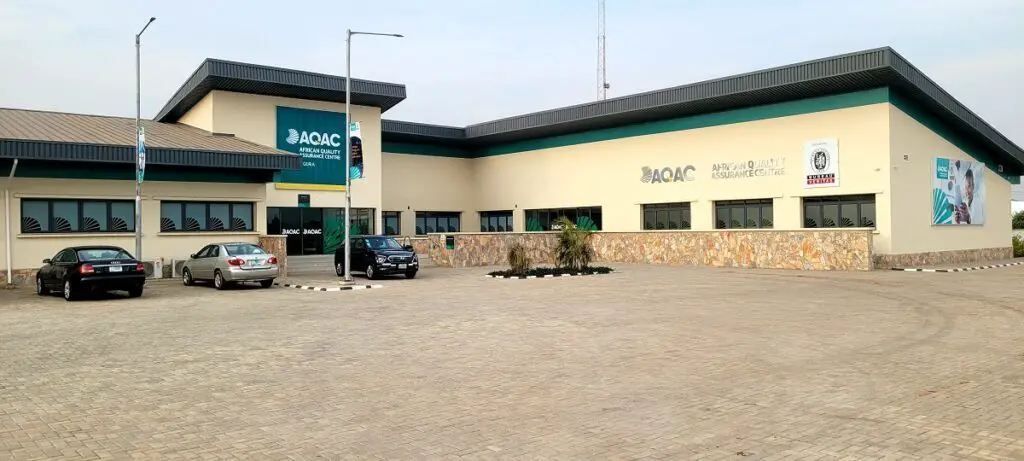
As AfCFTA becomes a part of the daily business environment, governments and businesses need to know how product standards and regulations protect traders and the society. Governments need to create an enabling environment for investors, which becomes more attractive to foreign direct investment if harmonization of standards exists. Other trading blocs such as the European Union are strong because they collaborate on standards and compliance regulations. The African continent presents huge potential for growth, and the recently introduced African Continental Free Trade Area (AfCFTA) agreement promises to underpin trade facilitation and economic expansion, becoming the largest free trade area since…

Yield-chasing investors have poured money into Africa, but an emerging, recent challenge for the continent is that in a now higher interest rate environment, investors don’t need to come to Africa to find higher returns.
Even US treasuries are now yielding far more attractive yields than just a month ago: three-month government bonds offer 5.32 per cent, while 2-year bonds offer a yield above five per cent. Yields have risen in part in response to Fitch’s recent downgrade of the US from AAA to AA+, echoing S&P’s move in 2011.
African bond issuers, spooked by the high-interest rate environment and refusing to issue bonds above the psychological barrier of double-digit yields for Sub-Saharan African bonds, continue to wait it out on the sidelines.
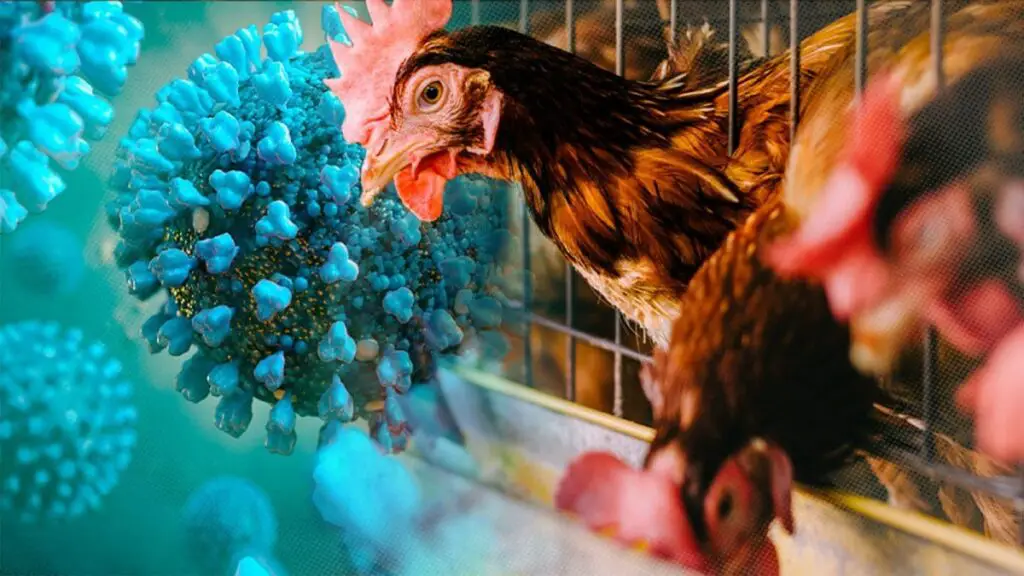
South Africa’s poultry sector is currently undergoing serious challenges. The ongoing load shedding and power disruptions have put tremendous pressure and additional costs on the industry, which makes producing poultry products extremely expensive. One company (Astral Foods) has spent an additional $47.56 million (R919 million) due to load shedding alone. This has had a significant impact on the profitability and sustainability of the company. To make matters worse – South Africa’s poultry sector has been hit with a significant avian influenza epidemic.
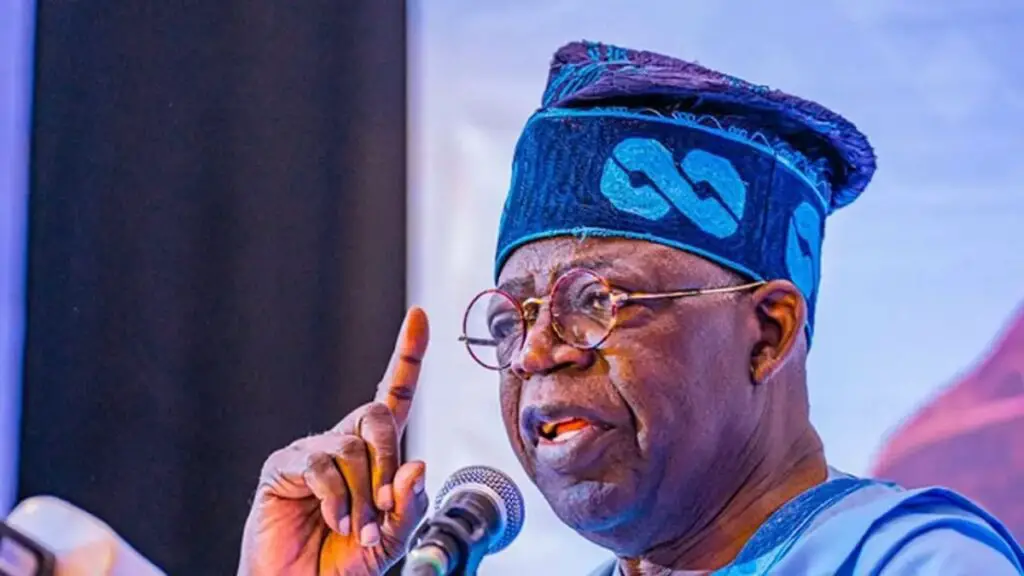
Contrary to the general belief that Nigeria is the giant of Africa, incessant violence and armed conflicts have drastically reduced the influence of Nigeria on the continent. Despite its huge resources, Nigeria still suffers from poverty, inequality, unemployment, insecurity, corruption, high fuel and commodity prices, and other political and economic hardships. The biggest threats to Nigeria’s stability include bad governance, electoral mal-practices, corruption, economic hardship, inflation, terrorism, kidnapping, and ethnic divisions. It is one of Africa’s behemoths. A country with vast resources and immense complexities. Boasting the largest economy of all states in Africa, Nigeria has long been considered one…
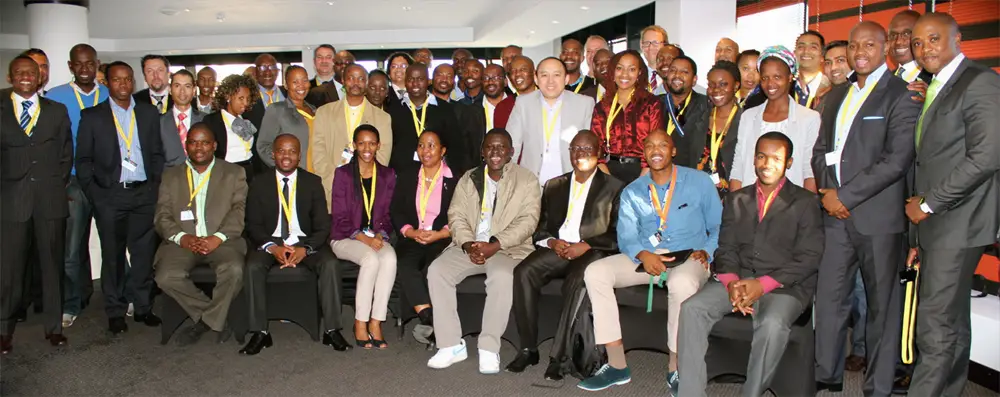
The Cortex Hub and Angel Fair Africa have reached the milestone of a decade of nurturing innovation, fostering entrepreneurship, and connecting African startups with investors. The initiative aimed to create an innovation hub in the Eastern Cape to unlock the latent potential of the region’s emerging talent pool and drive technological innovation and break down barriers hindering growth. It was initiated by the author, who had previously worked in the ICT field during the apartheid era and had a personal interest in driving technological advancement and economic empowerment in the region. In a landscape defined by the ebb and flow…